

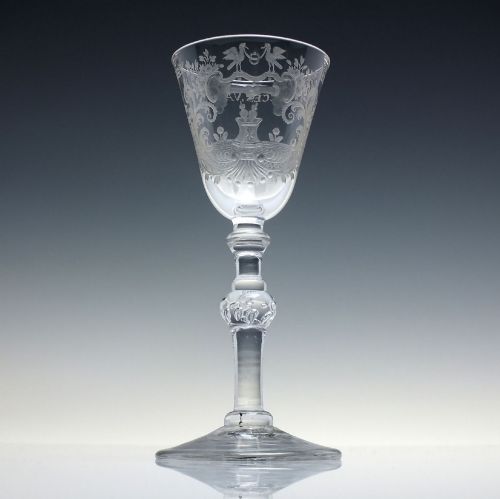

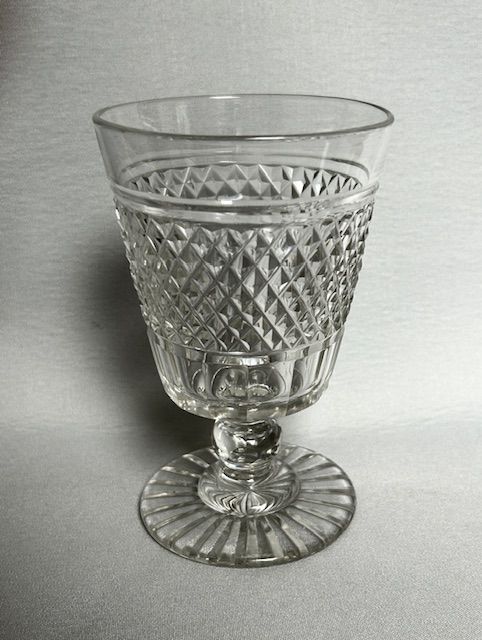


Georgian Stemware Glass Chalice
A georgian stemware glass chalice combines drinking vessels and commemorative glass with sturdy lead crystal and hand-blown forms.
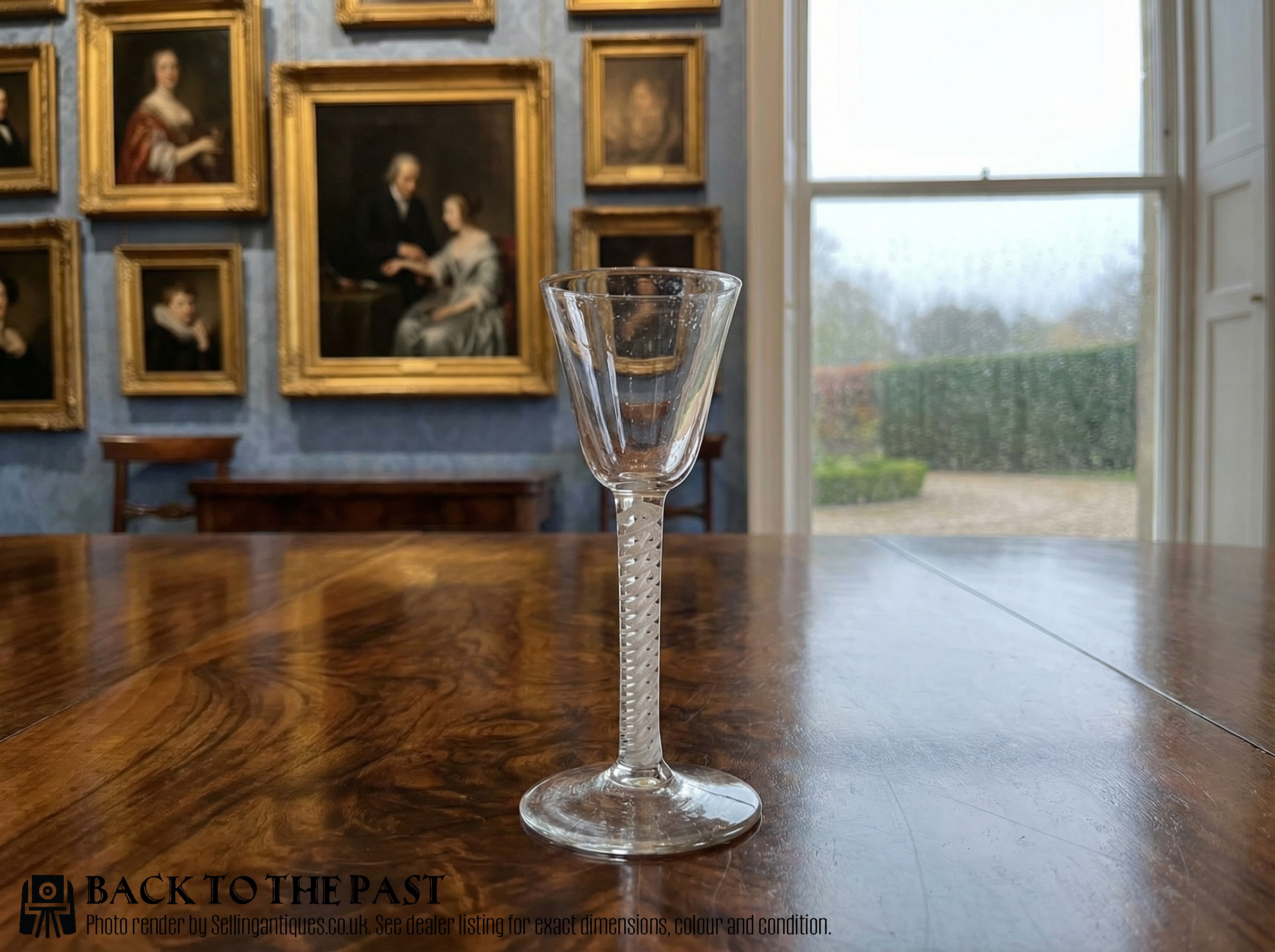
Georgian Stemware Glass Chalice
A georgian stemware glass chalice includes drinking vessels and table rummers made during the eighteenth century and the Regency period. These items appear in clear lead glass, green glass, and lead crystal forms.
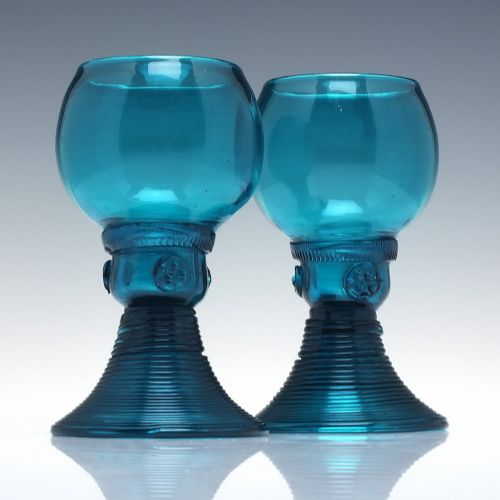
Buyers will encounter wine glasses, wine glass goblets, and rummers originating from English and Continental workshops. Examples range from plain stem wine glasses to heavy hobnail cut bucket rummers.
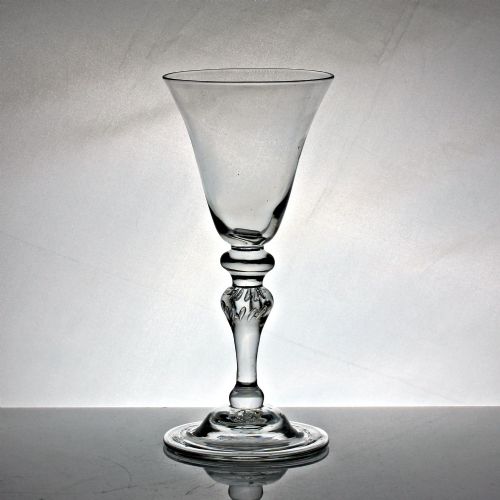
The objects span production dates from the early eighteenth century through to the nineteenth century, including specific styles like balustroid, light baluster, and nut moulded variants.
Materials and methods
Makers utilised lead glass and clear lead glass, shaping the metal by hand-blowing molten material into various vessel forms. Glass houses also employed green glass and clear glass for specific regional styles.
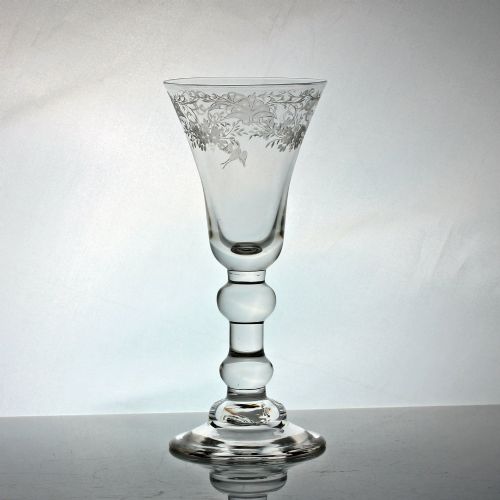
Decoration relied upon hand engraving, enamel work, and surface cutting such as hobnail patterns and honeycomb moulding. Stems incorporated specialised techniques like corkscrew two-ply twists and balustroid profiles.
Georgian Stemware Glass Chalice Retail Price Guide 2026
Typical asking prices for georgian stemware glass chalice among the pieces listed under this phrase on Sellingantiques today, from the lower quarter to the upper quarter. They describe what is for sale here now, not the wider market.
Listings span the Georgian and Regency eras, utilising lead crystal, green glass, and clear lead glass across wine glasses and heavy rummers.
Distinguishing quality
The clarity and weight of the lead crystal separate standard vessels from superior examples, alongside the precision of the hand-blown bowl and foot. Heavy table rummers demonstrate greater substance than lighter domestic wine glasses.
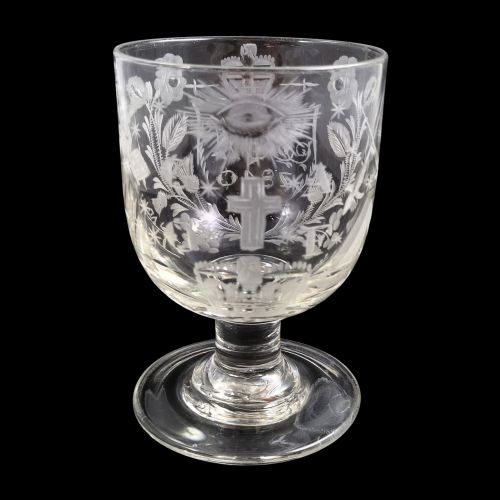
The execution of surface decoration dictates the standing of a piece, where detailed engraved ships, initials, or floral motifs display higher artisanal skill than plain or lightly moulded surfaces.
The Georgian Stemware Glass Chalice Glossary
- Lead glass
- A heavy, brilliant glass containing lead oxide that increased clarity and workability. This material formed the basis for most eighteenth-century drinking vessels.
- Rummer
- A large, sturdy drinking glass popular for wine, ale, or punch during the Georgian and Regency eras. These vessels often feature cut or engraved decoration on bucket-shaped bowls.
- Baluster stem
- A thick, swollen stem profile resembling architectural balusters, common in early English drinking glasses. Lighter variants emerged later in the century.
- Nut moulded
- A pattern pressed into the glass surface resembling the texture of a nutshell. This technique appeared on Continental and domestic vessels.
- Corkscrew twist
- An internal thread of air or white enamel spiralling through the stem of a glass. Artisans created these intricate patterns during hot-forming.
Georgian Stemware Glass Chalice: Frequently Asked Questions
What is a rummer?
A rummer is a large, heavy drinking glass designed for wine, punch, or ale during the Georgian and Regency periods. They typically feature deep bucket bowls and sturdy feet.
These vessels often display cut facets, engraved ships, or personal initials, making them substantial table pieces compared to standard wine glasses.
How do I date a glass?
Dating relies on stylistic clues such as stem construction, bowl shape, and manufacturing techniques. Early pieces often feature thick lead metal and baluster stems.
Later Regency examples trend towards cut decoration, larger rummer forms, and lighter optical moulds. Comparing material weight and engraving styles helps narrow the period.
What are twist stems?
Twist stems contain delicate spirals of air bubbles or white enamel enclosed within the glass stem. Makers formed these threads while working the hot metal.
These intricate interior patterns mark a significant departure from plain stems and feature prominently in mid-eighteenth-century drinking vessels.
Were these glasses used daily?
Many of these vessels served functional roles at dining tables for wine and social toasts. Sturdy rummers and heavy goblets handled frequent communal use.
Specialised pieces like marriage goblets or engraved presentation glasses were likely kept for commemorative events rather than everyday drinking.
What is Continental glass?
Continental glass refers to pieces manufactured outside Britain, such as in Liege. These items often exhibit distinct moulding techniques like honeycomb patterns or nut moulding.
Imported vessels circulated alongside domestic English production, sharing similar lead and non-lead glass compositions of the period.