
English Georgian Glass
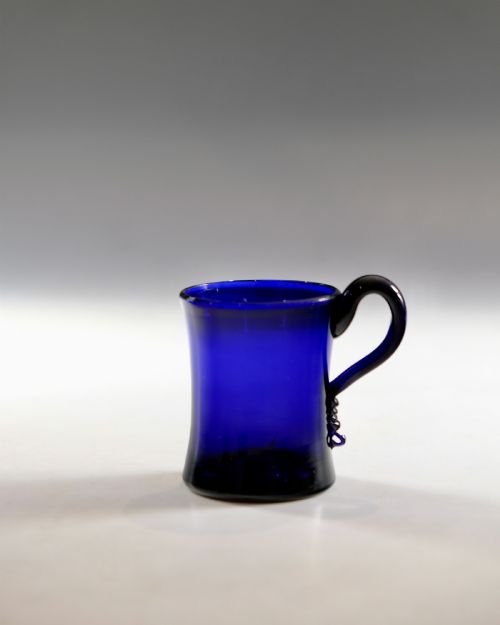
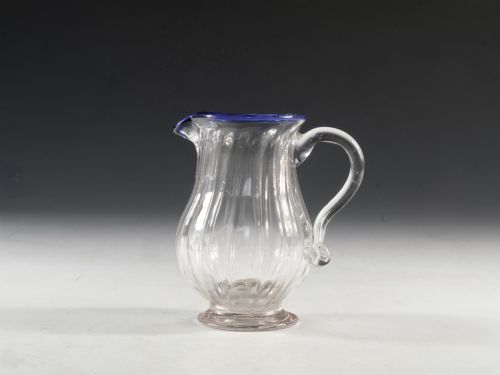
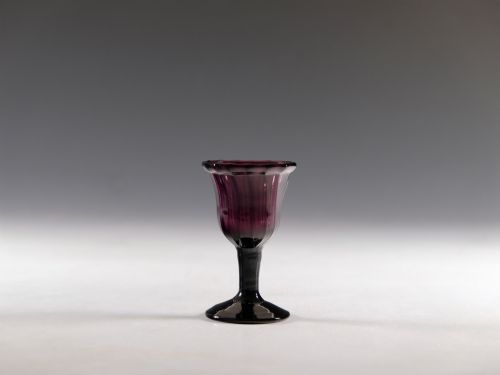
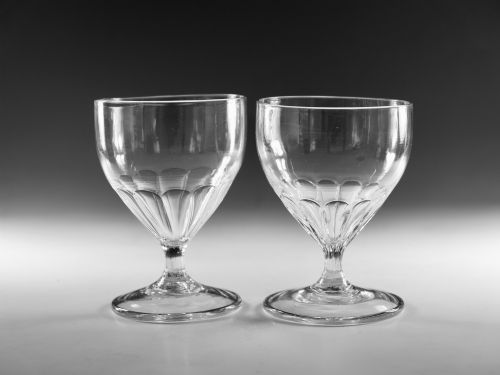
These pieces of english georgian glass represent the heavy lead crystal and bright tablewares that dominated dining rooms and parlours throughout the eighteenth and early nineteenth centuries.
English Georgian Glass
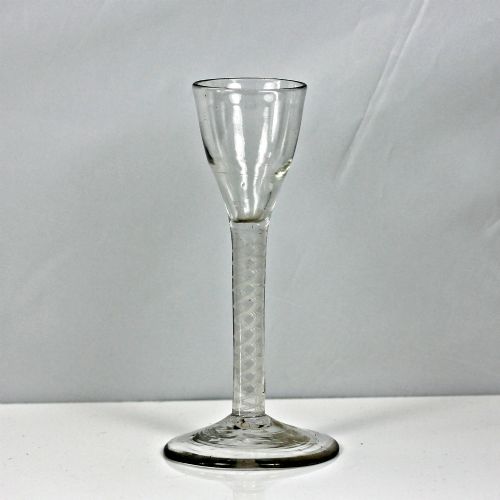
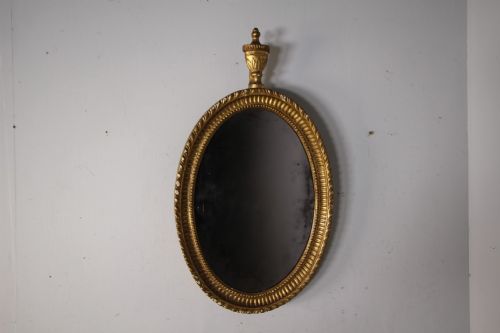
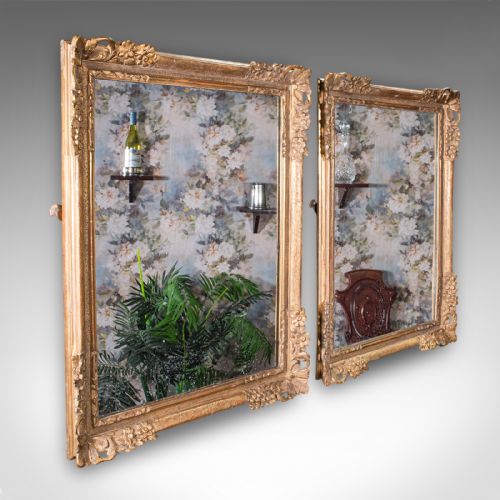
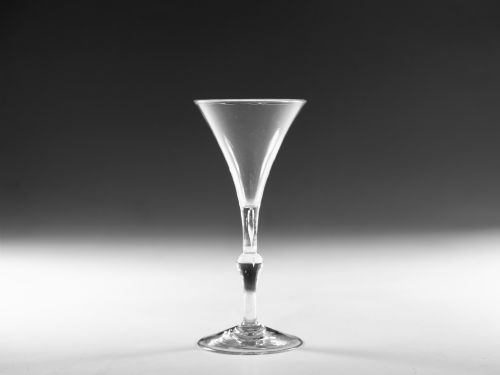
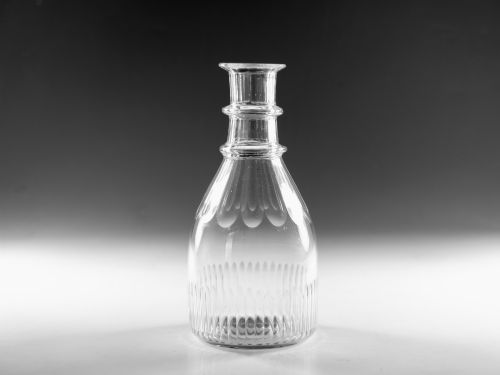
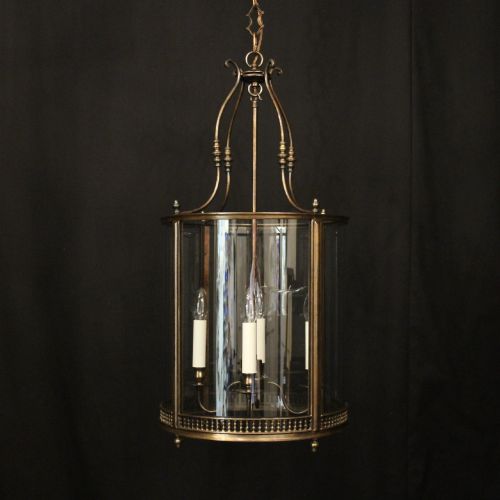
You are most likely to meet drinking glasses with distinctive stem formations, including air twists and opaque twists, alongside larger serving rummers and decanters. The listings also extend into related forms like mirrors and lanterns that incorporate glass elements from the era.
Materials and Techniques
The objects on this page rely heavily on lead glass, lead crystal, and flint glass, which provided the heavy weight and clear refraction characteristic of the period. Hand-blowing techniques produced individual vessels, often featuring folded feet and applied knops on the stems.
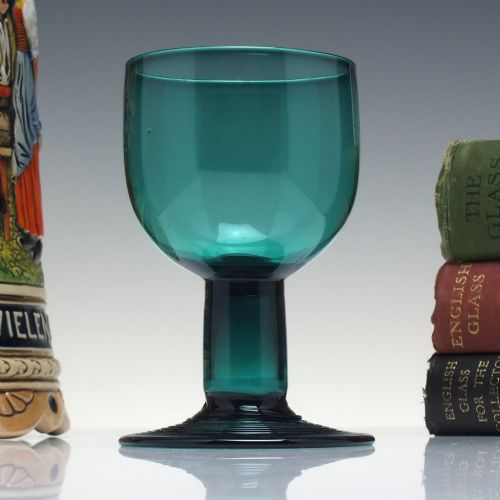
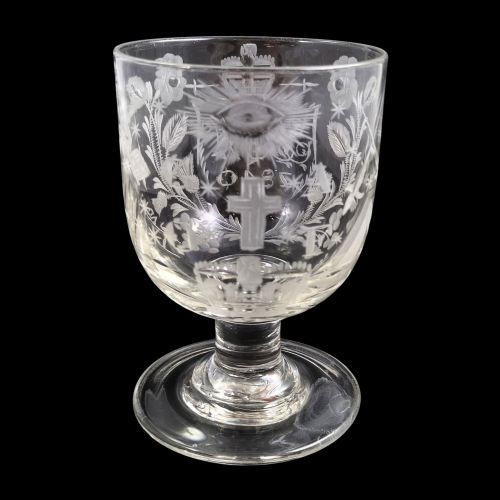
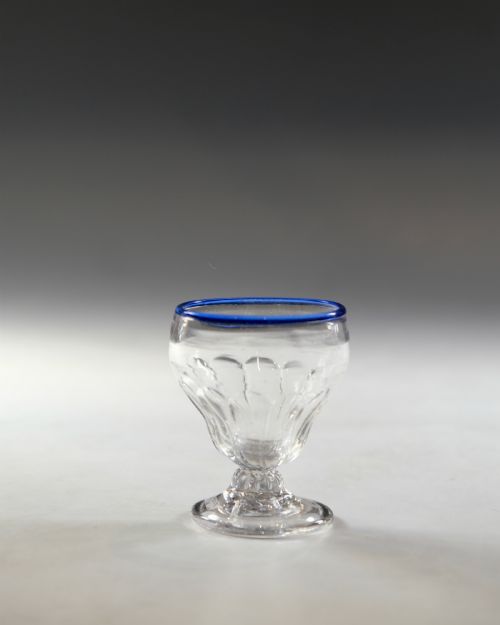
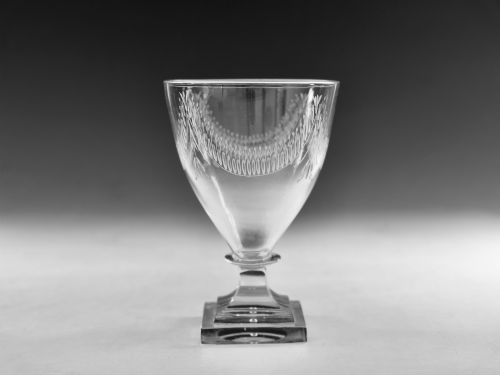
Decoration was achieved through engraving, such as the hops and barley motifs seen on rummers, or through the addition of coloured glass elements like the Bristol green and blue vessels. Internal optical effects were also created intentionally, including trapped air bubbles within the stems.
Look closely for the tiny trapped air bubbles left by eighteenth-century blowers, who accidentally turned their working flaws into charming optical signatures.
Assessing Quality in the Range
Quality in these items is determined by the clarity of the metal and the precision of the hand-formed details, such as the regularity of an opaque twist or the depth of wheel engraving. Pieces with complex stem structures, such as double series twists or multi-knop balances, demonstrate superior craftsmanship.
The overall weight, stability of the foot, and absence of excessive manufacturing anomalies separate standard utility wares from the finer decorative drinking vessels and presentation pieces recorded here.
The English Georgian Glass Glossary
- Air twist
- A stem formation containing elongated spiral channels of air trapped within the glass during manufacture. This technique creates a delicate internal pattern visible when the glass is held to the light.
- Opaque twist
- A stem featuring white or coloured enamel glass threads drawn into spiral patterns inside the clear metal. It represents a refined development from the earlier air twist style.
- Rummer
- A large, sturdy drinking glass introduced in the late eighteenth century, commonly used for ale, wine, or punch. They frequently feature heavy bucket bowls and engraved decoration.
- Firing glass
- A small drinking glass with a remarkably thick, heavy foot designed to be banged firmly onto a wooden table without breaking. These were used in eighteenth-century fraternal and Masonic gatherings.
- Wrythen
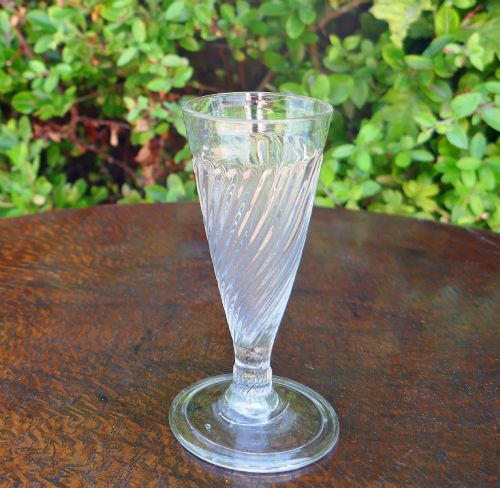
- A surface pattern of spiral ribs or flutes formed by twisting the glass while hot. It adds subtle texture and catches the light as the vessel turns.
English Georgian Glass: Frequently Asked Questions
What is english georgian glass?
It refers to drinking vessels, decanters, and household objects manufactured in England during the reigns of the Georges and the Regency era. The category is defined by heavy lead crystal composition and distinctive handmade characteristics.
Items range from everyday tablewares to finely engraved presentation pieces produced by British glasshouses before the mid-nineteenth century.
How do you date a wine glass?
Dating relies heavily on the form of the stem, the shape of the bowl, and the construction of the foot. Earlier eighteenth-century pieces often feature baluster stems or folded feet, while later decades introduced facet cutting and lighter profiles.
Engraving styles and pontil mark characteristics on the underside also provide reliable clues for narrowing down the decade of production.
Why are some glasses so heavy?
The weight comes from the high lead content introduced into English glass-making following the perfection of lead crystal formulas. This dense material allowed makers to fashion sturdier vessels with deep brilliance and resonant ringing qualities.
Heavier metal also provided the structural stability needed for elaborate facet cutting and thick supporting stems.
Can I use these glasses daily?
While these pieces were originally created for active use at dining tables, their age and historical value mean most modern owners prefer gentle handling. Hand washing in lukewarm water is essential to preserve the fragile historical metal.
Sudden temperature changes should be strictly avoided to protect the old glass from thermal shock.