

Antique Wine Stemware
These antique wine stemware pieces span drinking vessels from the eighteenth century to the twentieth, offering functional history for collectors.
Antique Wine Stemware
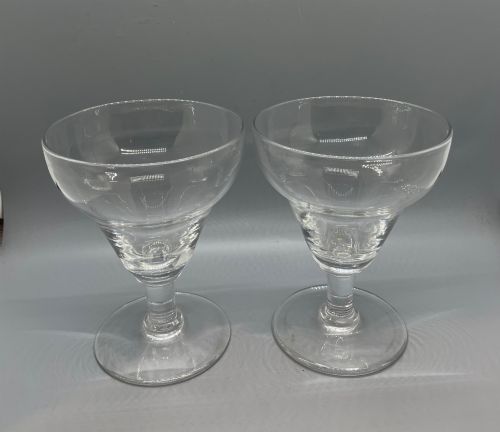
This selection spans drinking vessels designed for wine, champagne, port, and ale, centred heavily upon Georgian and Victorian examples. Buyers encounter drinking glasses ranging from early balustroid wine glasses to coloured hock glasses and rummers.
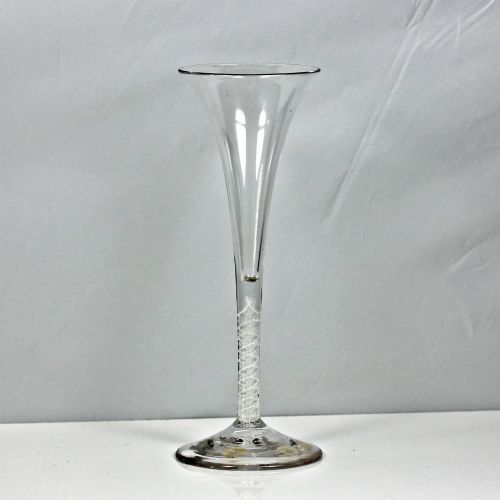
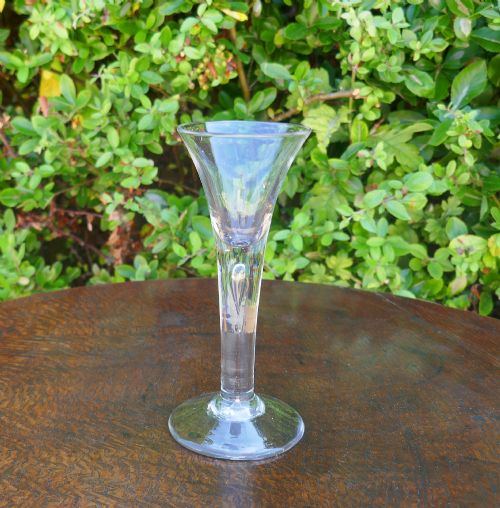
Forms include trumpet bowls, ogee bowls, and pan top bowls supported by various stem configurations like air twists, opaque twists, and heavy balusters. English and continental production dominates the objects found in this group.
Materials and construction
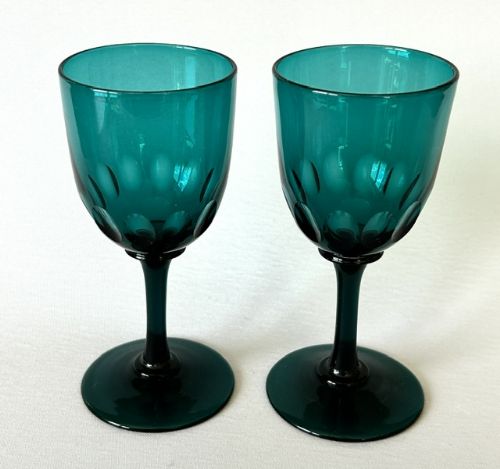
The objects are formed from clear glass, lead glass, and lead crystal, occasionally enhanced with white enamel, gilding, or coloured glass overlays. Makers shaped the bowls and stems through blowing, moulding, and applying decorative twists.
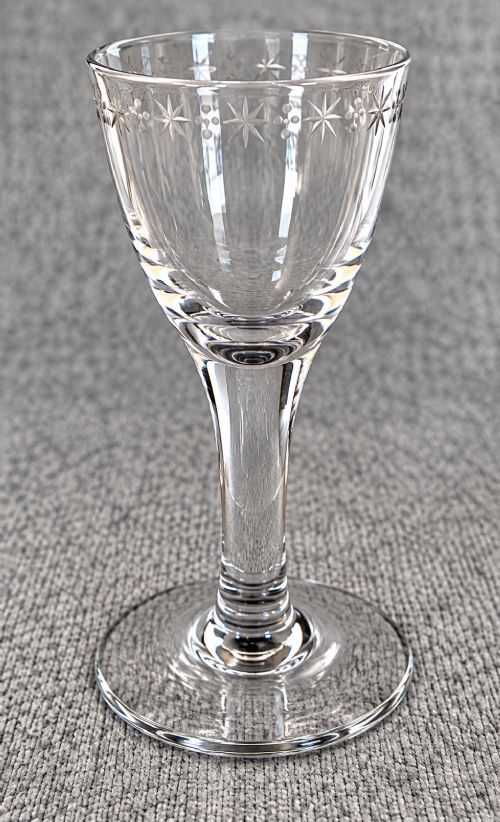
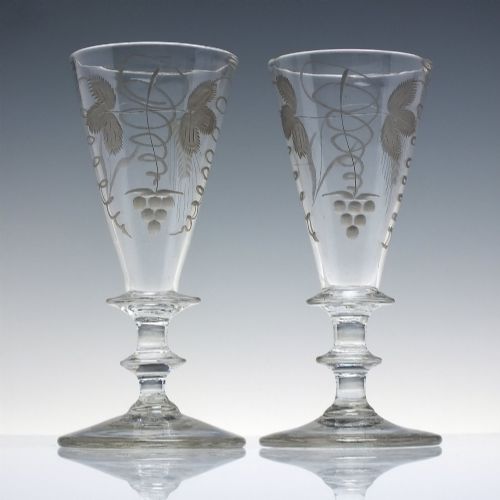
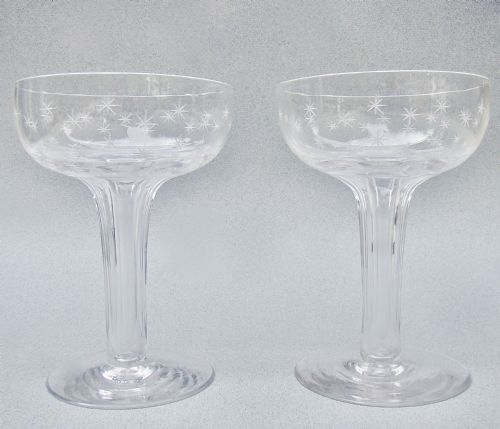
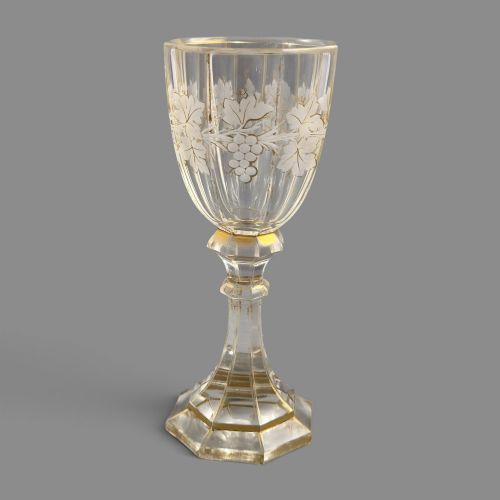
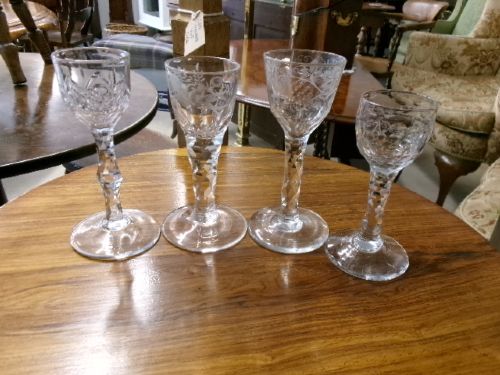
Engraving techniques such as star-etching, floral enamelling, and rococo motifs decorate the bowls, while bases often feature folded feet or wide foot bases for stability.
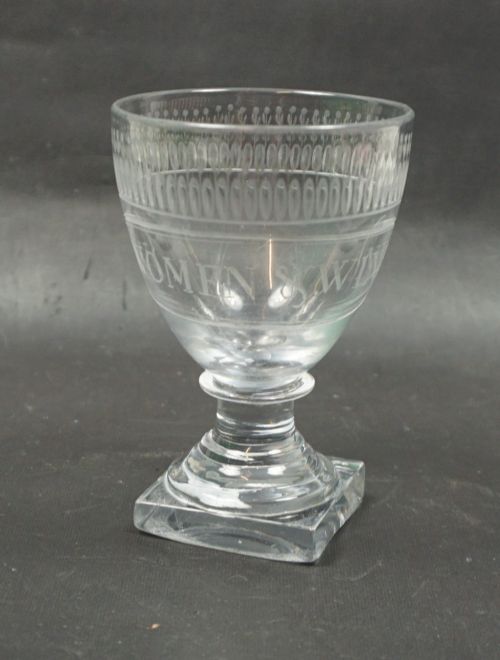
An eighteenth-century rummer in this collection bears the cheerful specific engraving 'Women & Wine'.
Evaluating quality and execution
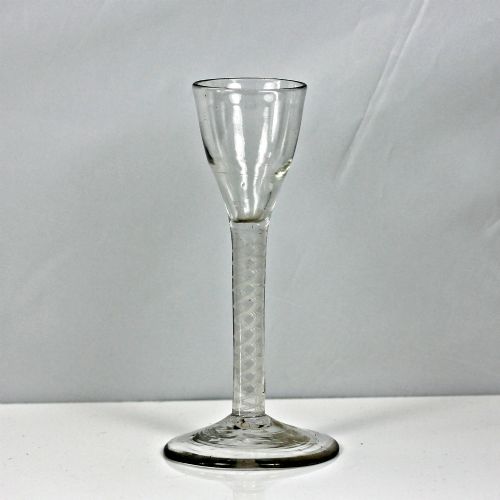
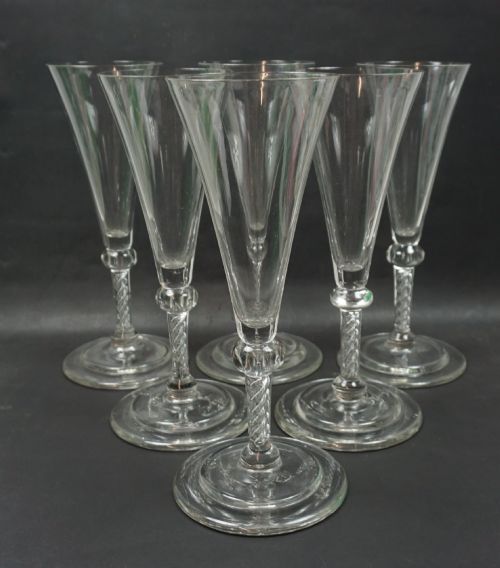
Quality rests in the precision of the stem formation, such as the regularity of multi-spiral air twists or double-series opaque twists within the glass. Finer pieces demonstrate superior clarity of the lead crystal and balance in the knops and balusters.
The sophistication and crispness of bowl engraving, whether floral, Jacobite symbols, or swag and tail patterns, separate standard utility glassware from exceptional examples.
Moser·Baccarat·Theresienthal
The Antique Wine Stemware Glossary
- Balustroid
- A stem form derived from architectural balusters, featuring knops and swelling profiles characteristic of eighteenth-century English drinking glasses. It provides weight and decorative presence below the bowl.
- Opaque twist
- A stem created by enclosing white or coloured enamel threads inside clear glass and twisting them into spiral patterns. This technique gained popularity during the mid-eighteenth century.
- Air twist
- A stem design containing elongated internal air bubbles drawn into helical threads within the glass. The optical effect creates shimmering lines running down the stem.
- Ogee
- A bell-shaped bowl with an 'S' curve profile curving outward at the rim and inward at the base. This shape appeared frequently on eighteenth-century wine glasses.
- Rummer
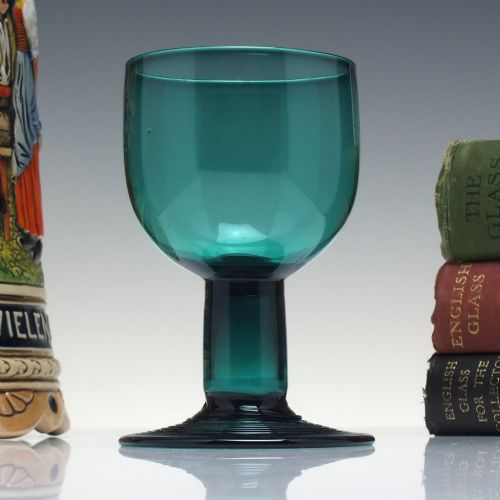
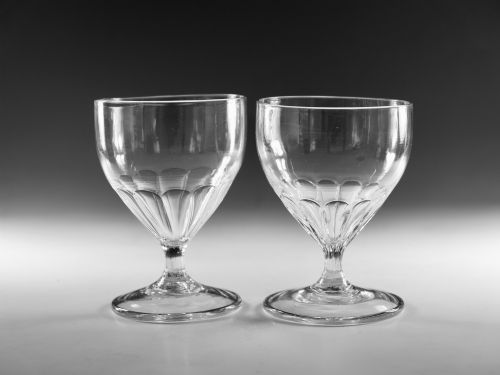
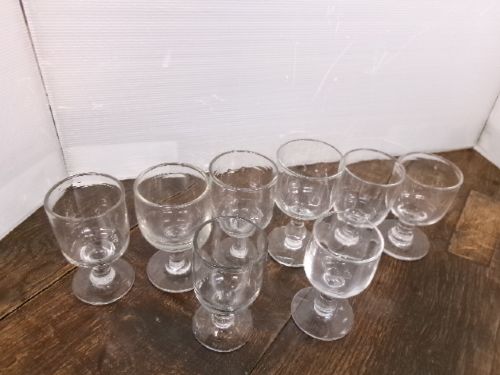
- A sturdy, large-bowled drinking glass popular during the Georgian and Victorian eras for wine, punch, or ale. These vessels typically sit on a short stem and a broad foot.
Antique Wine Stemware: Frequently Asked Questions
What is an opaque twist stem?
An opaque twist stem contains threads of white or coloured enamel glass trapped inside the transparent stem. Makers twisted these threads during fabrication to produce intricate internal spiral patterns.
This technique flourished in England during the mid-eighteenth century and remains a defining characteristic of Georgian drinking vessels.
Can I use antique stemware for dining?
Using these glasses for special occasions is possible, provided they receive careful hand washing and gentle handling. Their age and material composition demand protection from thermal shock and harsh dishwashing detergents.
Many collectors prefer to display them or reserve them for careful toasts to preserve their condition.
What is the difference between a baluster and balustroid stem?
A true baluster stem follows heavy architectural proportions with distinct knops reminiscent of heavy seventeenth and early eighteenth-century furniture supports. Balustroid stems represent a lighter, refined evolution of this form.
Balustroid examples typically feature slimmer profiles while retaining the characteristic knopped silhouette beneath the bowl.