

Victorian Wine Glasses
These Victorian wine glasses bring nineteenth-century colour and weight to the modern table.
Victorian Wine Glasses
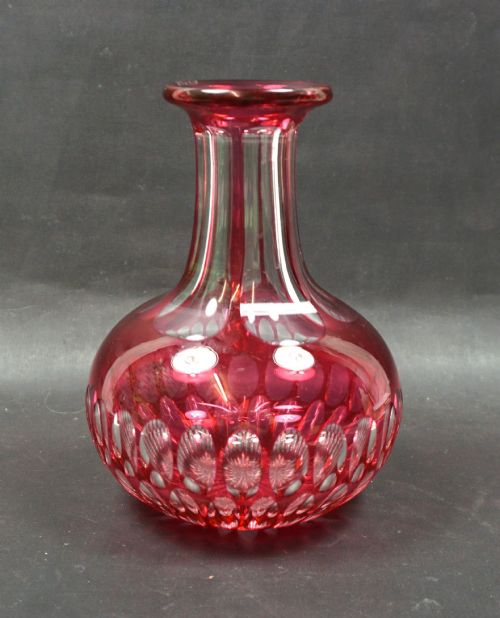
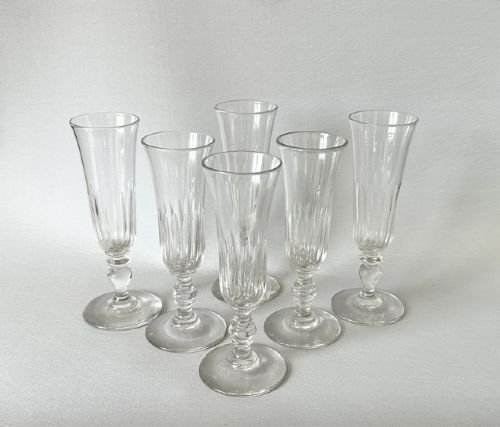
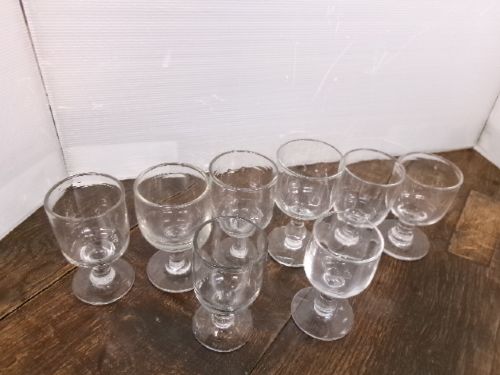
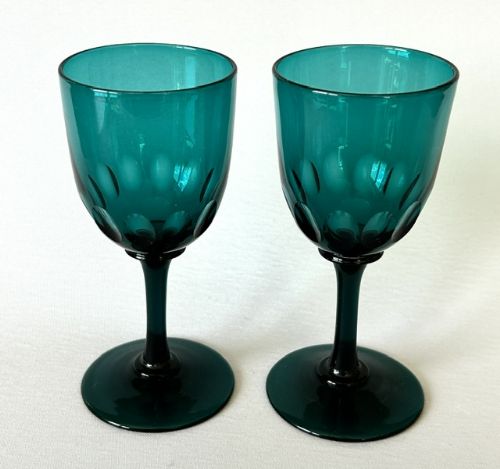
Victorian wine glasses include matched sets, pairs and individual stems produced across the nineteenth century. The selection ranges from richly tinted cranberry and green glass to clear lead crystal.
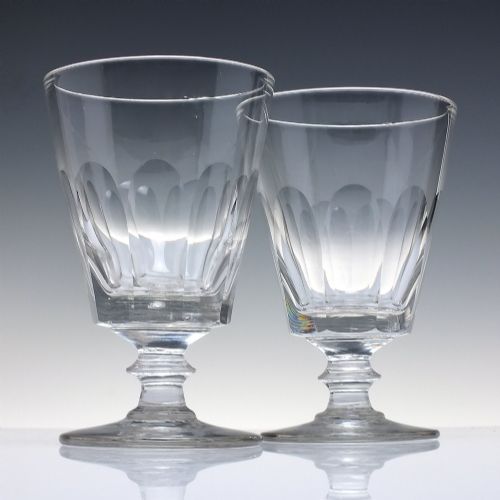
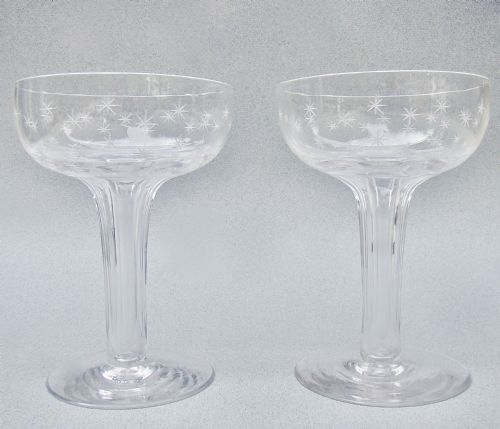
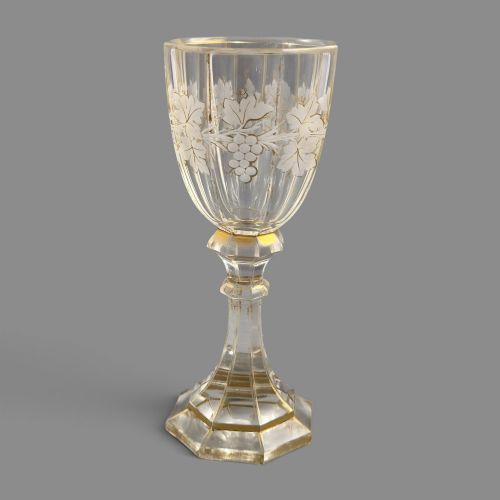
Buyers encounter distinct forms such as heavy-stemmed rummers, star-etched dessert wine glasses and slender flutes. Many examples display wheel-engraving or floral enamel decoration typical of the period.
How they were made
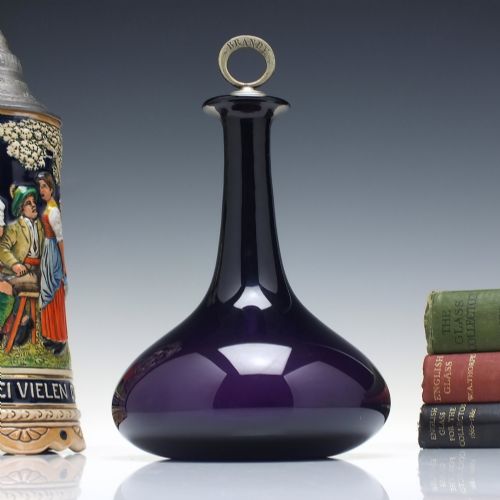
Glassmakers utilised lead crystal and coloured metals, blowing vessels by hand before applying techniques like facet cutting, wheel engraving and gilding. Coloured glass often involved mixing metallic oxides into the batch to achieve deep green, cranberry or amethyst tones.
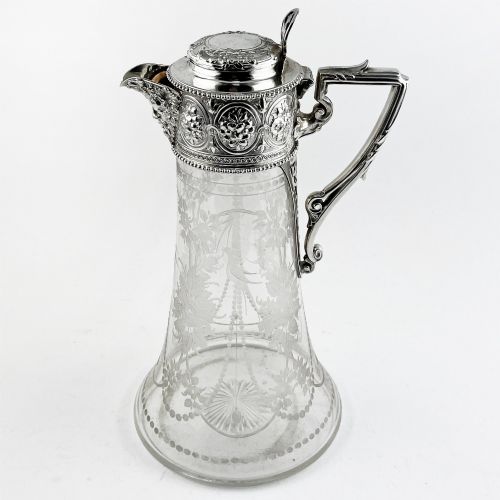
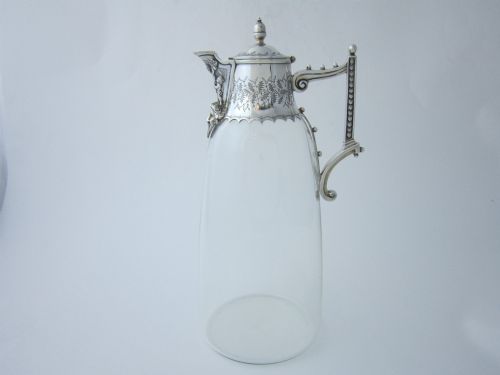
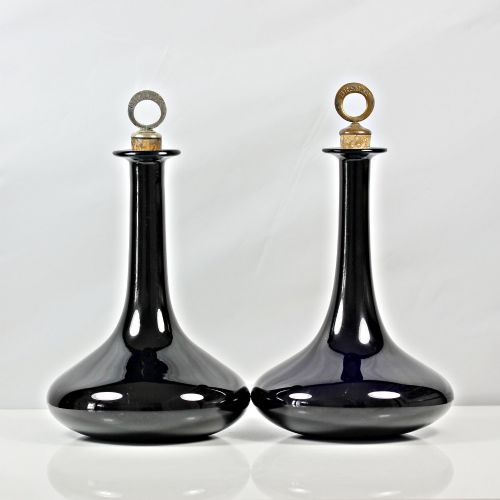
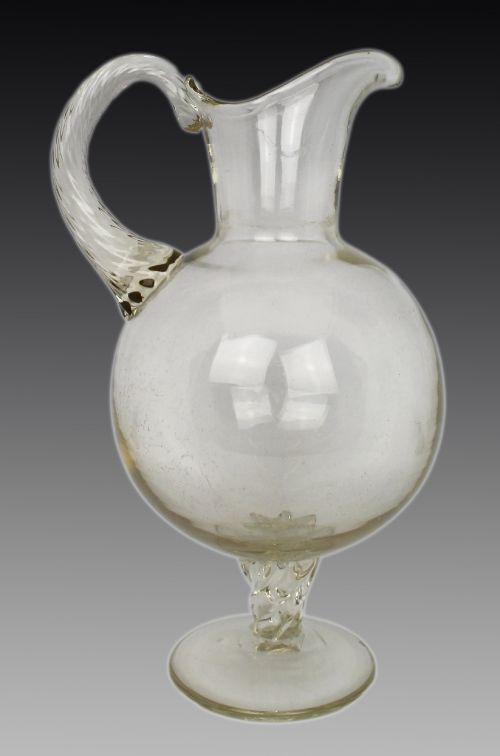
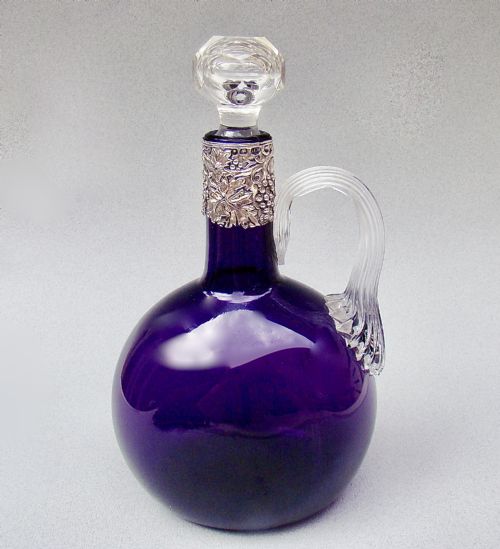
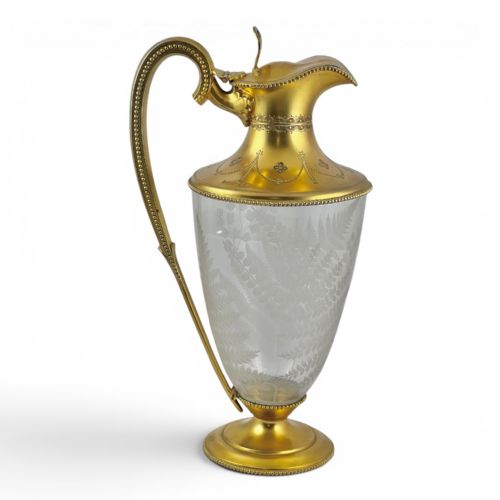
Many pieces incorporate sterling silver or silver-plated mounts, particularly on claret jugs and decanters. These metal mounts were cast, chased and hallmarked by silversmiths to secure handles and collars.
Listings feature lead crystal, cranberry glass and sterling silver across periods from the 1840s to the end of the nineteenth century.
What varies in quality
The clarity and weight of the lead crystal establish the baseline quality of a piece, alongside the precision of the hand-cutting. Deeper, crisper facets reflect light more sharply than shallow or worn polishing.
Decoration level and artistic execution set exceptional stems apart from standard production. Finely detailed wheel-engraving or hand-painted enamel work requires a skilled hand that elevates the finished object.
Asprey and Co. Ltd·Henry Matthews·Moser·Stevens and Williams
The Victorian Wine Glasses Glossary
- Rummer
- A large, sturdy drinking glass originating in the Georgian era and continuing into the Victorian period, often used for ale, cider or wine. These vessels typically feature a short, thick stem and a capacious bowl.
- Cranberry glass
- A rich red glass coloured by the addition of gold chloride to the molten batch. This distinctive tint became immensely popular during the Victorian era for tableware and decorative items.
- Lead crystal
- Glass containing a high proportion of lead oxide, which increases brilliance, weight and workability for cutting. This material allows for deep, sharp facets that refract light intensely.
- Nailsea glass
- A style of glasswork characterised by looped, trailed or speckled coloured patterns beneath a clear layer, traditionally associated with the Nailsea glassworks near Bristol. Authentic pieces display characteristic irregularities from hand-manipulation.
- Römer
- A traditional Germanic wine goblet featuring a wide foot formed from wound glass threads, a hollow cylindrical stem studded with prunts, and a rounded bowl. These pieces frequently appear in amber or green glass with elaborate engraved decoration.
Victorian Wine Glasses: Frequently Asked Questions
Can I use Victorian wine glasses today?
These glasses handle modern dining well provided you treat them with appropriate care. Hand-blown lead crystal and coloured glass carry a reassuring weight and tactile quality that enhances the experience of drinking wine.
Keep in mind that older bowls tend to be smaller than contemporary glassware. Hand washing remains essential after every use to preserve the fragile decoration and mounts.
What colours of glass were popular then?
Victorian makers produced glassware in a wide spectrum of rich tones. Green hues, ranging from deep emerald and Bristol green to pale aqua and vaseline, appear frequently across surviving sets.
Cranberry red, amethyst and amber also feature prominently in nineteenth-century dining rooms. These colours derived from metallic oxides added during the melting process.
How can I date my wine glasses?
Examine the base of the stem for a polished pontil mark, which indicates the vessel was snapped off the blowpipe and ground flat by hand. Pontil scars are common on pieces from the mid-nineteenth century and earlier.
Style, weight and decorative motifs also offer strong clues to the decade of manufacture. Deeper cutting and heavy lead content usually point toward the earlier Victorian years, while late-century pieces often showcase lighter, more delicate etching.