
English Display Cabinet
An English display cabinet holds prized collections behind glass, bringing architectural warmth and refined storage to a traditional interior.
English Display Cabinet
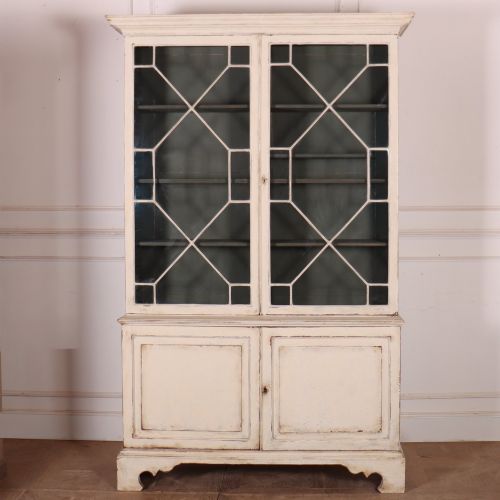
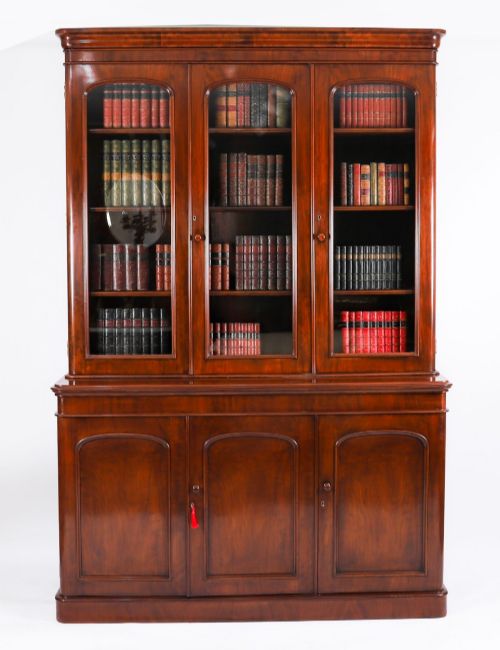
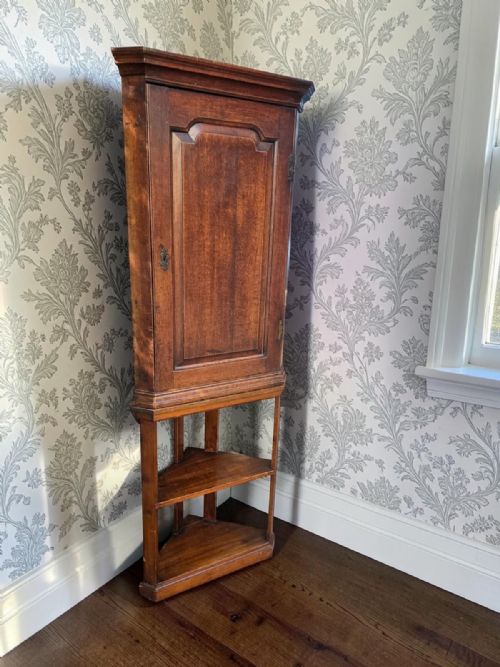
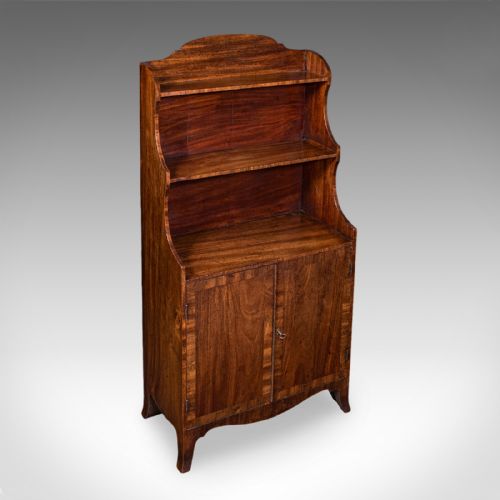
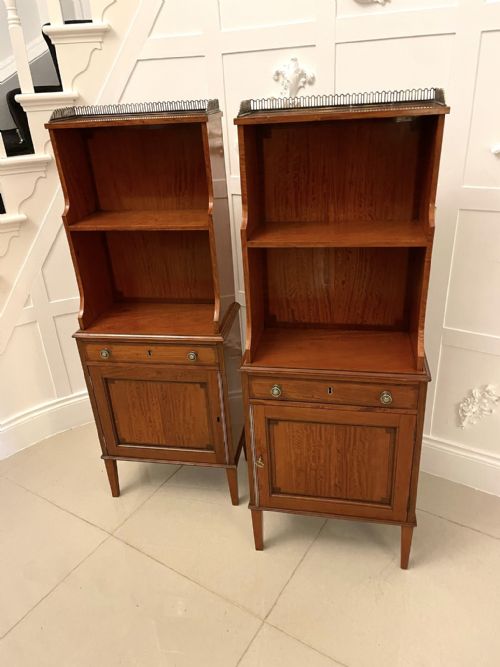
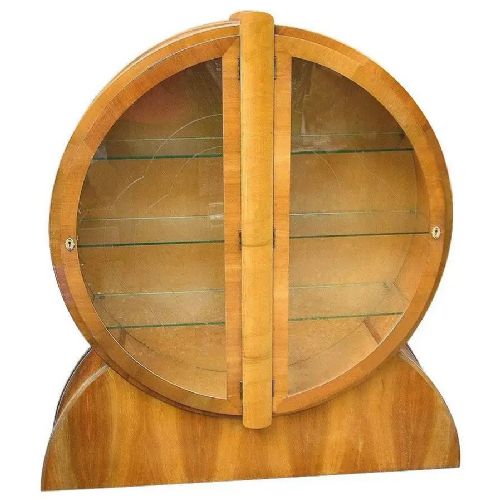
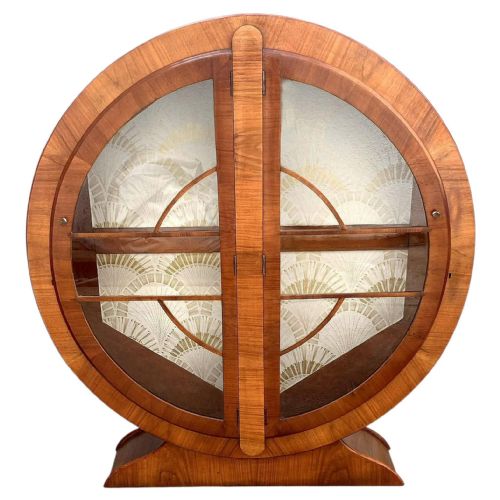
The English display cabinet encompasses everything from tall Victorian library bookcases to slender Edwardian vitrines and striking Art Deco walnut display pieces. When searching for an english display cabinet, buyers encounter architectural corner cupboards, freestanding pier cabinets, and glazed bookcases spanning the Georgian, Regency, and later periods.
Earlier examples often utilise solid mahogany, oak, or satinwood with astragal glazing bars framing the upper doors. Later iterations embrace the sweeping curves of the 1930s, utilising blonde walnut and figured veneers to showcase porcelain and decorative objects.
Corner units and wall-hanging formats serve smaller spaces, while double pier cabinets and multi-tiered bookcases anchor larger drawing rooms. Each form reflects the changing domestic priorities of British interiors across three centuries.
Materials and Construction
Cabinetmakers relied on dense hardwoods such as mahogany, walnut, oak, and satinwood, often accentuating the grain with boxwood stringing or intricate marquetry inlay. Pine served as a sturdy secondary timber for interior shelving and carcases.
Glass panels were secured with wooden glazing bars or bronze framing, while brass hardware, including locks and hinges, added functional detail to doors and cupboards. Hand-polished wax finishes brought out the natural warmth of the timber without obscuring the grain.
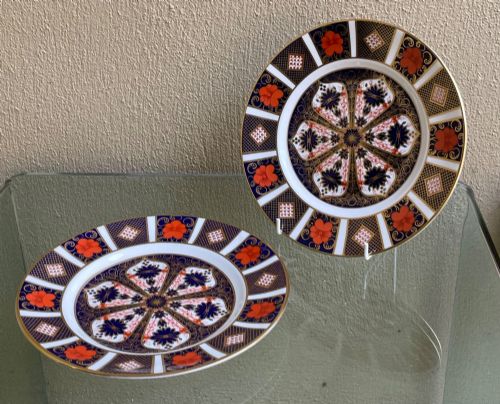
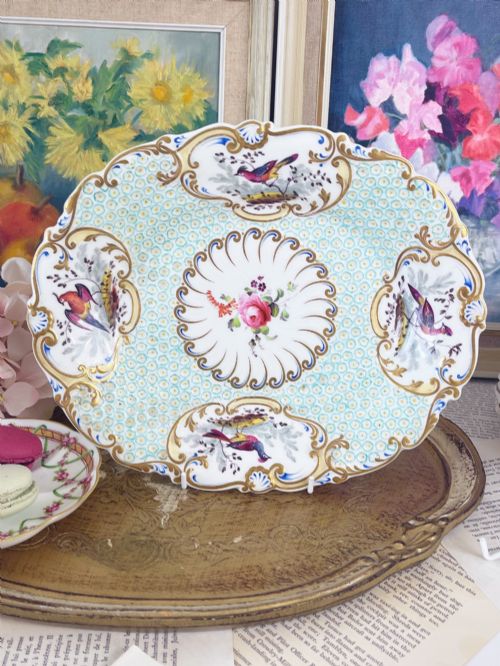
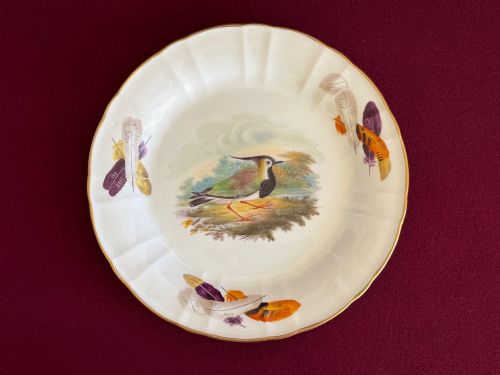
Listings span the eighteenth, nineteenth, and twentieth centuries, incorporating oak, mahogany, porcelain, and bronze materials across various display formats.
Craftsmanship and Proportion
Superior examples display balanced proportions, crisp timber inlay, and tightly fitted mortise and tenon joints that withstand decades of use. The choice of veneer plays a significant role, with figured walnut and flame mahogany marking the upper tier of production.
Original glass panels, functioning locks with matching keys, and untouched patination elevate a piece significantly above utilitarian or later altered alternatives. The integration of fine carving and meticulous brass detailing distinguishes bespoke workshop commissions from standard production furniture.
Royal Crown Derby·H and R Daniel·Wedgwood·Newhall·Bow Porcelain·Royal Worcester·Gillows·Spode·Minton·Golding and Son
The English Display Cabinet Glossary
- Astragal glazing
- A slender wooden moulding used to divide glass panes within a cabinet door. These bars form geometric or curved patterns characteristic of Georgian and Regency joinery.
- Vitrine
- A glass-fronted display cabinet designed specifically for the presentation of porcelain, glass, and curiosities. The term gained widespread currency during the Victorian and Edwardian periods.
- Pier cabinet
- A low, freestanding display cupboard built to occupy the narrow wall space between windows. They frequently feature glazed doors and walnut or rosewood veneers.
- Marquetry
- The art of applying decorative veneer pieces to a structural surface to form pictorial or geometric patterns. Cabinetmakers utilised contrasting woods like boxwood and satinwood to achieve striking visual depth.
- Whatnot
- An open-shelved display stand with multiple tiers supported by slender columns. Victorians utilised these pieces for holding books, ornaments, and small collections.
English Display Cabinet: Frequently Asked Questions
What is an english display cabinet?
An english display cabinet is a glazed wooden furniture piece designed to protect and exhibit decorative objects, books, or porcelain. These items range from tall nineteenth-century library bookcases to compact Edwardian pier cabinets.
Craftsmen built them using native and imported hardwoods like mahogany, oak, and walnut, incorporating glass doors to keep dust away from delicate collections.
How do I date an antique cabinet?
Dating relies on examining the timber species, construction methods, hardware, and stylistic motifs. Georgian pieces often feature hand-cut dovetails and astragal glazing, while Art Deco examples showcase blonde walnut and curved glass.
Secondary woods like pine or oak inside drawers and carcases also provide vital clues regarding the period of manufacture.
Where should I place a corner cabinet?
Corner cabinets make efficient use of unused angles in dining rooms, hallways, and drawing rooms. Tall standing versions anchor a room's geometry, while wall-hanging models sit comfortably above sideboards.
Their triangular footprint allows them to introduce display space without obstructing movement in compact interiors.
How do I care for antique wood?
Maintain antique timber by keeping it away from direct sunlight and sudden temperature shifts that can cause splitting. Regular dusting with a soft, dry cloth preserves the polished surface.
Applying a traditional beeswax polish occasionally nourishes the wood and maintains its natural lustre without building up heavy residue.