
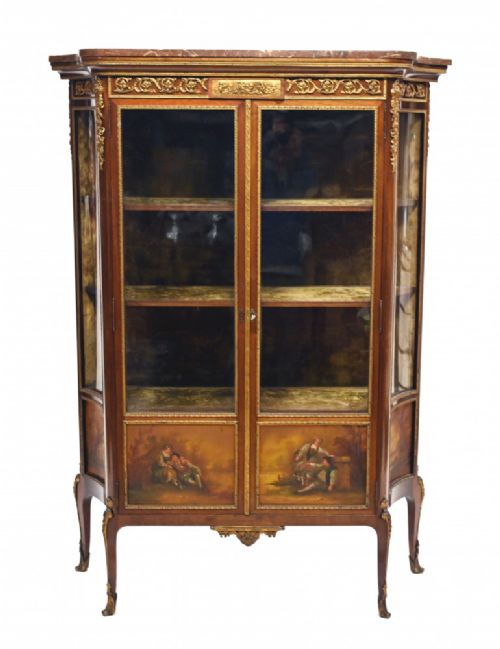

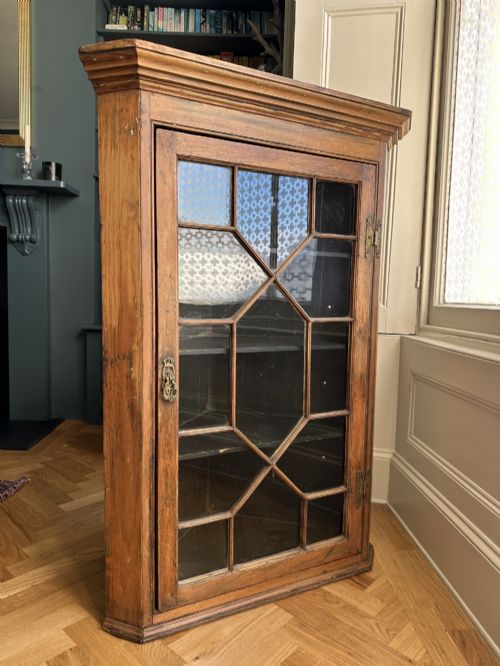
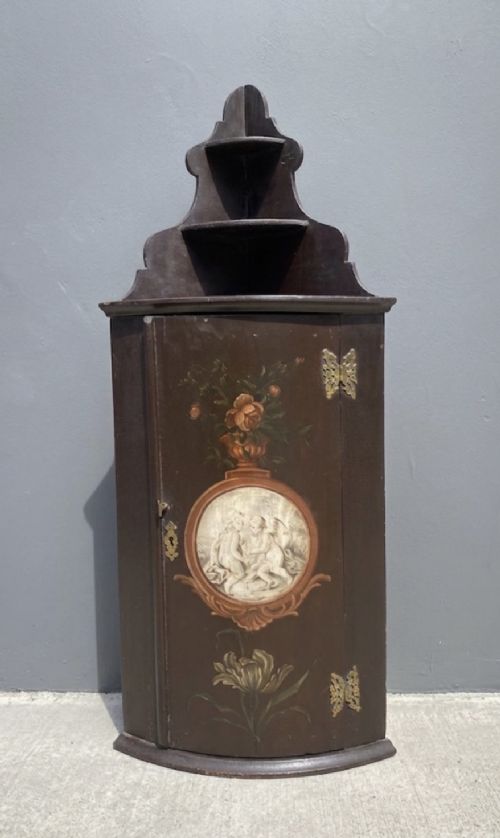
Painted Wood Display Cabinet
A painted wood display cabinet brings colour and refined storage into a room, holding ceramics and books behind glass panels.
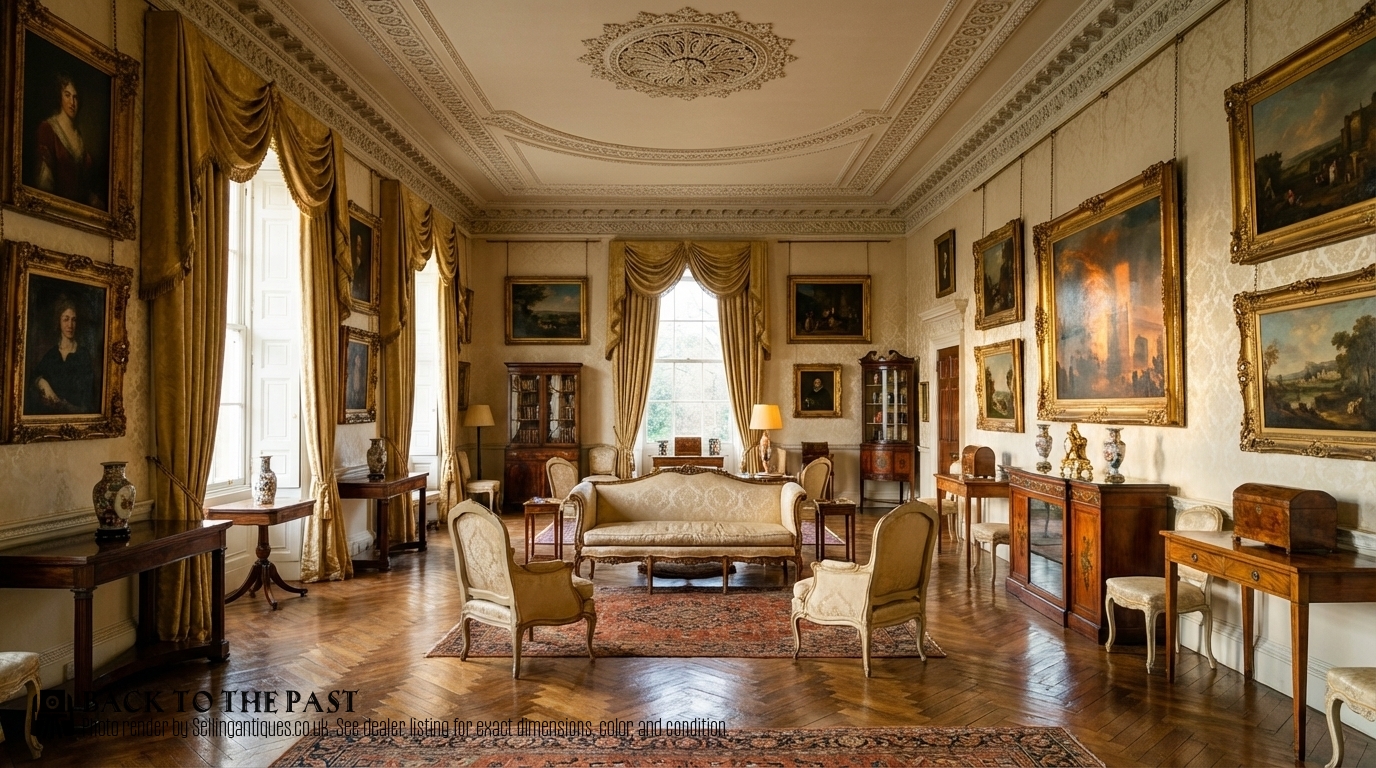
Painted Wood Display Cabinet
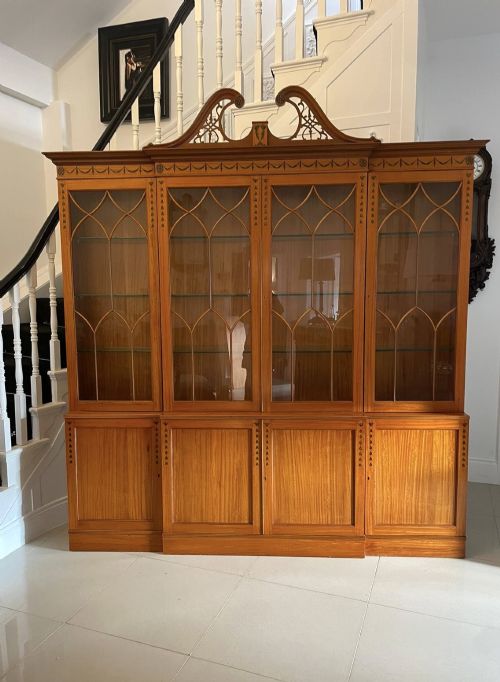
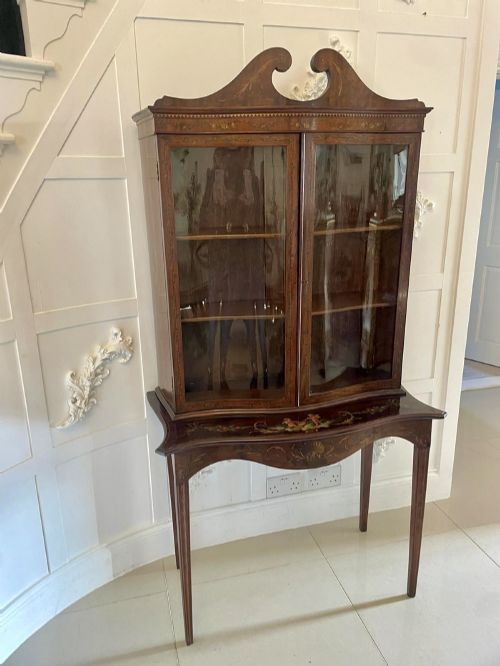
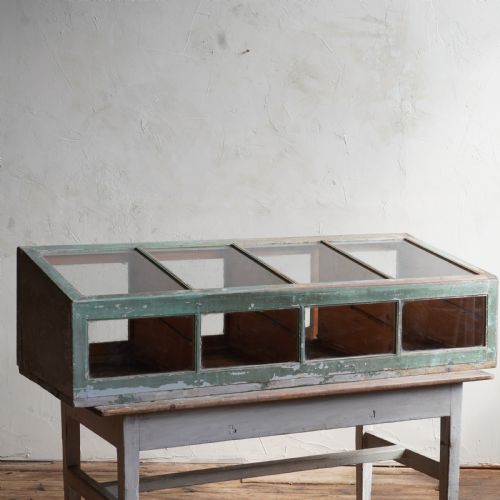
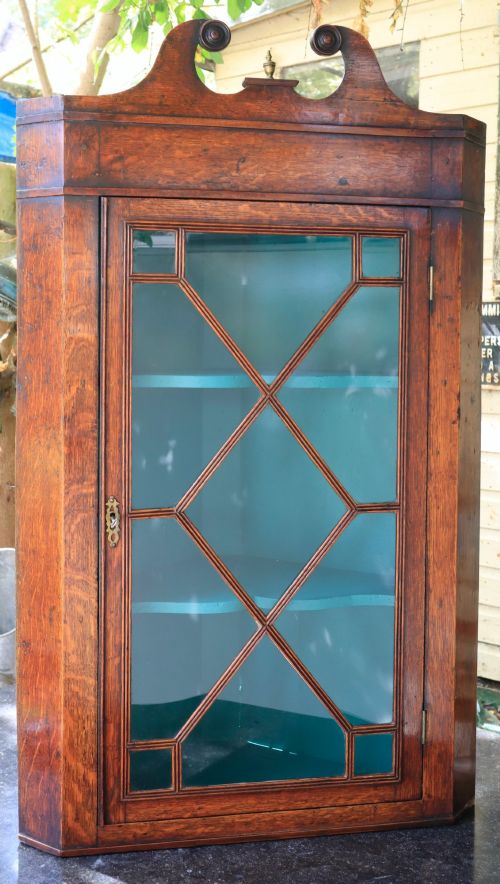
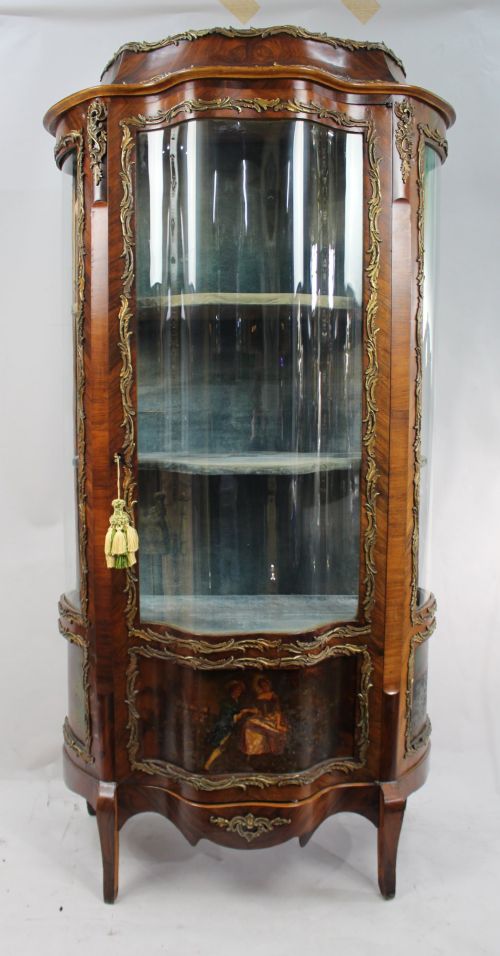
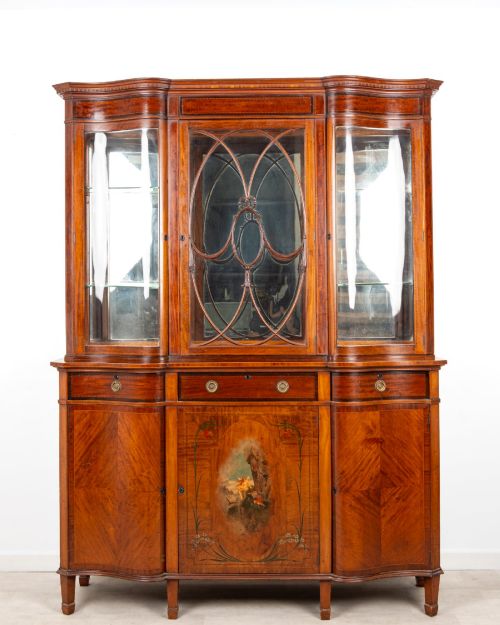
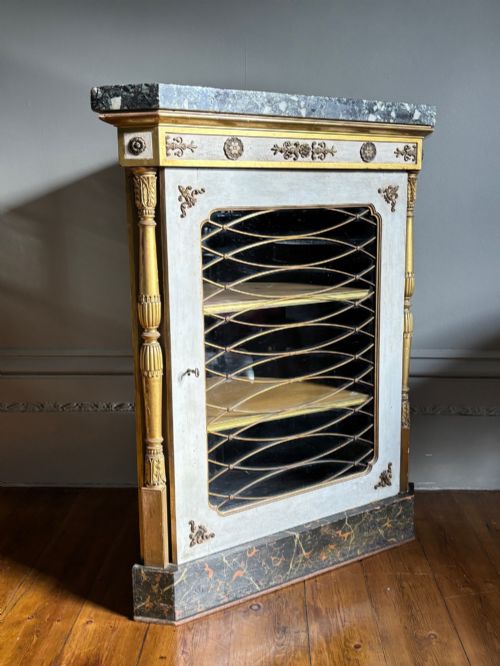
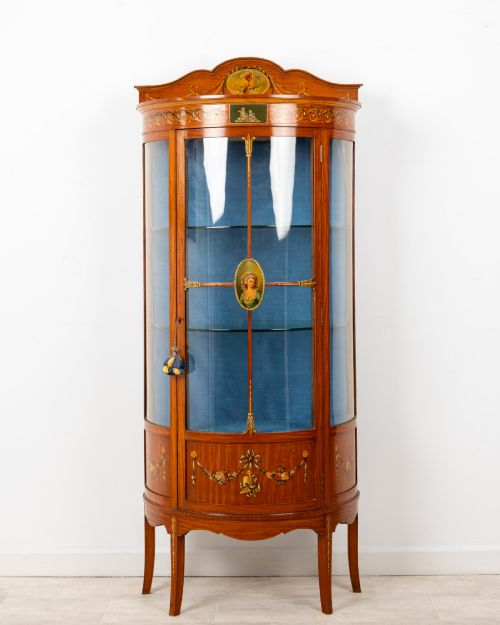
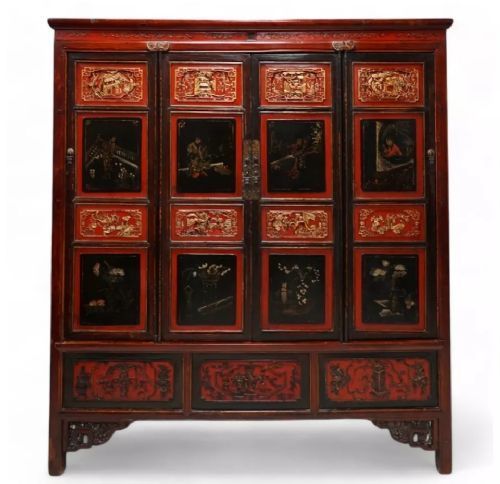
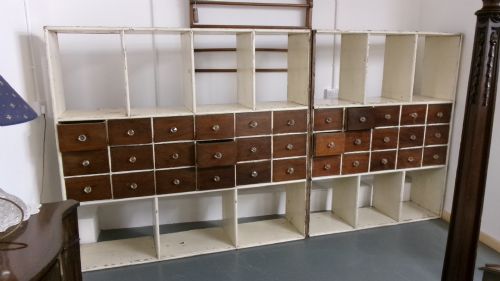
A painted wood display cabinet combines timber construction with decorative painted surfaces to exhibit objects inside a room. These pieces range from compact corner cupboards and wall-hanging vitrines to large breakfront bookcases and freestanding cabinets originating across the nineteenth and early twentieth centuries.
The selection includes specific regional forms such as Swedish Gustavian cupboards, French serpentine vitrines, and Chinese lacquer cabinets. Many examples utilise traditional satinwood or mahogany enriched with original painted decoration, neoclassical motifs, or Chinoiserie scenes.
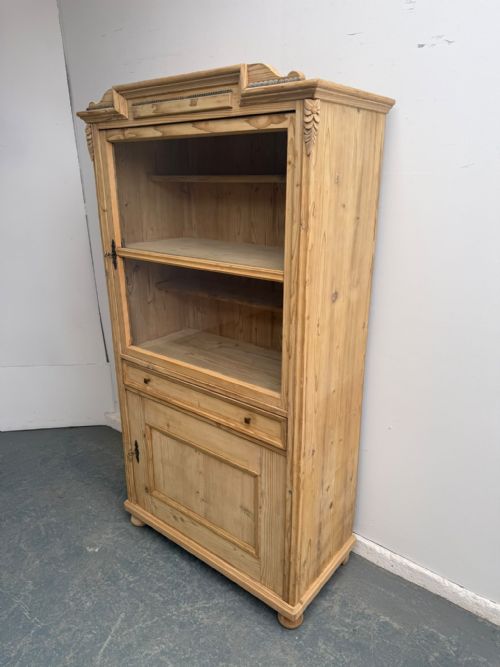
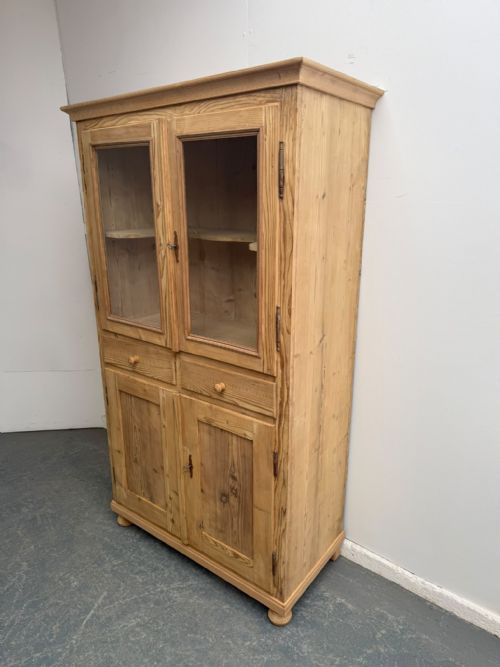
Buyers frequently encounter Edwardian satinwood pieces and Victorian mahogany designs alongside pine items prepared with painted finishes. The primary function remains the exhibition and protection of collections behind glazed doors.
How they were made
Cabinet makers utilised solid timbers such as mahogany, pine, walnut, and satinwood, frequently applying veneers to create smooth surfaces for subsequent painting. Construction involved traditional joinery methods, incorporating glazed panels of glass held by wooden glazing bars or astragals.
Surface decoration relied on skilled brushwork, employing techniques like Vernis Martin, hand-painted floral motifs, or simulated rosewood effects. Brass hardware, including hinges, locks, and handles, completed the structural assembly.
One curious offering includes a taxidermy display case featuring Eurasian jays from the Victorian natural history era.
What varies in quality
The sophistication of the painted decoration determines much of the distinction between pieces, ranging from simple distressed finishes to intricate neoclassical motifs and detailed Chinoiserie scenes. Originality of the painted surface significantly impacts the character and integrity of the cabinet.
The choice of underlying timber and the precision of the glazing, such as astragal bars on breakfront doors, signal the level of craftsmanship involved. Well-executed joinery and intact glass elements separate standard utility storage from refined parlor furniture.
The Painted Wood Display Cabinet Glossary
- Astragal
- Moulding strips that divide panes of glass within a glazed door or window. These thin wooden bars add structural support while creating geometric patterns across the cabinet front.
- Vitrine
- A glass-fronted cabinet designed specifically for displaying fine porcelain, curiosities, or objects of art. They often feature glass sides to allow light to enter from multiple angles.
- Breakfront
- A piece of furniture where the central section projects forward from the flanking outer sections. This architectural arrangement creates depth and visual variety in large bookcases and display cabinets.
- Vernis Martin
- A type of simulated Japanese lacquer developed in eighteenth-century France and emulated later. This decorative varnish technique produced glossy, translucent metallic finishes often featuring oriental scenes.
- Chinoiserie
- European interpretations of Chinese and East Asian artistic styles, popular in painted furniture decoration. The technique depicts imaginary landscapes, pavilions, and figures using delicate brushwork.
Painted Wood Display Cabinet: Frequently Asked Questions
What is a painted wood display cabinet used for?
These cabinets serve to exhibit and protect collections of ceramics, glassware, books, and decorative objects within domestic interiors. The glass doors and shelves keep dust away while allowing items to remain fully visible.
Historically, they occupied drawing rooms, libraries, and parlours to showcase the refined tastes of the household. Today, they continue to function as prominent focal points for personal collections in modern living spaces.
How do I care for a painted cabinet?
Maintenance requires gentle dusting with a soft, dry cloth to protect the painted and varnished surfaces from moisture and abrasive particles. Avoid placing wooden furniture in direct sunlight or near heat sources to prevent timber movement and paint cracking.
Applying wax polish should be done sparingly and only on unpainted wooden sections, taking care not to disturb delicate historical painted decoration or lacquer.
How can I tell the period of a cabinet?
Dating relies on examining the timber species, construction techniques, and decorative styles characteristic of specific eras such as the Victorian or Edwardian periods. For instance, satinwood with neoclassical painted motifs frequently points toward the late nineteenth or early twentieth century.
Hardware such as brass locks, hinges, and the type of glass used also provide reliable clues to the manufacturing date. Comparative examination of form and regional traits helps narrow down the origin.
Where should I place a display cabinet?
Positioning these pieces against interior walls away from direct sunlight protects both the timber structure and the painted decoration from fading. Adequate room lighting helps illuminate the interior shelves and enhances the visibility of the displayed collection.
Corner cabinets fit neatly into unused angles of a room, while large breakfront bookcases require substantial wall space to display their proportions effectively.