
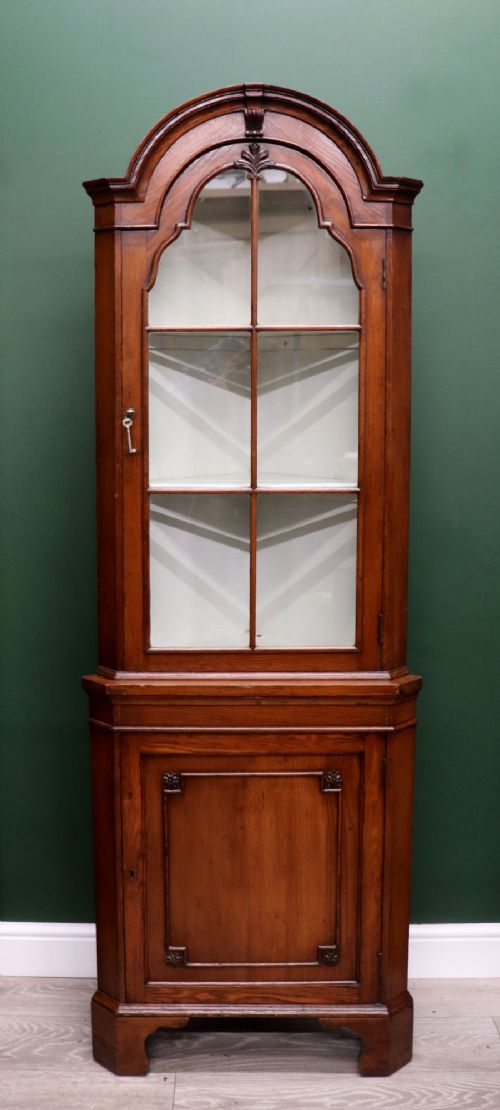
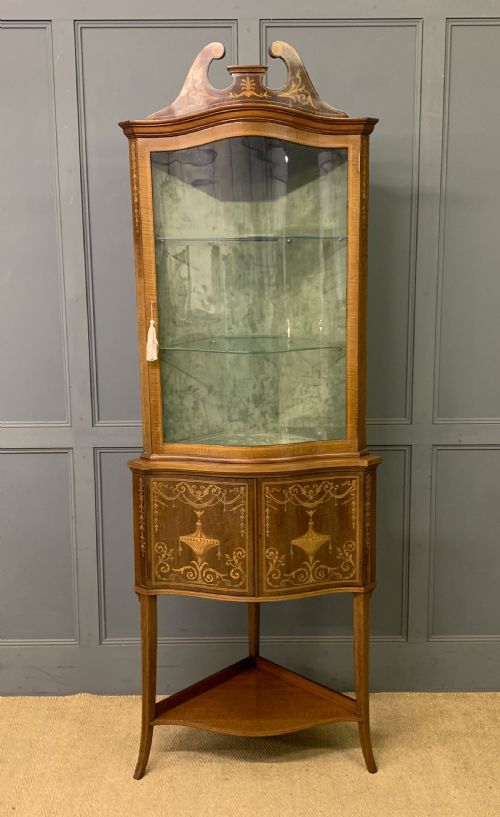


Standing Corner Vitrine
A standing corner vitrine offers an elegant method for displaying treasured objects while making use of unutilised room angles.
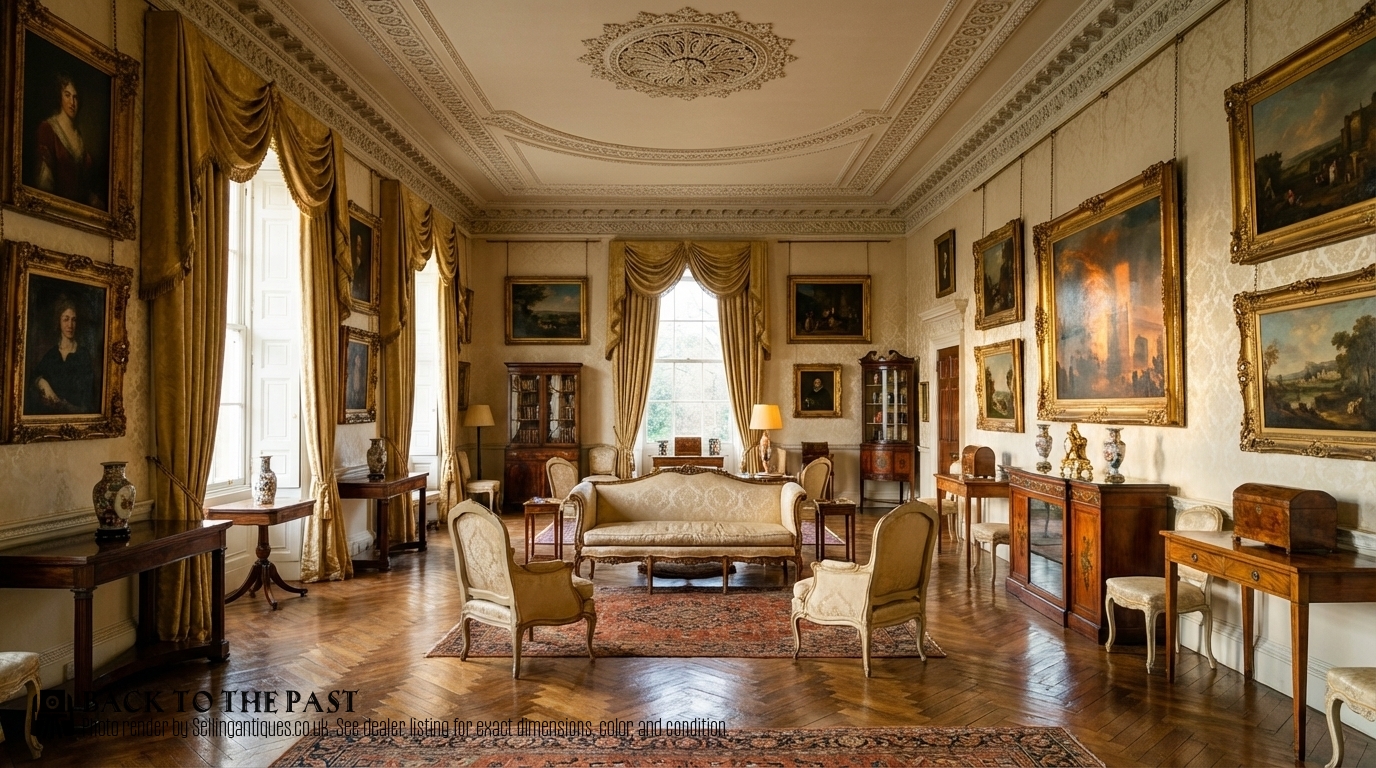
Standing Corner Vitrine
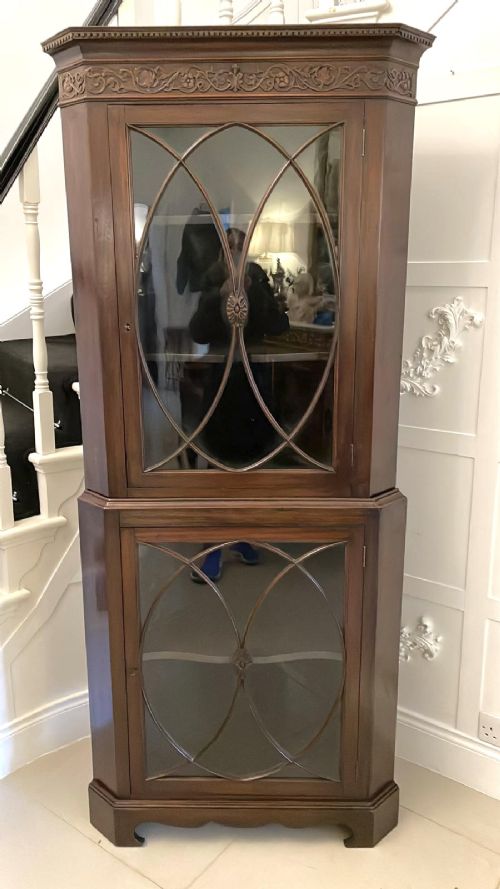
A standing corner vitrine is a glazed display cabinet designed to fit neatly into the angle of a room. The pieces recorded here span several centuries, reaching from the eighteenth century through the Georgian and Victorian eras into the Edwardian period and nineteen-thirty.
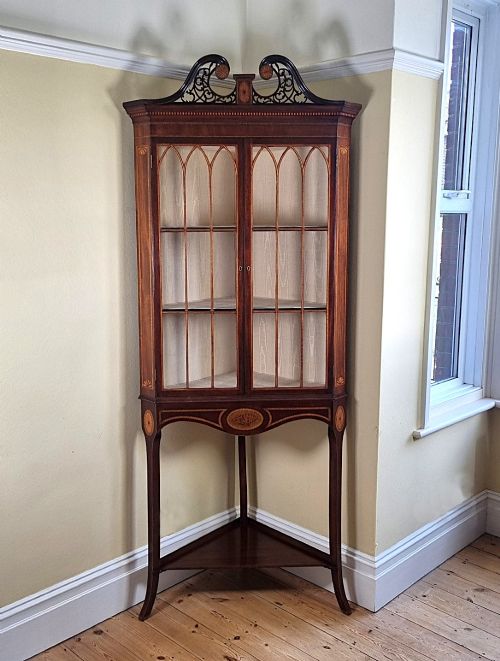
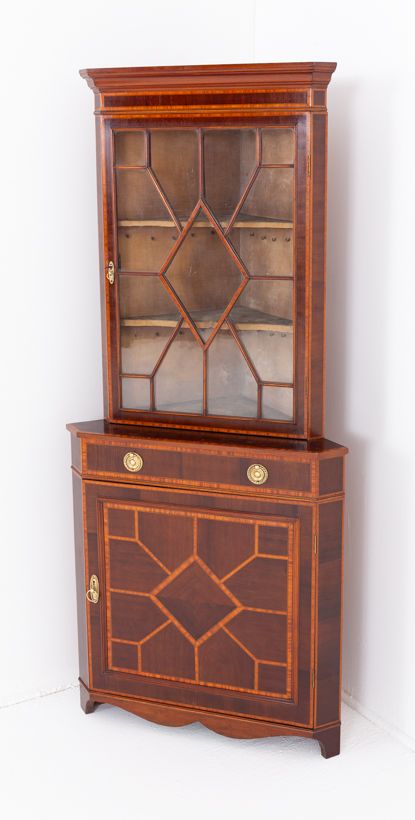
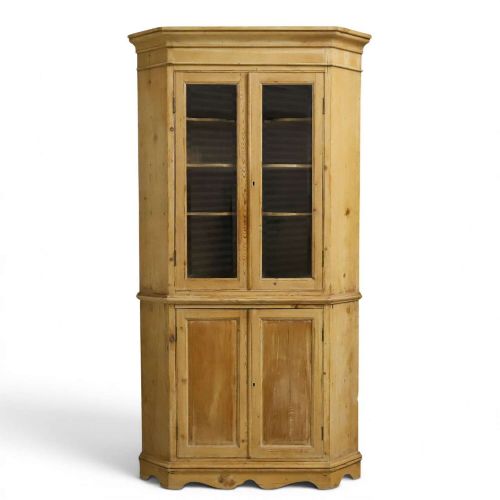
Buyers encounter various forms, including two-part cabinets, double-height cupboards, and display units on stands. The dominant timber across the selection is mahogany, frequently enriched with satinwood, boxwood inlay, and marquetry.
Stylistic influences range from classic Georgian and George II designs to Sheraton Revival, Queen Anne Revival, and eighteenth-century Dutch interpretations. These tall display pieces combine practical storage with glazed panels to showcase collections of small objects.

How they were made
Cabinet makers constructed these standing corner vitrines primarily in solid mahogany, walnut, oak, and pine, often incorporating delicate satinwood and boxwood veneers. Glazing methods varied from simple rectangular panes to fine astragal bars that divided the glass into geometric patterns.
Surface decoration frequently relied on contrasting timber inlays and elaborate marquetry work to accent the doors and cornices. Brass hardware such as hinges and escutcheons completed the construction of these substantial corner units.
Standing Corner Vitrine Retail Price Guide 2026
Typical asking prices for standing corner vitrine among the pieces listed under this phrase on Sellingantiques today, from the lower quarter to the upper quarter. They describe what is for sale here now, not the wider market.
Early cabinet makers ensured these corner units fit snugly by relying on the builder to plane the back boards to match slightly crooked historical walls.
What varies in quality
The refinement of the timber selection and the precision of the inlay work largely determine the standing of each piece. Cabinets featuring finely executed astragal glazing and harmonious proportions demonstrate superior craftsmanship compared to simpler utility cupboards.
The integration of original brass fittings and the crispness of carved details further distinguish finer examples. Structural integrity in the corner joints and the stability of two-part forms dictate the enduring reliability of the cabinet.
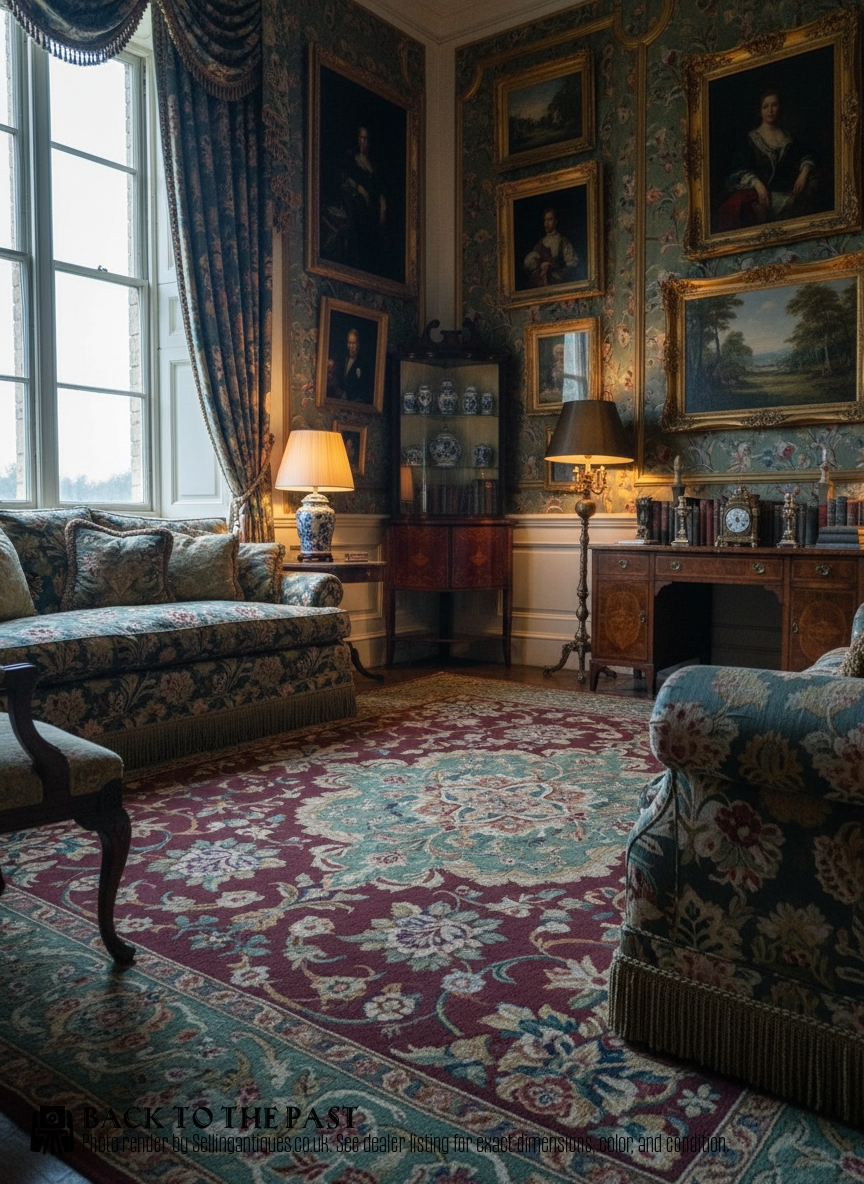
Edwards And Roberts
The Standing Corner Vitrine Glossary
- Astragal glazed
- A method of framing glass windows with narrow wooden bars arranged in geometric or curving patterns. This technique provides structural support while adding decorative elegance to cabinet doors.
- Marquetry
- The art of applying pieces of veneer to a structure to form decorative patterns and pictures. Craftsmen utilise various coloured timbers to create intricate floral or geometric designs.
- Serpentine shaped front
- A furniture front characterised by a gentle convex curve flanked by two concave curves. This undulating profile demands high skill from the cabinet maker.
- Two-part form
- A piece of furniture constructed in two distinct sections, usually a top display cabinet resting upon a lower base or cupboard. This design aided transportation and placement in domestic interiors.
- Satinwood inlay
- A contrasting light-coloured exotic wood set into the primary timber surface to create decorative borders and motifs. It brings brightness and visual depth to dark mahogany carcases.
Standing Corner Vitrine: Frequently Asked Questions
Where should I place a corner vitrine?
These cabinets suit awkward room angles that standard rectangular furniture leaves empty. Positioning them away from direct sunlight protects both the timber finish and the objects displayed inside.
Ensure the floor surface is level so the tall structure remains stable against the walls. They work well in dining rooms, drawing rooms, or hallways where vertical display space is needed.
How do I care for mahogany surfaces?
Dust the timber regularly with a soft, dry cloth to prevent a buildup of grit. Avoid using silicone-based polishes, as they can damage the traditional polish finish over time.
Maintain a stable room humidity to prevent the timber from warping or the veneer from lifting. Occasional application of quality wax helps nourish the wood and preserves its natural sheen.
Can I adjust the internal shelves?
Many historical corner cabinets feature fixed wooden shelves that were integrated into the original carcase construction. Altering them can compromise the structural rigidity of the tall frame.
If the piece uses modern adjustable shelf supports added during restoration, care must be taken not to overload them with heavy ceramics or glass.
How do I distinguish Georgian from Edwardian examples?
Georgian pieces generally display heavier timber scantlings, hand-cut joinery, and simpler structural proportions dictated by eighteenth-century workshop practices. The glass panes are often smaller and held within thicker wooden glazing bars.
Edwardian revivals frequently incorporate machine-cut veneers, lighter satinwood inlay, and brighter surface finishes typical of nineteen-hundred manufacturing methods. Cabinetmakers of this later era looked back to eighteenth-century Sheraton and Hepplewhite styles for inspiration.
Are two-part cabinets easy to move?
The two-part construction allows the upper display section to separate from the lower cupboard base for easier transport. This modular design was originally intended to help negotiate narrow staircases and tight Georgian doorways.
When reassembling the cabinet, check that both sections align correctly and sit firmly against the corner angle before loading the shelves.