


English Ceramic Urns
English ceramic urns are classical decorative vessels in porcelain, ironstone and earthenware, offering refined form and hand-painted detail for domestic display.
English Ceramic Urns
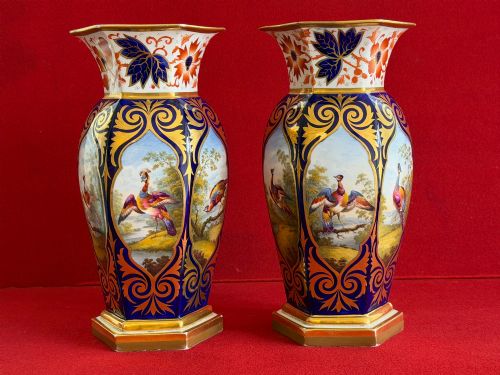
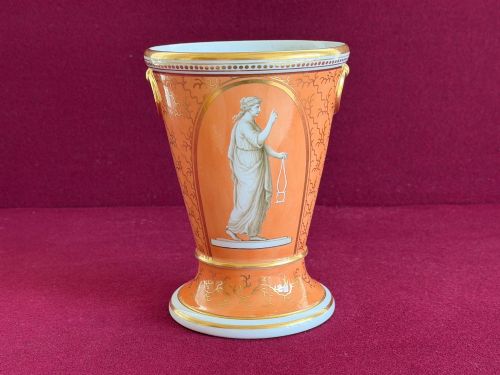
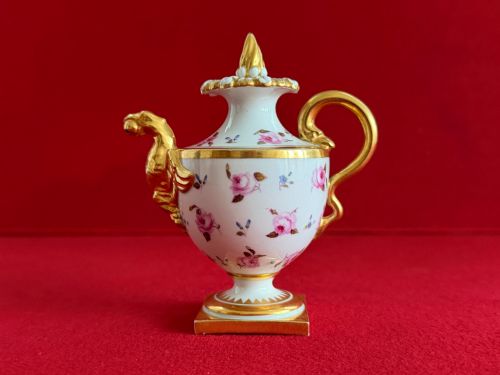
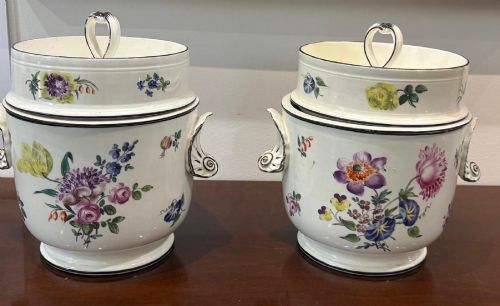
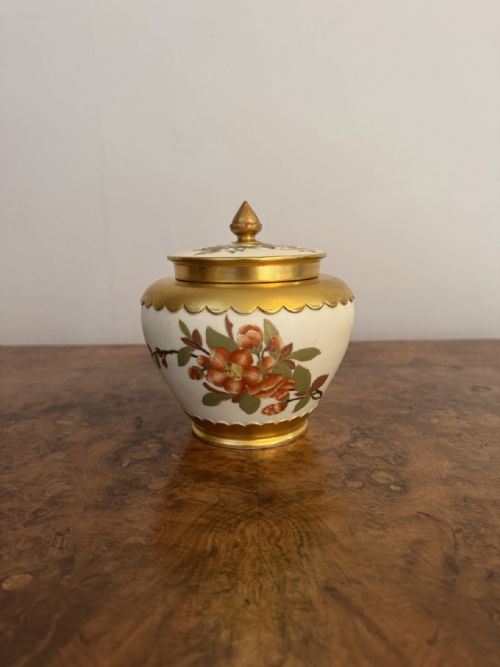
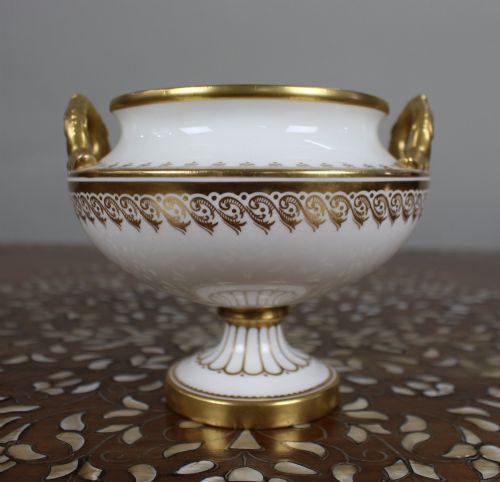
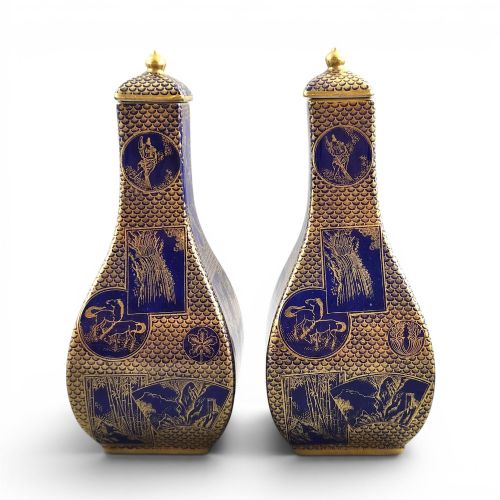
When seeking english ceramic urns, collectors encounter pieces spanning the eighteenth, nineteenth and early twentieth centuries, encompassing Georgian, Regency, Victorian and Edwardian eras. These range from campana-shaped garden and display urns to lidded potpourri jars, ice pails, jardinières and twin-handled mantel vases.
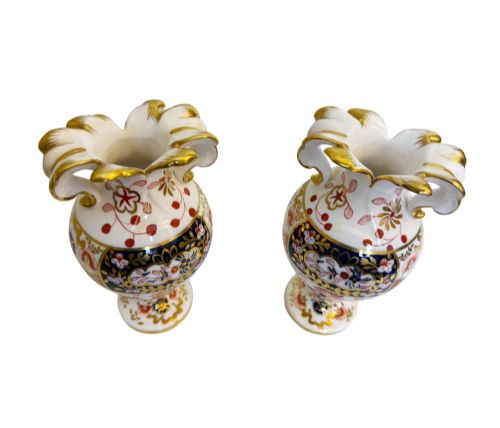
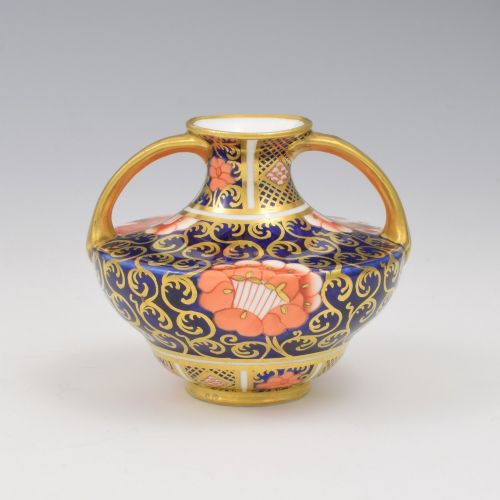
The most common forms seen in these listings are porcelain and ironstone vessels carrying Neoclassical influences, Imari patterns or floral motifs. Many were produced by prominent factories such as Royal Worcester, Derby and various Worcester iterations.
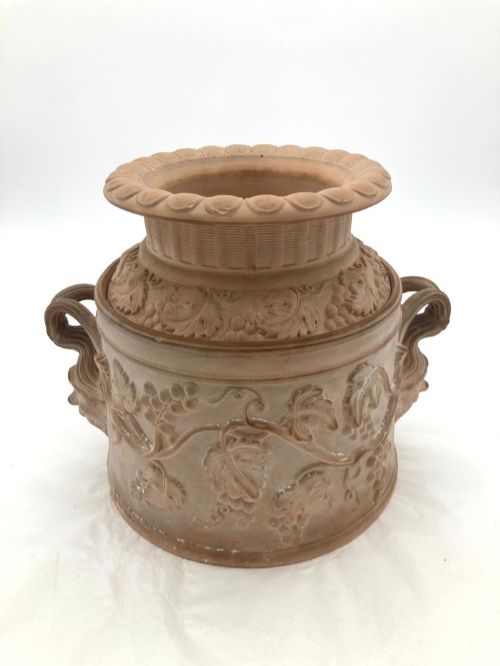
Beyond formal urns, the category extends to decorative vases and wine coolers created for functional display in period interiors. The survivals demonstrate a steady evolution from eighteenth-century soft-paste porcelain toward robust nineteenth-century ironstone and later art pottery.
How They Were Made
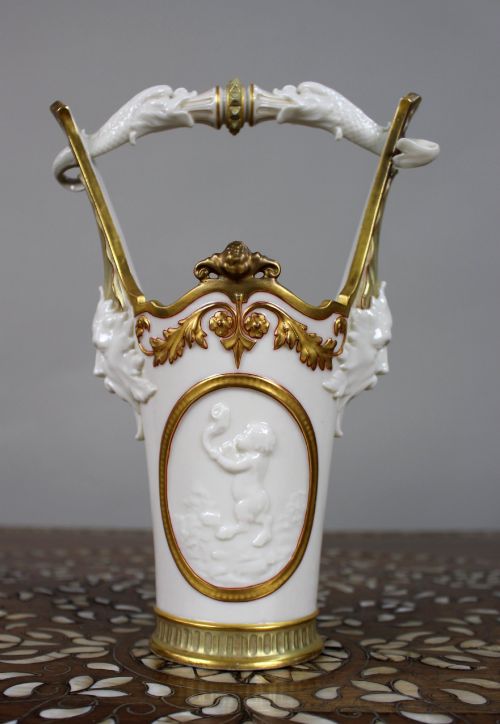
Makers utilised porcelain, earthenware, creamware and ironstone, shaping them into handled urns, campana vases and lidded jars through throwing or moulding. Bodies were often finished with intricate glazes, enamel colours and applied gold leaf or heavy gilding.
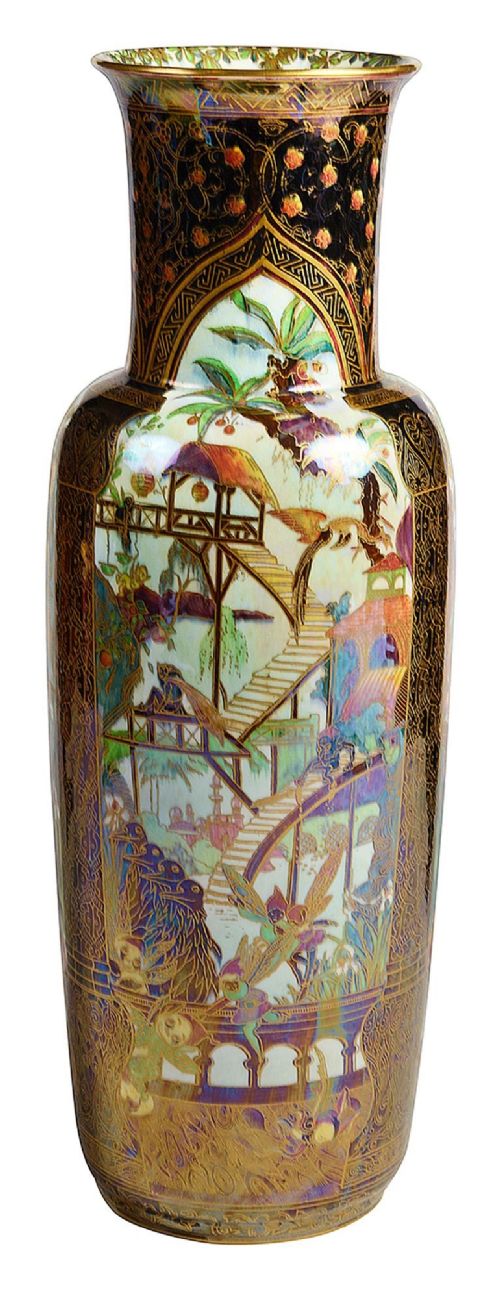
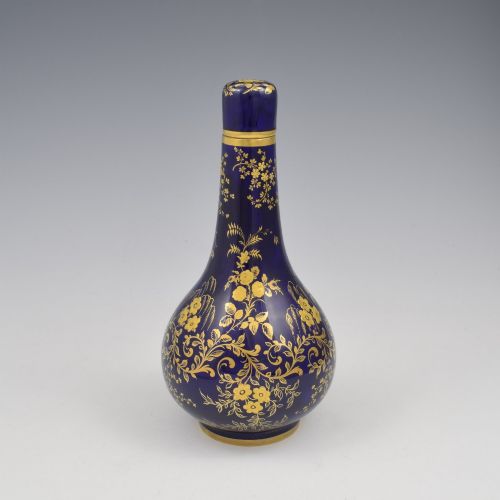
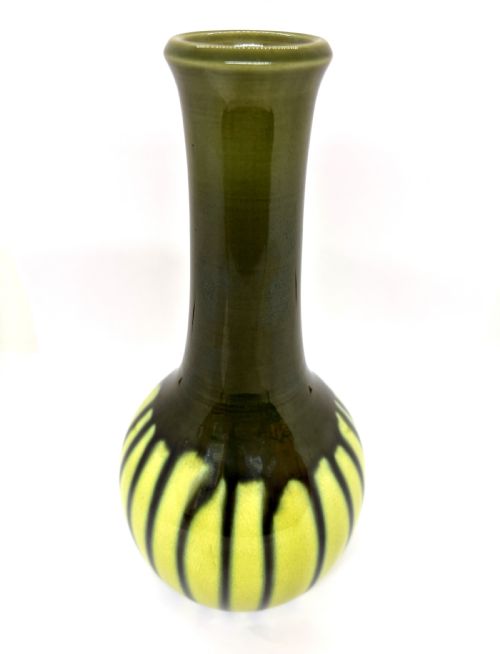
Decoration relied heavily on hand-painted botanical studies, exotic birds, Watteau scenes and transfer printing, frequently fired multiple times to fix rich blue grounds and enamel palettes. Later Victorian and art pottery examples introduced copper effects, lustre finishes and jewelled cabochons.
Listings feature periods spanning from the eighteenth century through the 1920s, with a strong concentration of nineteenth-century porcelain and ironstone.
What Varies in Quality
Quality rests upon the crispness of the moulding, the precision of the hand-painting and the ambition of the gilding. Pieces bearing the hands of documented artists or originating from premier workshops display superior control over enamel firing and detailing.
The retention of original covers, matching twin handles and unblemished gilt grounds elevate a piece above standard domestic wares. Artistry in secondary decorative elements, such as intricate floral reserves or hand-signed panels, distinguishes the finest examples from mass production.
Flight Barr And Barr·Royal Worcester·Davenport·Wedgwood·Spode·Royal Crown Derby·Chamberlain Worcester·Bretby Pottery·Shelley·Doulton Lambeth·Hicks And Meigh·Derby·Coalport·H And R Daniel·Ridgeways
The English Ceramic Urns Glossary
- Ironstone
- A dense, durable ceramic developed in the nineteenth century as a robust alternative to porcelain. It readily accepts transfer printing and rich enamel grounds.
- Creamware
- A fine earthenware characterised by its pale yellow or cream-coloured glaze. Developed in the eighteenth century, it became a staple of English table and decorative wares.
- Imari
- A decorative style inspired by Japanese export porcelain featuring deep cobalt blue, iron red and gilt ornamentation. English factories frequently adapted this palette for porcelain urns and vases.
- Jardiniere
- An ornamental pot or stand designed to hold live plants or flowers. They appear in porcelain and art pottery across the Victorian and Edwardian periods.
- Lustre
- A metallic ceramic glaze that creates an iridescent, reflective surface. It was utilised by makers to achieve shimmering copper or polychrome effects.
English Ceramic Urns: Frequently Asked Questions
How were urns used in period homes?
English ceramic urns served primarily as decorative garniture on mantelpieces, sideboards and pedestals. Many utilitarian forms like ice pails and wine coolers doubled as display pieces when not in active dining use.
Larger lidded jars often held dried rose petals and spices for potpourri, scenting the formal rooms of Georgian and Victorian townhouses.
Are these urns waterproof?
While many ceramic and porcelain urns can hold water, historical vessels with delicate enamels or gilt surfaces are generally kept dry. Using them as planters or vases risks moisture penetrating old bodies or hairline fissures.
Liners are sometimes employed if fresh florals are displayed in antique jardinières or posy vases.
How do I distinguish Regency from Victorian styles?
Regency pieces lean heavily on strict Neoclassical restraint, featuring clean classical shapes, delicate botanical painting and precise gilding on fine porcelain bodies. The palette often utilises crisp whites, cobalt grounds and restrained gold leaf.
Victorian examples tend toward heavier proportions, more exuberant polychrome enamels, robust ironstone bodies and eclectic revivals ranging from Rococo to Art Nouveau.
What is ironstone?
Ironstone is a heavy, semi-vitrified earthenware patented in the early nineteenth century to mimic true porcelain. It offered factories a durable material that resisted chipping while supporting rich cobalt and enamel decoration.
Pieces in this body often present substantial weight and thick potting compared to contemporary soft-paste wares.