




English Ceramic Jardiniere
An English ceramic jardiniere brings sculptural plant display indoors, uniting botanical green with historic ceramic artistry.
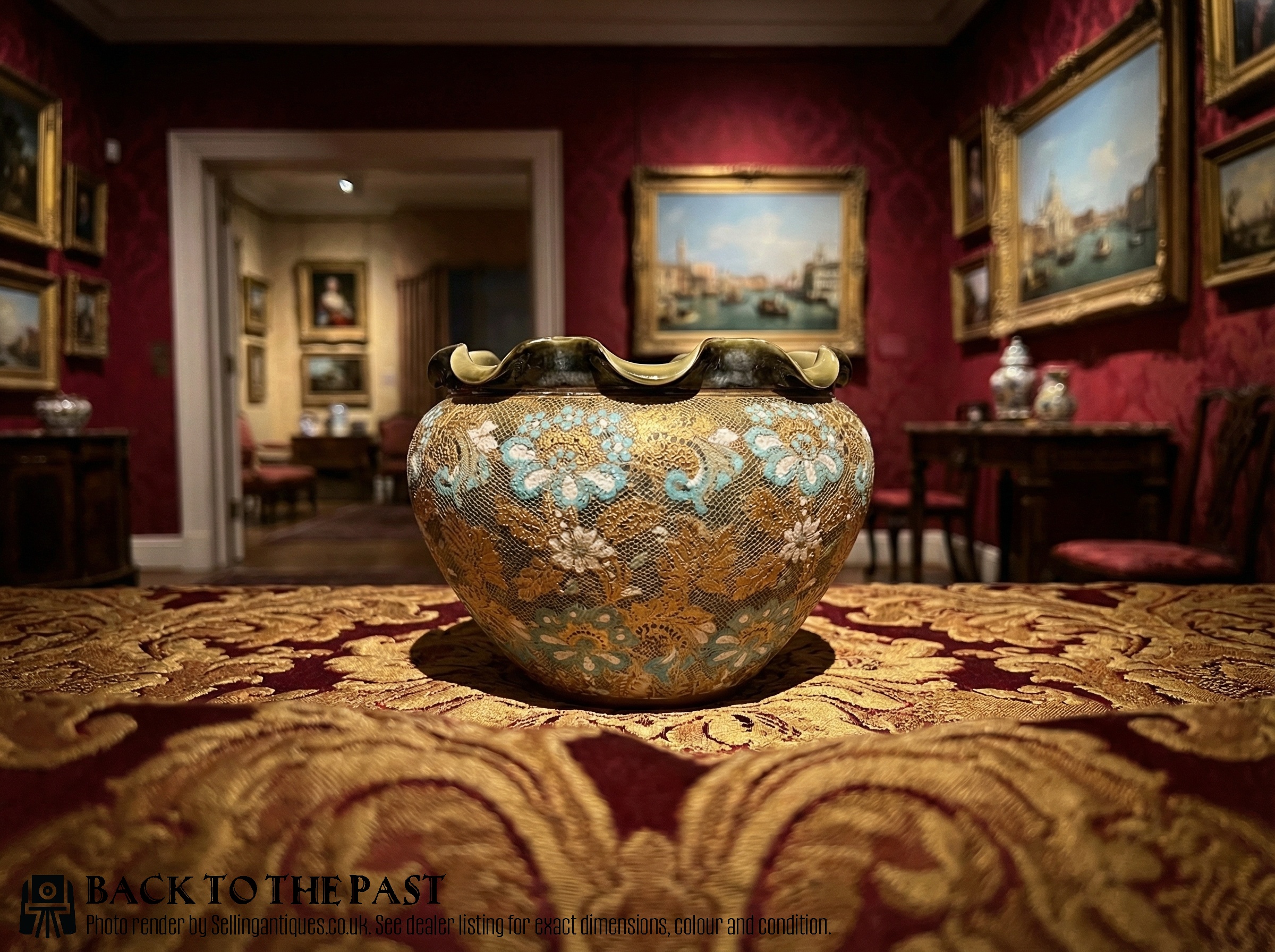
English Ceramic Jardiniere
An English ceramic jardiniere is a decorative vessel designed to hold potted plants, appearing across Georgian, Victorian, and later periods in diverse shapes.
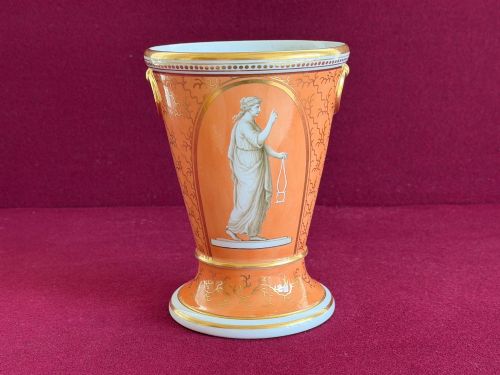
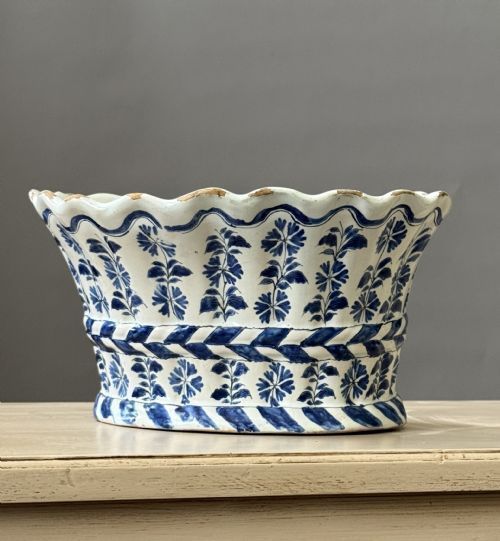
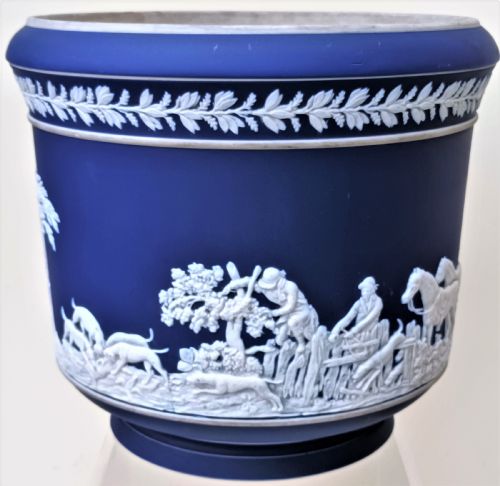
Victorian examples often favour majolica and jasperware, while earlier Georgian pieces lean towards refined porcelain and delftware.
Materials and construction
Potters shaped these vessels from earthenware, porcelain, and stoneware, frequently applying rich coloured glazes and enamel details.
Techniques range from slip-cast earthenware and moulded majolica to hand-painted porcelain decorated with gold leaf accents.
Many items incorporate specialised interior glazes or liners designed to manage moisture from living plants.
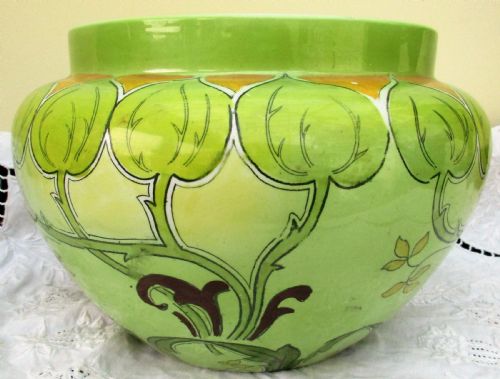
Listings span multiple eras from 18th-century delftware to 19th-century Victorian majolica and early 20th-century pottery.
Assessing craftsmanship
Quality rests in the precision of the modelling, the depth and consistency of the glaze, and the crispness of applied ornament.
Piner examples display hand-painted botanical or abstract motifs with careful registration, whereas simpler production pieces rely on moulded relief alone.
The integrity of the ceramic body and the preservation of original gilding or enamelling distinguish finer decorative specimens.
Flight and Barr·Barr Flight and Barr·William Adams and Sons·W A Adderley·Doulton Burslem·Royal Worcester·Minton·Royal Crown Derby
The English Ceramic Jardiniere Glossary
- Jardiniere
- An ornamental pot or stand for holding houseplants or cut flowers. These vessels sit on tables, pedestals, or directly on the floor.
- Bough pot
- An early vessel form with a pierced or removable cover intended for holding flowering branches. They predate the common Victorian jardiniere.
- Majolica
- A heavy earthenware pottery covered with an opaque tin glaze and painted with bright lead glazes. It gained immense popularity in the Victorian era for garden and plant vessels.
- Jasperware
- A type of unglazed stoneware developed by Josiah Wedgwood, characterised by a coloured matte body with contrasting white relief figures. William Adams and Sons also produced notable examples.
- Slip
- A liquid mixture of clay and water applied to pottery for decoration or surface smoothing before firing.
English Ceramic Jardiniere: Frequently Asked Questions
How do I use a jardiniere safely?
Place a smaller plastic pot inside the ceramic vessel to catch drainage water and protect the historic interior glaze from moisture damage.
Line the bottom with pebbles if planting directly, though keeping plants in separate inner containers remains standard practice for ceramic preservation.
Can these vessels hold water directly?
Many older earthenware and majolica bodies possess porous walls or hairline crazing that can seep moisture over extended periods. Using an impermeable inner liner prevents water rings on furniture and protects the ceramic fabric.
Porcelain and stoneware examples generally hold water better, but caution remains wise with antique pieces.
Where should I display an English jardiniere?
Historically, these vessels occupied halls, orangeries, and formal reception rooms on dedicated plant stands or decorative tables. Modern interiors suit them equally well on side tables, windowsills, or floor pedestals where trailing foliage highlights their form.
Keep them away from direct heat sources that might stress the old ceramic glaze.
How do I date a ceramic jardiniere?
Examine the base for maker marks, registration diamonds, or factory stamps that correlate with historical pottery archives. Stylistic cues such as neoclassical swags point to the Georgian era, while robust majolica rockwork and bright glazes typically indicate Victorian manufacture.