


Engine Turned Box
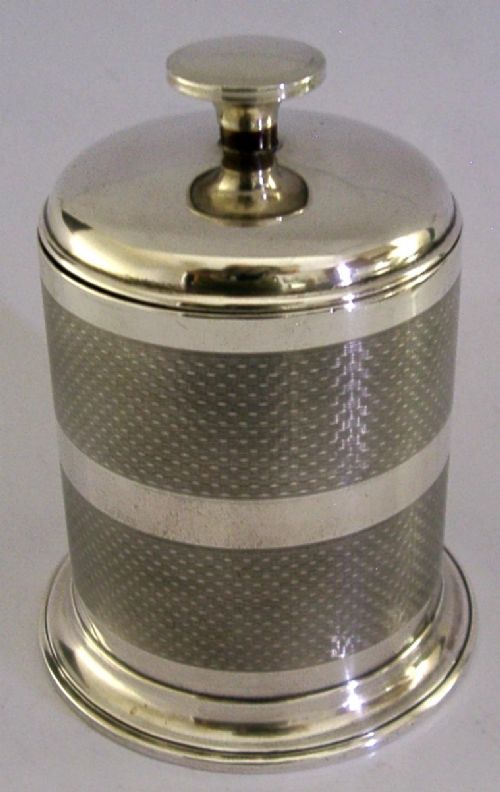
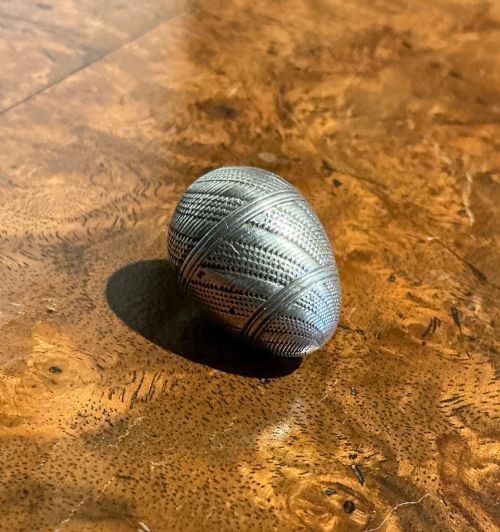
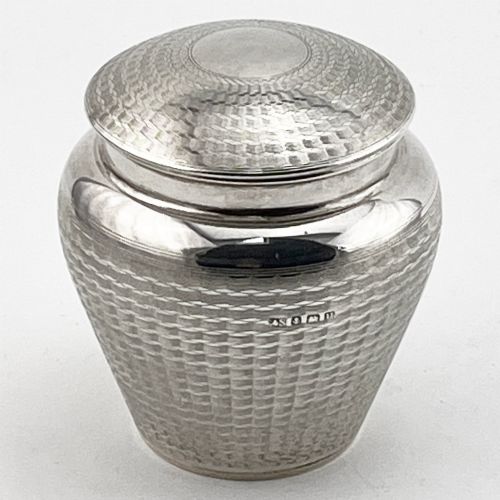
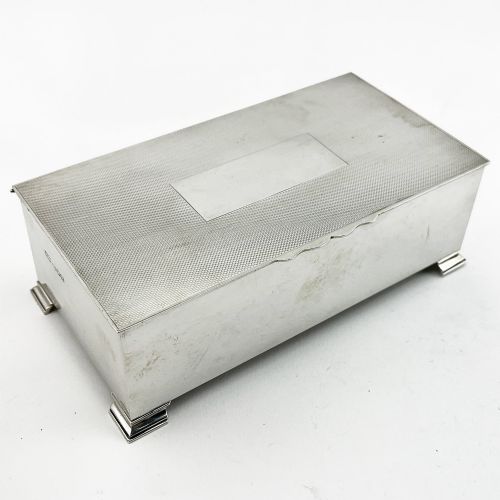
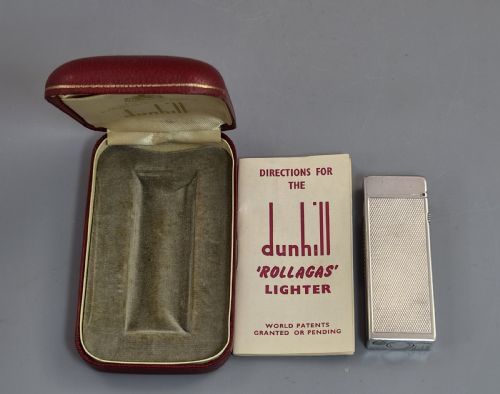
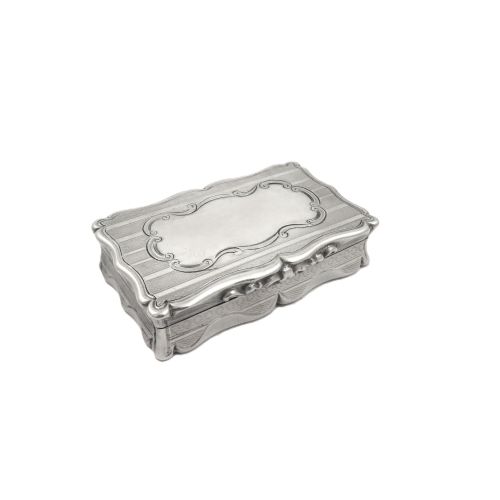
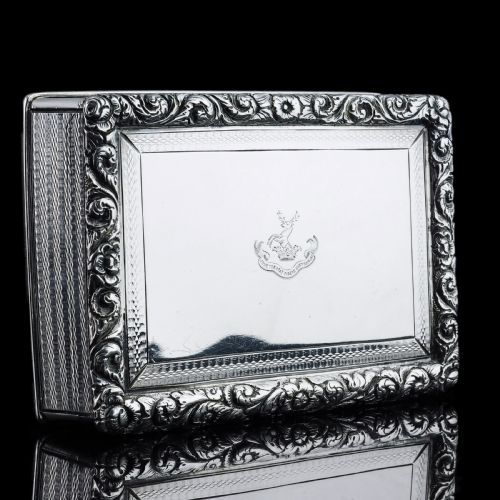
An engine turned box carries geometric precision on its surface, offering a tactile grip and a refined pattern that catches the light.
Engine Turned Box
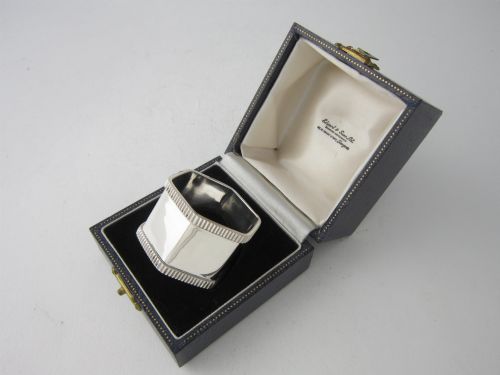
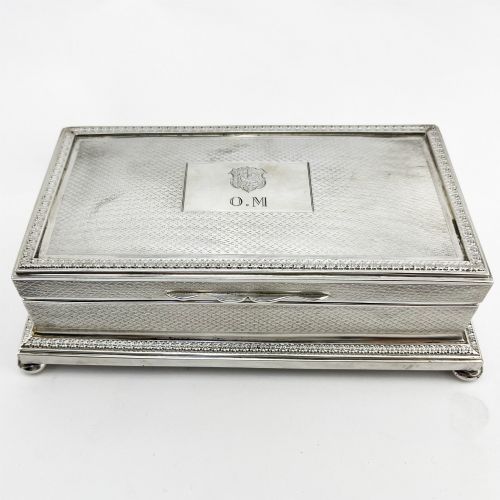
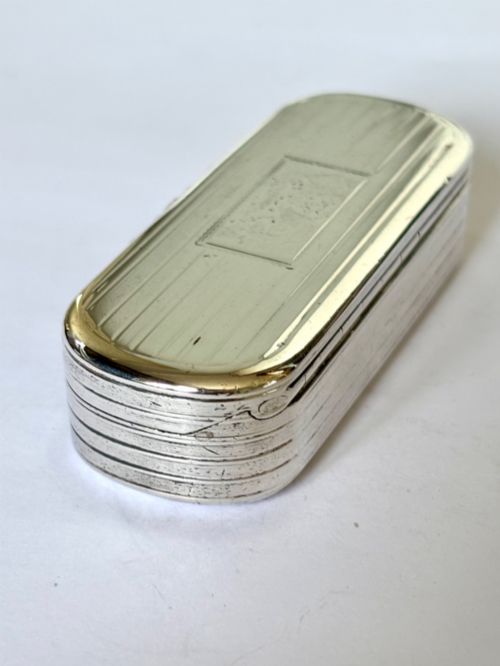
When searching for an engine turned box, buyers encounter small personal vessels designed to hold tobacco, snuff, matches, or small valuables. These items range from pocket-sized pill boxes and vinaigrettes to larger desk and cigarette boxes intended for domestic use.
The pieces on this page span the Georgian, Victorian, and Edwardian eras, extending through the Art Deco period and mid-century designs. Sterling silver and silver-gilt predominate, alongside organic materials such as laburnum, ebony, and fruitwood.
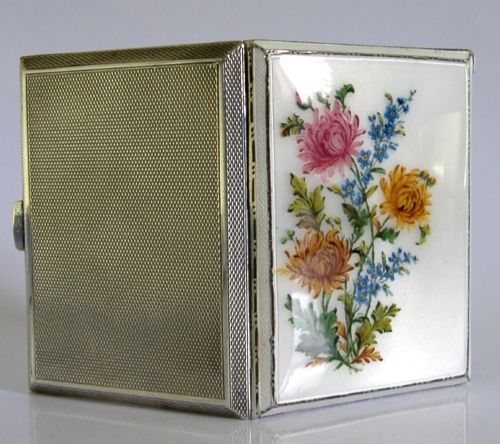
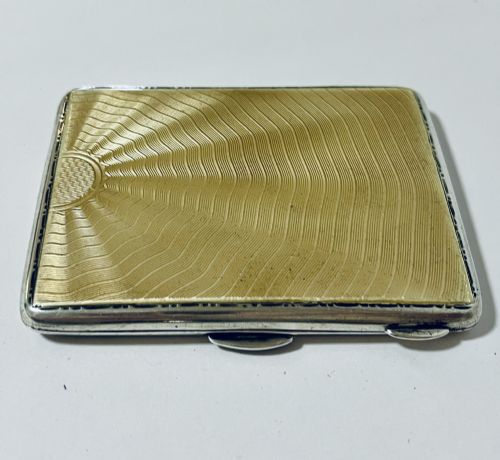
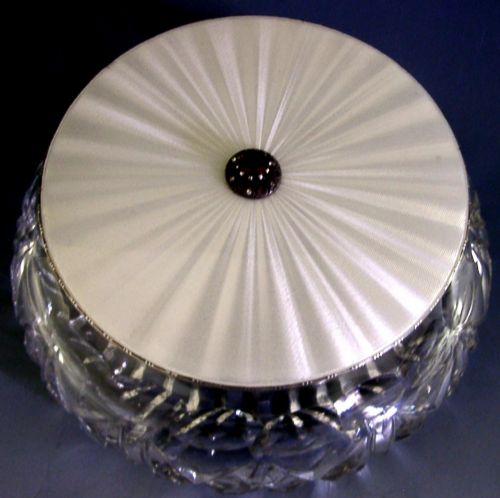
Solid silver snuff boxes and cedar-lined cigarette containers emerge most frequently among the listings. Enamel decoration often accompanies the geometric surface patterns, particularly in pieces originating from the early twentieth century.
How they were made
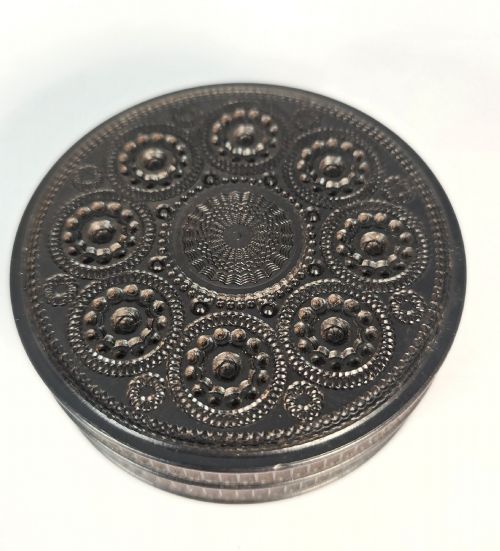
Makers utilised a lathe, specifically a rose engine or straight-line engine, to engrave precise, repetitive geometric patterns into the material. This mechanical cutting process produced exact intersecting lines, waves, or starburst motifs across metal or wooden surfaces.
Sterling silver sheets received the patterned incisions before assembly or hinged-lid attachment, whilst wooden items like treen snuff boxes were turned directly on the lathe. Enamel was frequently applied over the textured metal base to create translucent guilloche effects.
Listings feature sterling silver, 18ct gold, ebony, and laburnum across periods spanning the Georgian era to mid-century modern design.
What varies in quality
The precision and depth of the mechanical engraving dictate the initial visual merit of the piece, with sharper, cleaner cuts separating superior examples from worn or shallow execution. The crispness of the geometric grid or wave pattern remains uniform across a well-executed surface.
Material weight and internal fittings significantly influence the standing of an item. Heavy gauge sterling silver, intact gold gilding, original cedar wood linings, and fully functioning hinges distinguish the finest examples from lighter or altered counterparts.
Aaron Lufkin Dennison·Mappin and Webb·Robert Thornton·Robert Pringle·Cartier·Jacob Amyand·Giles Loyer·Nathaniel Mills·Daniel Manufacturing Co·Jane Brownett Alexander Jones·Alexander James Strachan
The Engine Turned Box Glossary
- Engine turning
- A mechanical technique of engraving intricate geometric patterns into metal or wood using a lathe. This method ensures absolute symmetry and repetitive precision across the decorated surface.
- Guilloche
- An architectural and decorative technique where a precise, intricate repeating pattern is mechanically etched into a metal substrate. It frequently appears beneath translucent coloured enamel.
- Vinaigrette
- A small ornamental box containing a perforated inner grill soaked in aromatic vinegar or smelling salts. These portable containers date predominantly from the Georgian and Victorian eras.
- Treen
- Small handmade wooden domestic objects produced prior to the twentieth century. Examples include turned snuff boxes fashioned from dense hardwoods like ebony and laburnum.
- Vesta case
- A pocket-sized container designed to hold matches and keep them dry. Many feature spring-loaded lids and exterior strike areas.
Engine Turned Box: Frequently Asked Questions
What is an engine turned box used for?
These vessels historically held daily personal commodities such as loose snuff, dry matches, tobacco, pills, or stamps. Their secure hinged lids protected the contents during travel in pockets or carriage compartments.
Today, collectors utilise them as desktop trinket containers, ring boxes, or decorative display pieces. Their compact size makes them suitable for holding modern small items while maintaining historical character.
How do I date a silver box?
British silver items typically carry hallmark stamps that indicate the assay office, the standard of metal, and a specific date letter. Examining these stamped marks reveals the exact year of manufacture.
Style indicators also help determine age, as Georgian pieces favour classical proportions while Art Deco examples display sharp geometric symmetry.
How should I clean silver and enamel?
Sterling silver requires a soft cloth and a gentle, non-abrasive polish to remove tarnish without wearing down the engraved pattern. Enamel surfaces need minimal intervention, relying only on warm soapy water and a dry cloth.
Harsh chemical dips must be avoided because they strip the dark oxidised contrast from the recessed cuts of the engine turning.
What is the difference between treen and silver boxes?
Treen boxes are turned from dense timbers like laburnum, fruitwood, or ebony, reflecting organic grain patterns alongside mechanical engraving. Silver boxes utilise precious metal sheets over rigid frames, often featuring gilded interiors.
While treen offers a tactile, warm weight suited to pocket use, silver provides greater durability and crisp hallmark documentation.