






Georgian Silver Container
A georgian silver container bridges practical daily utility and brilliant decorative metalwork, offering collectors tactile pieces of 18th and 19th-century craftsmanship.
Georgian Silver Container
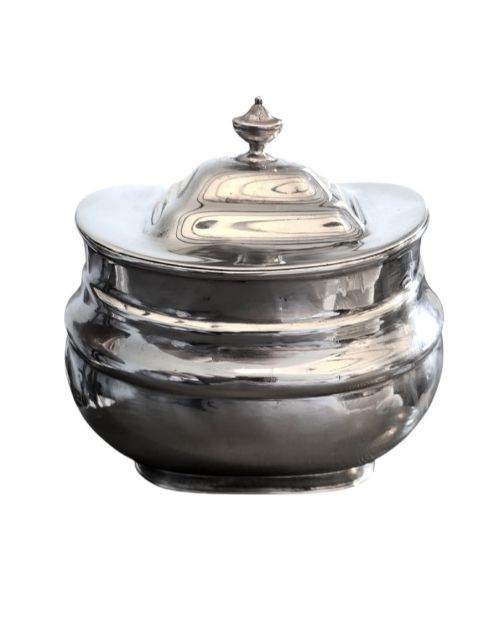
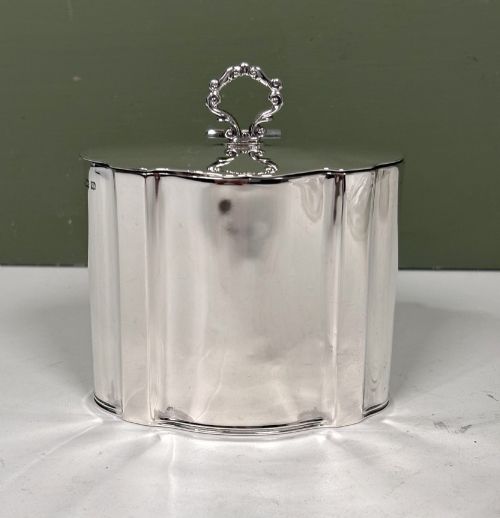
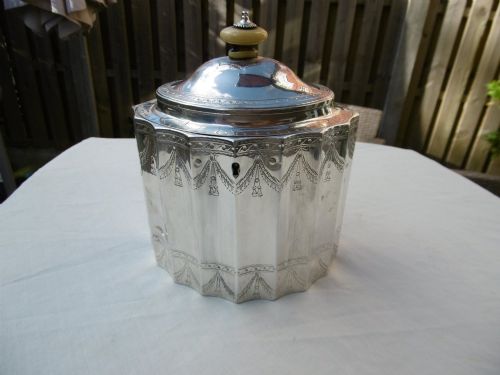
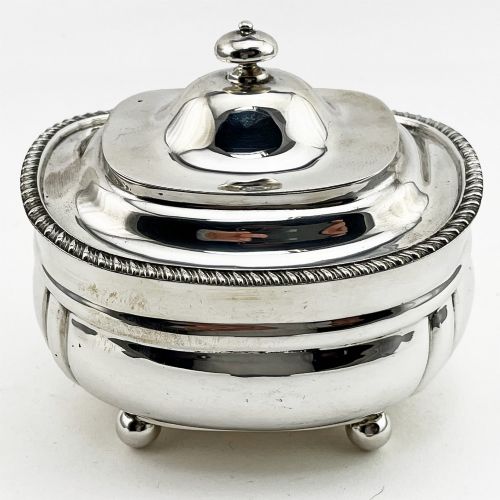
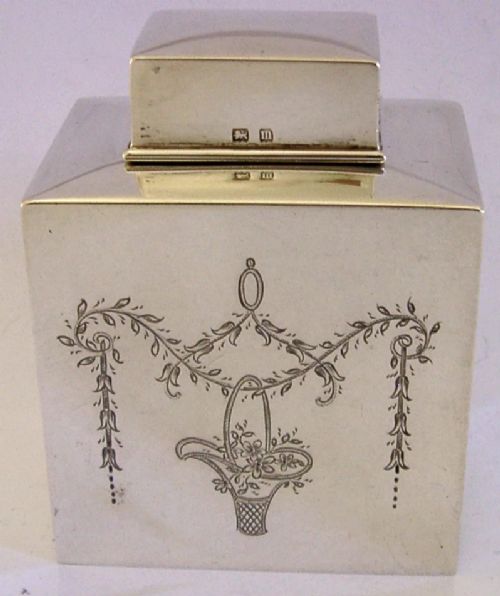
Tea caddies and snuff boxes form the majority of the items on this page, representing the daily habits of past households. These vessels held valuable dry goods and personal stimulants, making them items of both utility and social display.
The objects span periods from the mid-18th century through the Regency era, with later Edwardian and George V revivals also appearing. Their origins reflect British silversmithing traditions across London, Birmingham, Chester, and Scottish workshops.
How they were made
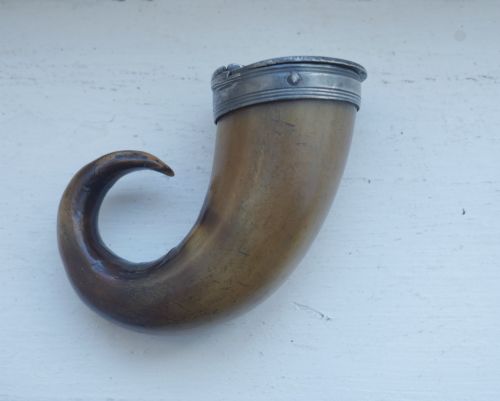
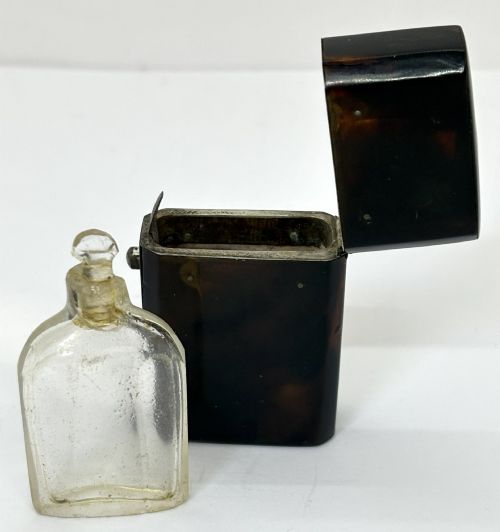
Silversmiths utilised sterling silver and solid silver alongside organic materials such as tortoiseshell, horn, bone, and carved powder horn. Many vessels combine silver mounts with natural shells or polished horn to create tactile contrast.
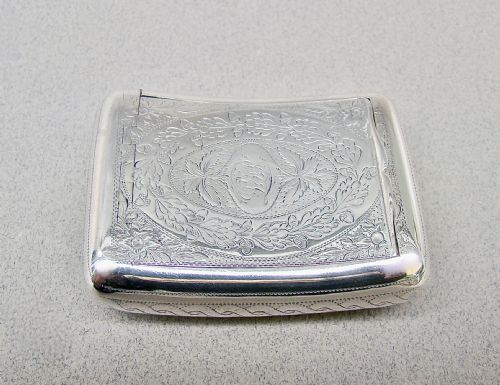
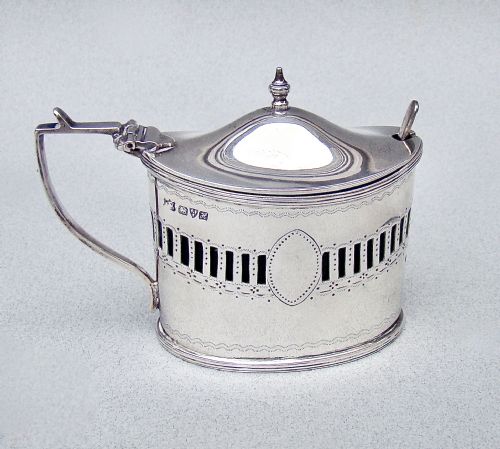
Makers employed techniques like detailed engraving, fluting, and silver gilding to decorate surfaces, particularly on vinaigrettes and tobacco boxes. Old Sheffield Plate also appears, demonstrating plated metal methods of the period.
Georgian Silver Container Retail Price Guide 2026
Typical asking prices for georgian silver container among the pieces listed under this phrase on Sellingantiques today, from the lower quarter to the upper quarter. They describe what is for sale here now, not the wider market.
A silver-gilt fish swims in miniature as an 1817 articulated vinaigrette, hiding its scented sponge inside.
What varies in quality
The distinction between ordinary items and superior pieces lies in the crispness of the chasing, the weight of the metal, and the precision of the hinge work. Master silversmiths achieved tight lids and balanced proportions that mark out the top tier of production.
Provenance and maker attribution elevate certain containers, as seen in pieces bearing the marks of known workshops. The integration of organic elements like tortoiseshell with high-grade silver mounts further distinguishes finer examples.
Alfred Marston·Robert Hennell·Zimmermann·Paul Storr·William Eaton·Matthew Boulton·Goldsmiths and Silversmiths Co·James Phipps I·Pemberton
The Georgian Silver Container Glossary
- Tea caddy
- A small box or jar designed to store loose tea leaves securely. These containers often featured lockable lids to protect expensive tea in the household.
- Snuff box
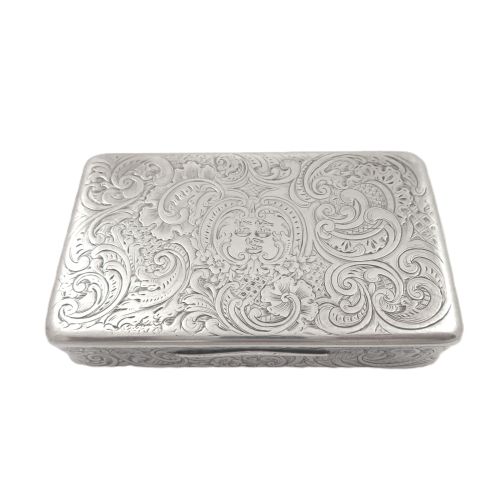
- A small pocket-sized container used for holding dry tobacco snuff. They were frequently fitted with tight hinges to keep the powder fresh.
- Vinaigrette
- A small ornamental box containing a perforated inner grille soaked in aromatic vinegar. People carried them to mask unpleasant odours in public spaces.
- Nutmeg grater
- A miniature container holding a small rasp and space for a whole spice. Grating fresh nutmeg was a common practice at the dining table.
- Sovereign case
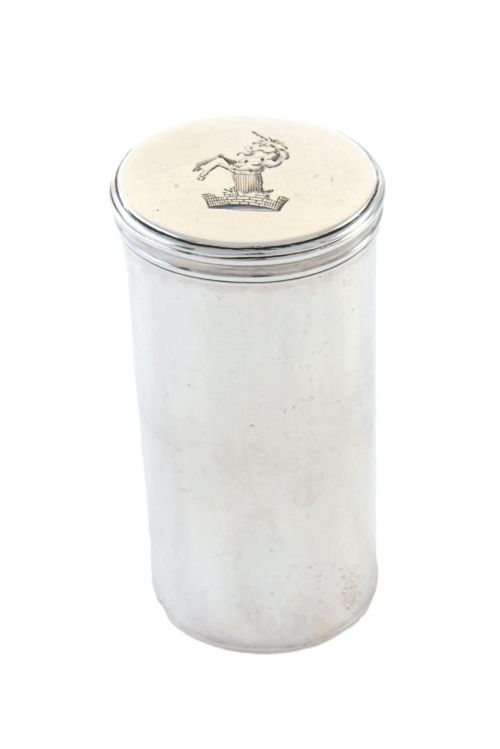
- A small round pocket container sized specifically to hold gold sovereign coins. They often included spring mechanisms for ease of use.
- Old Sheffield Plate
- A composite material made by fusing a thin layer of silver to a thicker copper base. This technique preceded modern electroplating.
Georgian Silver Container: Frequently Asked Questions
What were tea caddies used for?
Tea caddies served as secure storage vessels for precious tea leaves when tea was an expensive luxury commodity imported from abroad.
Many examples featured internal compartments and locking lids to restrict household access.
How do I identify a Georgian container?
Look for British hallmarks stamped directly onto the silver elements, which indicate the assay office, date letter, and maker's mark.
Stylistic cues such as fluting, hand engraving, and specific regional forms also help date the piece.
What is a snuff mull?
A snuff mull is a traditional Scottish receptacle made from animal horn and mounted with silver details.
They were used for storing and dispensing ground tobacco in communal settings.
Why are some boxes lined with tortoiseshell?
Tortoiseshell and horn provided an exotic natural texture that contrasted sharply with polished silver mounts.
Craftsmen prized these organic materials for their rich mottled colours and tactile warmth in the hand.
Are these containers safe to use daily?
Most antique containers function well for modern storage of small items like stamps, cufflinks, or dry goods.
Careful handling protects delicate historic hinges and original organic panels from unnecessary wear.