
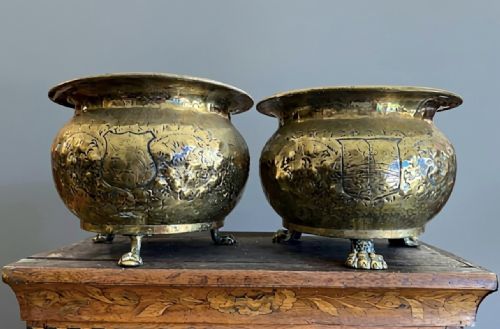
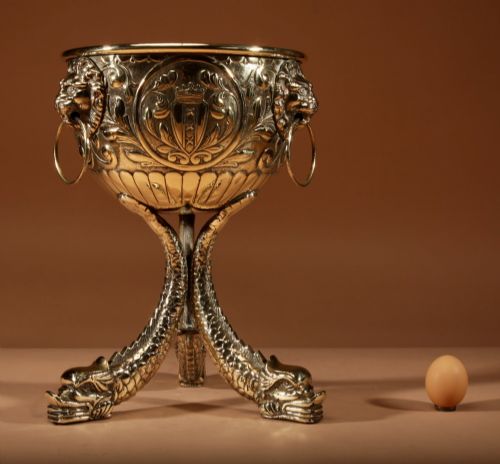


Embossed Brass Jardiniere
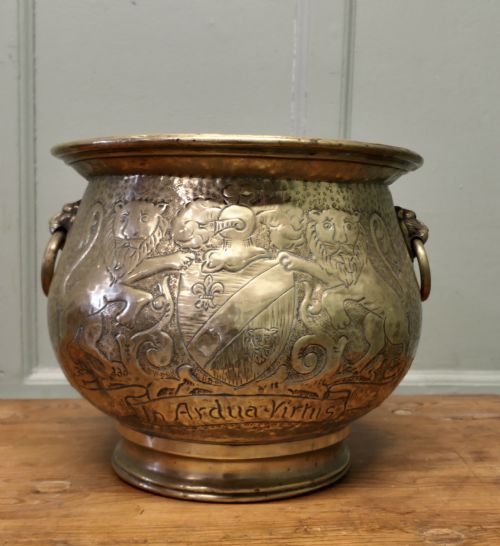
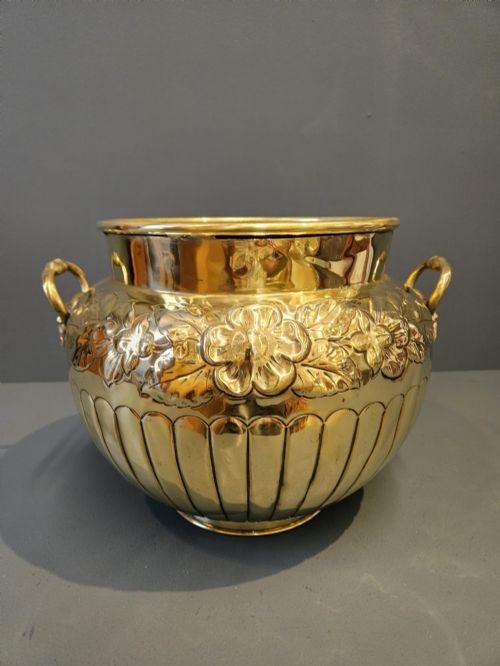
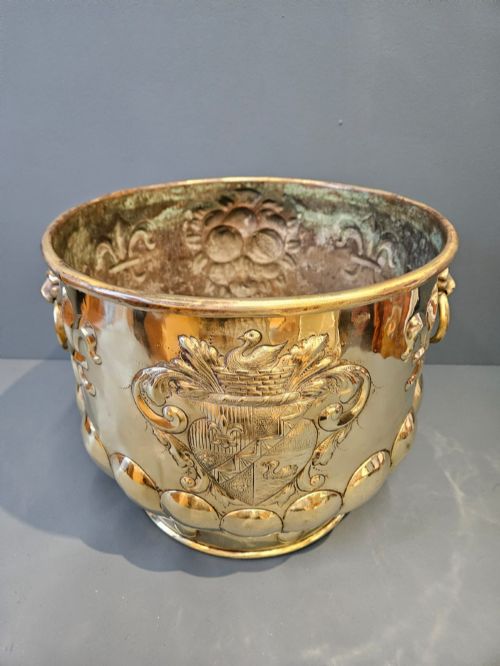
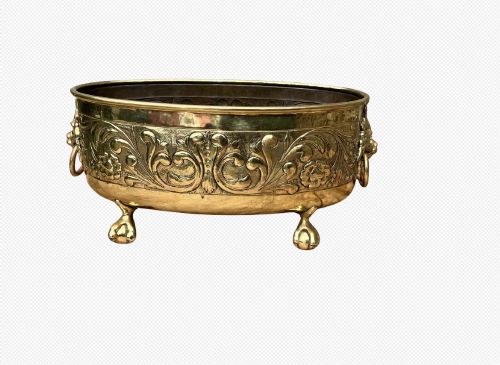
An embossed brass jardiniere brings texture and metallic warmth to a room, holding indoor plants or logs with undeniable presence.
Embossed Brass Jardiniere
An embossed brass jardiniere is a decorative plant holder formed from beaten metal, frequently appearing in forms that span the nineteenth century and the early twentieth century. Buyers searching this phrase encounter vessels designed to house potted plants or serve as log buckets within domestic interiors.
The selections span distinct stylistic traditions, including Victorian pieces, Dutch designs, and flowing Art Nouveau creations. Many examples originate from the nineteenth century, alongside occasional eighteenth-century specimens and later items from 1900 onwards.
Forms vary from standard tabletop jardinieres to large troughs and vessels resting upon original stands. Alongside brass, some pieces incorporate copper, iron, or zinc linings, reflecting the practical requirements of holding soil and moisture.
Materials and construction
The primary metal is brass, shaped through hammering, casting, and embossing to raise patterns from the reverse side. Craftsmen utilised sheet metal to create cylindrical, oval, or trough-like bodies that were then joined at seams or left as seamless hammered units.
Surface decoration frequently involves repoussé work, where designs of crests, shields, flowers, or Dutch scenes are pushed out from the interior. Additional structural support often comes from iron frames, zinc linings, or matching metal stands.
Listings feature examples dated across the nineteenth century, alongside pieces from 1800, 1850, 1860, 1870, 1880, 1890, 1900, 1910, and 1920.
Assessing quality
Quality rests upon the crispness of the embossed detail and the thickness of the metal sheet utilised for the body. Superior examples display deep, deliberate hand-hammering rather than shallow machine stamping, giving the decorative motifs greater definition.
The integrity of construction separates standard vessels from finer specimens, particularly where handles, feet, and original stands remain intact. Retaining a zinc or metal liner inside the brass body also indicates a more complete and well-preserved survivor.
J Sankey and Sons
The Embossed Brass Jardiniere Glossary
- Embossing
- A metalworking technique where a design is raised above the surface by hammering from the reverse side. This method creates the characteristic low-relief ornamentation seen on these vessels.
- Dinanderie
- A term describing medieval and later brass or copper objects produced in the Meuse Valley region. The designation later extended to encompass decorative domestic metalwork of similar character.
- Repoussé
- The French term for shaping metal by hammering the reverse side to form a raised pattern on the front. It forms the basis of the pictorial scenes found on many planters.
- Cachepot
- An ornamental container designed to hold a flowerpot and conceal its utilitarian clay body. These vessels protect furniture surfaces from water drainage.
- Log bucket
- A larger domestic container utilised for holding firewood beside a hearth. Several robust brass jardinieres served this dual purpose in period interiors.
Embossed Brass Jardiniere: Frequently Asked Questions
How do I clean brass safely?
Wash the surface gently with warm water and mild soap to remove accumulated dust without stripping the aged patina. Avoid harsh chemical polishes that strip away historical character.
Dry the metal thoroughly with a soft cloth to prevent water spots and preserve the warm metallic tone.
Can these hold plants directly?
Many vessels feature metal or zinc inserts designed to catch moisture and protect the outer brass from damp soil. Direct planting without a liner can introduce corrosion to the interior.
Utilising a separate plastic pot inside allows you to water plants safely while keeping the historical interior dry.
Were they made for indoor use?
These decorative planters were principally manufactured for domestic reception rooms, conservatories, and parlours during the Victorian period. Their polished metal surfaces reflected interior gaslight and daylight.
Placing them outdoors exposes the softer alloys to weathering and aggressive oxidation that alters the historical surface.
How do I spot a Dutch style?
Dutch-influenced pieces frequently display embossed tavern scenes, windmills, or traditional figural motifs inspired by seventeenth-century genre painting. They often utilise heavy brass sheet with robust riveted construction.
These designs remained popular throughout the nineteenth century as decorative revivals of earlier Dutch metalworking traditions.