
Edwardian Worcester Porcelain
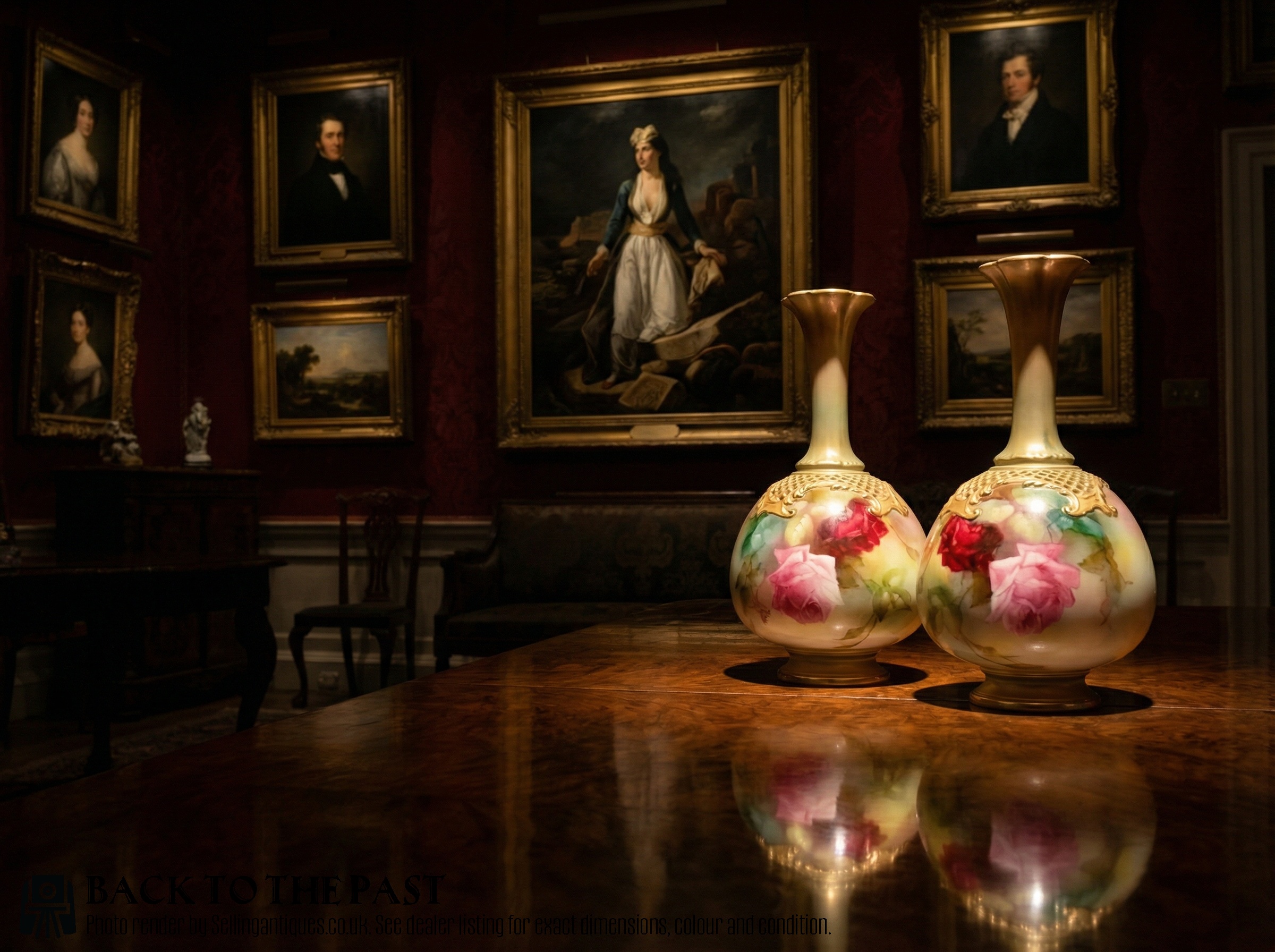
Edwardian worcester porcelain brings together hand-painted fruit, blush ivory glazes and delicate gilding from the opening decades of the twentieth century.
Edwardian Worcester Porcelain
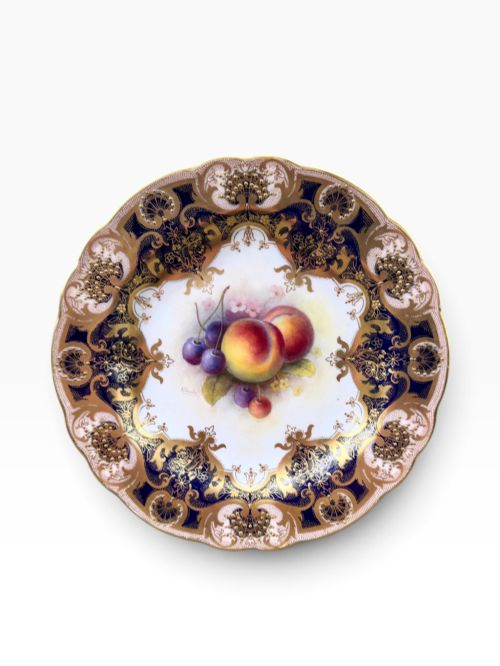
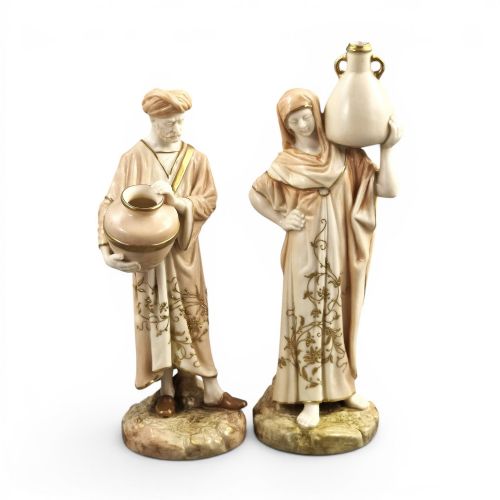
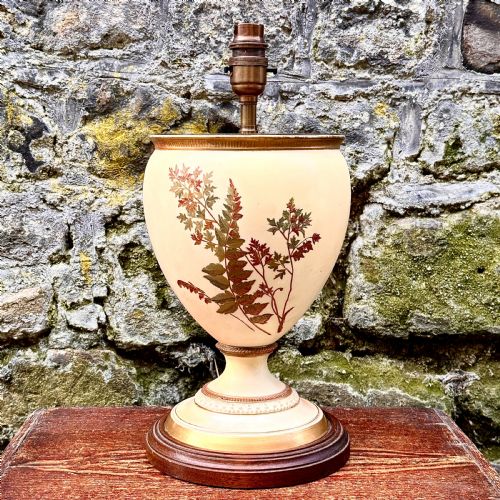
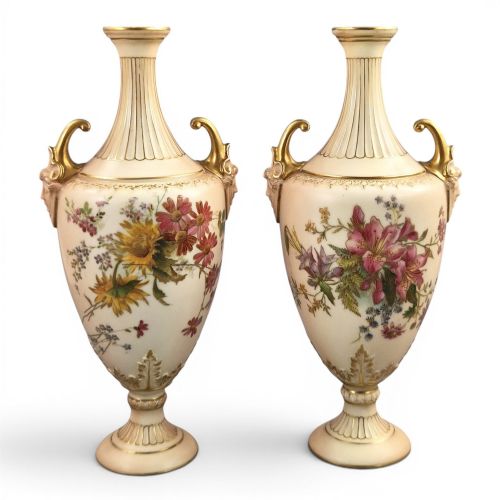
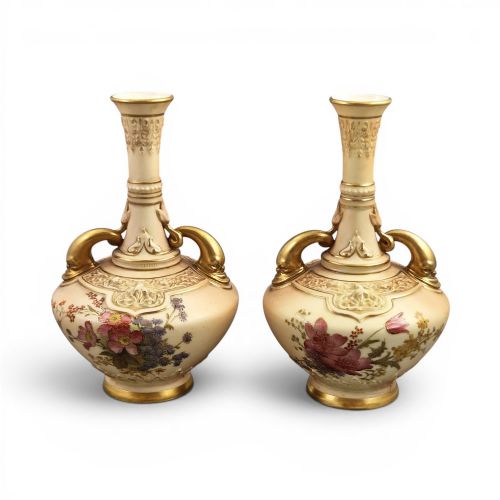
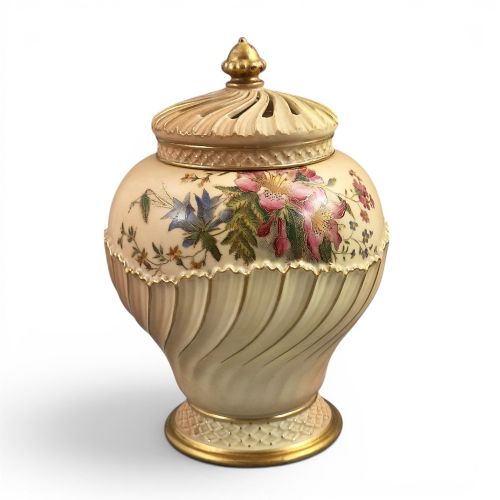
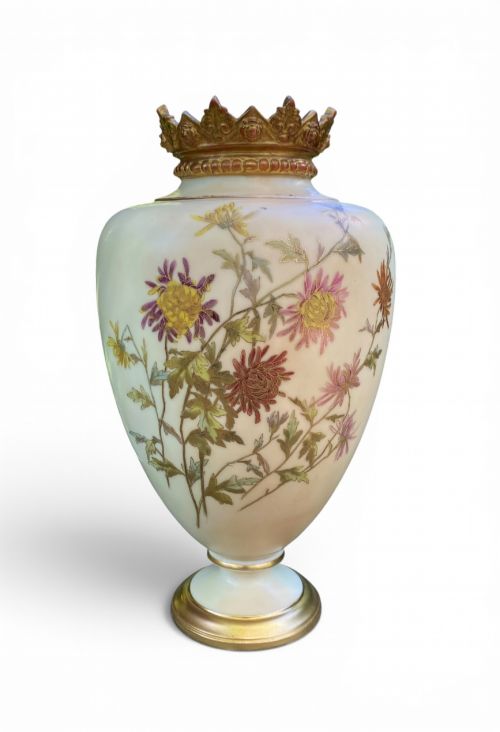
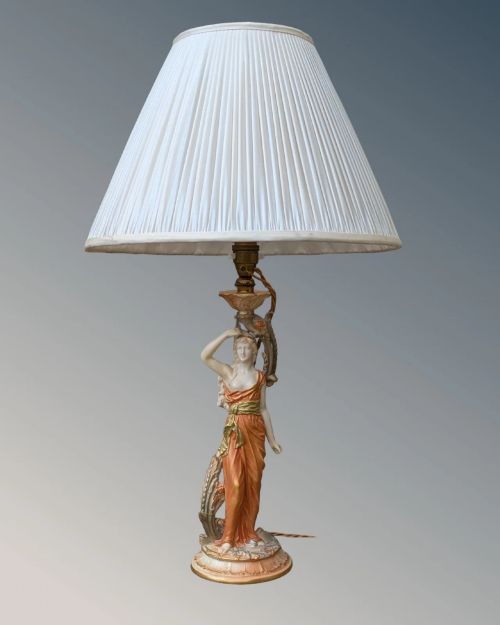
Edwardian worcester porcelain encompasses a wide range of decorative and functional ceramics produced primarily by the Royal Worcester factory, alongside related works by associated makers like Locke and Co. and Grainger and Co. You will frequently encounter cabinet plates, blush ivory vases, spill vases and coffee sets dating from the early decades of the twentieth century.
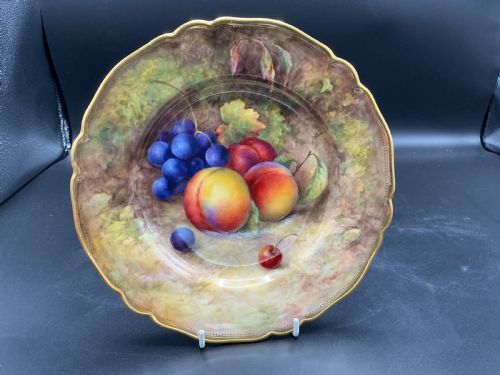
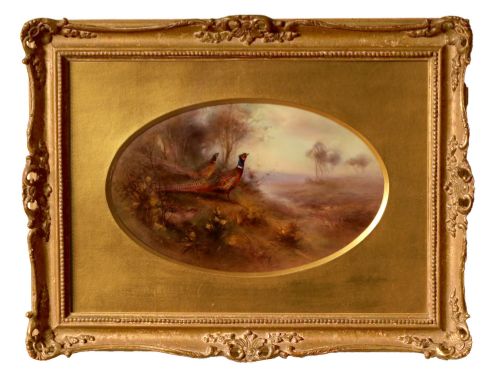
The objects span typical forms such as pot-pourri jars, ewers, jardiniere bowls and framed porcelain plaques, often decorated with hand-painted fruit, floral sprays, birds and cattle. Pieces frequently display styles ranging from Edwardian and Neo-Rococo to late Victorian aesthetics and early Art Deco influences.
How they were made
Makers utilised fine porcelain and bone china bodies, frequently applying specialised blush ivory grounds that provided a soft, matte backdrop for painted decoration. Artisans then built up intricate designs using hand-applied enamels alongside detailed gilding and gold leaf accents.
Many items incorporate specialist techniques including shot enamel and pierced or tooled gilt handles, alongside careful hand-painting executed by notable factory artists whose signatures often appear on the finished ceramic surface.
Dolphins, storks and highland cattle frequently appear as handles or painted subjects, proving that Edwardian ceramists loved a lively animal companion.
What varies in quality
Quality rests significantly on the complexity of the hand-painted subject matter and the reputation of the artist whose signature is recorded on the piece, with works by recognised painters commanding particular attention. The intricacy of the gilding, the crispness of moulded details such as dolphin handles or pierced rims, and the overall preservation of the enamel colours further distinguish finer examples.
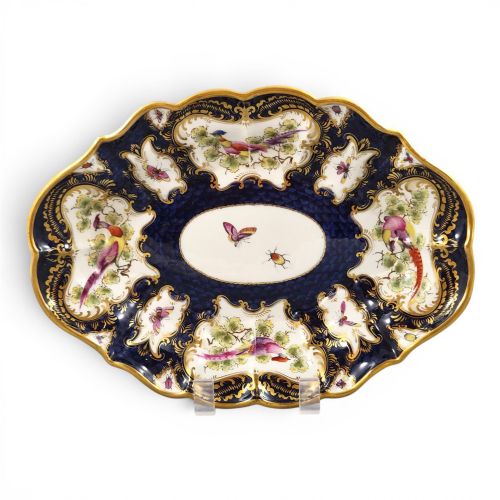
The body style also dictates variation, moving from simple utilitarian vessels to elaborately shaped cabinet plates with cobalt borders and heavily tooled gilt work, or large-scale figural groups requiring advanced ceramic firing and glazing techniques.
Royal Worcester·Locke And Co·Hadleys Royal Worcester·Grainger And Co
The Edwardian Worcester Porcelain Glossary
- Blush ivory
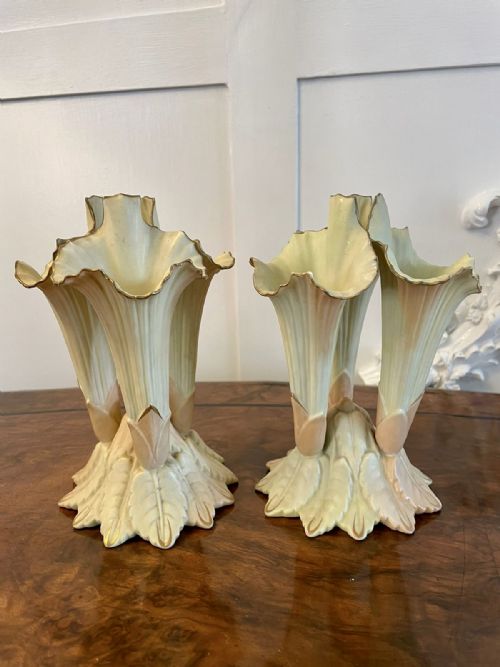
- A matte cream-coloured ceramic ground developed by Worcester factories to imitate ivory, often decorated with delicate floral sprays and gilt highlights. It became a defining finish of the period.
- Cabinet plate
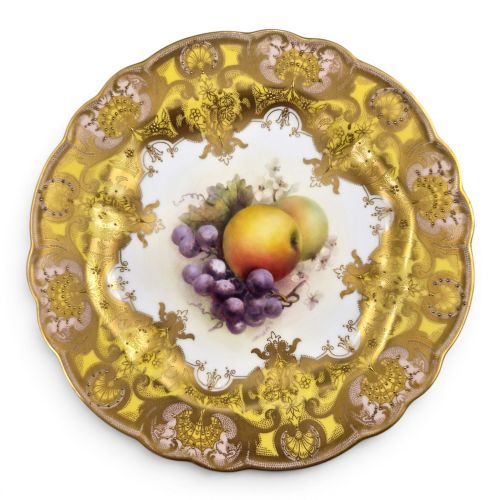
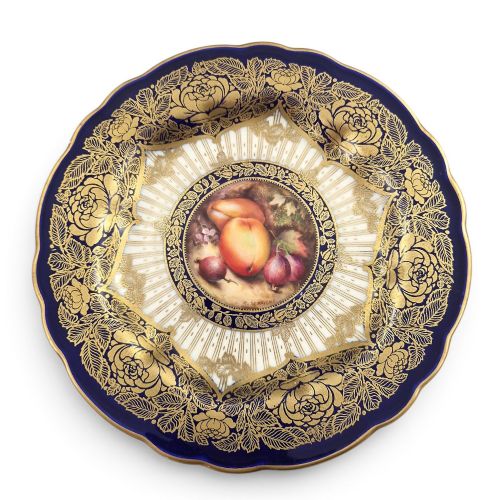
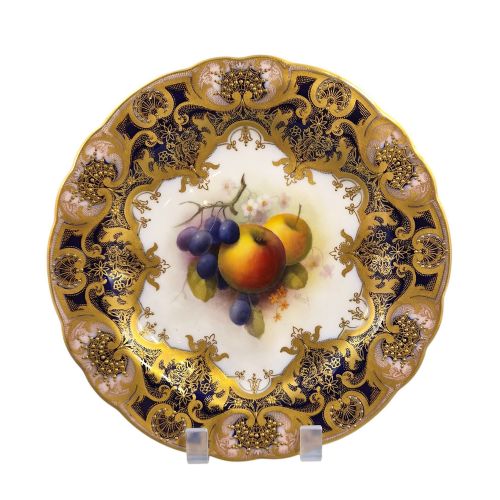
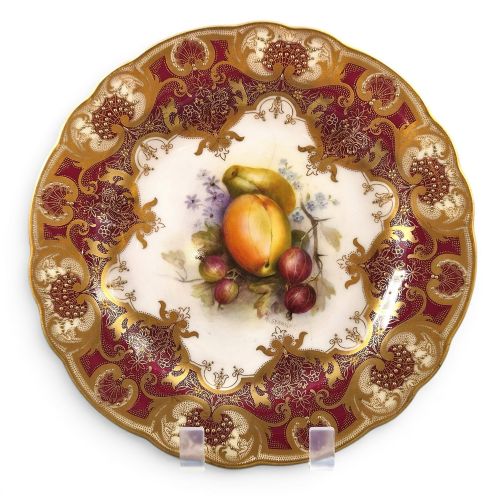
- A decorative ceramic plate intended for display in a cabinet rather than for dining use. These typically feature intricate hand-painted central scenes and elaborate gilded borders.
- Shot enamel
- A specialised glazing technique where colours shift depending on the angle of the light. This effect adds depth and iridescence to figural and animal subjects.
- Spill vase
- A small, narrow vessel designed to hold thin wooden spills used for lighting candles, fires or pipes. They often feature floral or animal hand-painted decoration.
- Gilding
- The application of gold leaf or powdered gold onto the ceramic surface to create metallic borders and highlights. Tooled gilding involves pressing patterns into the gold while it is set.
Edwardian Worcester Porcelain: Frequently Asked Questions
How do I identify blush ivory pieces?
Blush ivory ceramics feature a distinctive matte, warm cream-coloured ground rather than a standard glossy white glaze. They are typically ornamented with soft floral motifs and delicate gilt detailing.
Factory marks on the base usually confirm the manufacturer and date of production, helping to verify pieces produced during the early twentieth century.
Are these items meant for daily use?
Most of these ceramics, particularly cabinet plates, painted plaques and delicate spill vases, are intended for decorative display rather than practical utility. Their hand-painted enamel surfaces and fine gilding require careful handling to preserve the artwork.
Functional items like tea trios or dessert dishes can be used with care, though hand washing is necessary to protect the historic finishes.
Why do some pieces feature artist signatures?
The factory employed specialist porcelain painters who signed their individual work, particularly on fruit studies, bird scenes and cattle subjects. Named artists add significant interest for collectors studying early twentieth-century ceramic art.
Signatures are usually found discreetly painted near the edge of the main design or within the lower corner of the scene.
What styles influenced this porcelain?
Designs draw upon a mixture of traditional revival styles, including Neo-Rococo scrollwork and Victorian aesthetic movement motifs, alongside distinct Edwardian tastes. Later pieces begin to show early Art Deco geometric influences.
This blend of historic revivalism and modern early twentieth-century styling creates the varied appearance seen across different vessel shapes.