
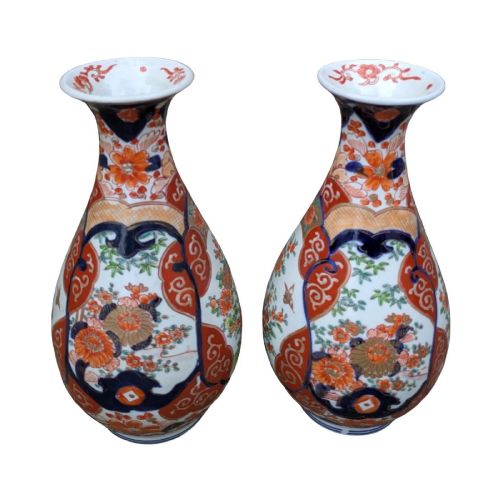


Painted Ceramic Mantle Urn
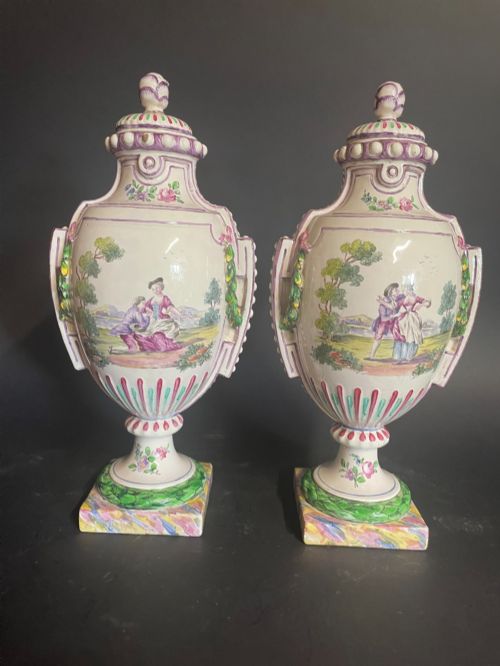
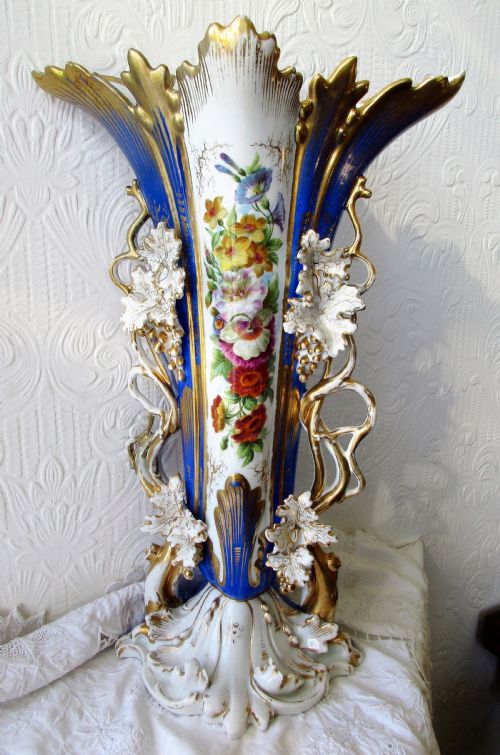
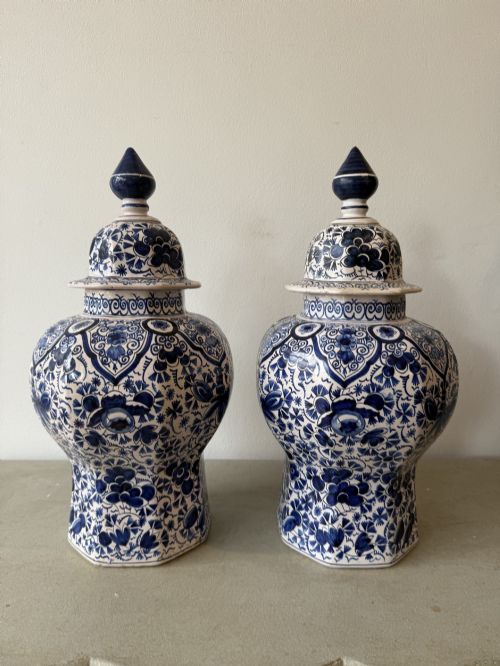
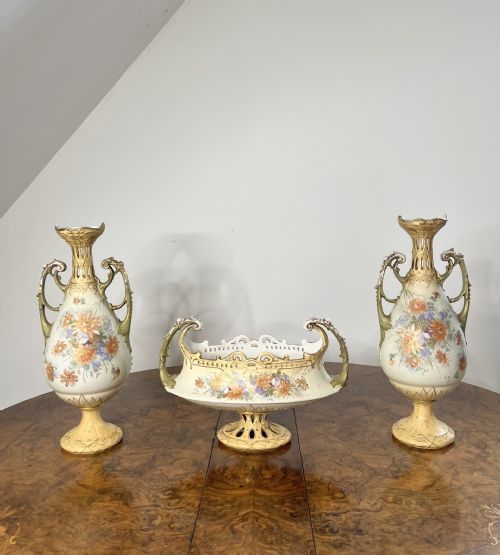
These painted ceramic mantle urn pieces bring decorative presence to a room, offering classic form and hand-painted surface detail.
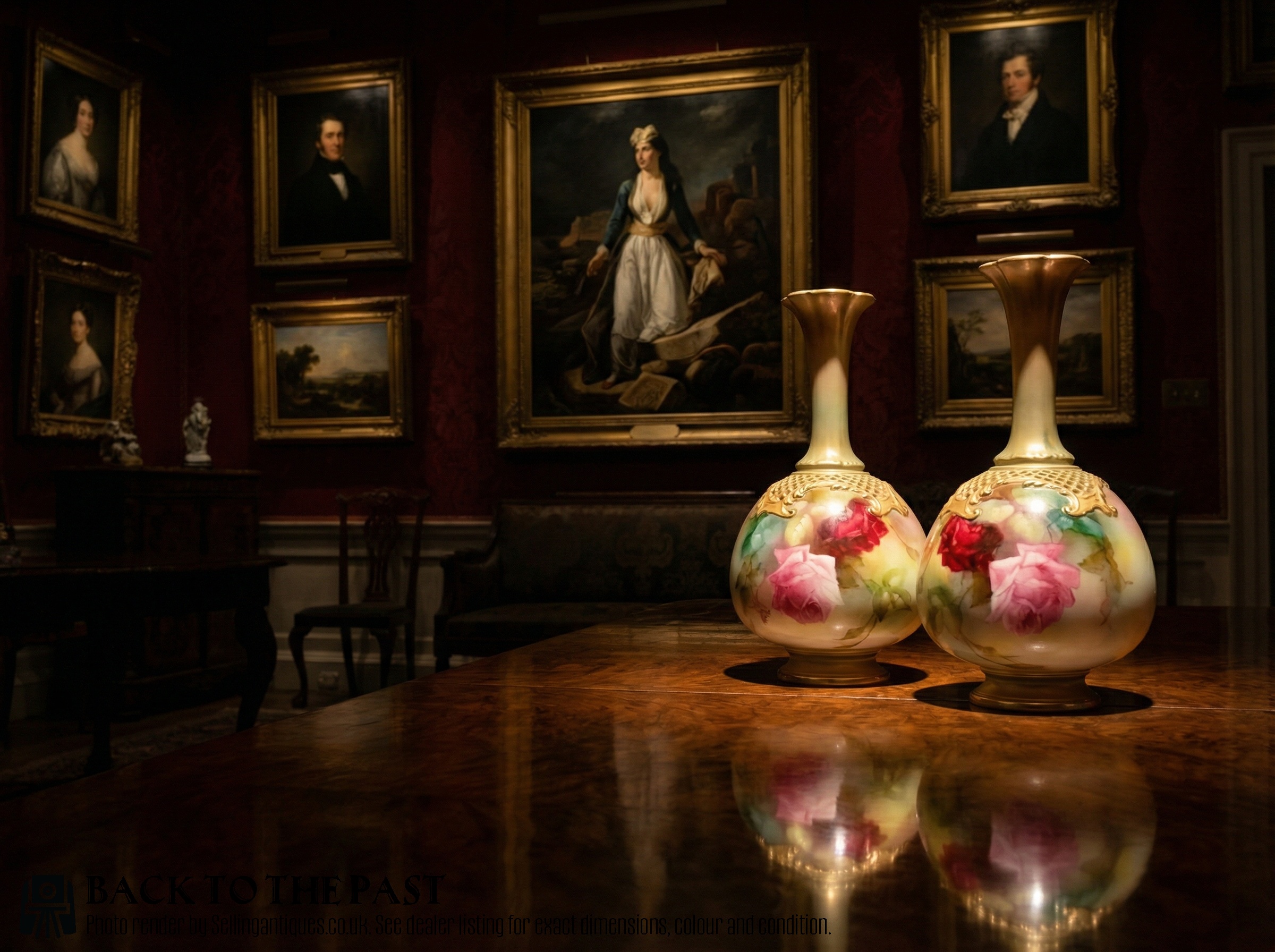
Painted Ceramic Mantle Urn
A painted ceramic mantle urn search brings up a rich assortment of decorative vessels, lidded urns, and matching garniture sets designed for display. These objects span the nineteenth century and the early twentieth century, taking forms such as individual centrepieces, paired vases, and multi-piece sets.
Makers across Britain and continental Europe produced these items in varied styles including Rococo Revival, Victorian Arts and Crafts, and Dutch Delftware. The examples found here range from English porcelain and earthenware to continental porcelain and Japanese imports.
Buyers will most frequently encounter pairs of vases and larger garnitures intended for fireplace mantles or cabinet display. The selection demonstrates diverse origins, from Paris porcelain workshops to factories like Royal Worcester, Minton, and Royal Vienna.
Materials and production methods
The construction of these pieces relies on ceramic bodies such as porcelain, earthenware, and tin-glazed earthenware shaped into vases and urns. Artisans applied glazes and enamel colours to the ceramic surface, often incorporating hand-painted decoration depicting floral subjects, birds, and portraits.
Many items feature rich surface embellishment using gold leaf, gilding, and ormolu mounts. Firing techniques and detailed hand-painting define the finish of these nineteenth-century and early twentieth-century vessels.
The inventory includes styles spanning Rococo Revival, Edwardian, and Dutch Delftware across various forms of vases and urns.
Distinctions in craftsmanship
The calibre of a painted ceramic mantle urn rests in the precision of its hand-painted details and the crispness of its moulded form. Fine portraiture, delicate rose painting, and intricate botanical studies elevate specific pieces above standard production work.
The application of gilding and the quality of supplementary mounts, such as ormolu fittings, dictate the tier of the object. Superior examples display balanced proportions, harmonious enamel palettes, and well-executed artist signatures or factory marks.
Royal Vienna·Doulton Lambeth·Royal Worcester·Vion et Baury·Minton
The Painted Ceramic Mantle Urn Glossary
- Garniture
- A set of matching decorative vases or urns designed to be displayed together on a mantlepiece or sideboard.
- Porcelain
- A fine, hard ceramic material fired at high temperatures, often characterised by a white, vitrified body.
- Earthenware
- A porous ceramic body fired at lower temperatures, commonly utilised for tin-glazed and slip-decorated wares.
- Ormolu
- Gilded bronze mounts and decorative fittings applied to ceramic bodies, popular in nineteenth-century French and continental pieces.
- Enamel
- A glass-like substance fused to the ceramic surface through firing to provide durable colour and decoration.
Painted Ceramic Mantle Urn: Frequently Asked Questions
What is a garniture set?
A garniture set consists of three or more matching vases or urns designed to create a symmetrical decorative arrangement on a mantle or sideboard. These sets often include a central urn accompanied by matching side vases.
Historically, they served as the primary decorative focal point in formal nineteenth-century reception rooms.
How do I care for antique porcelain?
Keep painted ceramic pieces away from direct sunlight to prevent the enamel colours and gilding from fading over time. Dust them gently with a soft, dry cloth rather than using liquid cleaners.
Avoid placing them in areas subject to sudden temperature fluctuations or heavy vibrations.
How can I date my ceramic urn?
Dating relies on examining the factory marks, style of painting, and ceramic body characteristics recorded beneath the glaze. Stylistic clues such as Rococo Revival moulding or Arts and Crafts motifs also point to specific decades.
Comparing the hand-painted artist signatures and colour palettes provides further chronological context.
Where were these pieces displayed?
These decorative urns and vases were principally placed upon fireplace mantlepieces, credenzas, and large tables in formal nineteenth-century parlours. Their scale and colourful enamel decoration made them ideal for catching candle or window light.
Matching multi-piece sets created a balanced, harmonious visual anchor within the room architecture.