



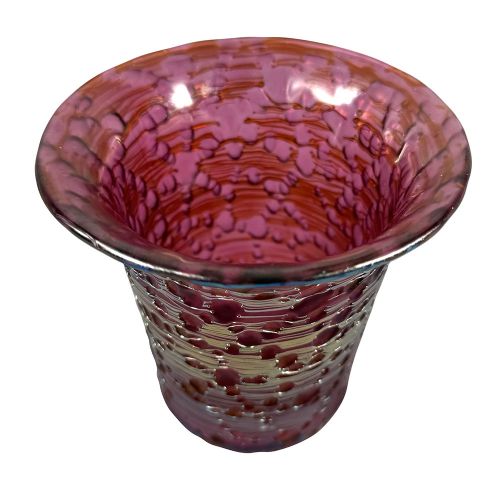


Antique Decorative Table Vase
These antique decorative table vase selections bring character to a room, ranging from Japanese bronze to Victorian porcelain.
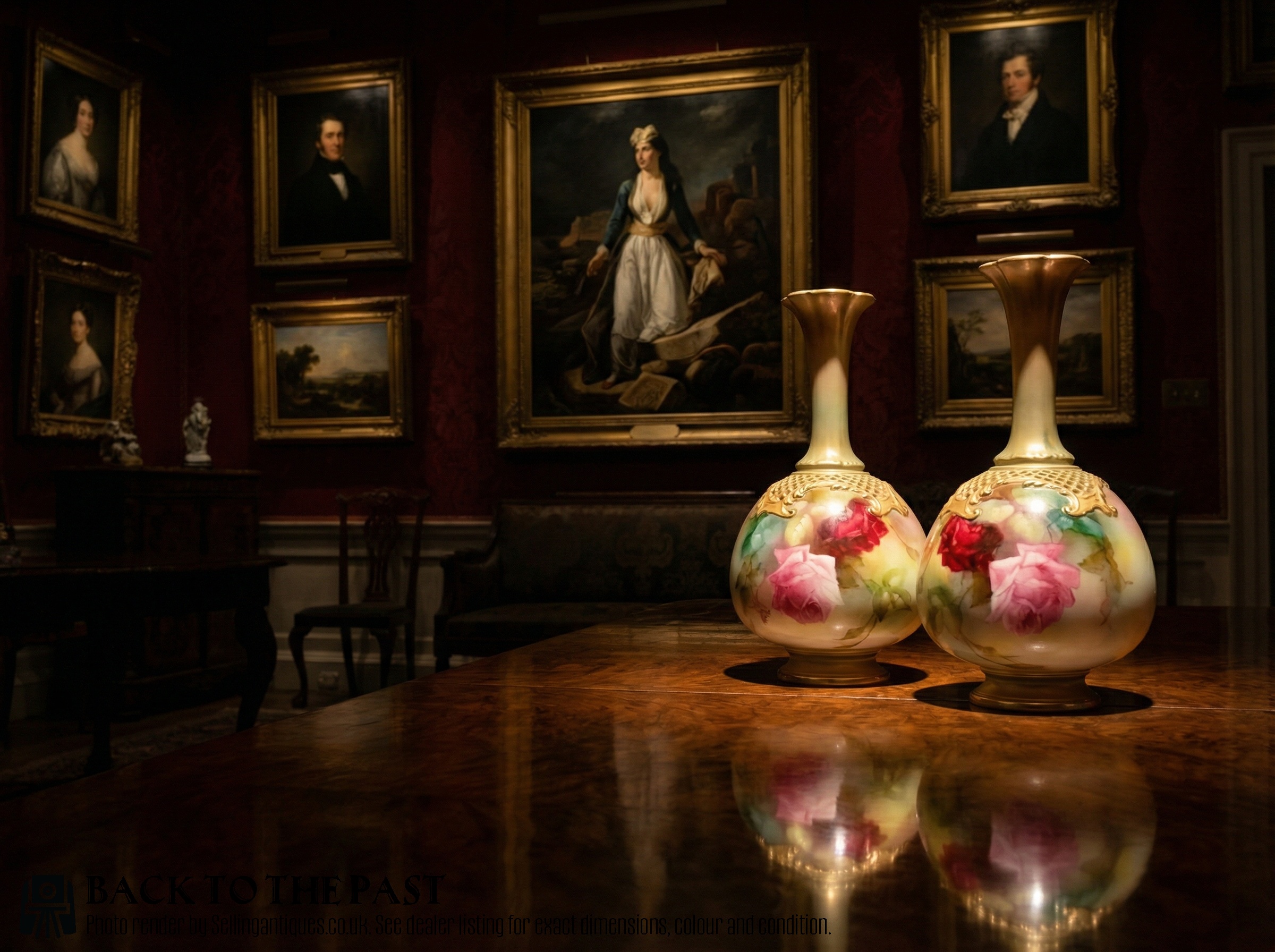
Antique Decorative Table Vase
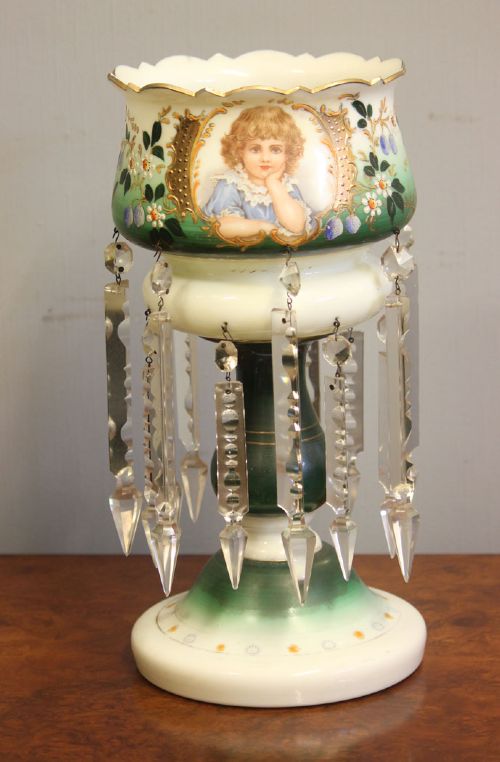
An antique decorative table vase serves as a focal point in a room, drawing the eye with varied forms such as urns, ewers, and mantel lustres. When searching for an antique decorative table vase, buyers encounter items originating from nineteenth-century Europe and East Asia.
The selection includes porcelain, pottery, and bronze pieces spanning the Victorian, Edwardian, and Meiji periods. Many examples survive from the nineteenth and early twentieth centuries, reflecting diverse international tastes.
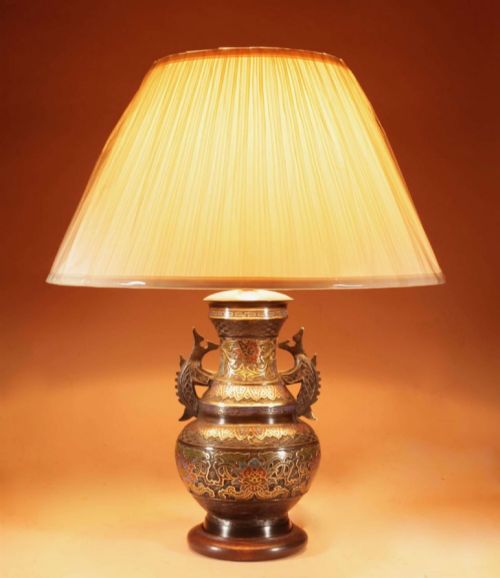
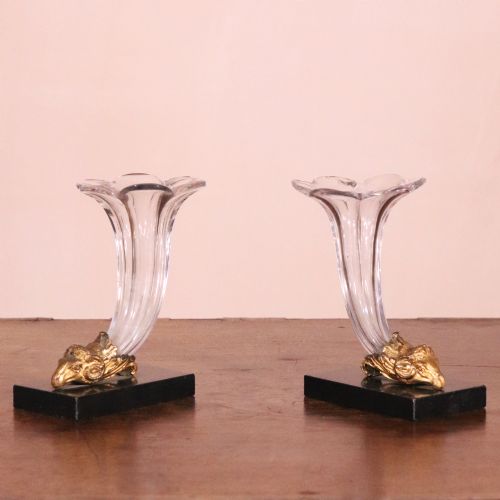
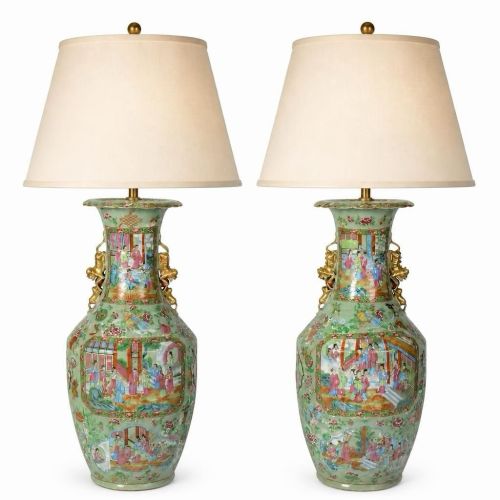
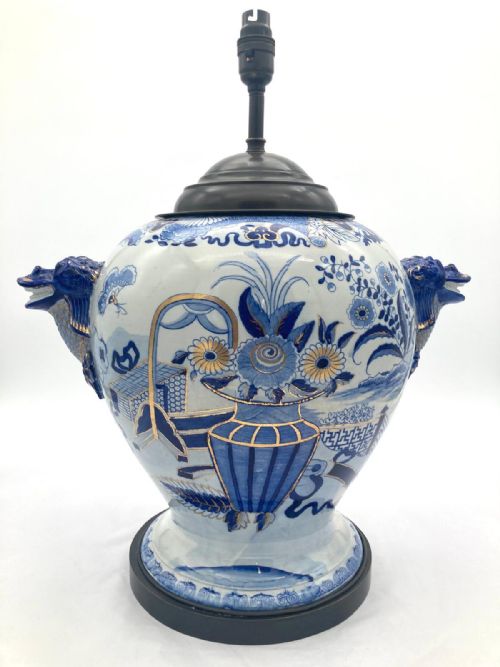
Vessels take many shapes, including baluster profiles, cornucopias, and handled jars. Some examples arrive converted into table lamps or paired as mantle garnitures.
How They Were Made
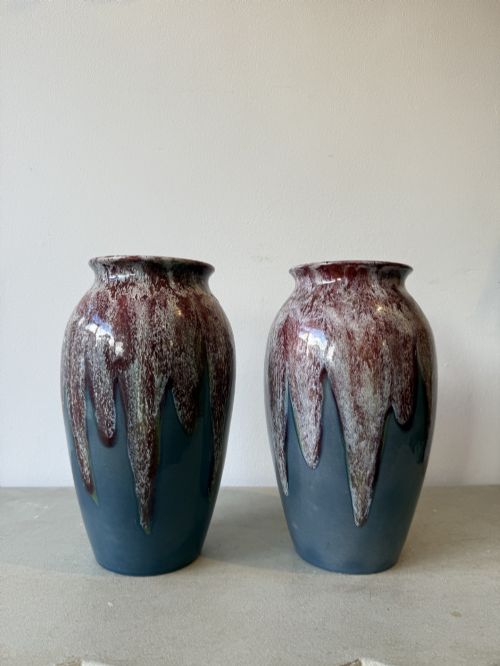
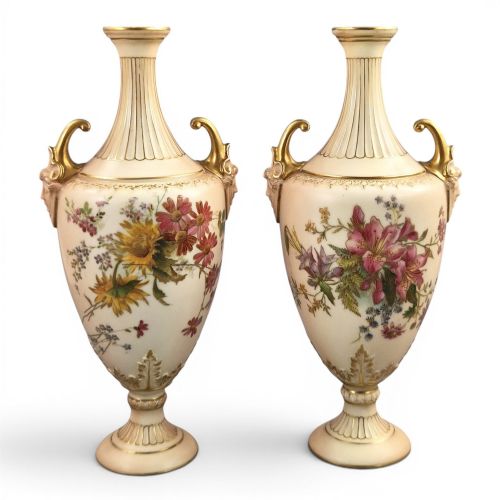
Potters and ceramicists utilised clay, porcelain, and ironstone, shaping vessels on the wheel or in moulds before applying glazes, crystalline finishes, or hand-painted floral motifs. Makers also employed enamelling and gilding to enrich the surfaces of porcelain and stoneware.
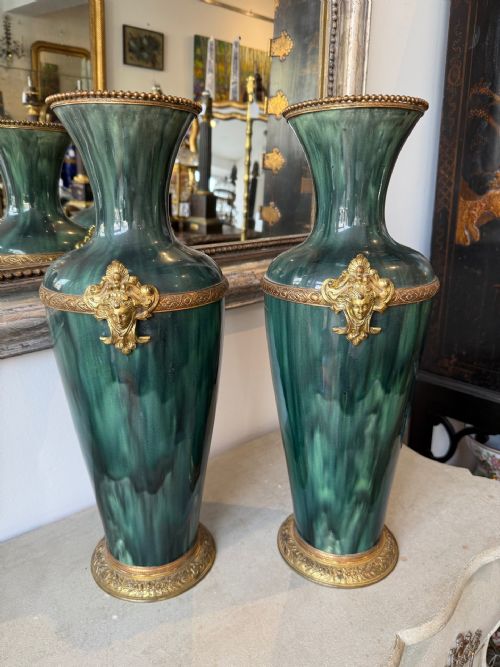
Metalworkers cast bronze, brass, copper, and gilt bronze, often incorporating champlevé, cloisonné, or chased floral decoration onto the body. Glassmakers blew iridescent, engraved, and cranberry glass into moulds to achieve decorative patterns.
Several bamboo-handle vases from Meiji Japan combine ceramic bodies with organic handles that mimic natural forest growth.
What Varies in Quality
Quality rests upon the crispness of the casting in metalwork and the precision of hand-painted detail on porcelain. Finer pieces demonstrate careful attention to proportion, clean enamel work, and well-executed glazes.
The execution of decorative elements, such as intricate champlevé or finely chased brass, distinguishes standard production from superior examples. Preservation of original gilding and surface decoration also influences the overall standard.
Royal Worcester·Royal Doulton·Kinkozan·Spode·Coalport·Ruskin Pottery
The Antique Decorative Table Vase Glossary
- Baluster
- A vase form with a rounded body that tapers toward a narrow neck. This shape appears frequently in Chinese porcelain and European earthenware.
- Champlevé
- An enamelling technique where troughs are dug into a metal surface and filled with vitreous enamel. It appears on bronze and brass decorative objects.
- Cloisonné
- A technique of decorating metalwork objects with colourful material held in place by thin metal strips welded to the base. French and Asian makers utilised this method.
- Ewer
- A large jug with a wide spout and a curved handle, often produced for ornamental display rather than practical pouring.
- Imari
- A style of Japanese porcelain decorated in underglaze blue and overglaze red, gold, and green. These wares were widely exported during the historical periods represented.
Antique Decorative Table Vase: Frequently Asked Questions
What is an antique table vase?
An antique table vase is a decorative vessel produced during the nineteenth or early twentieth century, designed to stand on furniture rather than serve utility.
These pieces utilise materials such as porcelain, bronze, glass, and stoneware, often featuring hand-painted designs or applied metalwork.
Were these vases used for flowers?
Many of these vessels were created primarily for interior display as garnitures, centrepieces, or mantel ornaments rather than holding water and stems.
Some forms, including ewers and amphorae, derive from classical shapes intended for decorative impact within formal rooms.
How do I style a table vase?
Pairs of vases work well on sideboards, mantelpieces, or tables to create symmetry, particularly when matched with complementary lamps or architectural elements.
Placing them where natural light catches the glaze, bronze surface, or glass highlights the decorative details and textures.
How do I identify the period?
Dating relies upon stylistic markers, such as the distinct aesthetics of the Victorian, Edwardian, and Meiji periods, alongside material composition like ironstone or crystalline glaze.
Makers' marks, patterns, and manufacturing techniques recorded on the base provide further evidence of origin and date.