
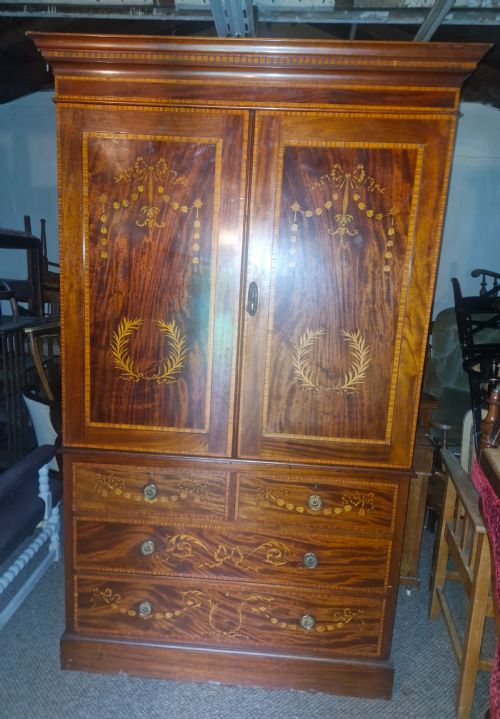


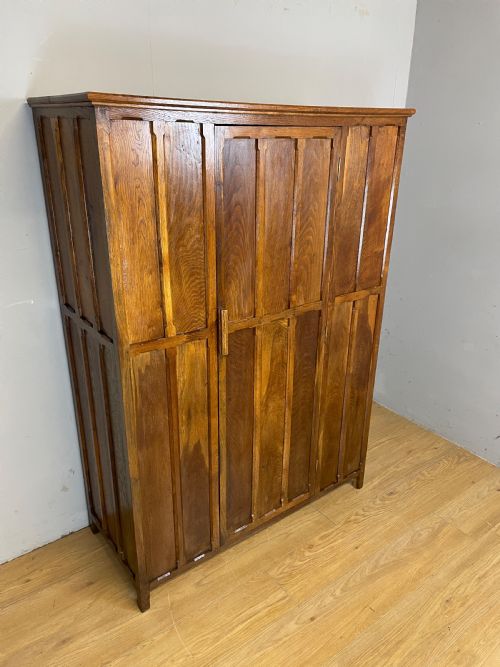
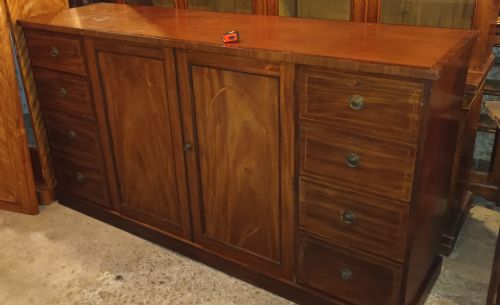
Edwardian Style Wardrobe
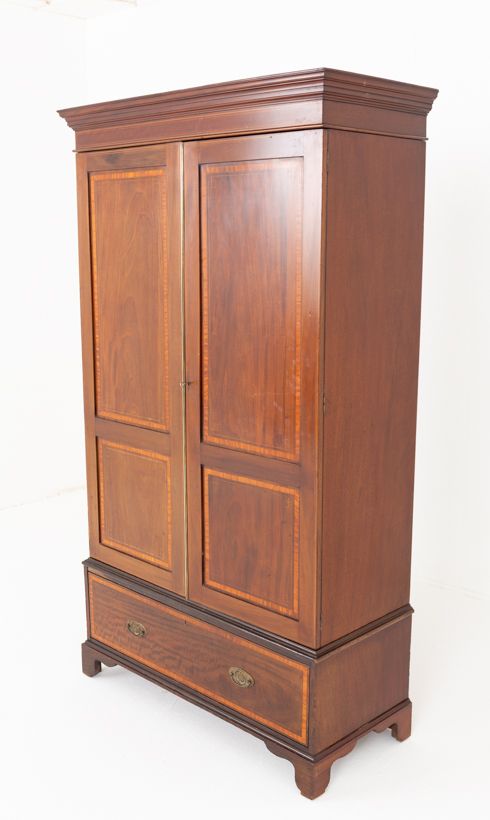
These edwardian style wardrobe pieces are large bedroom containers for hanging clothes and linen, built to anchor period sleeping quarters with substantial presence.
Edwardian Style Wardrobe
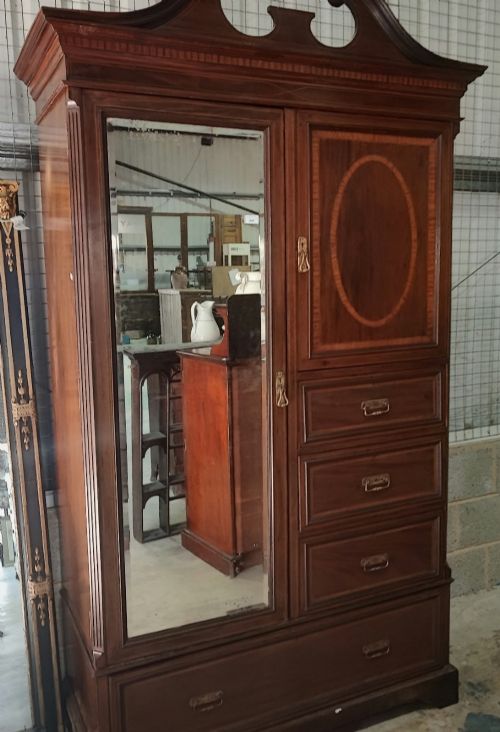
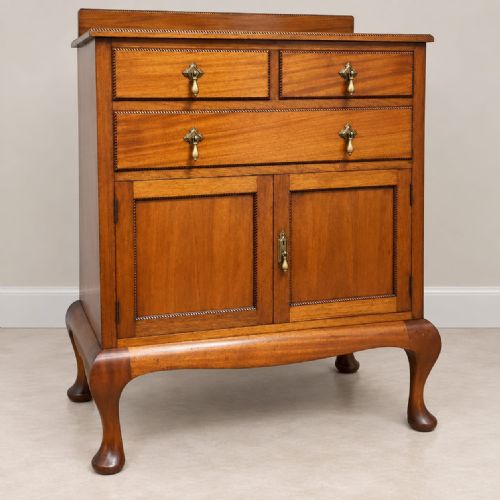
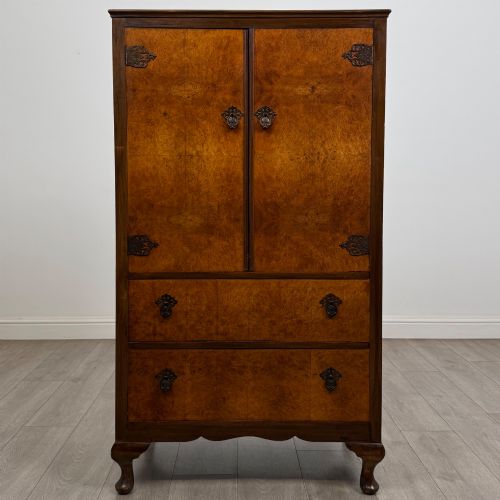
When you search for an edwardian style wardrobe, you encounter heavy bedroom furniture spanning the Edwardian period, Victorian eras, and the early twentieth century. The selection includes tallboys, linen presses, compactums, and multi-door cupboards alongside traditional armoires.
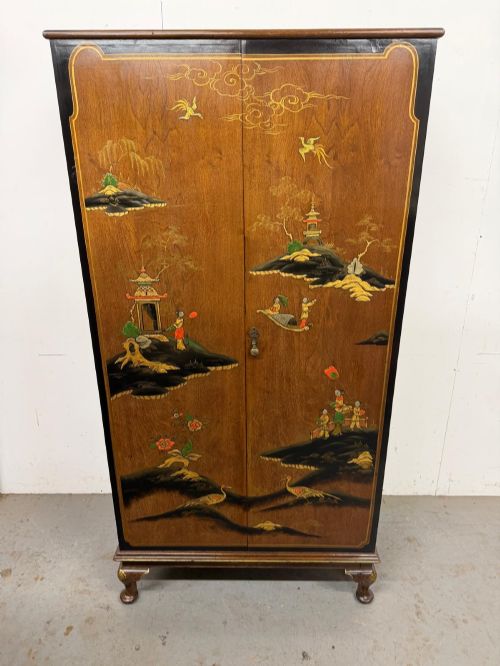
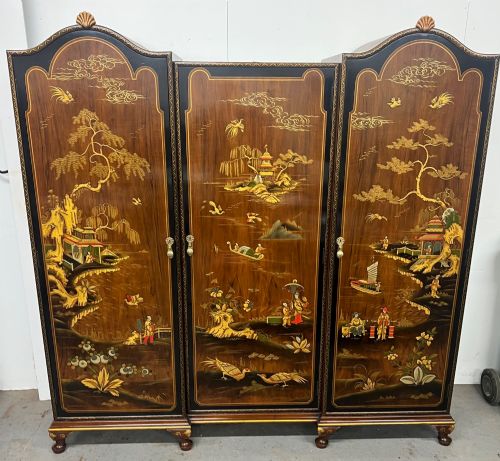
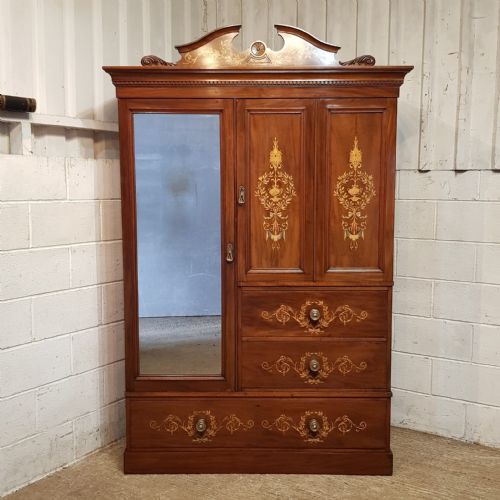
Mahogany and walnut dominate the forms, frequently enriched with elaborate inlays or distinctive lacquer work. Pieces range from single door cupboards to expansive triple wardrobes and complete bedroom suites.
The aesthetic bridges late nineteenth century bulk with lighter revival movements like Sheraton and Chinoiserie. Buyers find practical clothes storage built to substantial architectural scales.
Materials and construction
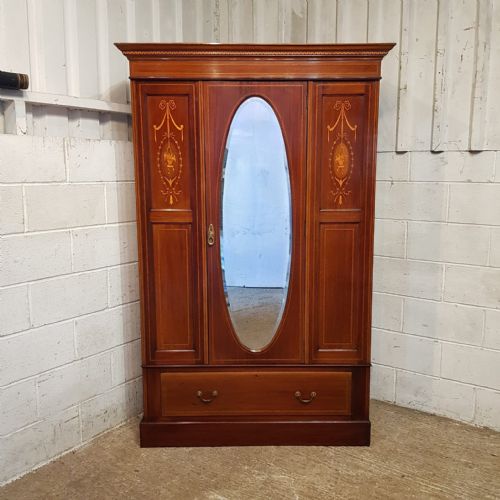
Cabinet makers built these large bedroom pieces using solid timbers and decorative veneers such as mahogany, walnut, satinwood, and oak. Brass hardware provides functional pulls and key escutcheons while glass panels appear on selected door fronts.
Surface ornamentation relies on contrasting string inlays, gilding, and intricate Chinoiserie lacquer techniques. Construction methods combine traditional carcase framing with fitted interior linen slides and hanging spaces.
Sir Edwin Lutyens styles occasionally sneak into wardrobe corners, proving that even grand bedroom furniture needs an architectural wink.
Quality factors in large storage furniture
Quality rests upon the selection of cabinet timbers and the precision of the decorative inlays. Superior examples display carefully matched grain patterns, tight joinery, and intact lacquer finishes.
The integration of internal configurations like linen presses and compactum drawers adds complexity that distinguishes standard cupboards from master cabinet work.
Edwards and Roberts·Maples and Co·Druce and Co
The Edwardian Style Wardrobe Glossary
- Compactum
- A multi-section wardrobe combining hanging space with internal drawers, shelves, and linen slides. This efficient form maximises bedroom storage within a single architectural unit.
- Linen press
- A tall cupboard featuring sliding trays in the upper section above clothes drawers below. It originally served to store flat household linens before general hanging wardrobes became standard.
- Tallboy
- A stacked chest of drawers or small cupboard standing high off the floor. It offers vertical storage capacity for rooms with limited wall space.
- Chinoiserie
- European decorative style imitating Chinese artistic motifs through painted lacquer and gilding. It appears on cabinets and bedroom suites to create exotic visual texture.
- Sheraton Revival
- A late nineteenth century design movement drawing upon eighteenth century neoclassical furniture proportions. Pieces display refined symmetry, subtle mahogany veneers, and delicate string inlay.
Edwardian Style Wardrobe: Frequently Asked Questions
What is a compactum wardrobe?
A compactum combines hanging compartments with internal banks of drawers and shelves in one frame. It provides comprehensive clothing storage without requiring multiple separate bedroom chests.
Cabinet makers designed these units to maximise interior utility during the late nineteenth and early twentieth centuries.
How do I fit a large wardrobe in a modern room?
Measure your ceiling height and floor space carefully before selecting a multi-door or triple wardrobe. These substantial pieces require generous wall clearance and proper alignment on uneven floors.
Consider dismantling complex compactums or suites for transport if stairwells or tight hallways restrict direct passage into the bedroom.
How do I distinguish Edwardian from Victorian pieces?
Edwardian wardrobes generally favour lighter wood tones, simpler lines, and Sheraton revival influences compared to heavy Victorian carcases. Victorian examples often display darker mahogany, denser mouldings, and more assertive proportions.
Chinoiserie lacquer work and satinwood stringing appear frequently across Edwardian transitional styles.
Can these wardrobes be dismantled for moving?
Many large nineteenth and early twentieth century wardrobes feature modular carcase construction that separates into cornice, base, and flanking sections. This modular design helps installers navigate tight turns and staircases.
Solid oak and massive mahogany suites require careful handling during any relocation to protect historical joinery.