

Edwardian Style Coffee Table
An Edwardian style coffee table brings low-level practicality and period timber into a sitting room.
Identifying an Edwardian style coffee table
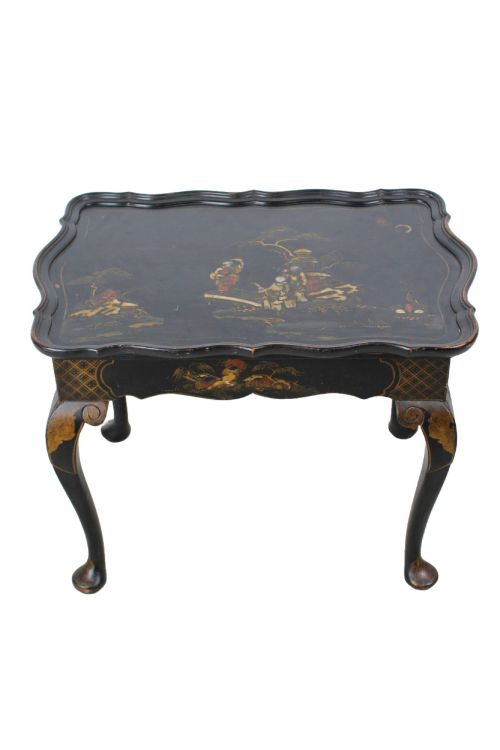
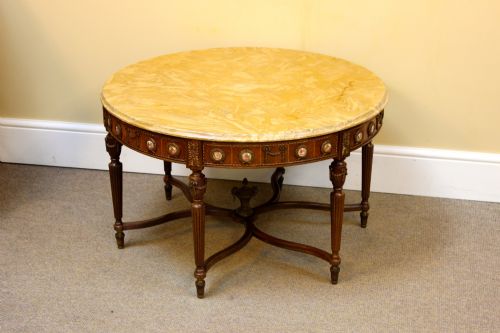
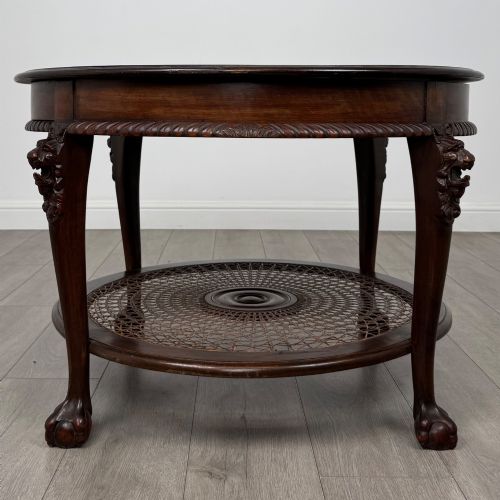
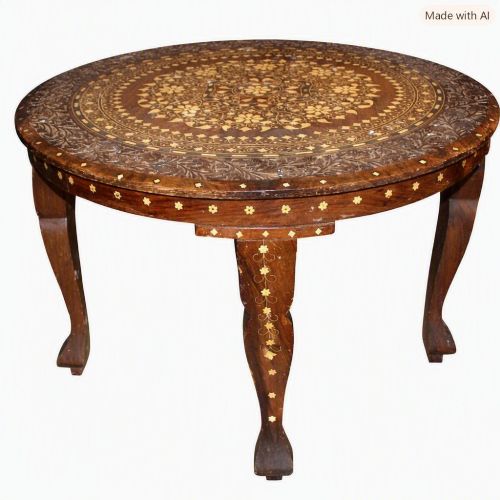
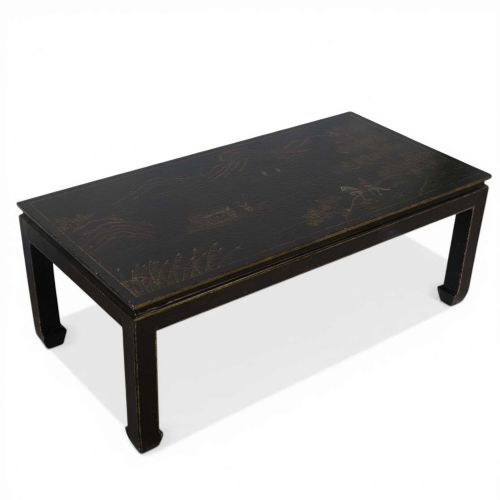
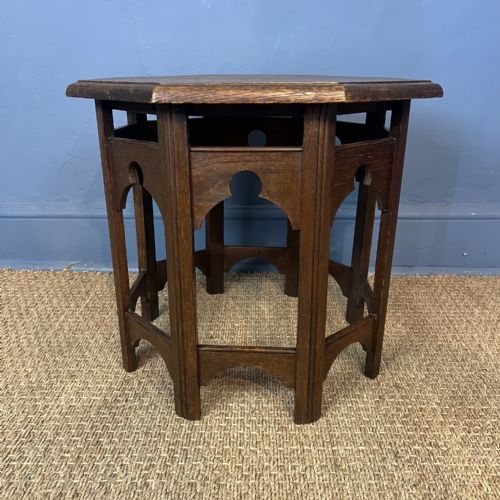
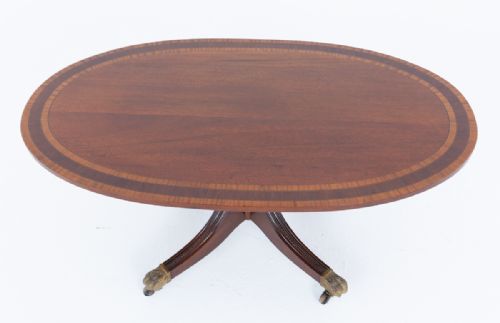
When you search for an Edwardian style coffee table, you encounter low tables designed for living spaces, drawing upon earlier aesthetics like Chippendale Revival, Queen Anne Style, and Regency Revival. These pieces emerge primarily from the Edwardian period, alongside examples spanning the Victorian era, the 1920s, the 1930s, and the wider nineteenth century.
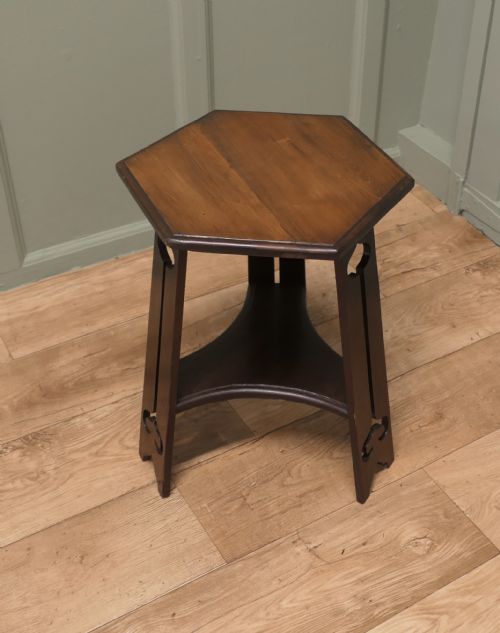
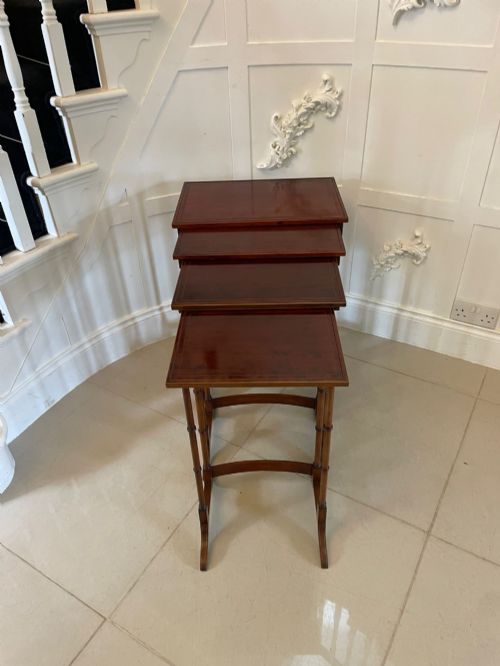
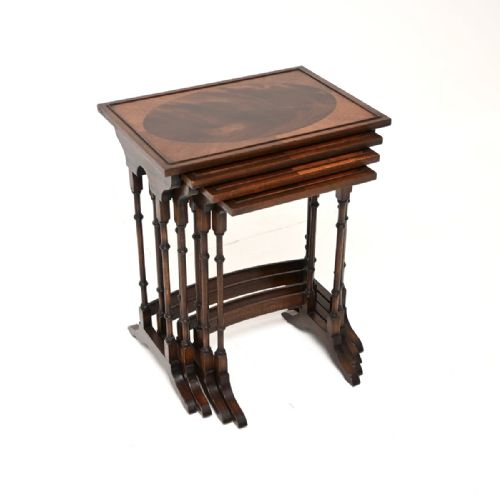
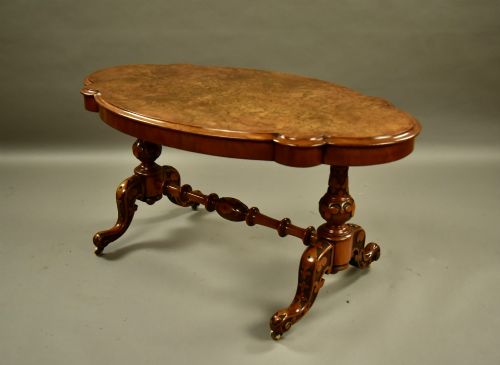
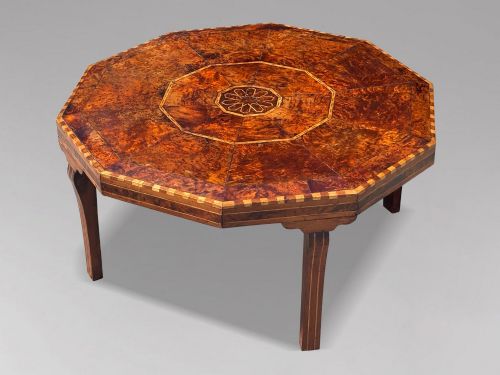
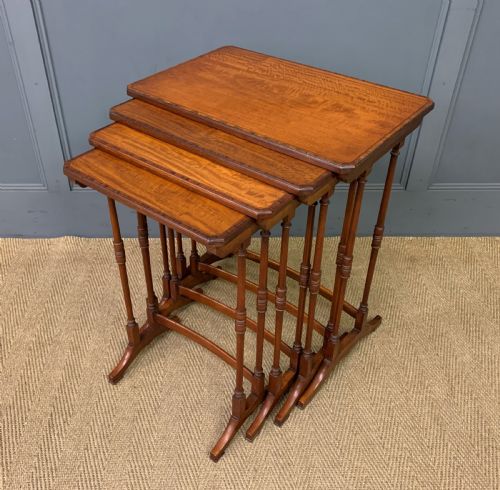
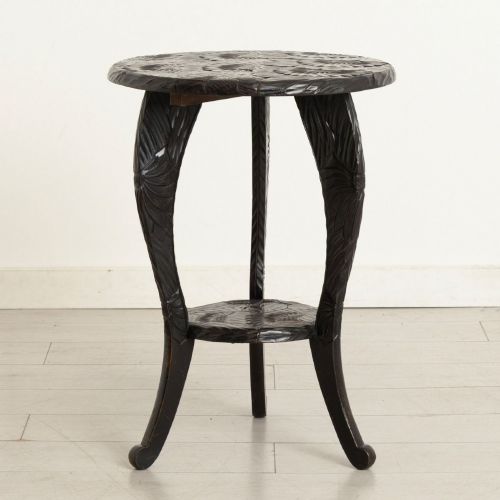
The forms documented on this page include standard coffee tables, tray top designs, pie crust tables, and nesting sets. Materials range from solid mahogany and walnut to yew wood and burr walnut, frequently enhanced by figured walnut veneer and brass accents.
Construction and materials
Construction relies heavily on traditional cabinet-making timbers, chiefly mahogany and walnut, selected for both structural stability and rich grain patterns. Artisans also utilise specialised surfaces, applying figured walnut veneer, oyster veneer, and cane details to create varied visual textures.
Fine decorative elements such as brass fittings and carved pie crust edges require precise hand-working techniques. Timbers are shaped into revival styles that echo Georgian, Regency, and Chippendale aesthetics, uniting historical design vocabulary with the practical height required for a coffee table.
Retail Price Guide 2026
Typical UK retail prices for edwardian style coffee table, calculated from the Sellingantiques database of over a million retail prices indexed since 2003. This retail price guide relies exclusively on Sellingantiques data; no external sources or auction records are used, so the figures do not describe the wider market.
Some tables double as nesting sets, offering four companion pieces ready to emerge whenever tea guests outnumber the available surface area.
Assessing quality and craftsmanship
The distinction between standard examples and finer pieces rests in the selection of timber and the execution of surface decoration. Tables utilising highly figured walnut veneer or meticulously matched yew wood oyster veneer demonstrate a superior grade of material sourcing by the maker.
Refinement in carving and edge treatment, such as a well-defined pie crust border or crisp Chippendale revival detailing, separates ordinary production from more accomplished work. The integration of quality brass hardware and well-executed cane panels further elevates the standing of an individual table.
The Edwardian Style Coffee Table Glossary
- Pie crust table
- A small table featuring a raised, scalloped edge carved in curves resembling pastry crust. This decorative rim is typically shaped directly from the solid timber top.
- Oyster veneer
- Slices cut transversely across small branches or roots to produce circular or oval patterns resembling oyster shells. This technique creates a distinctive, decorative mosaic effect across the surface.
- Tray top table
- A table designed with a raised rim or handles resembling a serving tray. This feature prevents items from sliding off the surface during use.
- Chippendale Revival
- A decorative style popular in the late nineteenth and early twentieth centuries that reinterprets eighteenth-century designs by Thomas Chippendale. It often incorporates carved cabriole legs and elaborate timber work.
Frequently Asked Questions
What is an Edwardian style coffee table?
An Edwardian style coffee table is a low piece of furniture designed for living spaces, drawing upon earlier aesthetics like Chippendale Revival and Queen Anne style. These tables are constructed from timbers such as mahogany and walnut.
They reflect historical design vocabulary adapted for domestic use during the early twentieth century and surrounding periods.
How do I identify the wood?
Makers utilised various primary timbers and decorative veneers, including solid mahogany, walnut, yew wood, and burr walnut. Closer inspection reveals grain patterns and finish characteristics unique to each species.
More elaborate examples incorporate figured veneers or oyster cuts to create decorative surface patterns.
What styles are included?
The pieces span several revival aesthetics, reflecting Georgian, Regency, and Chippendale influences alongside Victorian forms. These stylistic revivals borrow motifs from earlier centuries while serving contemporary furniture functions.
Details such as carved edges and specific leg forms indicate which historical aesthetic inspired the piece.
Were these tables made for coffee?
While modern usage designates them as coffee tables, earlier low tables often served as tea tables, lamp tables, or nesting sets. The height and surface design suited various domestic tasks in the parlour or drawing room.
Over time, many of these versatile low tables naturally transitioned into the role of a modern coffee table.