
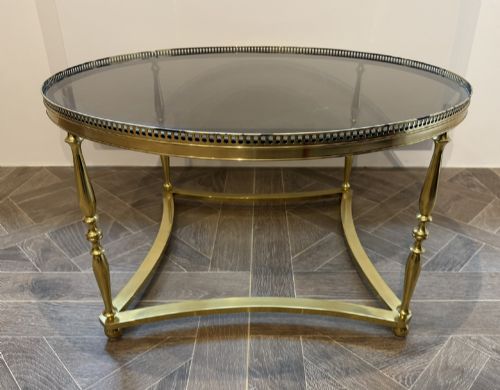

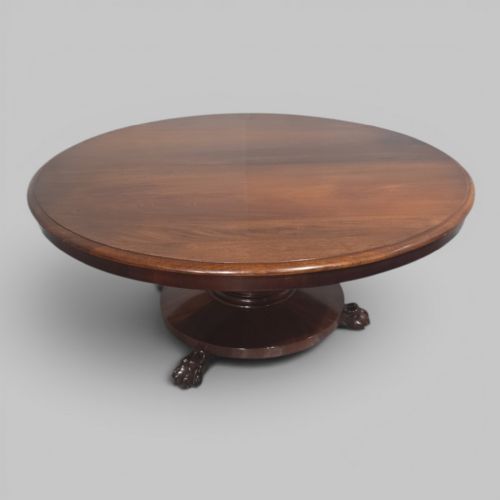


Round Cocktail Table
A round cocktail table brings practical surface space and distinct period character to a room, offering circular proportions that soften angular furniture arrangements.
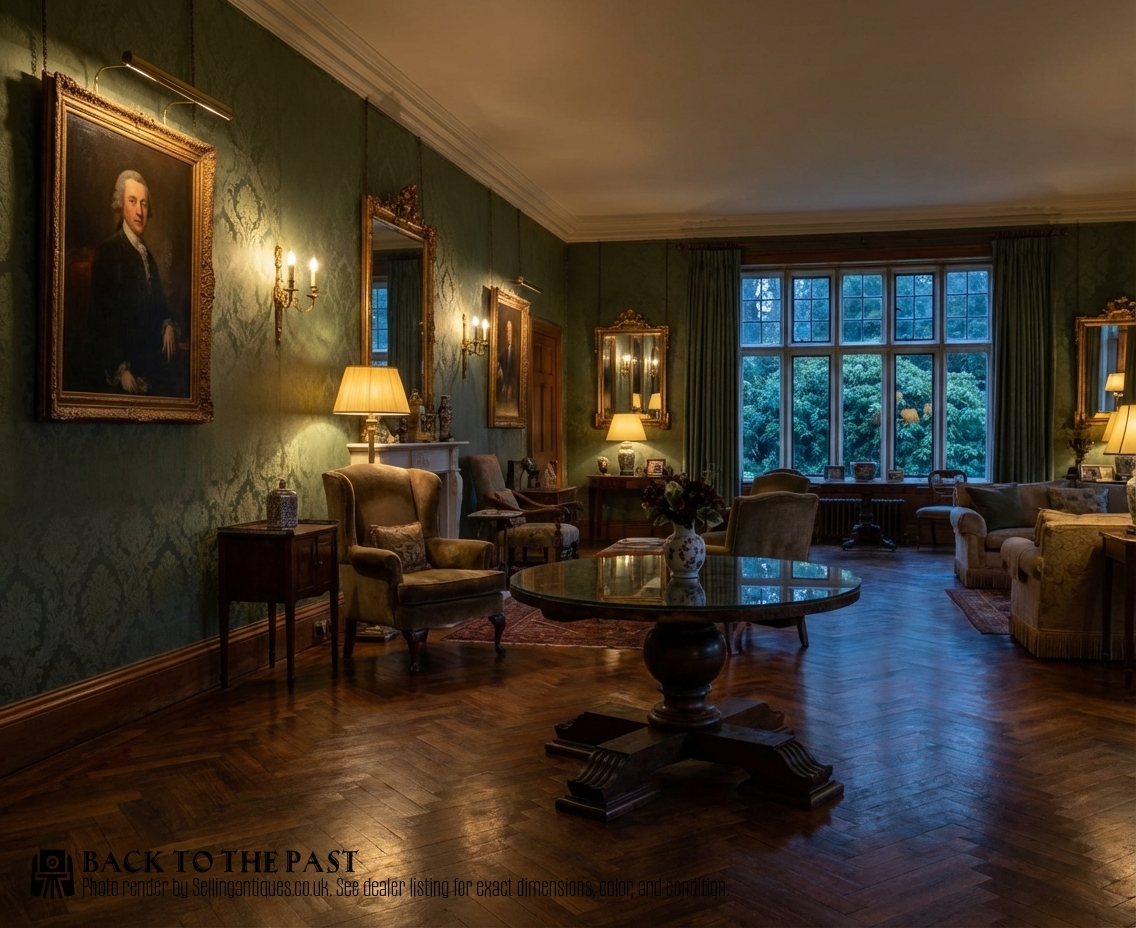
Round Cocktail Table
When you search for a round cocktail table, you encounter low occasional furniture designed for central placement in a seating area. These circular tables serve everyday utility while displaying the decorative movements of past decades.
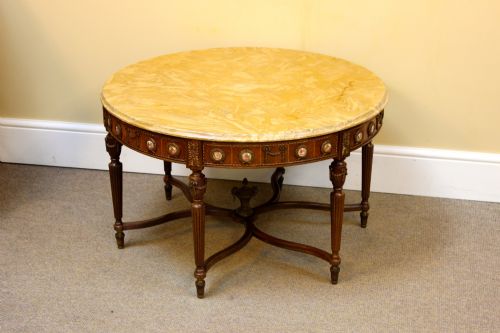
The selections span diverse eras from Edwardian and Victorian precedents through Art Deco and Mid-Century Modern iterations. Walnut, mahogany, and marble dominate the physical forms seen across these variations.
You meet both French designs and British revivals, alongside brass frames and marquetry surfaces. The overarching form remains consistently circular, resting on low legs or central pedestals.
How they were made
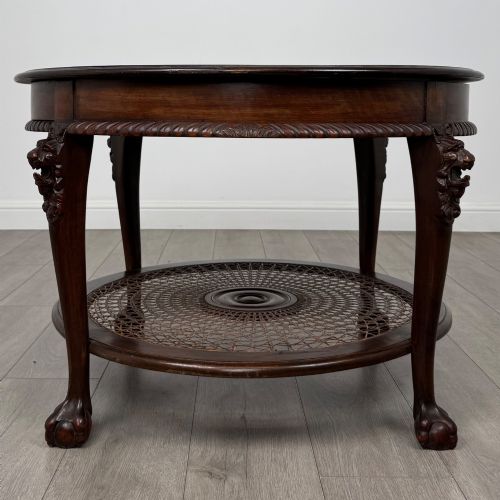
Cabinet makers utilised solid timbers alongside specialised veneers such as burr walnut and figured walnut to create patterned table tops. Timber frames were shaped, carved, and polished by hand to accentuate the natural grain.
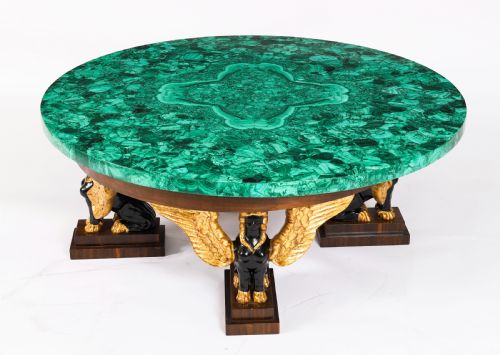
Other variants incorporate inset marble slabs, brass mounts, and giltwood details to achieve decorative contrast. Ebonising and patinated finishes appear on specific frames alongside marquetry inlay work.
Listings span several decades, featuring Art Deco, Edwardian, and Mid-Century Modern periods alongside materials like walnut, marble, and brass.
What varies in quality
The standard of execution depends upon the selection of timber veneers and the precision of the joinery. Tables featuring matched burr walnut or detailed marquetry demonstrate higher levels of craftsmanship than plain utility pieces.
Structural integrity relies on the rigidity of the leg joints and the stability of the central pedestal or frame. Finer examples maintain crisp carving definition and balanced proportions without relying on heavy surface finishes.
The Round Cocktail Table Glossary
- Burr walnut
- A highly figured timber harvested from walnut tree growths, prized for its swirling grain patterns. It is frequently utilised as a decorative veneer on table tops.
- Pie crust
- A carved, scalloped raised edge running around the perimeter of a circular table top. This decorative detail echoes 18th-century furniture traditions.
- Marquetry
- The art of applying small pieces of veneer to a structure to form decorative patterns or pictures. Craftsmen use various woods to achieve tonal contrast.
- Giltwood
- Timber that has been coated with a thin layer of gold leaf or metallic paint. It appears on decorative frames and mounts.
- Ebonising
- A finishing process that darkens timber to resemble ebony. It provides a dense black surface finish on specific period frames.
Round Cocktail Table: Frequently Asked Questions
What is a round cocktail table used for?
These tables provide a central surface for resting drinks, books, and decorative objects within a sitting room arrangement. Their circular footprint allows for easy movement around the perimeter.
They also serve as a focal point that unites surrounding armchairs and sofas. The low profile keeps sightlines open across the room.
How do I identify Art Deco tables?
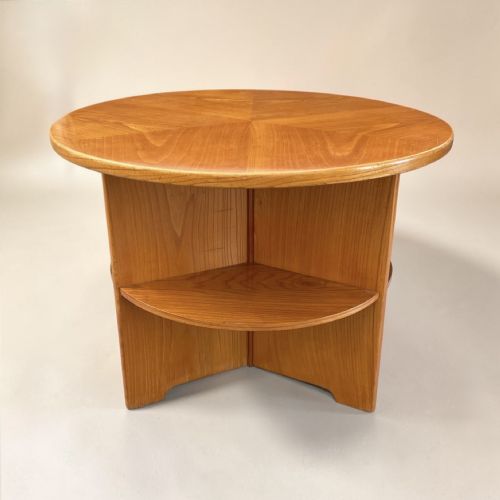
Art Deco examples typically display geometric symmetry, clean lines, and rich wood veneers like burr walnut or satin birch. They originate predominantly from the 1920s and 1930s.
Decoration is minimal, relying instead on the natural grain patterns of the timber. Metal or contrasting wood banding often edges the circular top.
Are marble tops period original?
Many Edwardian and continental tables incorporate fitted marble tops as part of their original design. White and veined marble varieties are common on French and Edwardian pieces.
The stone provides a durable, heat-resistant surface that contrasts with wooden frames. These tops sit recessed into the wooden rim or rest directly on the frame.
How do revival styles differ?
Revival pieces draw inspiration from earlier eras such as Chippendale, Queen Anne, or Louis XVI, incorporating classical motifs onto 20th-century forms. They exhibit traditional carving and proportions adapted for low coffee table heights.
Cabinet makers during the Edwardian period frequently utilised these historical styles. The construction methods reflect early 20th-century workshop practices rather than 18th-century techniques.