

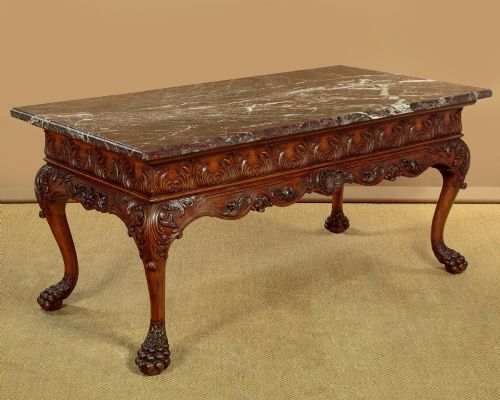


Carved Mahogany Low Table
A carved mahogany low table brings rich grain and solid timber to a room, offering a sturdy surface for daily use.
Carved Mahogany Low Table
A carved mahogany low table provides a compact surface for living spaces, drawing on periods from the nineteenth century to the early twentieth century. Buyers seeking a carved mahogany low table will encounter coffee tables, side tables, and low lamp tables shaped by traditional revivals.
The selection includes pieces styled after earlier eras, such as Chippendale and George II revivals, alongside Victorian and Edwardian examples. Makers utilised rich timber to create low surfaces suited to afternoon tea and display.
How they were made
Craftsmen built these tables using solid mahogany, frequently incorporating carved details along the edges and legs. Workshops applied traditional joinery methods to ensure stability across low table forms.
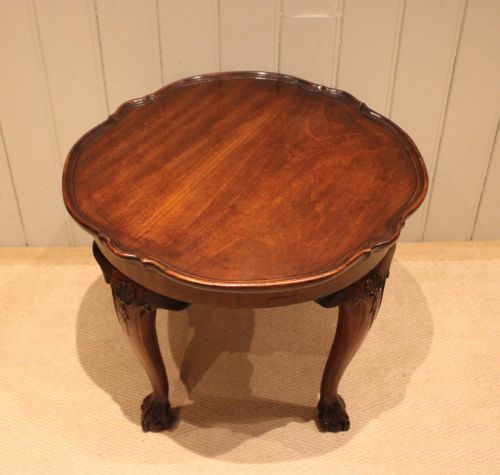
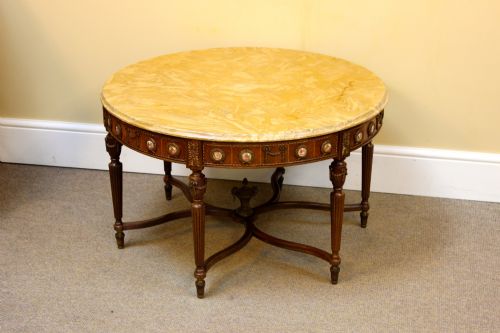
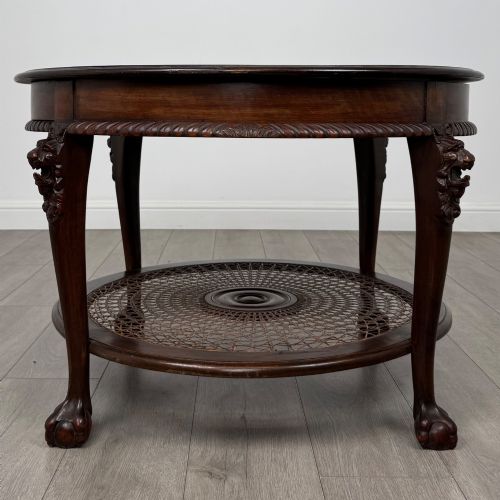
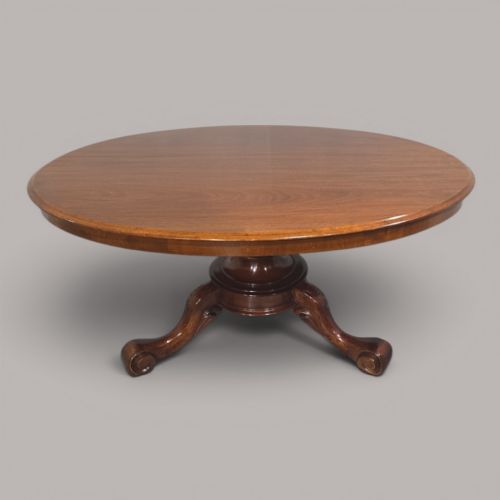
Surfaces occasionally feature integrated materials such as marble inset tops, brass accents, or leather inserts. Carved cabriole legs and tripod bases appear frequently, supporting the weight of the dense wood.
Listings feature mahogany combined with marble, brass, leather, and fabric across nineteenth and twentieth-century periods.
What varies in quality
Quality rests in the crispness of the timber carving and the selection of the mahogany grain. Tables displaying deeply defined moulded edges and balanced proportions demonstrate superior workshop execution.
The choice of secondary woods and the precision of the joinery distinguish standard production from finer pieces. Original hardware, such as brass fittings, and intact structural frames elevate the standing of a table.
Gillows of Lancaster
The Carved Mahogany Low Table Glossary
- Mahogany
- A dense, reddish-brown tropical hardwood prized for its stability and rich grain. It takes a fine polish and responds well to intricate carving.
- Pie crust table
- A small round table featuring a raised, carved moulded edge resembling pastry work. This decorative border is shaped directly from the solid timber top.
- Cross stretcher
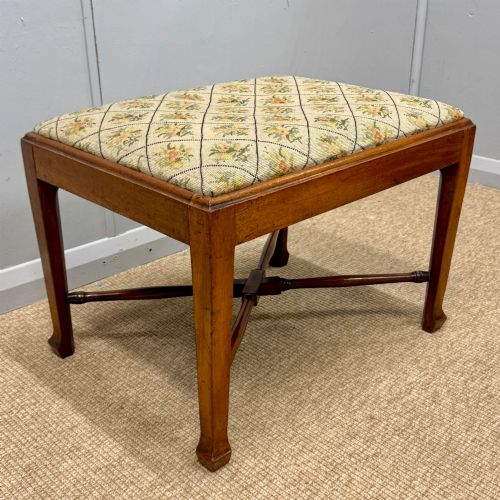
- An X-shaped wooden brace connecting the legs of a table or stool for added stability. It often intersects at a central point beneath the surface.
Carved Mahogany Low Table: Frequently Asked Questions
How do I style a low table?
Position the table centrally before seating to allow easy access from all sides. Keep surface arrangements simple to showcase the timber grain and carved details.
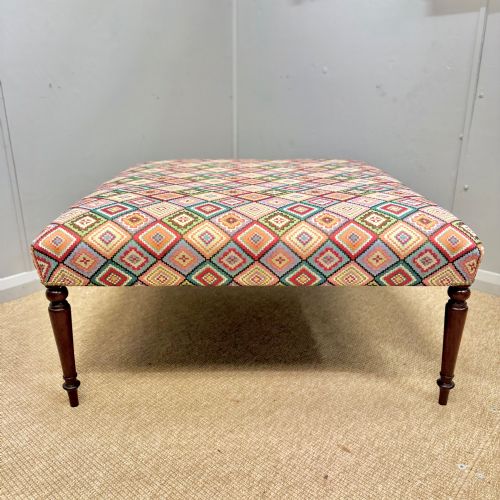
Combine the piece with complementary seating, such as upholstered stools or footstools, to maintain a balanced proportion within the room.
What periods do these tables represent?
The pieces span the nineteenth century through the early twentieth century, encompassing Victorian and Edwardian eras. Revival styles from these periods draw heavily on earlier Georgian design motifs.
Earlier influences appear through Chippendale and Regency revivals, reflecting traditional cabinet-making methods adapted for lower domestic surfaces.
How should I clean mahogany?
Dust the timber regularly with a soft, dry cloth to prevent particle buildup on carved surfaces. Avoid silicone-based sprays that can damage the polish over time.
Apply a traditional wax polish periodically to nourish the wood and maintain its natural lustre. Keep the table away from direct heat sources to prevent the timber from splitting.
Are these tables sturdy enough for daily use?
Solid mahogany construction provides the natural strength required for everyday placement in living areas. The dense nature of the wood resists normal wear from daily household activities.
Check that joints remain firm and legs are properly secured to ensure the table supports items safely. Regular placement on even flooring prevents undue strain on the frame.