

Traditional Coffee Table
These traditional coffee table pieces bridge historic craftsmanship and practical living, offering solid timber surfaces and period character for daily rooms.
Traditional Coffee Table
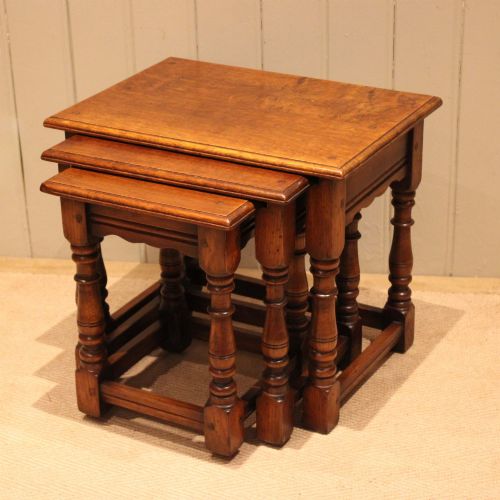
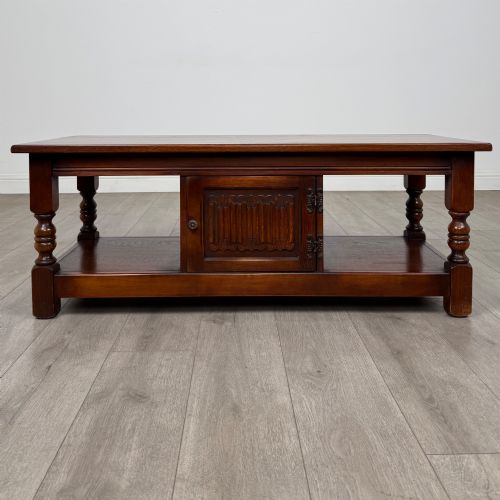
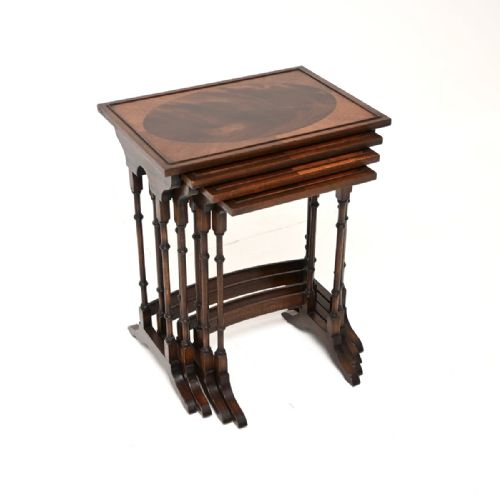
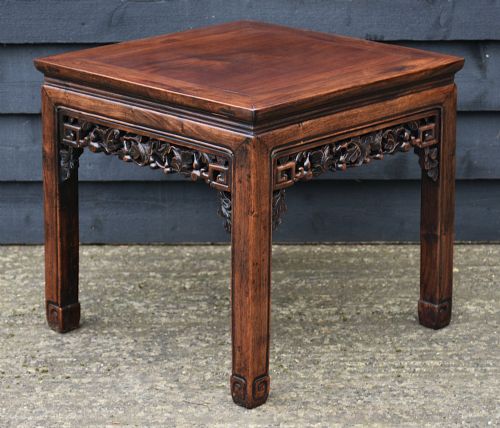
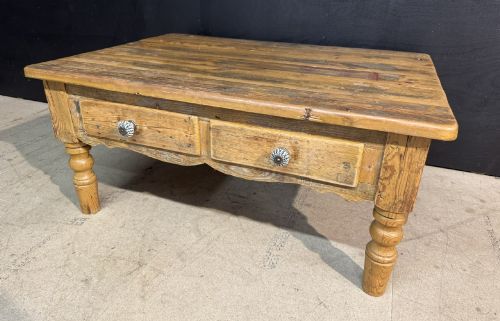
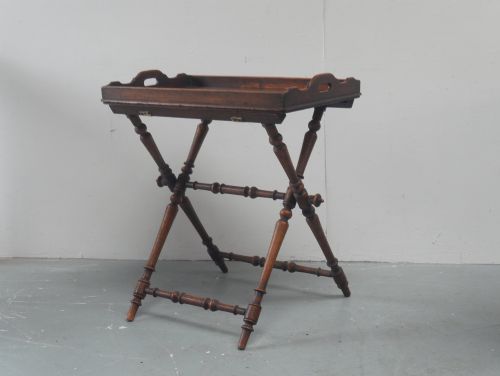
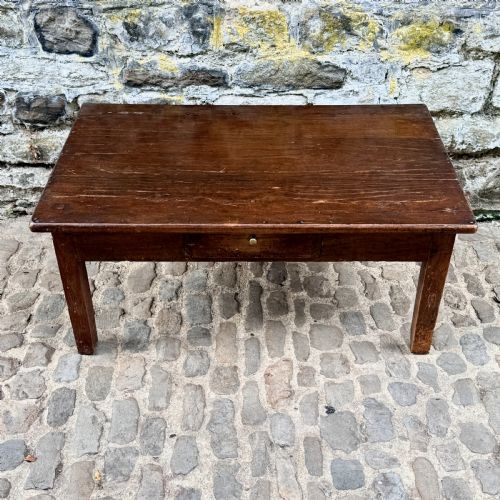
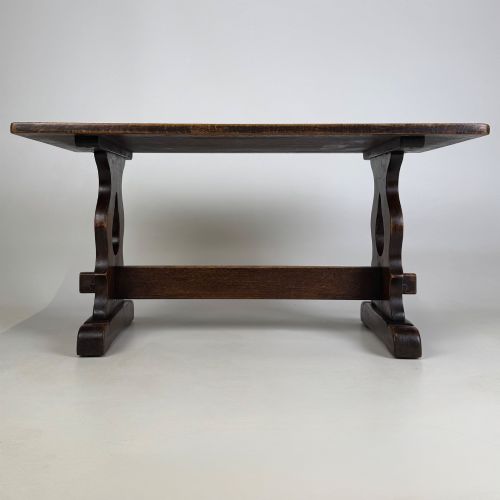
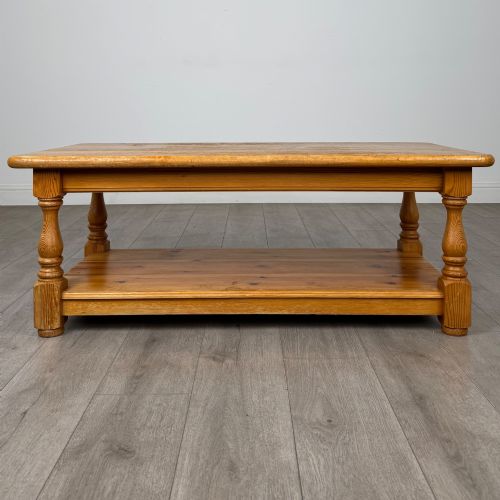
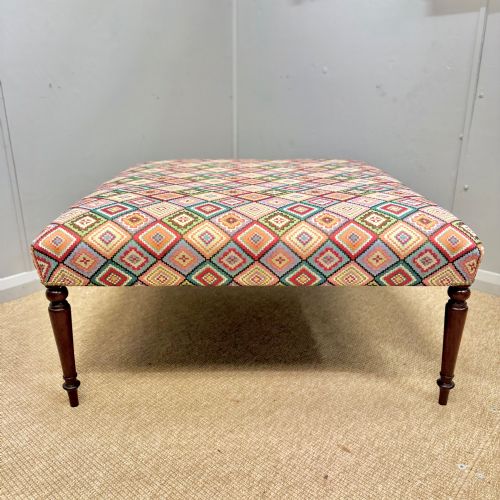
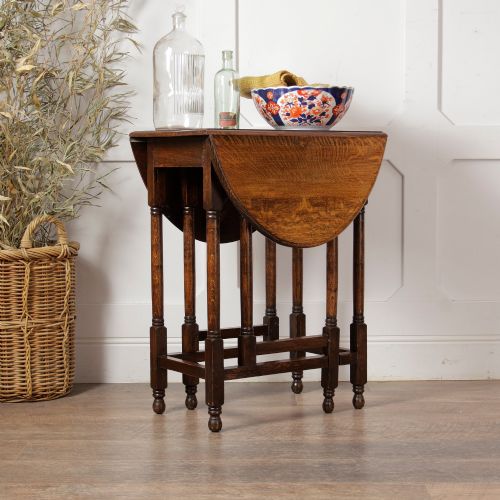
A traditional coffee table takes many historical forms, ranging from low Chinese rosewood designs to adapted butler trays on folding stands and sturdy oak plank tables. Buyers searching for a traditional coffee table encounter diverse formats including nests of tables, occasional tables, and large geometric upholstered footstools.
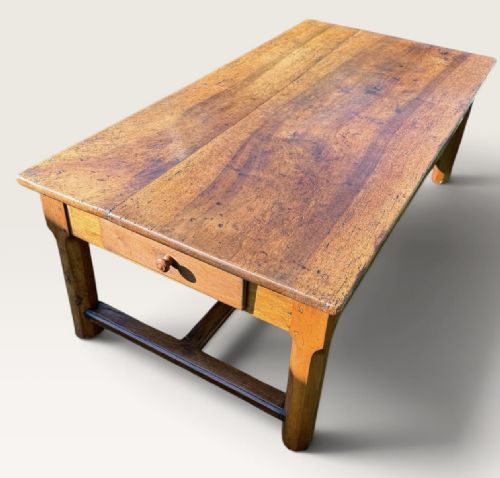
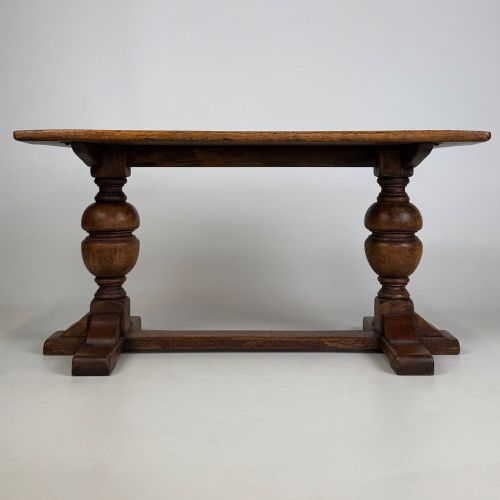
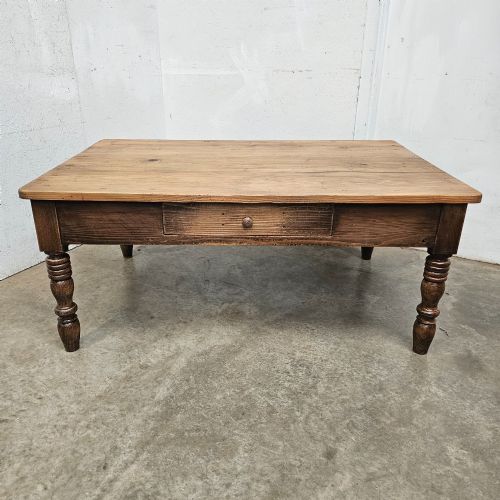
The pieces span multiple eras and origins, drawing upon 18th century, 19th century, and Edwardian periods alongside Georgian style, rustic farmhouse, and Carolean revivals. Oak, mahogany, walnut, and pine dominate the selection, often presenting turned legs, carved details, or tray tops suited to period and country interiors.
How they were made
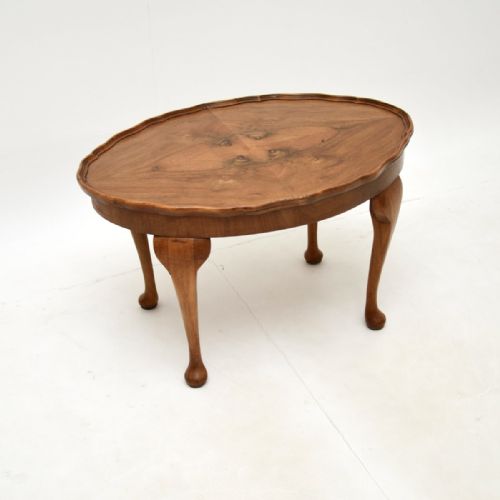
Cabinet makers constructed these tables from solid hardwoods and softwoods including oak, mahogany, walnut, elm, yew, and pine, frequently utilising figured veneers such as burr walnut and oyster veneer for decorative surfaces. Joinery methods relied on solid plank construction, turned legs, and folding stands designed for utility and transport.
Surface details incorporate hand-carving, brass hardware, dragon motifs, and inlaid satinwood, while upholstered footstools feature buttoned red hide and herringbone fabric over substantial frames.
Traditional Coffee Table Retail Price Guide 2026
Typical asking prices for traditional coffee table among the pieces listed under this phrase on Sellingantiques today, from the lower quarter to the upper quarter. They describe what is for sale here now, not the wider market.
Several low tables arrive with dragon details and opium origins, offering an unexpected focal point beside standard English farmhouse oak.
What varies in quality
Quality separates ordinary utility pieces from finer examples through the choice of timber and the ambition of the design, such as figured walnut grain or detailed hand-carving on oak and rosewood. The integration of specialised formats like quartetto nests, oyster veneers, and solid yew wood distinguishes high-status items from standard pine and elm workshop pieces.
The Traditional Coffee Table Glossary
- Butler tray
- A portable wooden tray with hinged sides, designed to lift off a folding wooden stand for serving or display.
- Quartetto nest
- A set of four graduating occasional tables that stack neatly inside one another when not in use.
- Oyster veneer
- Circular cross-section veneer slices arranged to resemble oyster shells, prized on 17th and later walnut furniture.
- Pie crust
- A raised, carved tabletop edge shaped with undulating curves resembling pastry work on traditional baking.
- Gateleg table
- A table with hinged drop leaves supported by swing-out legs that pivot like a gate.
Traditional Coffee Table: Frequently Asked Questions
What is a traditional coffee table?
A traditional coffee table encompasses historical low tables, adapted butler trays, and low occasional pieces built from timbers like oak, walnut, and mahogany.
These items draw on historical aesthetics including Georgian style, Jacobean revival, and rustic farmhouse designs from the 18th, 19th, and early 20th centuries.
How were butler trays used?
Butler trays served as portable serving surfaces where the upper tray lifted directly off its folding wooden stand for carrying food or drinks.
In modern rooms, these stand-and-tray combinations function as flexible surface space that can be folded away when floor space is needed.
What woods are common?
Oak, walnut, mahogany, and pine appear frequently across the selection, complemented by harder timbers like yew, elm, padouk, and rosewood.
Cabinet makers also utilised decorative treatments such as satinwood inlay and burr walnut veneers to enhance the visual grain of the timber.
How do I identify periods?
Period identification relies on observing construction methods, timber choices, and stylistic revivals such as Carolean scrollwork or Queen Anne cabriole influences.
Dates span from 18th century elm pieces through Victorian mahogany formats to Edwardian oak designs and 1930s walnut productions.