
Edwardian Sterling Spoon
When seeking an edwardian sterling spoon, you enter an era of refined dining accessories shaped by Arts and Crafts, Art Nouveau, and traditional revival aesthetics.
Edwardian Sterling Spoon
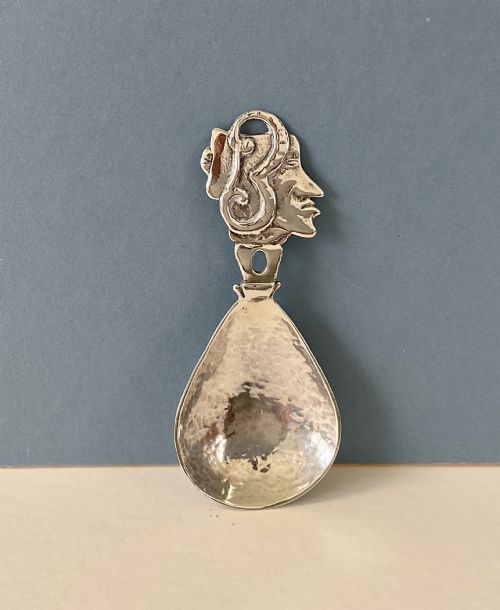
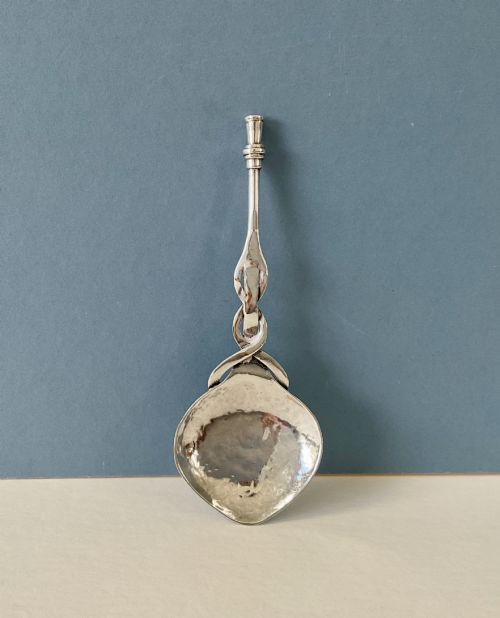
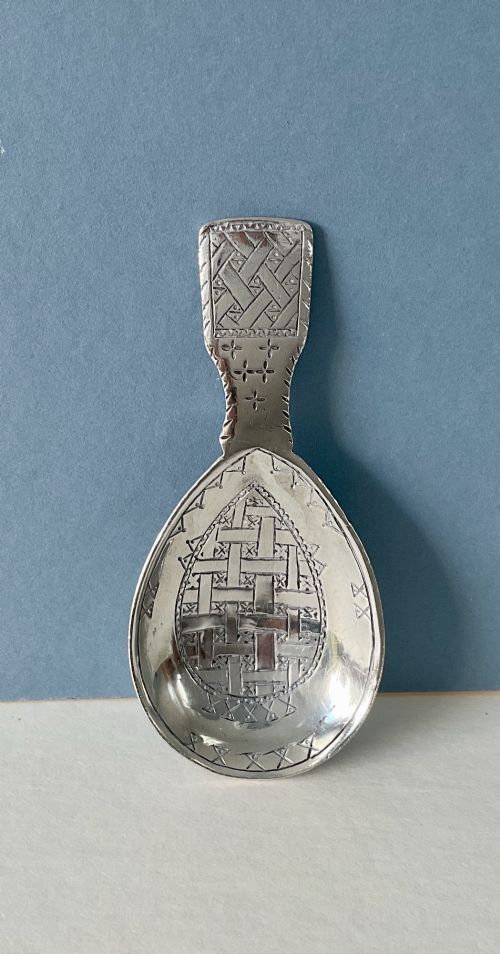
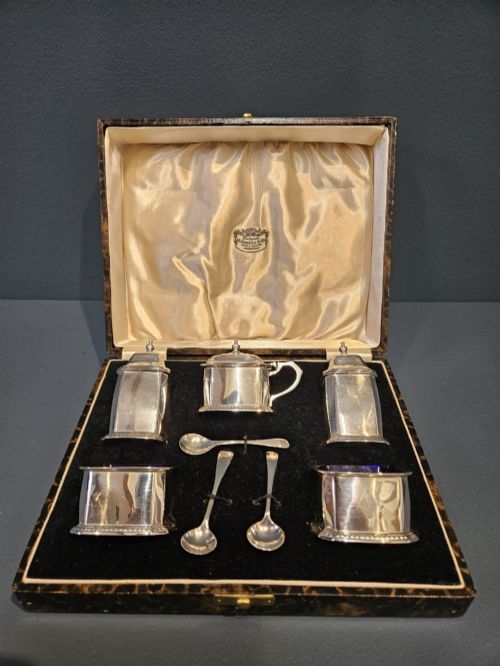
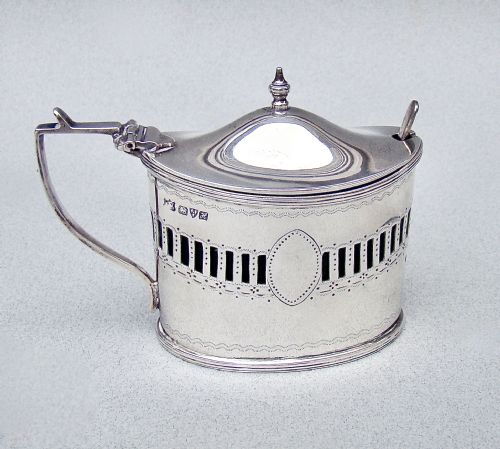
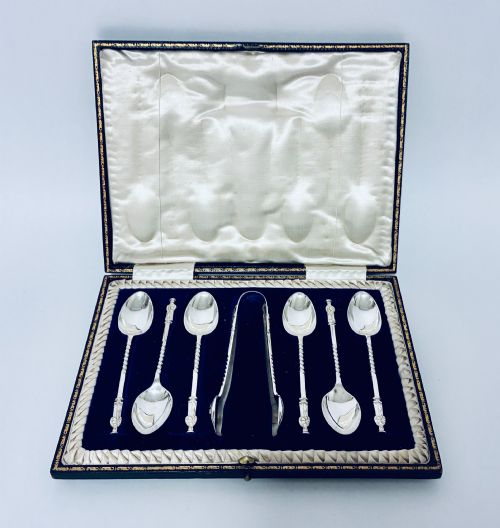
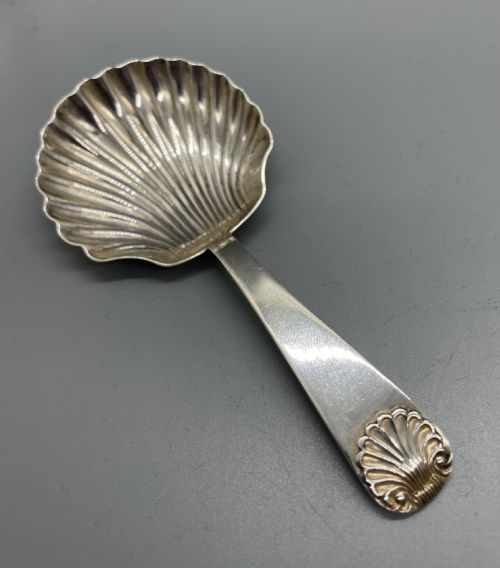
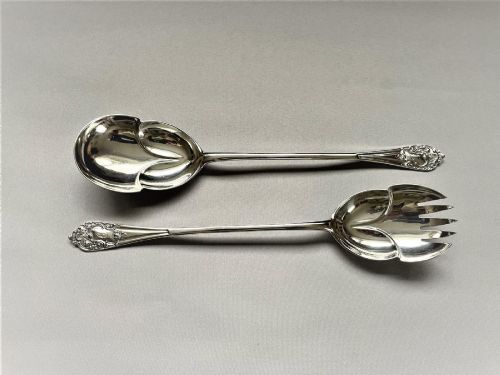
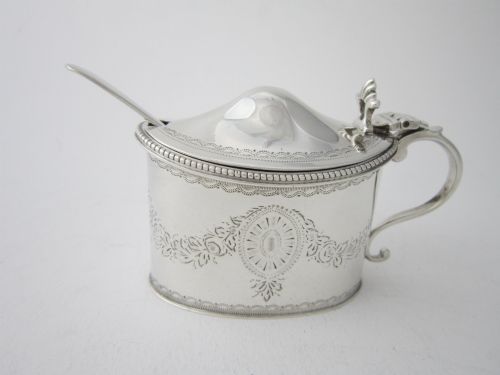
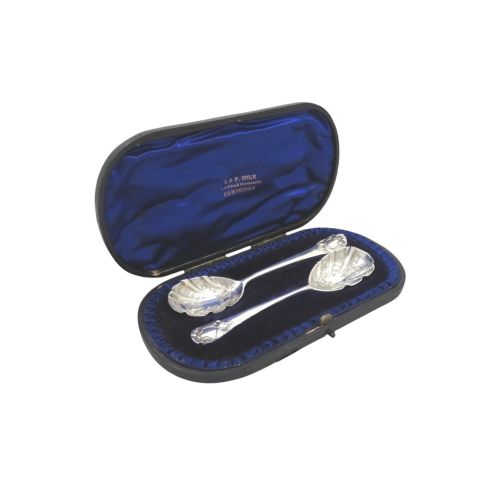
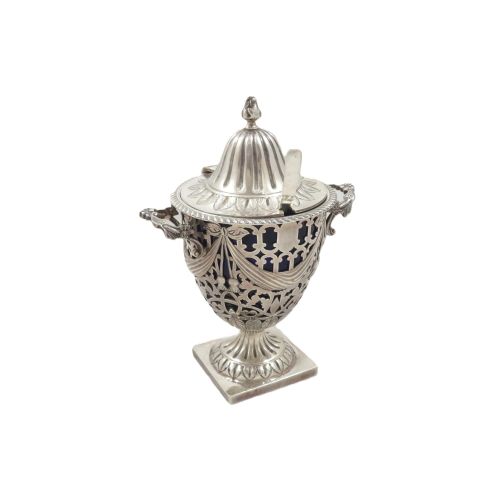
The category encompasses an array of sterling silver flatware and serving pieces created primarily during the early decades of the twentieth century. Caddy spoons, berry spoons, mustard pots with matching spoons, and apostle sets dominate the selection.
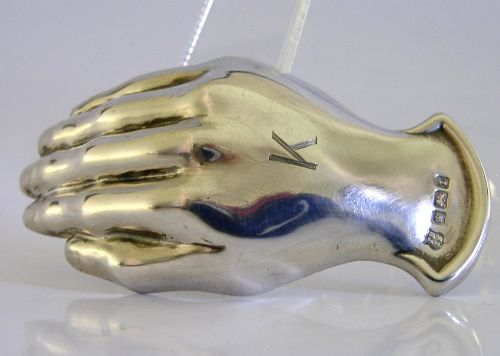
Makers from the period produced both individual novelties, such as jockey cap caddy spoons or hand-shaped tea implements, and extensive cased sets intended for formal dining. Stylistic influences stretch from Victorian heritage to modern modernist turns.
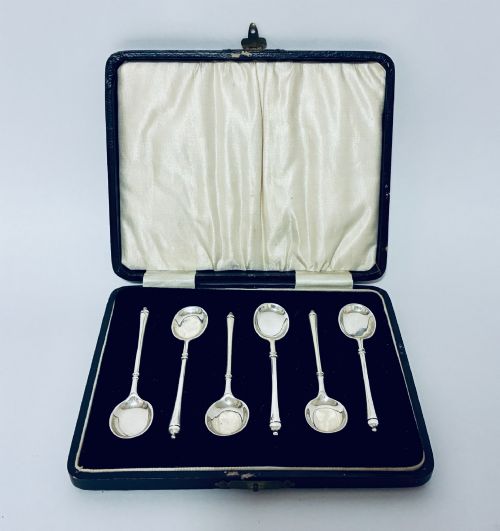
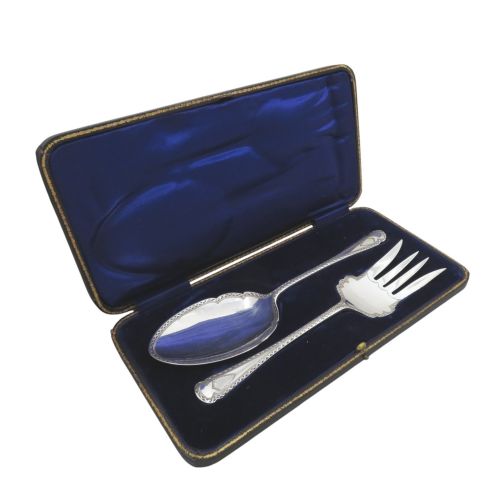
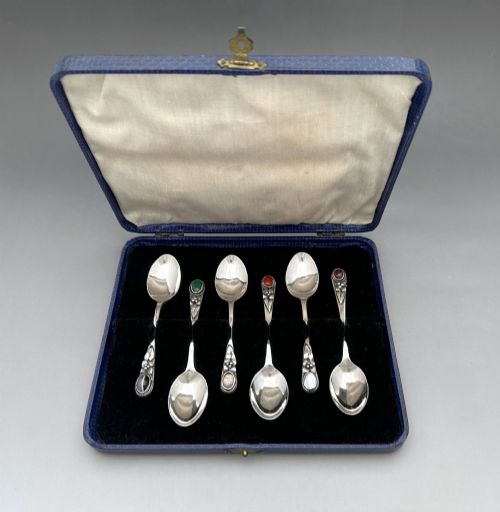
Many items survive inside their original fitted presentation cases lined with velvet, silk, or leatherette. This protective housing frequently includes accompanying forks, tongs, or glass liners in cobalt and ruby red.
How they were made
Silversmiths utilised solid sterling silver, often enhancing select serving spoons and tea items with a layer of silver gilt. Construction techniques involved pressing, casting, and hand-hammering, particularly visible within Arts and Crafts examples.
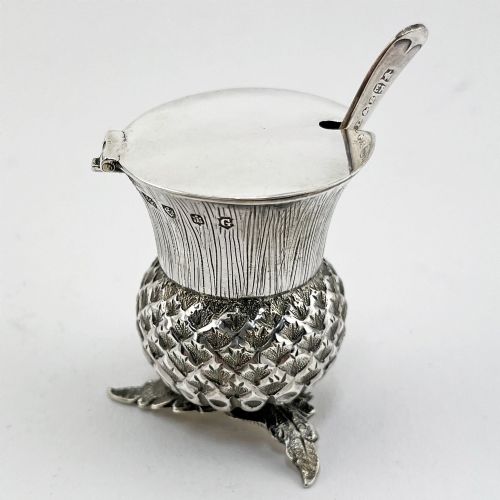
Specialised items integrate contrasting elements such as semi-precious stones set into handles or glass liners fitted inside salt cellars and mustard pots. Hallmarks stamped into the metal record the assay office, city, and year of manufacture.
Listings feature Edwardian, Victorian, and later periods alongside materials including velvet, silk, and cobalt glass.
What varies in quality
The distinction between standard production flatware and superior examples lies in the depth of hand-chased detailing and the weight of the silver used. Heavier gauges and intricate piercing elevate certain serving spoons and caddy designs above utilitarian wares.
The presence of an original maker-branded presentation case alongside complete sets of matched implements influences the desirability of the piece. Craftsmanship tied to notable workshops or specific designers adds architectural and historical distinction.
Alfred Marston·Hamilton and Inches·William Neale·Walker and Hall·Cooper Bros and Sons·Oliver Barker·Amy Sandheim
The Edwardian Sterling Spoon Glossary
- Sterling silver
- A silver alloy containing 92.5 percent pure silver and 7.5 percent other metals by mass. This standard composition provides the durability required for functional tableware.
- Caddy spoon
- A short-handled spoon specifically designed for measuring loose tea leaves from a caddy. These often feature novelty bowls shaped like leaves, shells, or jockey caps.
- Apostle spoon
- A spoon featuring the figure of an apostle or saint cast onto the terminal of the handle. Sets typically include multiple figures associated with early twentieth-century revival interests.
- Silver gilt
- Silver objects coated with a thin layer of gold on the surface. This technique was frequently applied to the interior bowls of berry spoons and sifter spoons.
- Rat tail
- A strengthening tongue of metal running down the back of the spoon bowl from the stem. It references earlier Georgian forms revived during the Edwardian era.
Edwardian Sterling Spoon: Frequently Asked Questions
What is an edwardian sterling spoon used for?
These implements served specific functions at the dining table, ranging from transferring loose tea leaves to serving berries, sugar, or jams. Many smaller spoons were also designed for condiments, coffee, or christening ceremonies.
Specialist items like caddy spoons and sifter spoons highlight the ritualistic nature of Edwardian tea and dessert service. Their varied bowl shapes accommodated distinct foodstuffs during formal meals.
How can I identify an edwardian sterling spoon?
Identification relies on examining the hallmarks stamped directly into the sterling silver surface, which indicate the assay office, standard mark, and date letter. Stylistic cues such as Arts and Crafts hand-hammering or Art Nouveau flowing lines also point to the era.
Comparing the form against historical design revivals helps distinguish the period from earlier Victorian or later twentieth-century production. Original fitted cases can further anchor the date of manufacture.
Were these spoons sold in sets?
Makers produced both individual presentation pieces and large matched sets housed in velvet or silk-lined boxes. Cased collections often paired serving spoons with forks, sugar tongs, or salt cellars.
Complete cased sets were frequently purchased as wedding or christening gifts, ensuring they survived alongside their original protective leatherette packaging. Single novelty items were similarly treasured for personal use or display.
How do I care for sterling silver spoons?
Regular gentle cleaning with a soft cloth helps maintain the polished surface of the sterling silver without removing fine details or gilding. Storing items away from moisture prevents tarnishing over time.
When fitted presentation cases are present, returning the spoons to their velvet or silk linings protects the metal from scratches. Avoid abrasive cleaners that can damage engraved decoration or semi-precious stone insets.