


Edwardian Server Cabinet
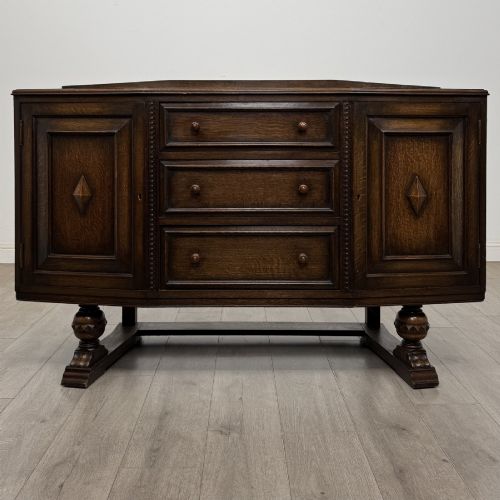
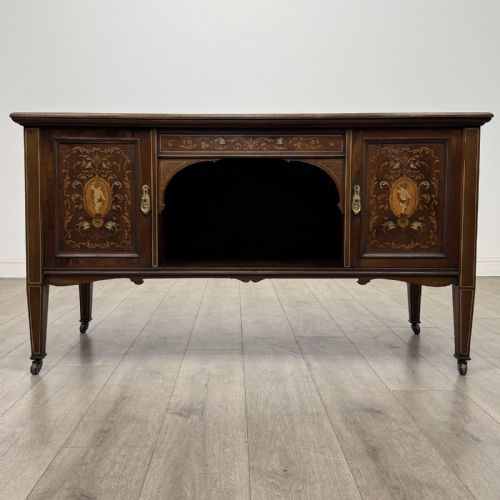
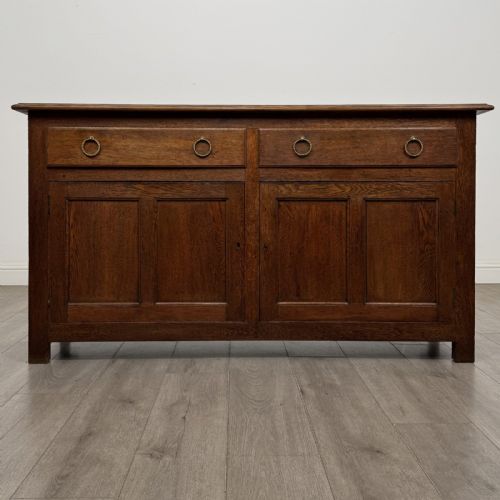
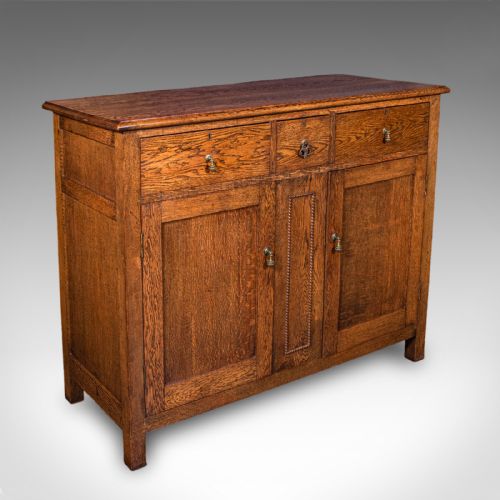
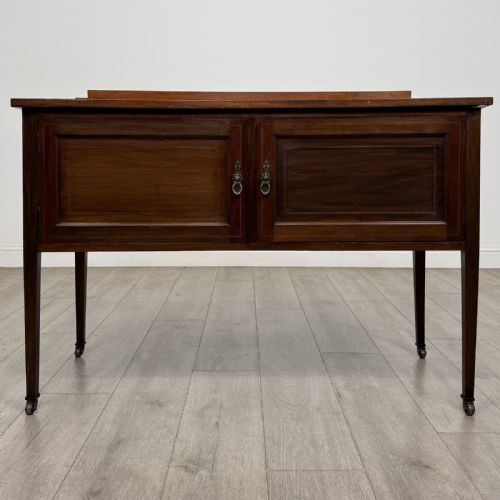
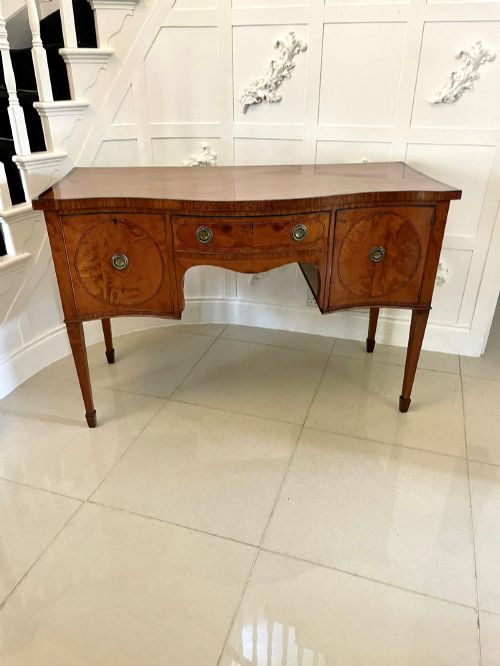
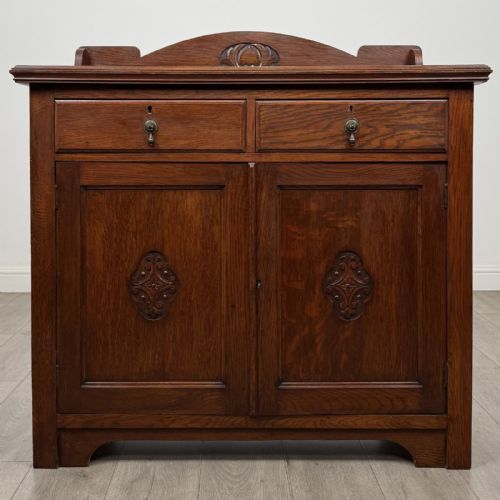
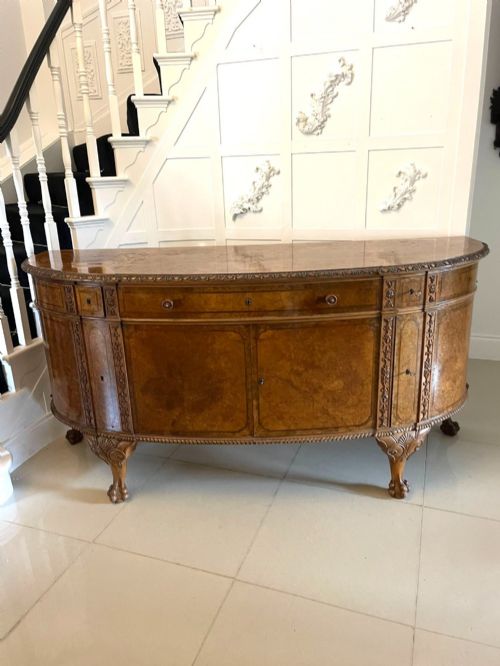
These edwardian server cabinet pieces offer generous dining room storage in rich timbers, combining practical serving surfaces with period craftsmanship.

Edwardian Server Cabinet
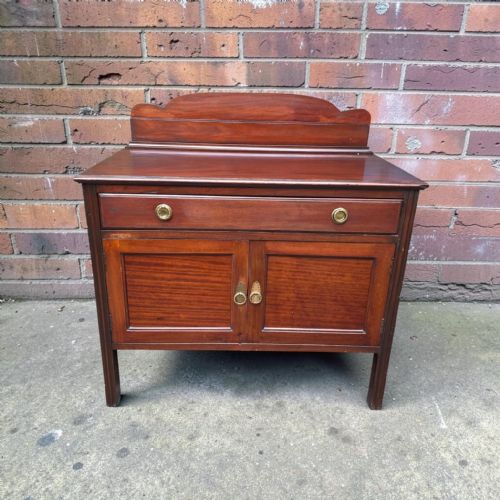
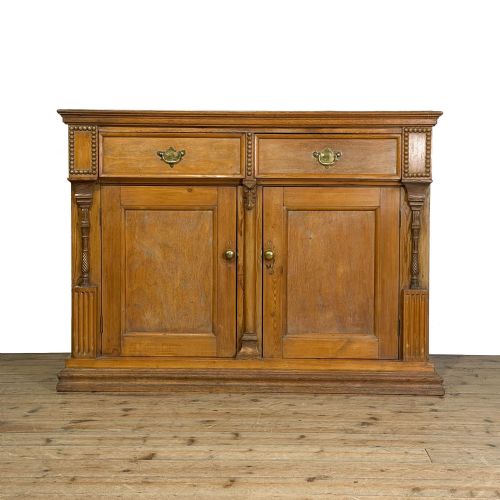
An edwardian server cabinet functions primarily as a dining room sideboard, buffet, or side cabinet designed to hold cutlery, china, and serving dishes. These forms emerge strongly from the Edwardian era alongside earlier Victorian iterations and later 1930 variations.
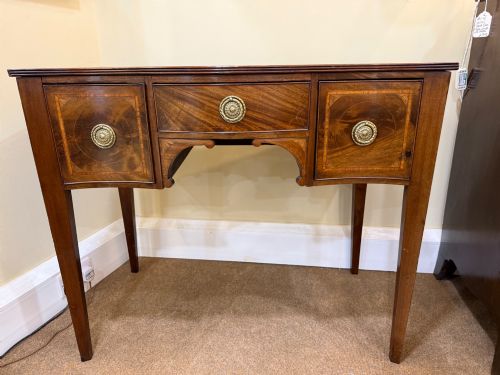
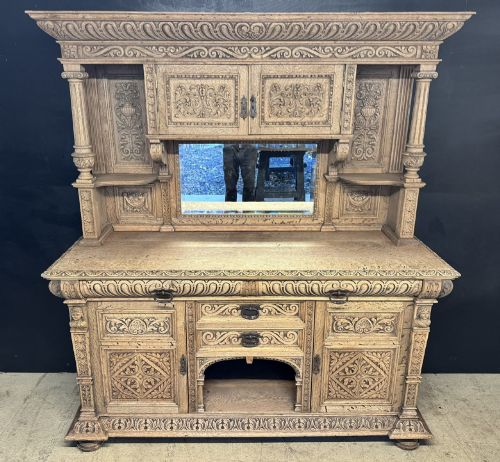
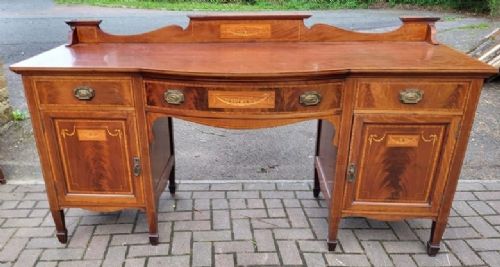
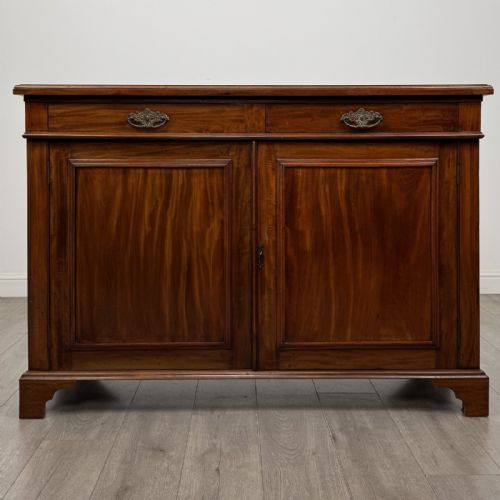
Buyers encounter numerous forms on this page, ranging from compact side cabinets to large bow-fronted sideboards and credenzas. The selection spans straightforward functional cupboards to elaborate revival styles.
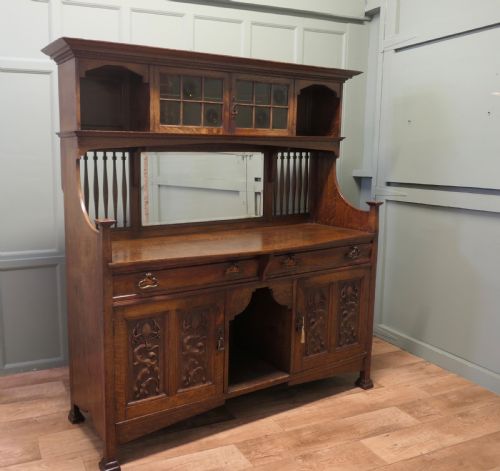
The prevailing aesthetic reflects Edwardian taste alongside strong representations of Arts and Crafts and Sheraton Revival movements. Woods such as mahogany, oak, and burr walnut dominate the structural forms.
The Spectrum of Quality
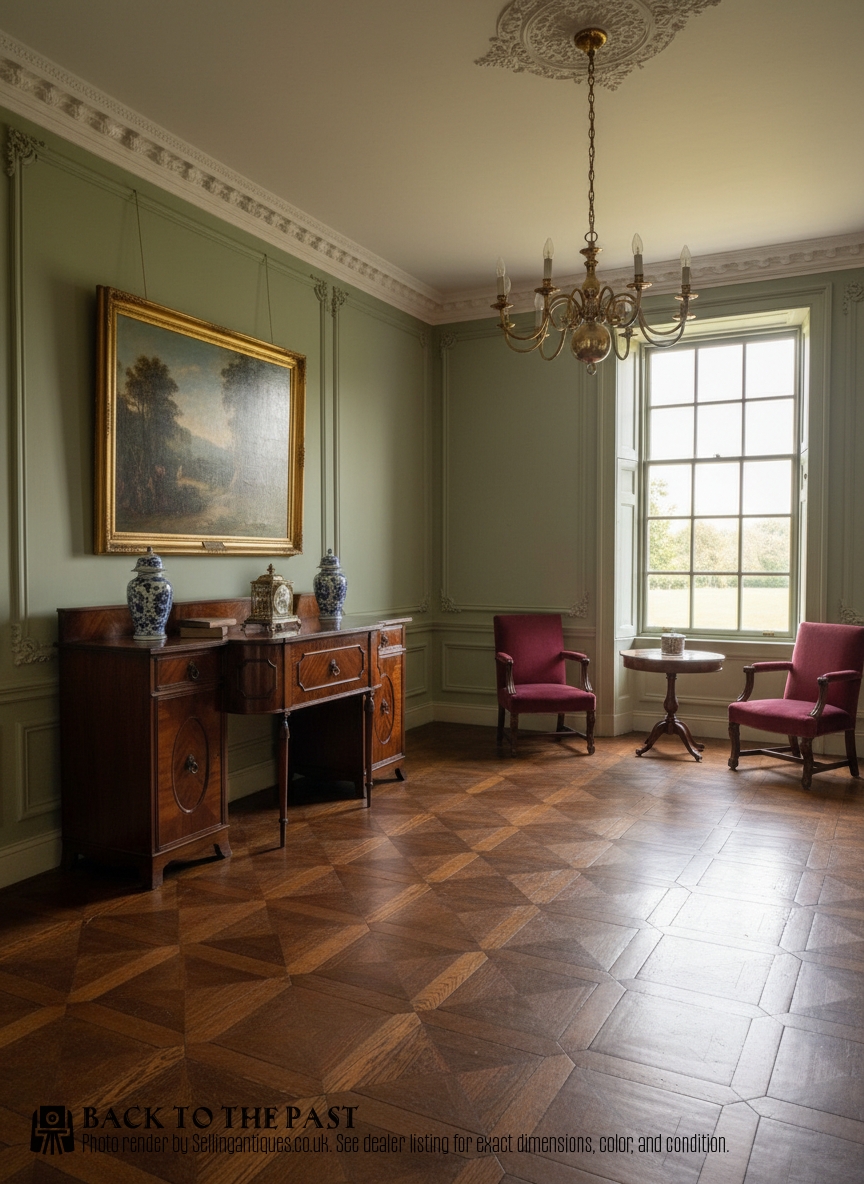
Quality rests upon the selection of timber figures, such as flame mahogany or burr walnut, and the precision of marquetry inlay. Superior examples display refined proportions and deliberate attention to decorative detailing like carving or crossbanding.
Edwardian Server Cabinet Retail Price Guide 2026
Typical asking prices for edwardian server cabinet among the pieces listed under this phrase on Sellingantiques today, from the lower quarter to the upper quarter. They describe what is for sale here now, not the wider market.
Listings feature periods spanning from the Victorian era through the Edwardian period into the 1930s, constructed predominantly in mahogany and oak.
Hewetsons London·Edward Barnsley·Whytock and Reid·Heal and Son·Leonard Wyburd·M D Miller and Sons
The Edwardian Server Cabinet Glossary
- Bow front
- A convex curved cabinet front that projects outward in a smooth arc. This shape gained popularity during the Georgian period and saw revival in Edwardian designs.
- Marquetry
- Decorative veneer patterns formed by small pieces of wood fitted into designs. Craftsmen utilised contrasting timbers to create floral or geometric motifs on cabinet doors.
- Crossbanding
- A strip of veneer applied perpendicularly to the grain of the main surface. This technique creates a distinct border effect around drawer fronts and tabletops.
- Serpentine
- A cabinet front featuring an undulating curve with a convex centre flanked by concave sides. It requires advanced woodworking skill to construct successfully.
- Chiffonier
- A small sideboard or low cupboard equipped with drawers and shelves. These pieces served practical dining storage needs in Victorian and Edwardian interiors.
Edwardian Server Cabinet: Frequently Asked Questions
What is an edwardian server cabinet used for?
These cabinets serve as practical dining room storage for tableware, serving dishes, and cutlery sets. The top surface provides a convenient station for serving food and displaying decorative objects during meals.
Historically, they supported the operations of a formal dining room by keeping essentials close to the table. Modern owners continue to utilise them for dining storage or as statement credenzas in living spaces.
How do I distinguish Edwardian from Victorian pieces?
Edwardian furniture generally exhibits a lighter, airier feel with brighter wood tones and simpler neoclassical revival motifs. Victorian pieces often present heavier proportions, darker finishes, and more robust carving.
Cabinet hardware and secondary woods also offer clues to the manufacturing date. Stylistic crossovers remain common due to the continuous production of traditional forms across both periods.
Where should I place a server cabinet?
Dining rooms remain the traditional placement, positioning the piece against a main wall for easy access during meals. Hallways and large living areas also accommodate these cabinets effectively for general storage.
Consider the clearance needed for opening cabinet doors and drawers fully. The depth of bow-fronted or serpentine models requires adequate floor space to maintain room flow.
How do I care for antique wood surfaces?
Maintain timber surfaces by dusting regularly with a soft, dry cloth to prevent grit accumulation. Apply occasional natural wax to nourish the wood grain and protect the polished finish.
Keep cabinets away from direct sunlight and strong heat sources to prevent timber warping or veneer cracking. Avoid commercial silicone sprays that can penetrate and degrade antique polishes over time.