
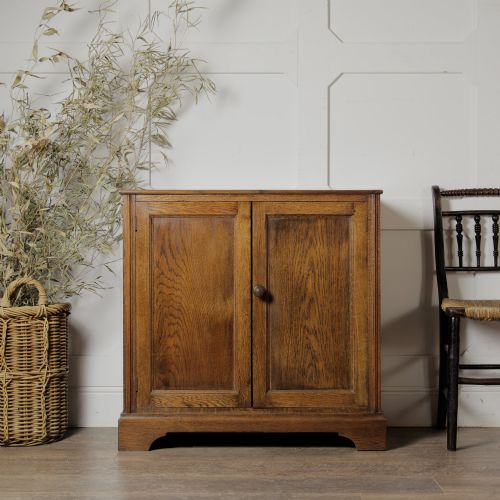

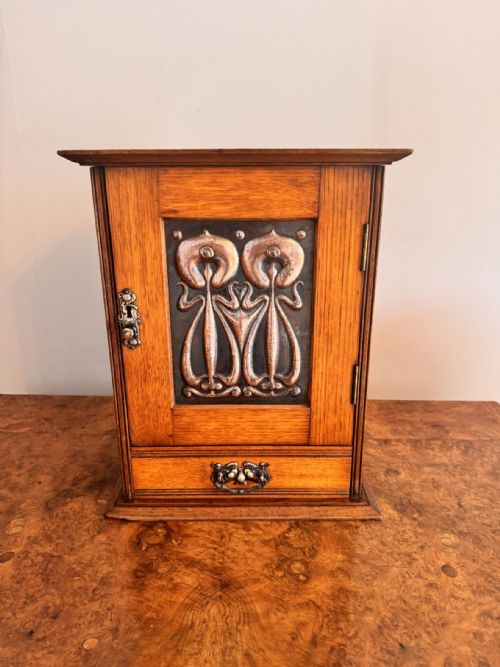
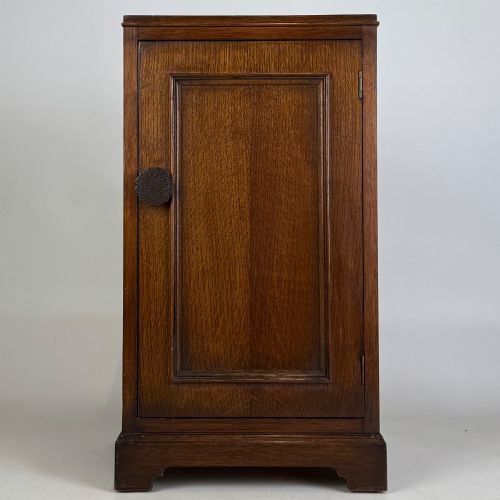
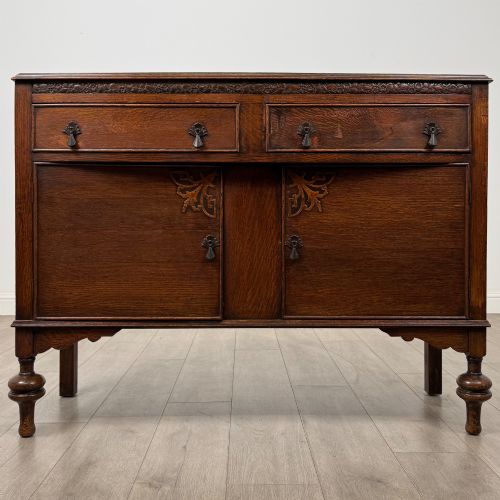
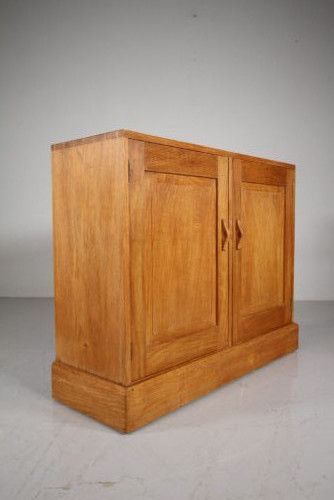
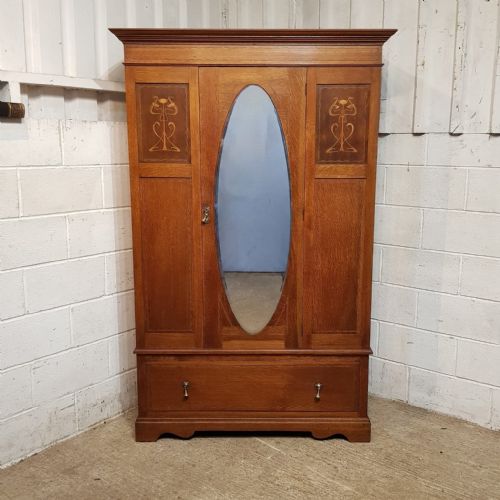
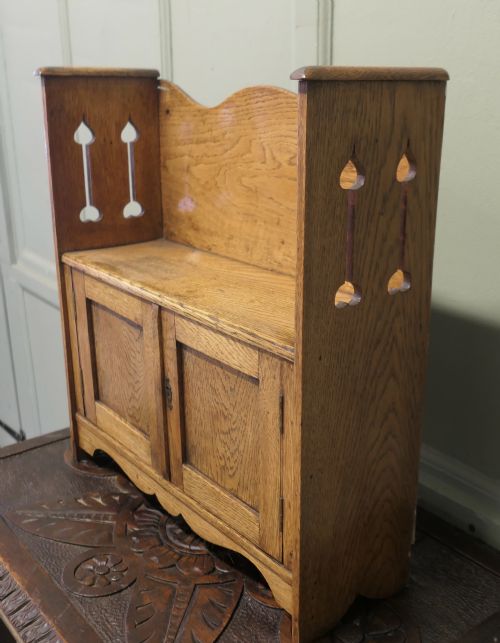
Arts and Crafts Oak Cupboard
These arts and crafts oak cupboard pieces combine honest construction with utility, making them enduring additions to period and modern interiors alike.
Arts and Crafts Oak Cupboard
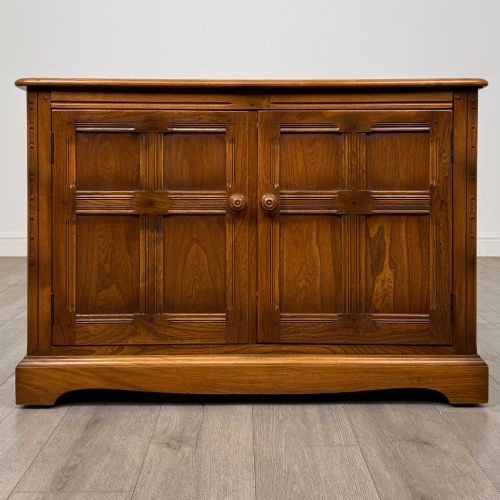
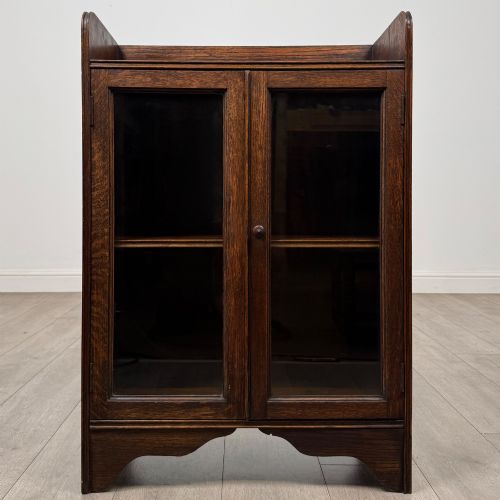
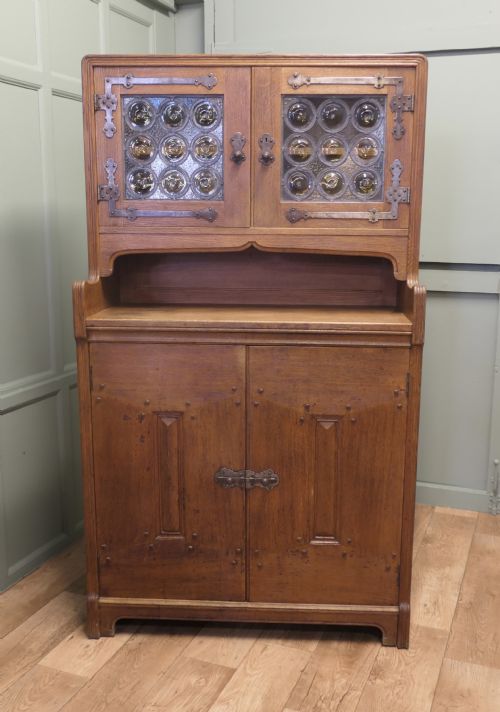
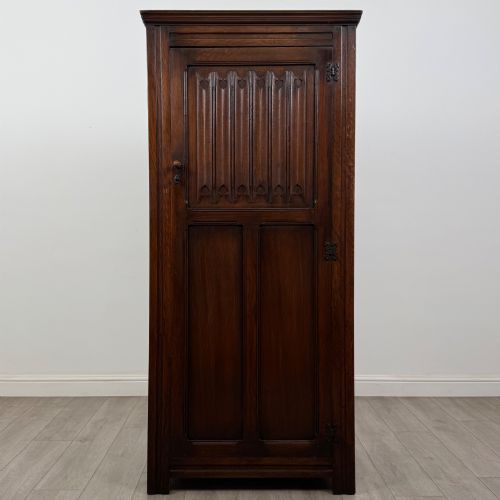
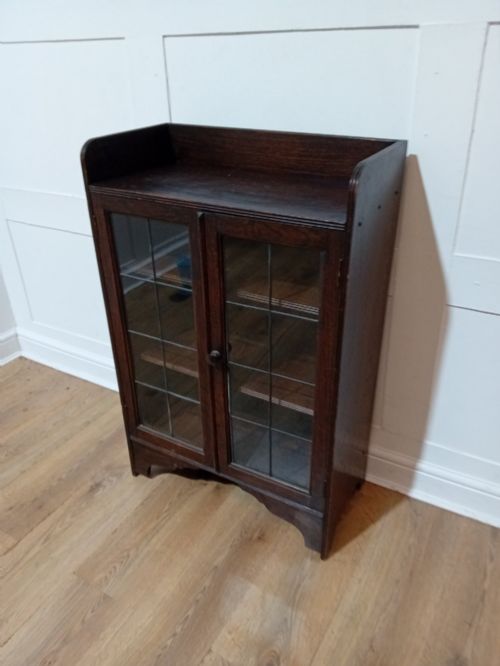
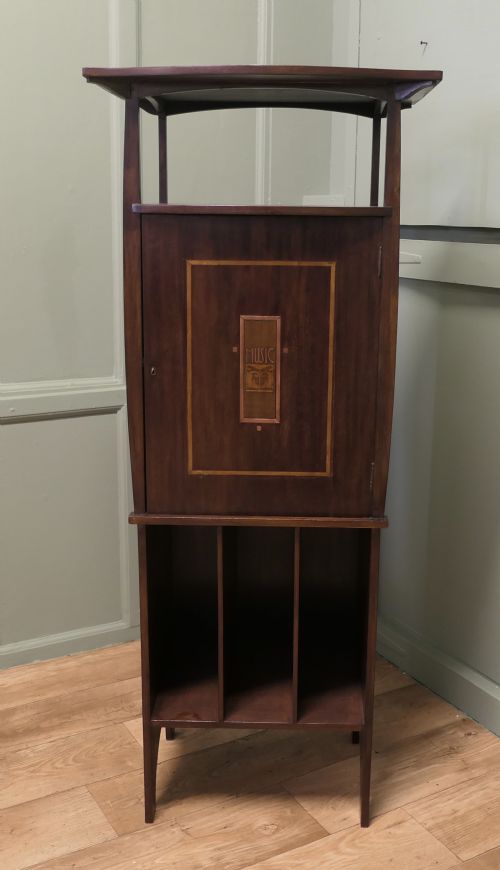
When searching for arts and crafts oak cupboard designs, a buyer encounters a diverse group of functional furniture spanning the late nineteenth and early twentieth centuries. These pieces encompass various utilitarian forms, from bedside cabinets and wall-hanging units to large wardrobes, sideboards, and bookcases combined with lower cupboards.
The Edwardian era and the nineteen-twenties provide many of the examples seen here, often executed in golden or solid oak. Makers applied styles ranging from straightforward vernacular designs to regional interpretations rooted in the Cotswold School and Welsh workshops.
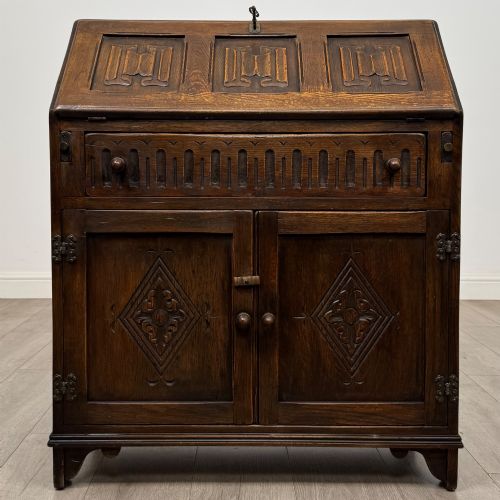
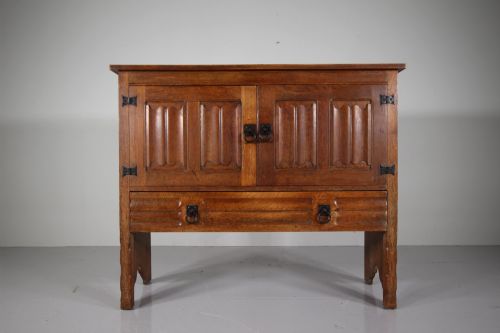
Pieces frequently incorporate display glazing, linenfold panels, or carved details, reflecting both domestic utility and the movement away from industrial mass production.
How They Were Made
Construction relies heavily on solid oak, frequently selected for its warm golden tone or figured grain, paired with structural timber supports. Cabinetmakers utilised traditional joinery methods, ensuring durability without relying on hidden metal fasteners.
Hardware played an integral role in the visual finish, with original fittings typically rendered in brass, copper, or iron. Glass panels feature in bookcases and display cabinets, while leaded or part-glazed doors appear across various wall and floor standing cupboards.
Smokers cabinets occasionally turn up, designed for storing pipes out of sight while guests admired the joinery.
What Varies in Quality
Distinction across the range lies in the integrity of the joinery and the selection of timber. Pieces originating from named workshops or bearing designer stamps display superior attention to proportion and hand-finished detailing.
Surface patination and the presence of original metal hardware significantly influence the character of an individual cabinet. Simpler vernacular items show straightforward utility, whereas works associated with specific designers exhibit refined carving and considered integration of structural elements.
GM Elwood for JS Henry·Heals·Peter Waals·Bryn Mawr·Liberty and Co·Maple and Co·Henry Barker·Shapland and Petter
The Arts and Crafts Oak Cupboard Glossary
- Golden oak
- A bright, warm timber finish frequently utilised in early twentieth-century furniture to highlight the natural grain. This treatment became characteristic of many domestic cabinets from the period.
- Linenfold
- A carved wood panel motif resembling folded cloth or linen. It appears commonly on doors and panels of period cupboards to add texture.
- Cotswold School
- An influential design movement centred in Gloucestershire that championed handcrafted solid wood furniture. Pieces from this tradition emphasise honest construction and simplicity of form.
- Tallboy
- A tall storage unit combining drawer sections with cupboard space. This vertical form maximises storage while maintaining a modest footprint.
- Cornice
- The moulded projection sitting at the top of a cabinet or wardrobe. It provides a finished architectural transition between the wall and the furniture piece.
Arts and Crafts Oak Cupboard: Frequently Asked Questions
What defines an arts and crafts oak cupboard?
These pieces emphasise visible construction, honest materials, and functional utility over excessive ornamentation. They are built primarily from solid oak with thoughtful joinery.
Design elements often include hammered metal hardware, natural finishes, and subtle hand-carved details that reflect the ethos of the movement.
How do I care for a vintage oak cupboard?
Maintain the timber by keeping the piece away from direct heat sources and fluctuating humidity. Apply natural beeswax periodically to nourish the surface.
Avoid commercial silicon sprays or harsh chemical polishes, which can degrade the historic finish and dry out the grain over time.
Where were these cupboards originally placed?
Depending on their specific scale, they served various rooms throughout the home. Smaller wall-hanging units and bedside cabinets suited bedrooms and hallways.
Larger sideboards, bookcases, and wardrobes provided storage and display space in dining rooms, libraries, and principal living areas.
How do I identify a stamped maker mark?
Maker marks and retailer stamps typically appear on the inside of drawer edges, on the backboards, or stamped directly into the solid timber frame. Labels may also be glued inside cabinet doors.
Inspect these areas under good lighting with a magnifying glass to read faint impressions left by workshops.