



Carved Wooden Spice Box
A carved wooden spice box is a compact container for aromatic herbs and seasonings, prized by collectors for its rich grain and tactile joinery.
Carved Wooden Spice Box
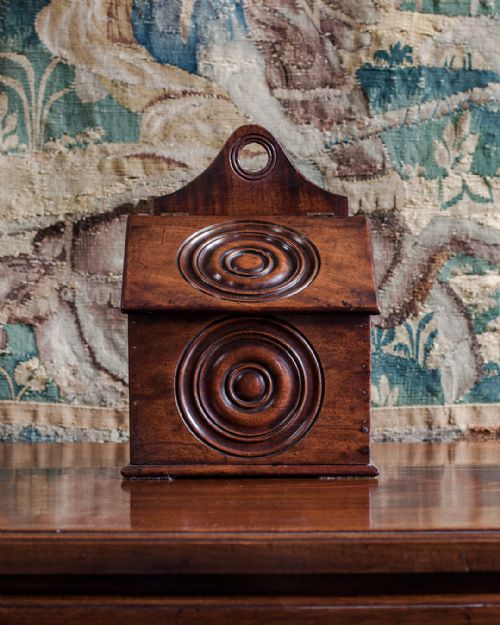
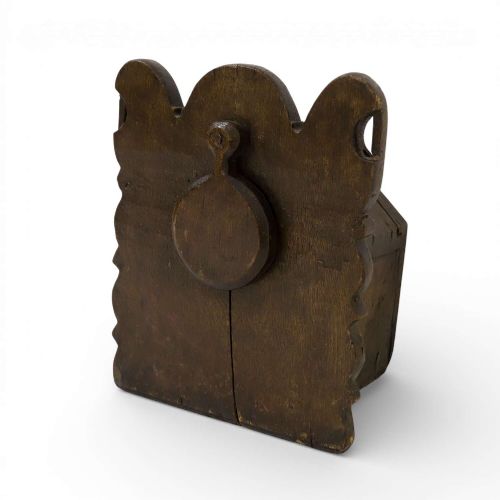
A carved wooden spice box gathers domestic utility and regional carving traditions into small-scale cabinetry designed for domestic storage. When searching for a carved wooden spice box, buyers encounter an array of tabletop cabinets, wall-hanging cupboards, and salt boxes that span British and international workshops.
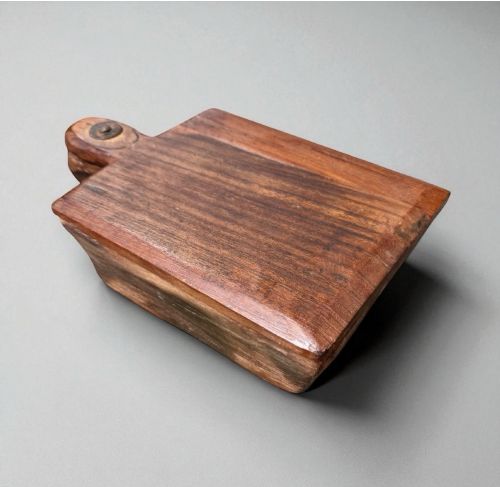
The domestic forms on this page cross multiple periods, stretching from seventeenth-century country styles through Georgian and Victorian iterations down to Edwardian examples. Materials range from native British hardwoods like oak, mahogany, and burr walnut to exotic timbers such as teak and Indian hardwoods.
Regional workshops produced distinct functional variants, including miniature chests, treen nutmeg graters shaped as wine bottles, and lockable tabletop cabinets. These objects served utilitarian roles in kitchens and parlours before transitioning into decorative collectibles.
How they were made
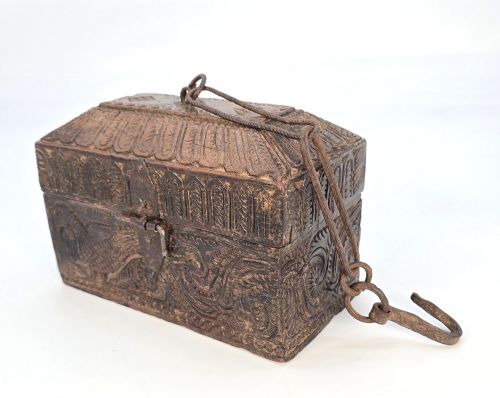
Cabinetmakers utilised solid native and imported timbers, shaping oak, mahogany, teak, and burr walnut with hand tools. Surfaces frequently display relief carving, floral motifs, and inlaid details that highlight the natural grain of the wood.
Hardware played an essential structural role, incorporating original iron hinges, brass fixtures, and locks. Construction methods relied on traditional joinery techniques appropriate to small-scale boxes, wall cupboards, and tabletop cabinets.
One listed treen nutmeg grater takes the witty and unexpected form of a miniature wine bottle.
What varies in quality
The hierarchy of these pieces depends upon the integrity of the original timber and the crispness of the hand carving. Finer examples retain their original brass or iron hardware and unblemished surface patination.
Workmanship distinguishes domestic vernacular items from more formal cabinet pieces, with depth of relief and structural proportion dictating desirability among collectors.
The Carved Wooden Spice Box Glossary
- Salt box
- A wall-mounted or tabletop container traditionally used in domestic kitchens to keep salt dry. These items frequently feature hinged sloping lids and integrated hanging boards.
- Treen
- Small handmade wooden household objects created before the widespread adoption of modern plastics. This category encompasses utilitarian items like nutmeg graters and small containers.
- Table cabinet
- A small freestanding piece of case furniture designed to sit upon a desk or surface. They often feature multiple internal drawers or lockable doors.
- Vernacular
- Objects made by regional craftspeople following local traditions rather than strict academic architectural designs. Indian vernacular and British country pieces fall into this category.
Carved Wooden Spice Box: Frequently Asked Questions
How were spice boxes used?
These containers held valuable seasonings, nutmegs, and culinary powders in domestic kitchens or dining rooms.
Their enclosed compartments protected aromatic goods from dampness and loss of flavour.
Are these boxes British or foreign?
The listings include both British pieces in oak and mahogany alongside colonial Indian hardwood and teak items.
Regional carving styles and timber choices usually identify the geographic origin of each specific box.
How do I date an old box?
Dating relies on examining the construction methods, tool marks, timber species, and associated hardware.
Period characteristics such as Georgian mahogany styling or seventeenth-century country joinery provide reliable chronological markers.
Can I use them for storage?
These small cabinets and containers suit the storage of modern small items, dry goods, or desk accessories.
Care should be taken to protect antique wood surfaces from excessive moisture and direct sunlight.