


Oak Wall Hanging Cupboard
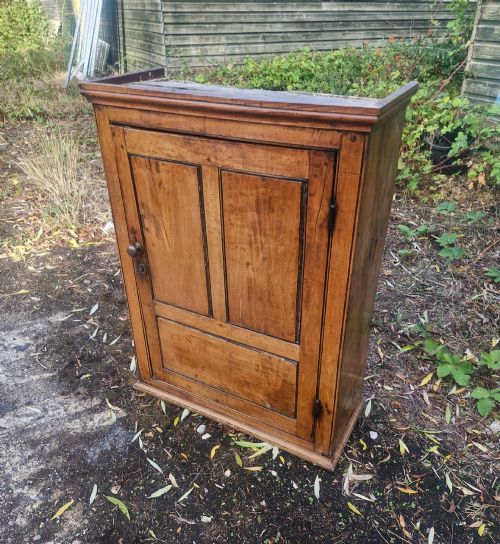
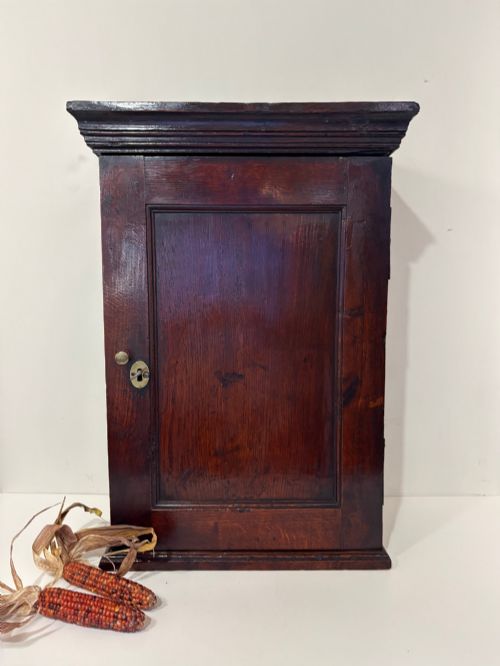
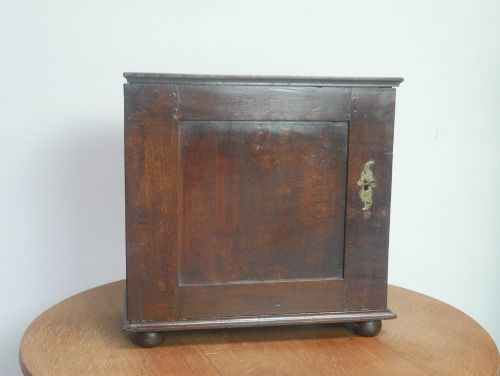
When you search for an oak wall hanging cupboard, you open the door to centuries of domestic storage designed to save floor space.
Oak Wall Hanging Cupboard
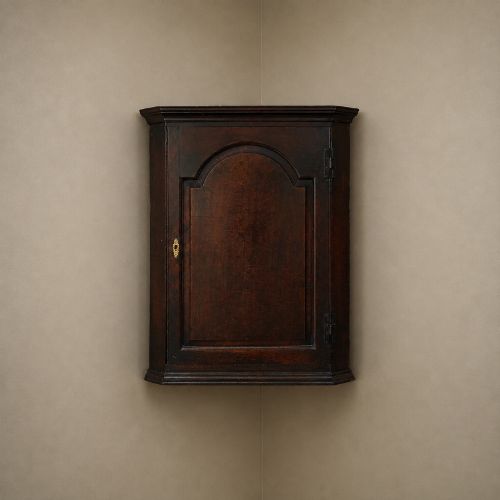
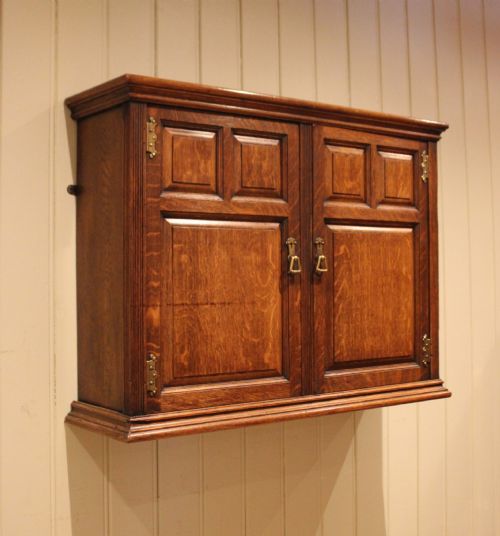
An oak wall hanging cupboard provides compact storage that fastens directly to domestic walls, keeping essentials elevated and secure. The pieces seen most frequently span the Georgian and Victorian eras, alongside robust examples from the seventeenth and eighteenth centuries.
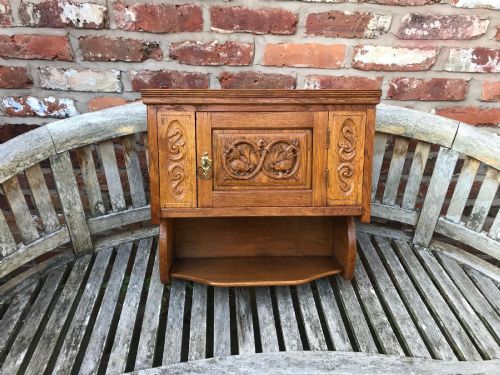
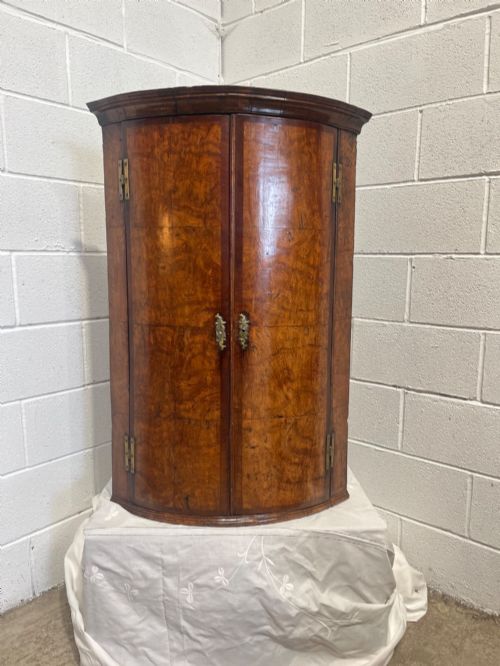
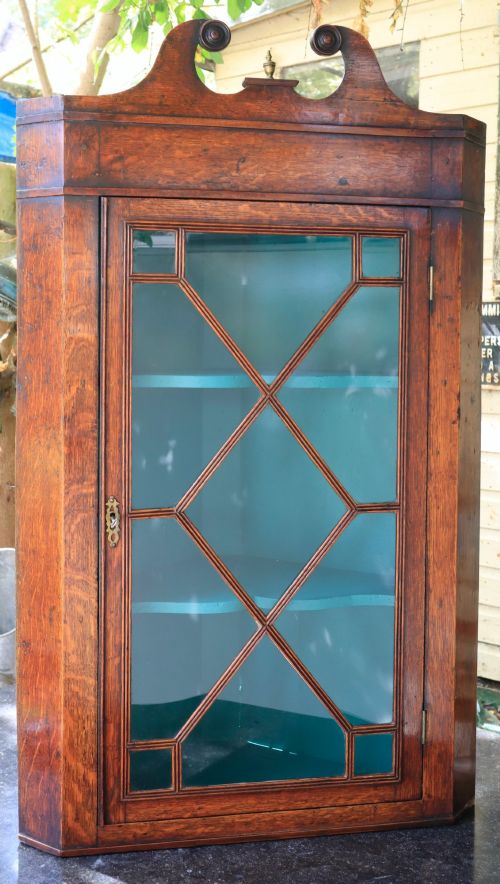
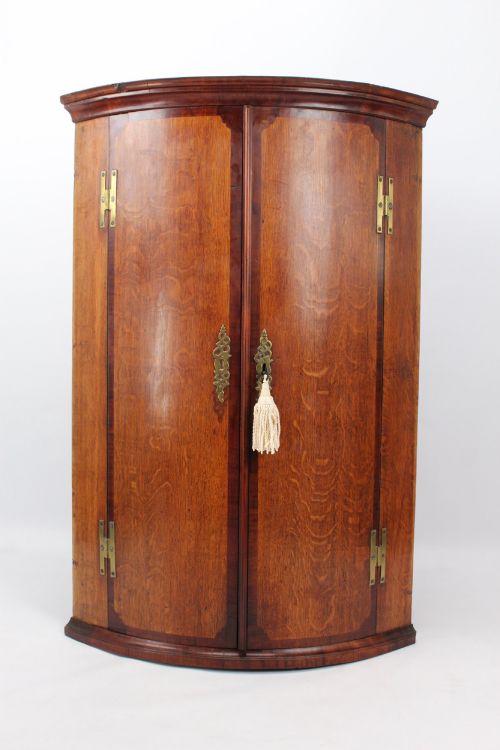
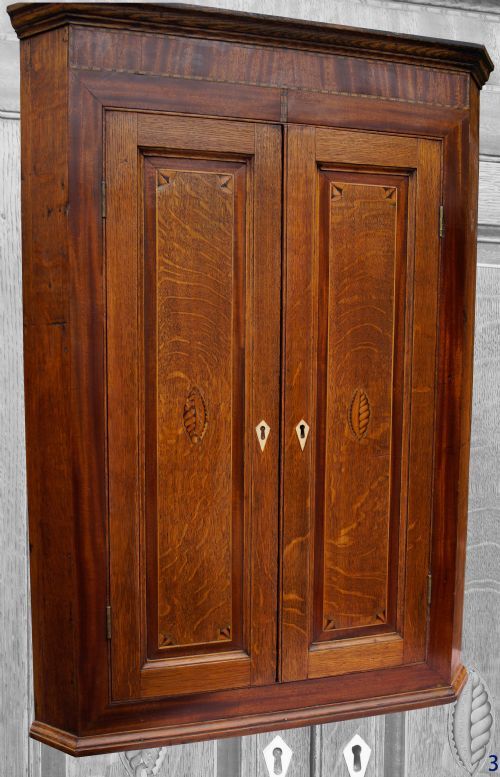
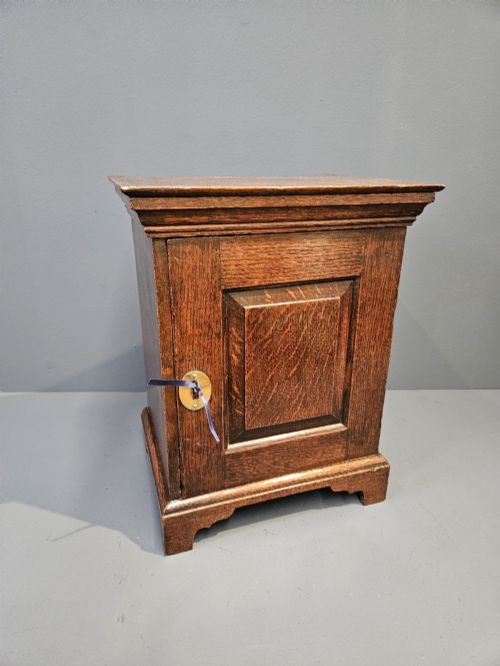
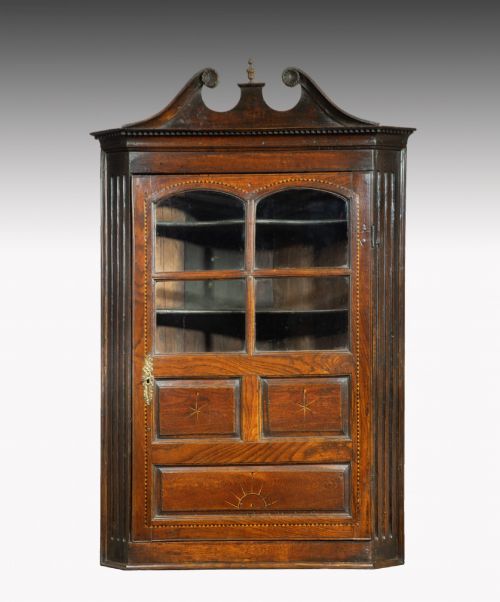
Forms range from flat-backed wall cabinets and small spice cupboards with internal drawers to triangular corner cupboards built to utilise awkward room angles. Many incorporate glazed doors, display shelves or key cabinets, reflecting their varied domestic roles across different decades.
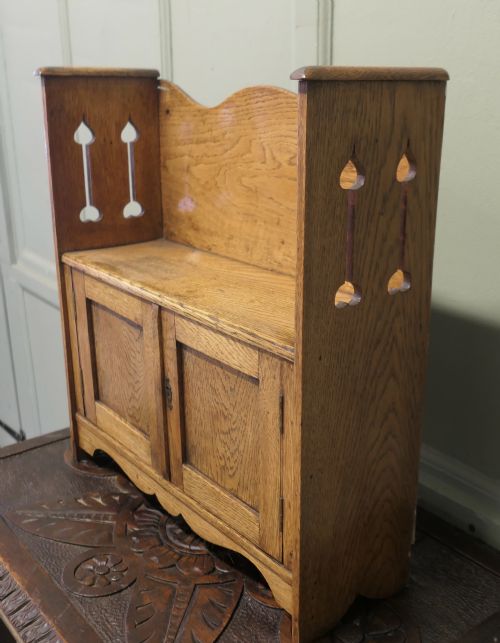
Origins stretch from English country workshops to French provincial settings, bringing distinct regional character to each piece. Buyers often encounter specific stylistic revivals, including Arts and Crafts, Gothic and Chippendale, which adapt earlier forms for later tastes.
What Varies in Quality
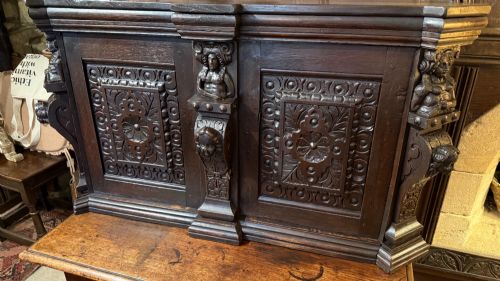
The standard of a piece rests heavily on the crispness of its hand carving and the selection of timber figures, such as burr or quarter-sawn grain. Superior examples display thoughtful proportions and harmonious integration of decorative elements like cross-banding and inlay.
Originality of hardware and glass panels elevates a piece, whereas replacements alter the integrity of the object. Construction methods also separate standard utility items from finer workshop pieces, seen in the precision of the joints and the finish of internal timbers.
Certain rustic examples retain traces of French manoir life, having stored essentials long before finding their way onto modern walls.
John Moyr Smith
The Oak Wall Hanging Cupboard Glossary
- Cross-banding
- A decorative border technique where strips of veneer are laid across the grain of the primary wood. This frames the door panels and adds visual depth to the facade.
- Escutcheon
- A protective plate surrounding a keyhole, usually made of brass or iron. It prevents the wood from splitting around the lock.
- Quarter-sawn
- Timber cut radially from the log to produce a distinct grain pattern known as medullary rays. This method yields stable boards less prone to warping.
- Spice cupboard
- A small, wall-mounted cabinet traditionally fitted with multiple internal drawers for storing precious dried goods and herbs. They often feature fielded panel doors and modest dimensions.
- Pokerwork
- A decorative method involving the burning of designs into wood using heated metal tools. This technique appears on specific Arts and Crafts pieces.
Oak Wall Hanging Cupboard: Frequently Asked Questions
How were oak wall hanging cupboards used?
These cabinets served multiple domestic functions, from holding spices and kitchen provisions in early centuries to storing keys, tobacco, or ceramics later on. Corner variants made efficient use of unutilised room angles in parlours and dining spaces.
Smaller cupboards were frequently placed in communal areas where contents needed to be kept secure yet accessible. Over time, their roles expanded to include cloakroom storage and display functions.
How do I tell an 18th-century cupboard from a Victorian copy?
Eighteenth-century examples typically display hand-cut joinery, pegged frames, and subtle signs of wear consistent with long use. Timber surfaces often show deep patination and hand-planed irregularities on backboards.
Victorian and later revival pieces often utilise more uniform machine-sawn timbers and standardised hardware. Examining the interior construction and tool marks helps clarify the true age of the piece.
Can these cupboards support heavy items?
While solid oak construction provides inherent strength, wall mounting requires careful assessment of both the cabinet fixings and the wall structure. Most historical cupboards were designed for lighter domestic goods rather than dense libraries.
Original hanging brackets and internal shelves should be inspected to ensure they can bear weight safely. Distributing items evenly prevents undue strain on antique joints.
Where should I hang a corner cupboard?
Corner cupboards suit room junctions where wall space is otherwise difficult to furnish, creating a focal point without obstructing movement. Placing them at eye level allows easy access to interior shelves and display items.
Lighting plays a key role, particularly with glazed or bow-front variants that catch natural daylight. Positioning them away from direct heat sources protects the antique oak from drying out.