



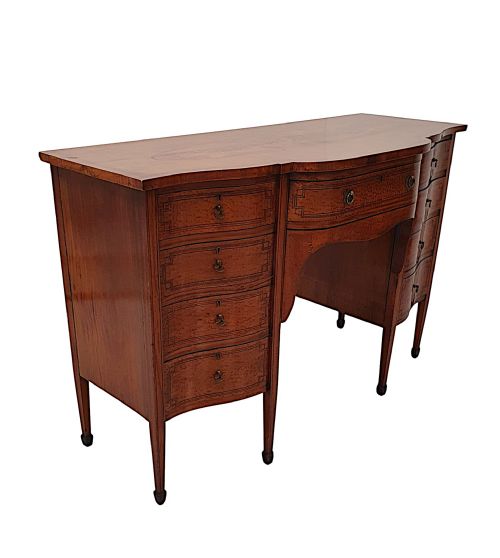


Edwardian Pedestal Sideboard
An Edwardian pedestal sideboard offers a commanding dining room presence, combining rich mahogany with classical revival details for timeless storage.
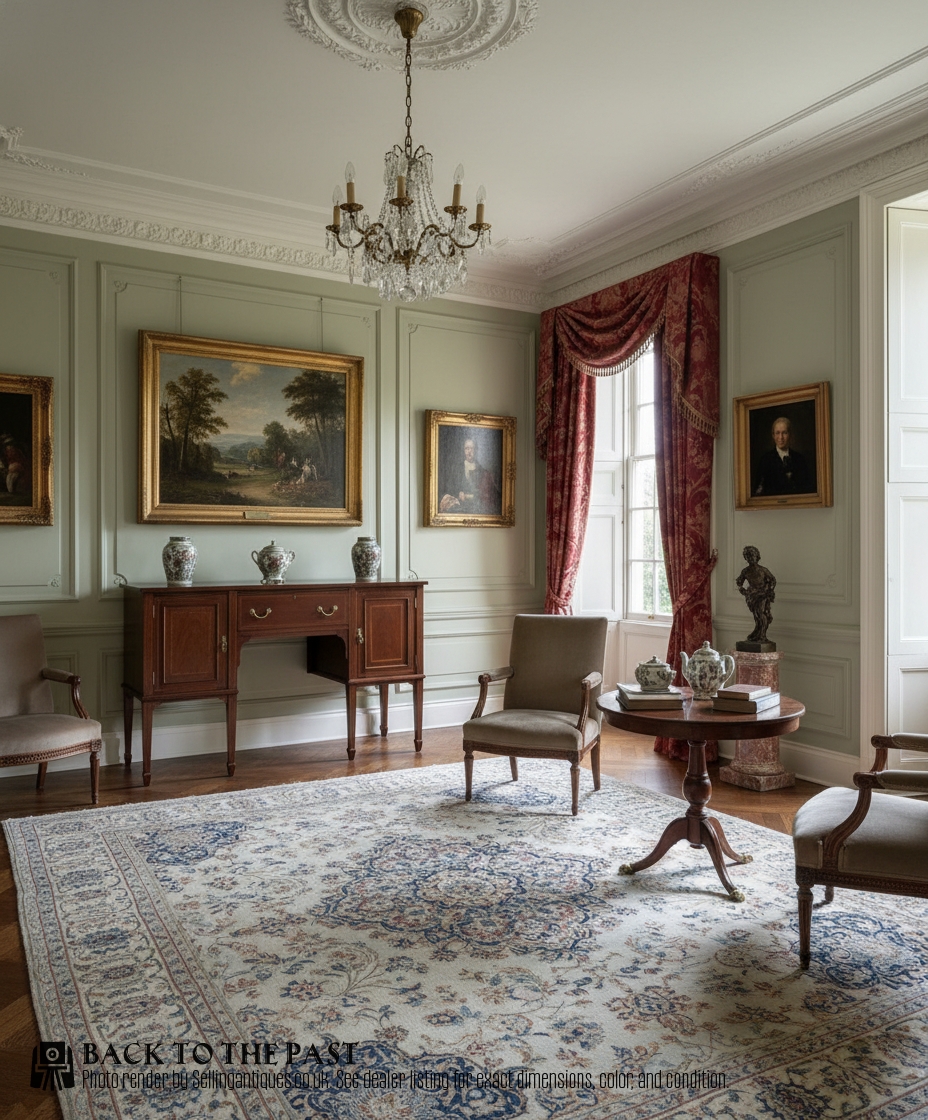
Edwardian Pedestal Sideboard
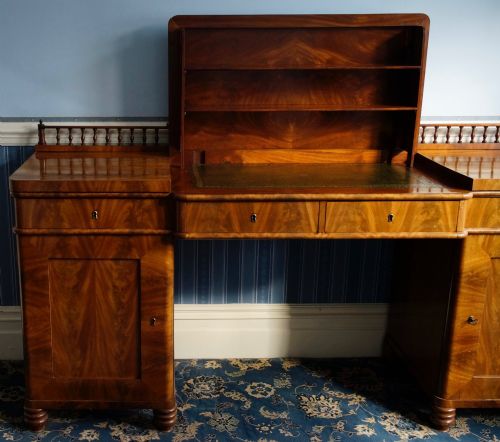
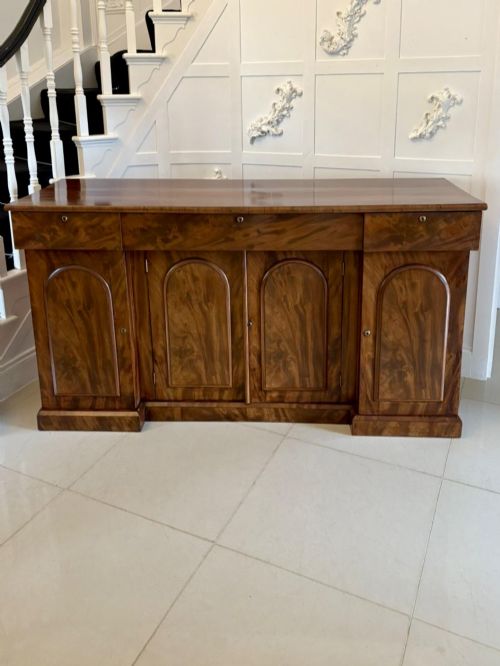
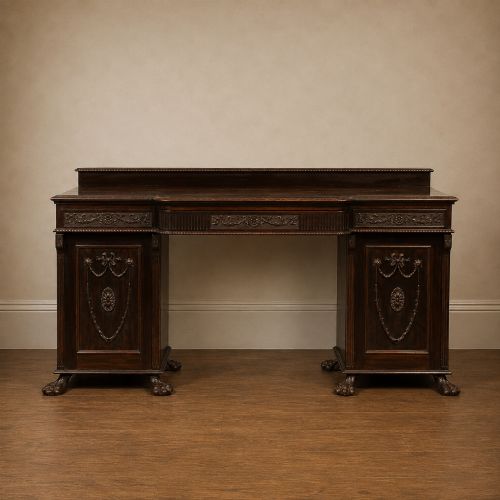
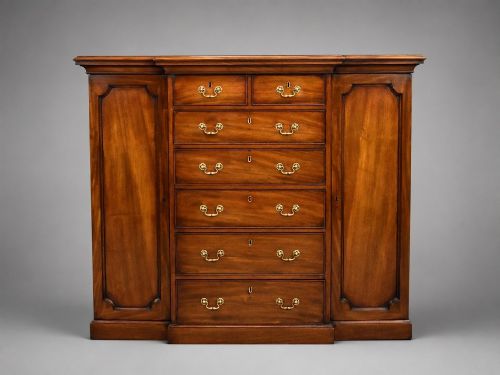
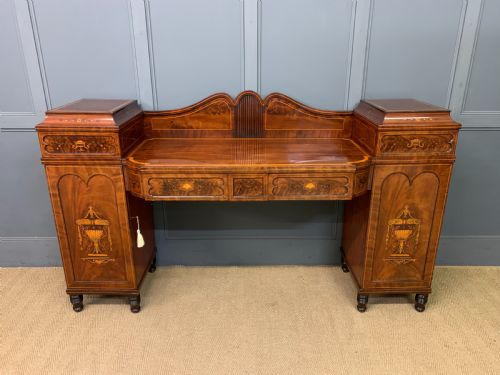
An Edwardian pedestal sideboard brings substantial proportions and formal dining storage to a room, drawing on Georgian and Sheraton revival influences popular in the period. While the archive records a classic flame mahogany pedestal sideboard, current listings show Edwardian examples alongside Victorian, Georgian, and Regency pieces that share similar foundational forms.
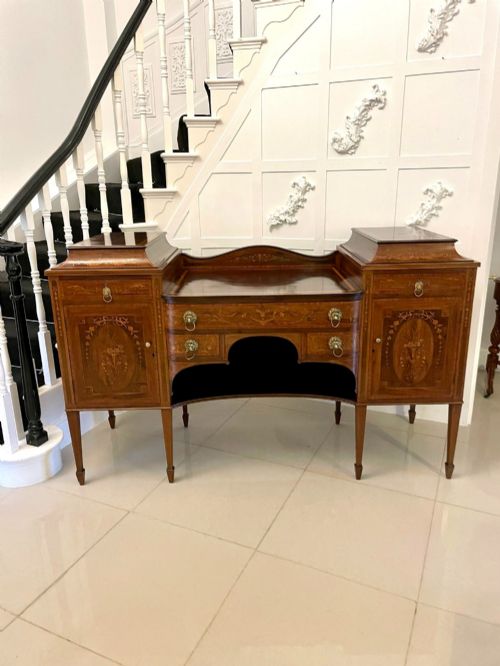
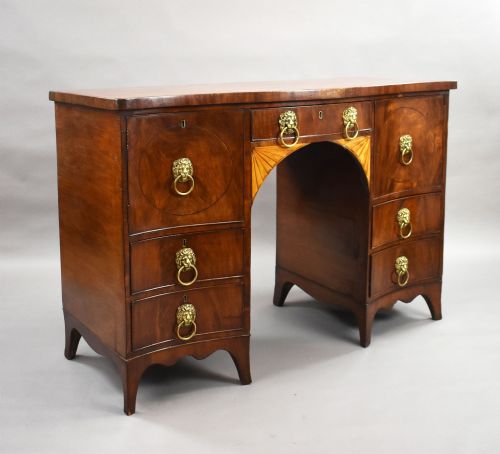
Buyers will encounter these forms spanning the nineteenth century through the Edwardian era, incorporating serpentine fronts, bow fronts, and breakfront configurations. Alongside traditional sideboards and buffets, related pieces such as side cupboards and servers appear within the selection.
The construction relies heavily on mahogany, complemented by satinwood, boxwood, and intricate wood inlay. Many pieces incorporate brass hardware, glass elements, and leather, grounding the furniture in traditional cabinet-making practices.
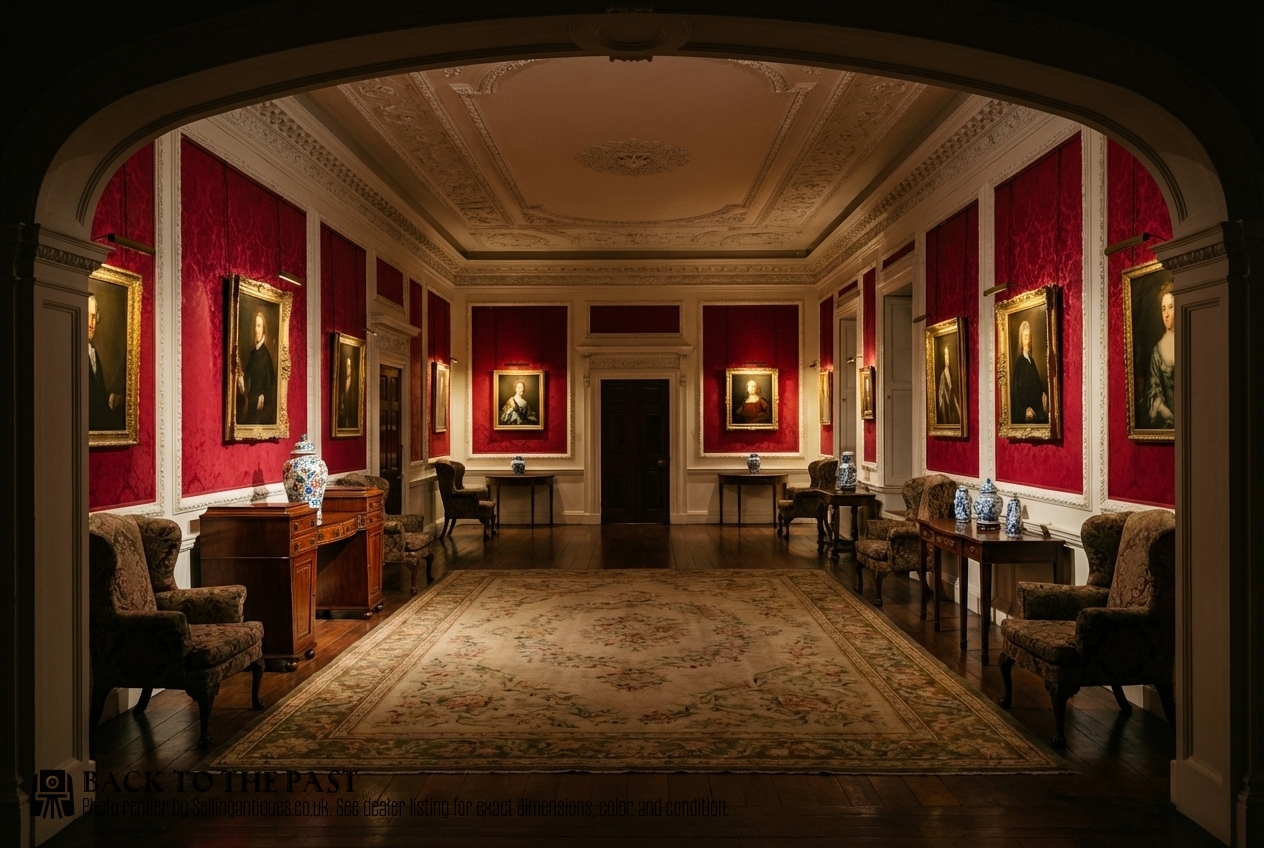
Judging quality
Superior examples distinguish themselves through the choice and matching of mahogany veneers, where grain patterns flow symmetrically across doors and drawers. The crispness of the wood inlay and the weight of the brass mounts also indicate the original maker's investment of time and skill.
Internal construction, including secondary timbers used for drawer linings and the smoothness of sliding or pivoting mechanisms, separates standard production from workshop pieces commissioned from notable makers such as Hewetsons or Goodall of Manchester.
Edwardian Pedestal Sideboard Retail Price Guide 2026
Typical asking prices for edwardian pedestal sideboard among the pieces listed under this phrase on Sellingantiques today, from the lower quarter to the upper quarter. They describe what is for sale here now, not the wider market.
Several sideboards quietly conceal drop-well compartments inside their pedestals, originally designed to keep wine bottles chilled.
Hewetsons London·Goodall of Manchester
The Edwardian Pedestal Sideboard Glossary
- Pedestal sideboard
- A large dining room storage unit featuring central sections flanked by distinct columnar or cabinet pedestals. These pieces often incorporate cupboards or cellarets within the lower pedestals.
- Marquetry
- Decorative woodwork where pieces of veneer are fitted into a ground material to form intricate pictorial or geometric patterns. This technique frequently employs contrasting timbers such as boxwood and satinwood.
- Breakfront
- A cabinet design where the central section projects forward from the flanking wings. This architectural arrangement creates depth and shadow across the front elevation of the sideboard.
- Serpentine front
- A furniture facade featuring a convex centre flanked by concave curves, creating an undulating movement. This shape requires advanced woodworking skill to execute cleanly in solid mahogany.
- Stage-back
- An elevated tier or superstructure rising from the rear surface of a sideboard for displaying plate and silver. Also known as a mirror back when incorporating glass plates.
Edwardian Pedestal Sideboard: Frequently Asked Questions
How do I style a pedestal sideboard?
Position the piece against a main dining room wall where its length and proportions can anchor the room. Allow adequate clearance around the pedestals for doors to open fully.
Balance the top surface with table lamps, silver, or ceramics, keeping taller items towards the rear to complement the height of the timber.
What is the difference between Georgian and Edwardian versions?
Georgian originals prioritise heavier structural timbers, deeper pedestal cupboards, and restrained carving reflecting classical proportions of the eighteenth century. They represent the primary inspiration for later revivals.
Edwardian interpretations often display lighter satinwood inlay, brighter mahogany tones, and refined Sheraton revival motifs while retaining the grand pedestal footprint.
How should I care for mahogany surfaces?
Dust regularly with a soft, dry cloth to prevent particulate build-up on the polished veneer and inlay work. Avoid placing the furniture in direct sunlight or near heat sources to protect the timber from drying out.
Apply a traditional beeswax polish sparingly when the wood appears dry, buffing gently to maintain the natural sheen of the mahogany.
Can I use a sideboard in a hallway?
The substantial depth of a pedestal sideboard requires a wide hallway or landing to ensure the piece does not obstruct movement. Measure the floor space and doorway clearances carefully before placement.
When space permits, the deep drawers and cupboard pedestals provide exceptional storage for linens, books, or household items outside the dining room.