


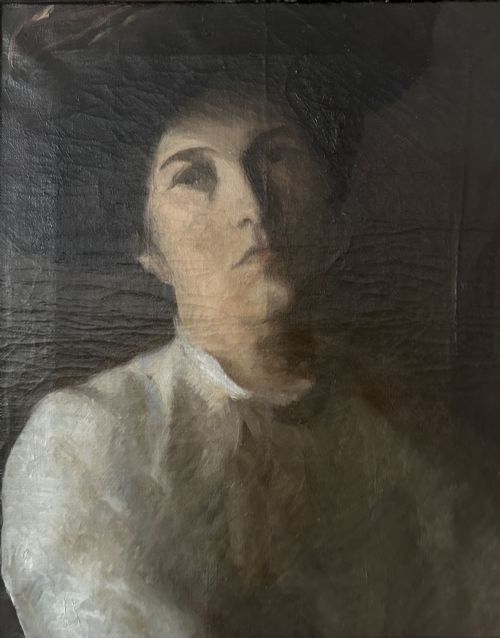
Edwardian Oil on Canvas
When you buy an edwardian oil on canvas, you bring home a tangible piece of early twentieth-century brushwork.
Edwardian Oil on Canvas
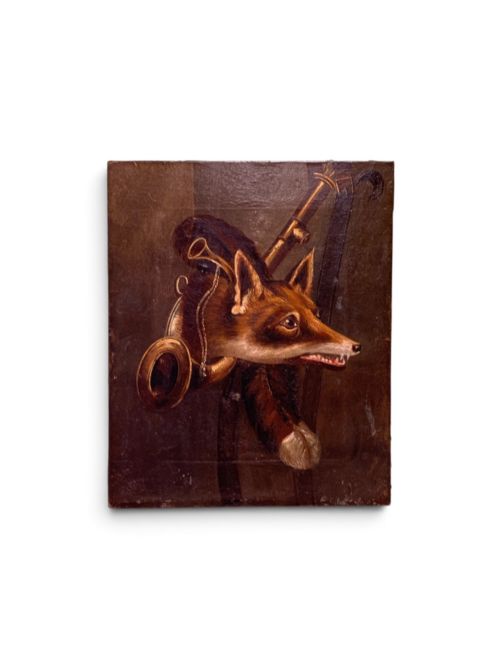
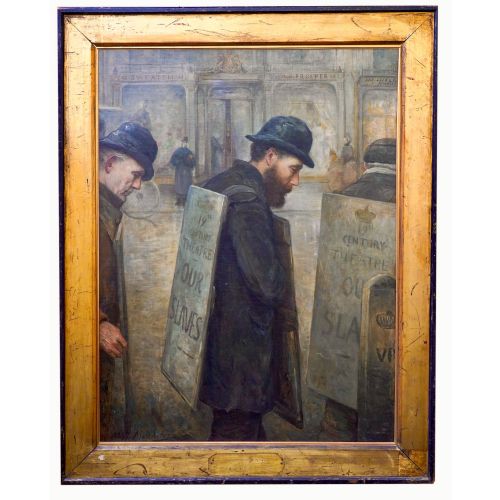
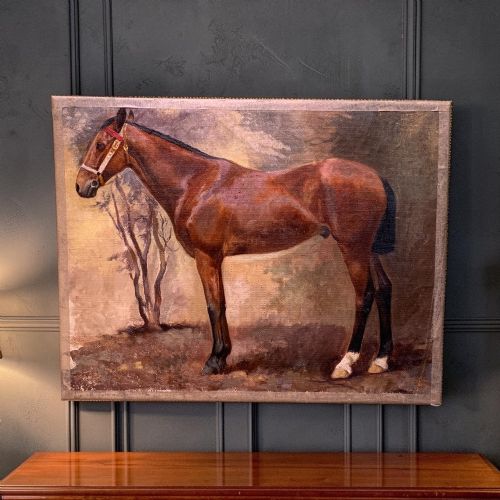
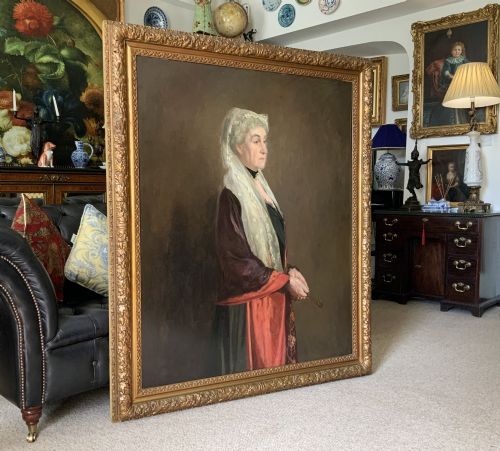
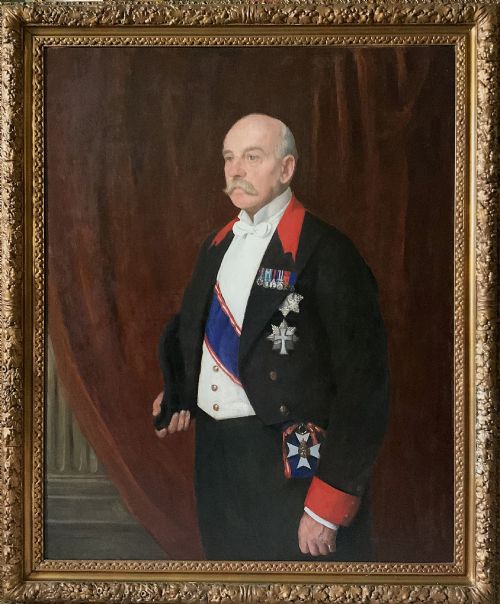
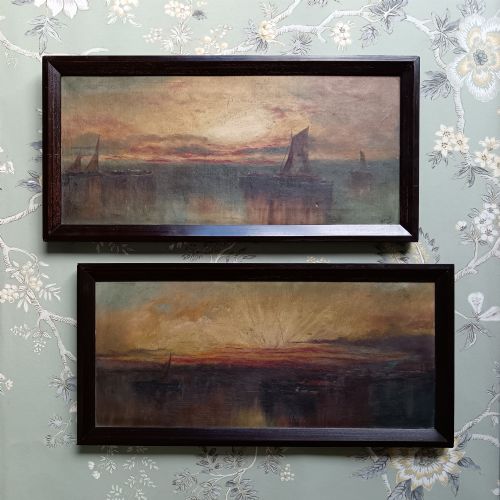
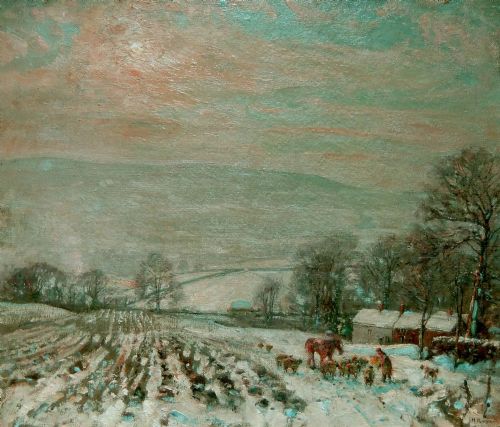
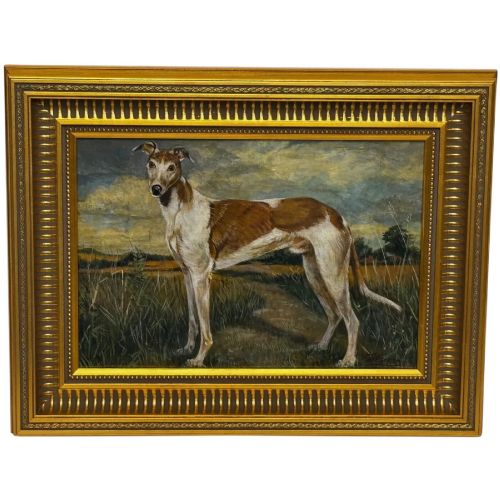
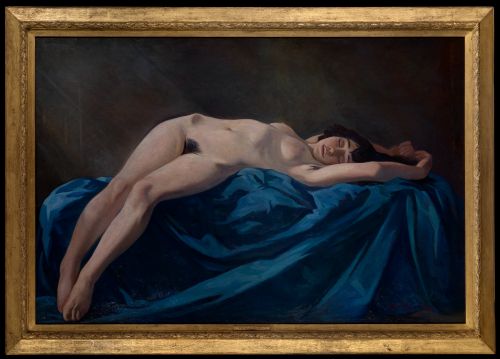
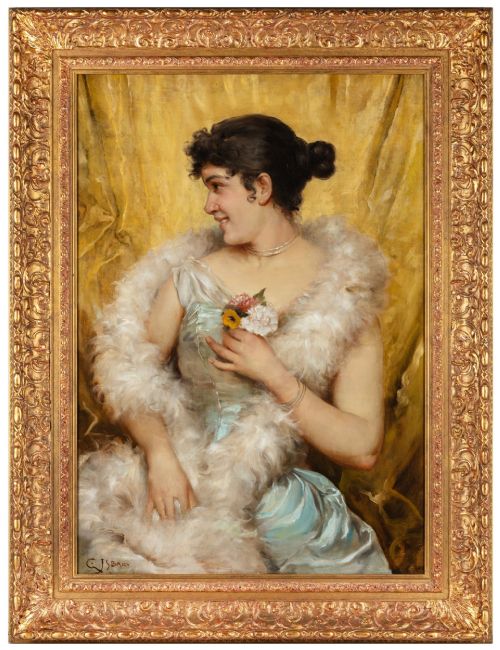
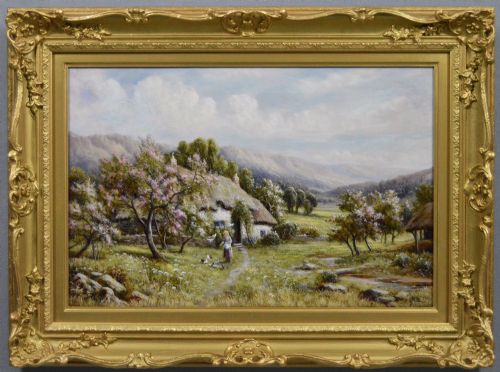
An edwardian oil on canvas captures the artistic output of the period spanning from the late Victorian era through the early twentieth century. These works range from intimate rural landscapes and coastal marines to formal society portraits and detailed animal studies.
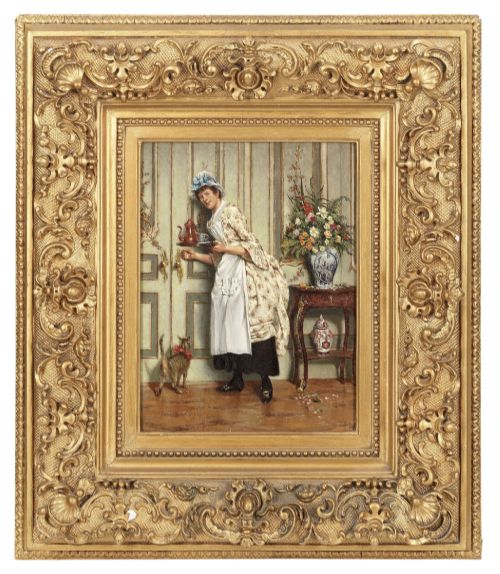
The selections available here demonstrate the breadth of British painting during this era, encompassing genres such as sporting art, impressionistic river paths, and quiet interior scenes. Many of these pieces retain their original frames, preserving the complete object as it was displayed a century ago.
Buyers frequently encounter works bearing the signature of established regional painters alongside atmospheric canvases produced by anonymous hands of the British School. The subjects reflect both the domestic preoccupations and the wider landscape of the Edwardian world.
Materials and Construction
The physical foundation of these works consists of woven canvas stretched over wooden stretcher frames, providing a stable and responsive surface for the artist. Painters applied layers of oil paint, utilising the slow-drying properties of the medium to build depth, texture, and subtle tonal gradations.
Many canvases are housed within their period surrounds, constructed from carved wood and finished with gesso and gilt. This combination of oil pigment, canvas support, and gilded framing defines the physical integrity of surviving pieces from this period.
Edwardian Oil on Canvas Retail Price Guide 2026
Typical asking prices for edwardian oil on canvas among the pieces listed under this phrase on Sellingantiques today, from the lower quarter to the upper quarter. They describe what is for sale here now, not the wider market.
Among the painted horses, military officers, and serene landscapes, at least one clever canvas immortalises a humble racing pigeon named Pugin.
Assessing Artistic Merit
Quality in an edwardian oil on canvas rests upon the artist's handling of light, brushwork confidence, and anatomical or spatial proportion. Superior examples display a decisive application of pigment that brings immediacy to a portrait or atmosphere to a landscape, whereas lesser works reveal stiff compositions and tentative detailing.
The condition of the paint surface and the original relationship between the canvas and its frame also dictate the standing of a piece. Works that retain their undisturbed varnish layers and authentic period mountings offer a more complete historical record.
Felix Stone Moscheles·John Maler Collier·Herbert Royle·Edgar Hunt·Harold Knight
The Edwardian Oil on Canvas Glossary
- Oil on Canvas
- A painting medium where pigments bound in drying oil are applied to a woven fabric support. This combination allows for rich blending and textured impasto that endures across centuries.
- Giltwood
- Wood carved and coated with gold leaf or a gold-coloured metallic finish. This material is standard for traditional picture frames of the period.
- Gesso
- A paint mixture consisting of a neutral binder mixed with chalk, gypsum, or pigment. It served as the smooth preparatory layer on wooden picture frames before gilding.
- British School
- A designation used to classify paintings produced by British artists whose specific training or identity is unrecorded. It groups together stylistically linked works of unknown authorship.
- Impasto
- The technique of laying paint down on a canvas in very thick areas, usually thick enough that the brush or painting-knife strokes are visible. This adds a tangible, sculptural quality to the surface.
Edwardian Oil on Canvas: Frequently Asked Questions
How do I identify an Edwardian painting?
Look for stylistic markers typical of the early twentieth century, including looser brushwork influenced by British impressionism alongside formal portrait conventions carried over from the Victorian era. Subject matter often depicts contemporary social life, tranquil countryside scenes, and domestic interiors characteristic of the period.
Examining the canvas backing, stretcher frame, and the construction style of the accompanying wooden frame can provide additional contextual clues to confirm the era of creation.
Were these always framed in giltwood?
Most formal and exhibition-quality canvases from this period were paired with wooden frames finished in gesso and gilt to complement the richness of the oil pigments. Alternative framing materials included toned wood mouldings, depending on the domestic setting and the artist's initial preference.
The survival of an original period frame enhances the historical completeness of the artwork and matches the aesthetic standards of Edwardian interior display.
How should I care for an oil painting?
Keep the canvas away from direct sunlight, high humidity, and rapid temperature fluctuations to prevent the oil paint and wooden stretcher from warping or cracking. Dust the surface and the frame gently with a soft, dry brush without applying pressure to the pigment.
Avoid using liquid cleaners or chemical solvents on the painted surface, and consult a professional conservator if the canvas requires deeper cleaning or varnish maintenance.
What subjects are most common?
Portraits of society figures, children, and domestic animals form a substantial portion of the surviving output, reflecting the era's taste for personal commemoration. Landscapes, marine views, and sporting scenes featuring horses and working dogs are equally prevalent across the period.
These varied genres document both the recreational interests and the professional livelihoods of the Edwardian populace through the eyes of contemporary painters.