
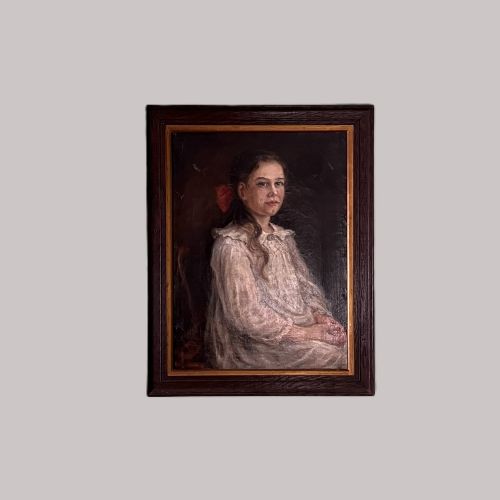


Gilt Slip Framed Artwork
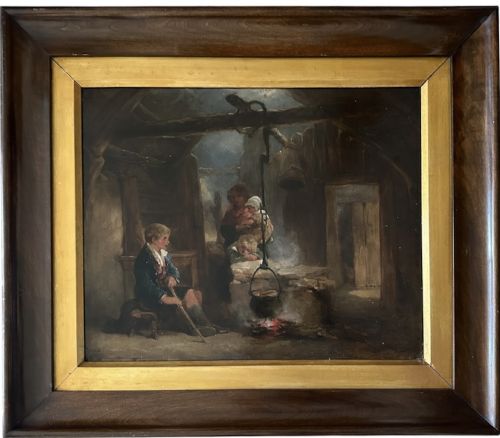
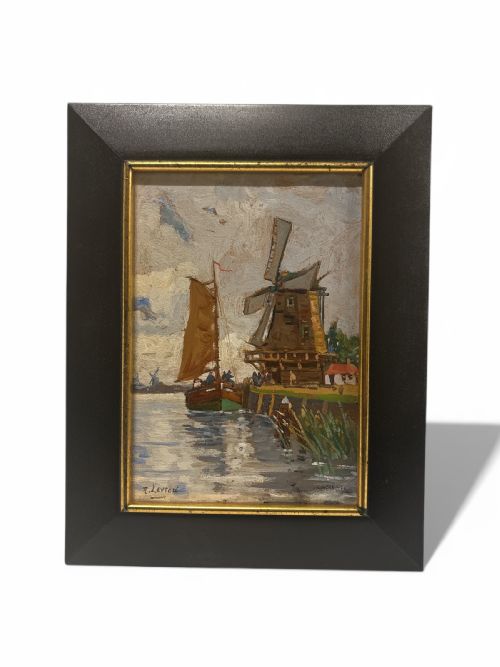
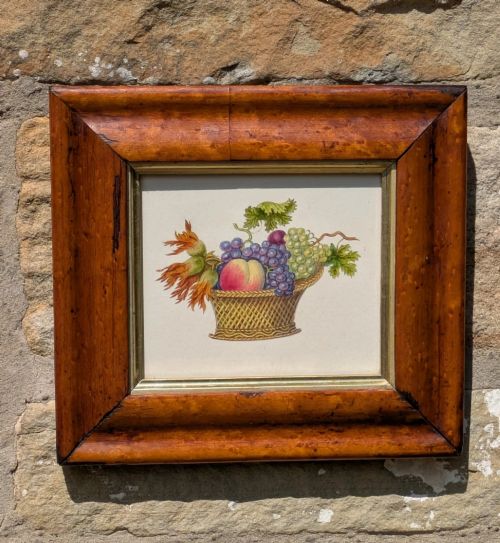
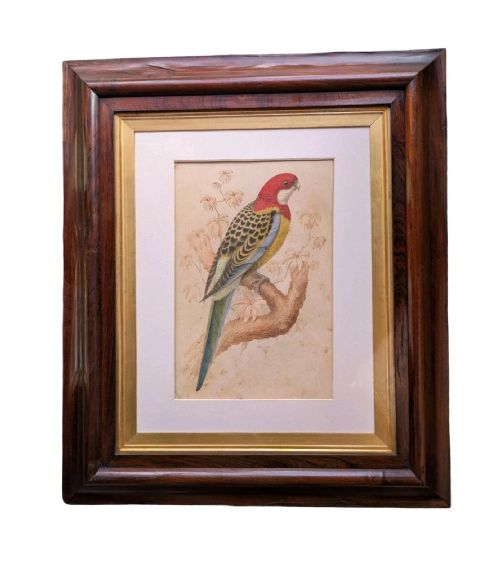
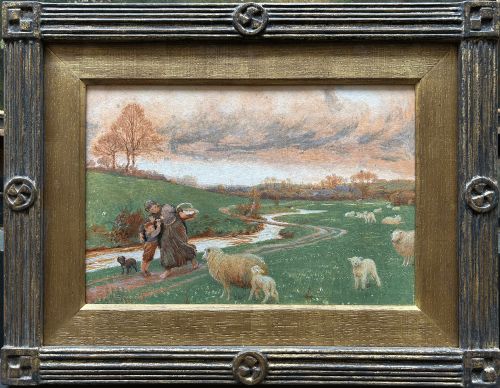
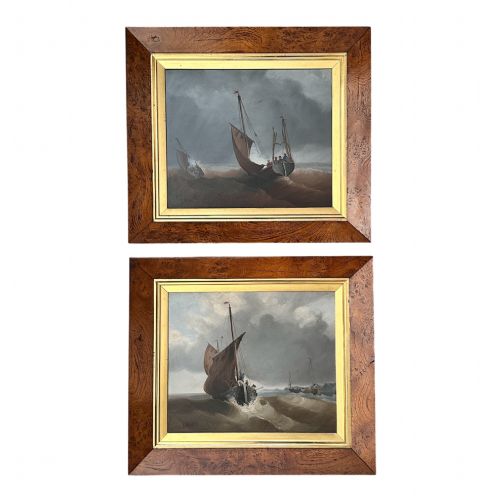
Gilt slip framed artwork brings together traditional oil paintings and watercolours enclosed by narrow inner borders of gold leaf.
Gilt Slip Framed Artwork
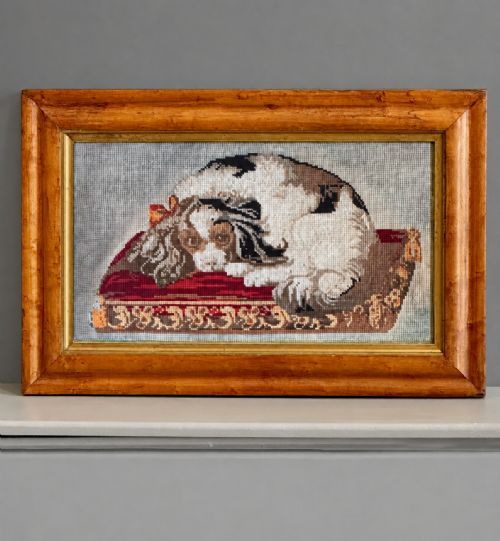
Gilt slip framed artwork encompasses a varied selection of wall art, oil paintings, watercolours, engravings, and needlework pieces framed for display. When searching for gilt slip framed artwork, buyers encounter items dating from the nineteenth century, Regency, Victorian, and Edwardian periods.
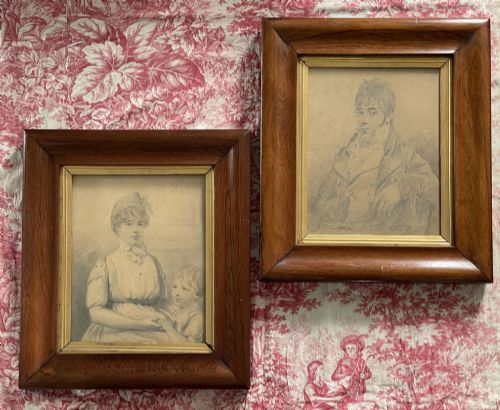
The objects span oil paintings on canvas or board, graphite drawings, pencil sketches, cut silhouettes, and chromolithographs. Many feature inner slips designed to separate the image from the outer moulding.
Nineteenth-century examples dominate the selection, alongside works from the Regency and Edwardian eras. Common forms include portraits, landscapes, seascapes, and botanical or animal studies.
Materials and construction methods
Makers utilised wood, paper, glass, canvas, and brass alongside traditional gold leaf to construct these framed pieces. Gilt wood frames often incorporated fine fabric or linen slips to complement the painted or drawn surface.
Paintings were executed in oil or watercolour on canvas, paper, or board, while other works employed graphite, pencil, or engraving techniques. Frames were frequently constructed from timber such as burr maple or rosewood.
Gilt Slip Framed Artwork Retail Price Guide 2026
Typical asking prices for gilt slip framed artwork among the pieces listed under this phrase on Sellingantiques today, from the lower quarter to the upper quarter. They describe what is for sale here now, not the wider market.
Materials recorded across the inventory include gold leaf, canvas, watercolour, glass, brass, and timber.
Assessing quality in framing and works
Quality rests upon the skill evident in the primary artwork and the harmony of its housing. Finer pieces demonstrate accomplished brushwork, detailed draughtsmanship, or careful needlework execution.
The application of gold leaf on the inner slip and the condition of the wooden frame influence the overall standard. Original frames and intact materials elevate the integrity of the piece.
George Whitton Johnstone·R Leyton·John Moore of Ipswich·Gustave De Bréanski·Edwin Hughes·W.A. Clark·Arthur H Enock·Henry Birtles·Charles Burton Barber·Alfred Graham·J. Mitan·Skeolan·John Ferneley Jnr
The Gilt Slip Framed Artwork Glossary
- Gilt slip
- A narrow inner border, often covered in gold leaf, placed between the artwork and the main outer frame. It creates a visual buffer that draws the eye inward.
- Oil on board
- A painting executed with pigment suspended in drying oil applied to a rigid wooden or composition board. This support provides a stable base for detailed brushwork.
- Chromolithograph
- A multicoloured print produced through a lithographic process using multiple stones or plates. Each colour is applied in succession to build up the image.
- Tinsel picture
- A form of nineteenth-century decorative art where a print is coloured, embellished with pieces of foil or tinsel, and mounted in a frame.
- Needlework
- Textile art created by stitching yarn or thread onto a canvas or fabric ground. Examples from the period often depict figures, animals, or floral motifs.
Gilt Slip Framed Artwork: Frequently Asked Questions
How do I date these artworks?
Dating relies on stylistic clues, framing materials, and the medium used by the artist. Nineteenth-century pieces frequently show distinct portraiture conventions or landscape techniques characteristic of the period.
Signatures, artist dates, and backing papers also provide chronological markers. Original frames often correspond directly to the period in which the artwork was created.
Where should I hang these pieces?
These framed works suit traditional reception rooms, hallways, or studies where their historic character can be appreciated. Wall placement should avoid direct sunlight to protect delicate watercolours, paper drawings, and gold leaf.
Pairing smaller items like silhouettes or pencil sketches together creates a balanced display. Heavier oil paintings require secure wall fixings suited to timber frames.
How do I care for framed watercolours?
Watercolours and paper items require protection from moisture and direct sunlight to prevent fading and paper degradation. Maintaining stable indoor humidity prevents warping in the wooden frames.
Cleaning should be limited to gentle dusting of the frame with a dry cloth. Glass surfaces can be wiped carefully with a suitable cleaner without touching the paper artwork.