
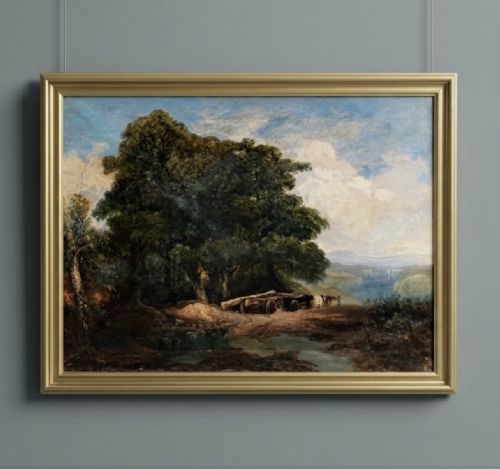
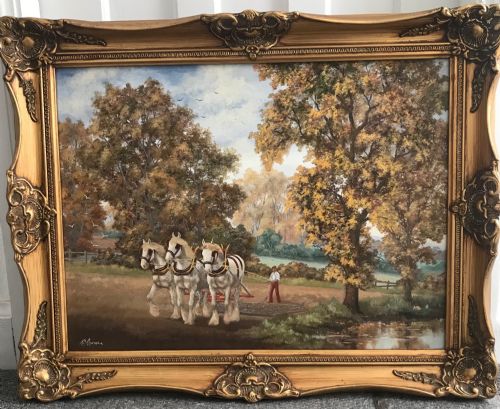


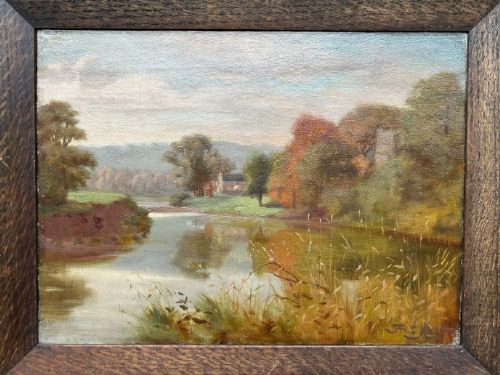
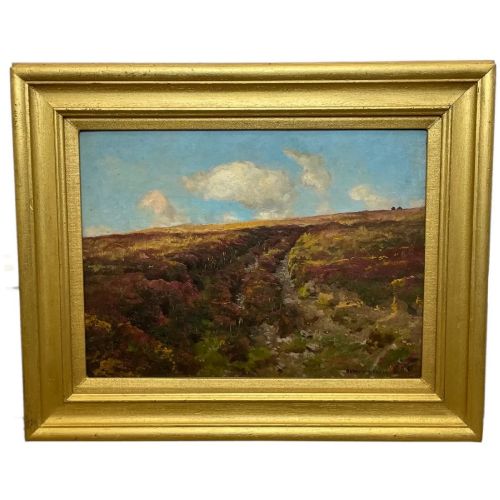
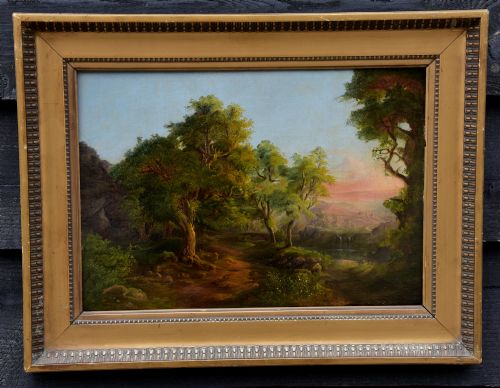
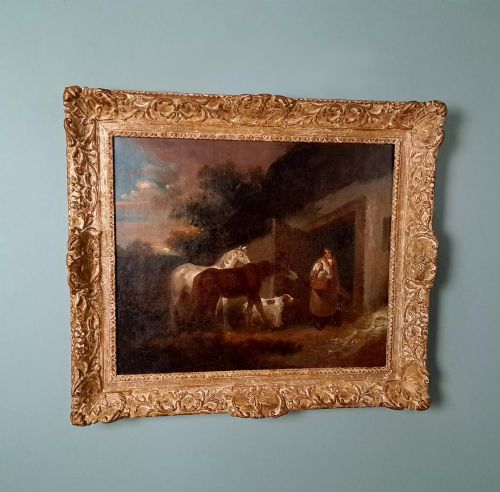
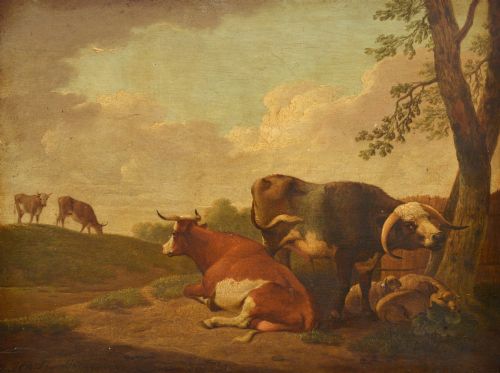
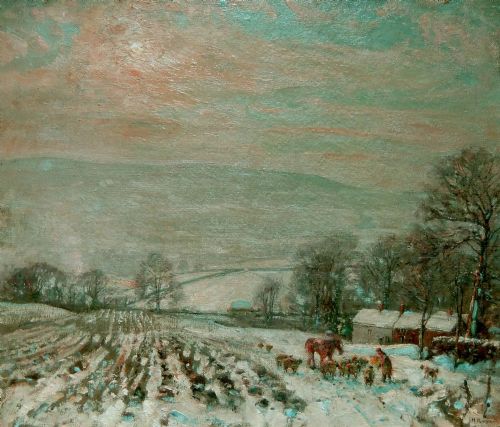
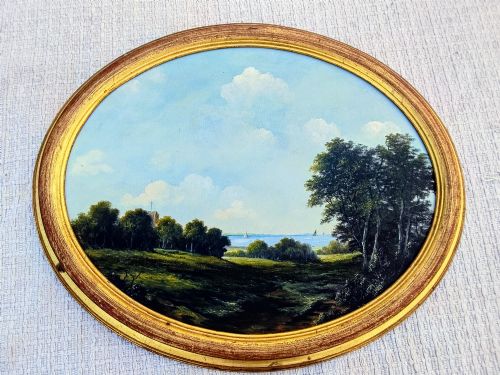
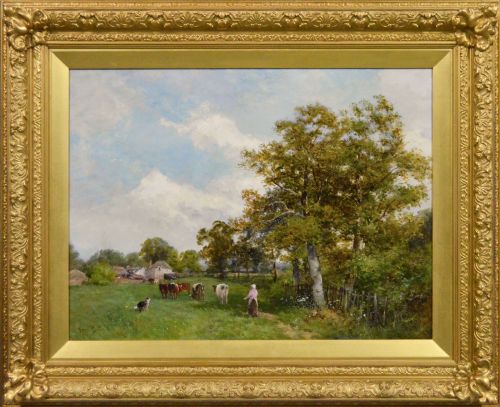
Antique Countryside Painting
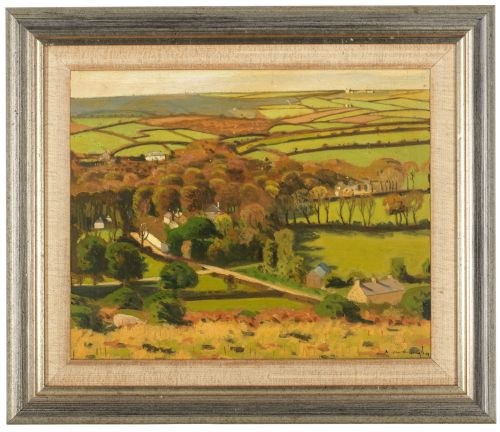
When you search for an antique countryside painting, you enter a visual record of fields, rivers, and rural life captured across past centuries.
Antique Countryside Painting
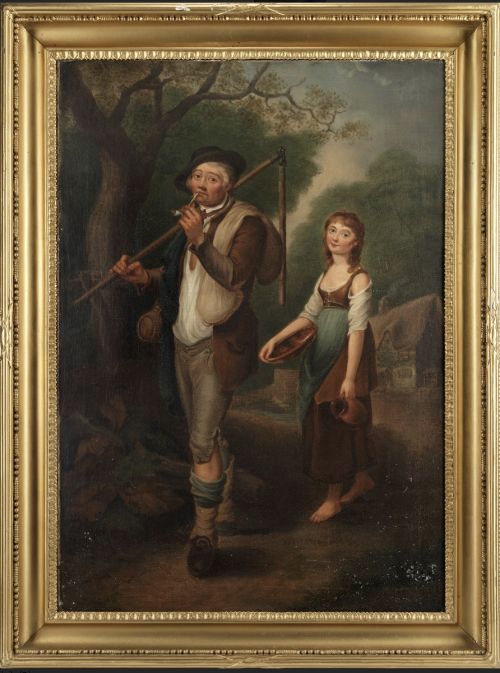
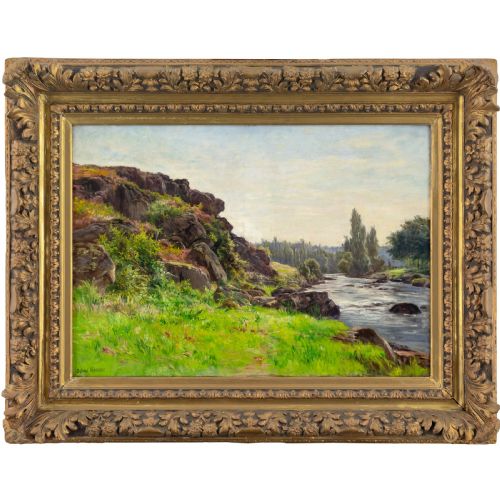
An antique countryside painting captures rural vistas, pastoral scenes, and agrarian life primarily from the nineteenth and early twentieth centuries.
The selections span oil on canvas, delicate watercolours, and works executed on wooden panels or boards.
Makers range from named artists working within British and European schools to accomplished anonymous hands.
Materials and Technique
Pigments were applied to stretched canvas, prepared wooden panels, or heavy paper supports using traditional brushes and binding oils.
Watercolour works utilised fluid washes on paper to capture atmospheric light in rural settings.
Protective varnishes and occasional heavy opaque gouache contributed to the preservation of these painted surfaces over decades.
The listings show nineteenth-century and early twentieth-century works executed primarily in oil on canvas, wood panel, and watercolour on paper.
Distinctions in Quality
Skill in handling perspective, natural light, and seasonal atmosphere separates standard topographical records from masterful artistic interpretations.
The permanence of the support and the stability of the pigment layer dictate the overall preservation of the image.
Richard Sebastian Bond·William H Myers·George Graham·Frederick Marriott·Arthur Wardle·William Joseph Shayer Senior·Hendrik Willem Schweickhardt·Herbert Royle·Thomas Barker of Bath·William Joseph Boyes·Gabriel Mathieu·David Bates·Muriel Metcalfe·Harald Foss·Frederick Walker·Eric Brown·Henri Ottmann·Richard Redgrave·Ernest Higgins Rigg·George Oyston·Rene Levrel·Russell Sidney Reeves·Vernon DeBeauvoir Ward·Florence Adelina Hess·Alexander Wellwood Rattray
The Antique Countryside Painting Glossary
- Canvas
- A heavy woven fabric stretched across a wooden frame to serve as a painting support. It provides a textured surface favoured by traditional oil painters.
- Watercolour
- A painting method where water-soluble pigments are suspended in a water-based solution. This medium relies on the white of the paper to supply luminous highlights.
- Panel
- A flat piece of wood used as a rigid foundation for oil paint. Wooden boards were common in earlier centuries before canvas became widely standardised.
- Impressionism
- An art movement focusing on the visual impression of the moment, particularly shifting light and open-air conditions. Artists employed visible brushstrokes to capture fleeting effects.
Antique Countryside Painting: Frequently Asked Questions
How do I care for an antique oil painting?
Keep the piece away from direct sunlight and dramatic fluctuations in room temperature to protect the canvas and oil pigments from cracking.
Dust the surface gently with a dry, soft brush and avoid applying any liquid cleaners or modern chemical solutions to the paint.
What is the difference between oil and watercolour?
Oil paint uses slow-drying plant oils mixed with pigment, allowing for rich textures and deep layering on canvas or wooden panel supports.
Watercolour employs water-soluble binders on paper, creating translucent washes that require protective framing behind glass.
How can I tell the period of a rural landscape?
Examine the style of brushwork, the pigments utilised, and any framing or backing materials that survive from the original period of production.
Signatures, artist registry records, and inscriptions on the reverse of the canvas or panel often provide exact dates.
Where were these pastoral scenes usually painted?
Artists traditionally travelled into rural regions, river valleys, and farming communities across Britain and Europe to work directly from nature.
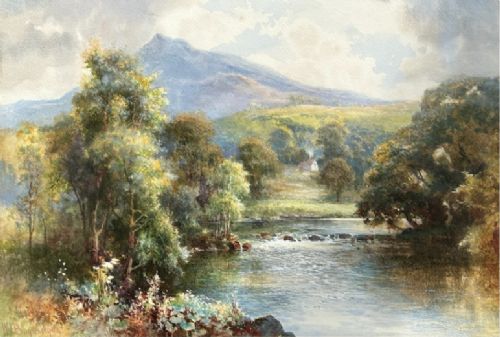
Many compositions reflect specific localities such as Welsh riverbanks, Yorkshire dales, and coastal farming settlements.