



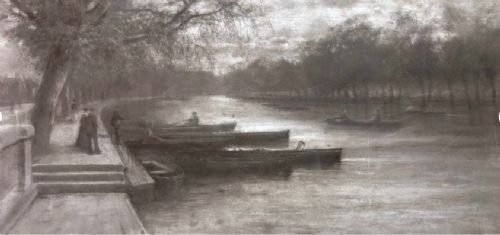
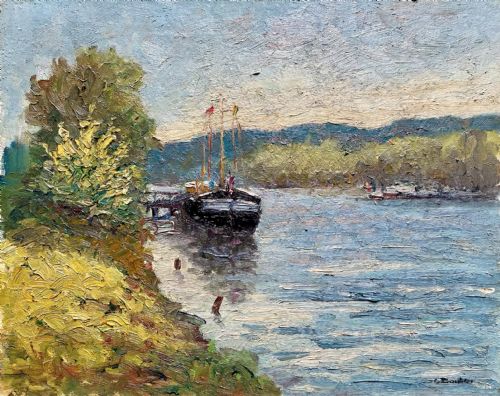
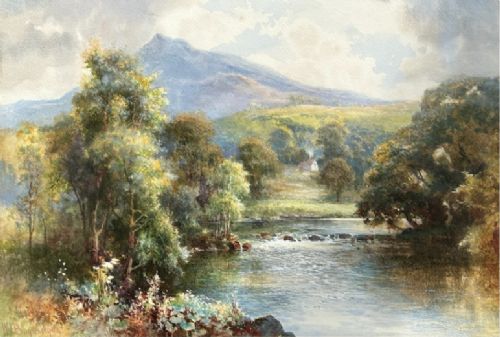
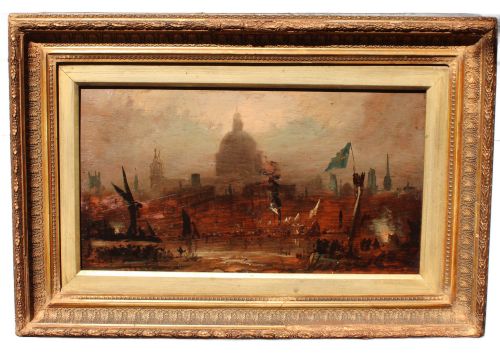

Antique River Scene Art
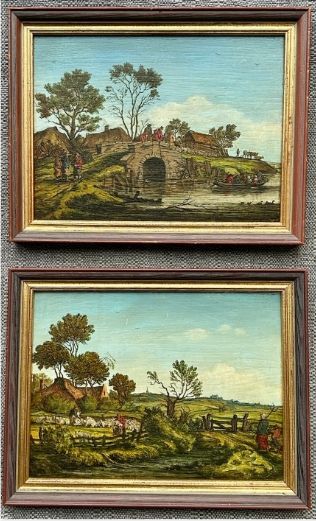
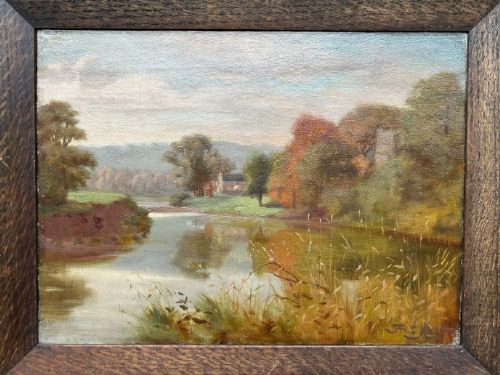
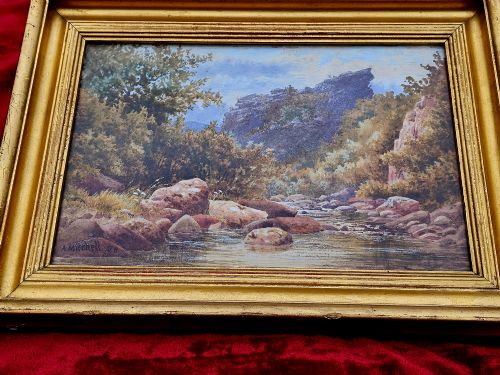
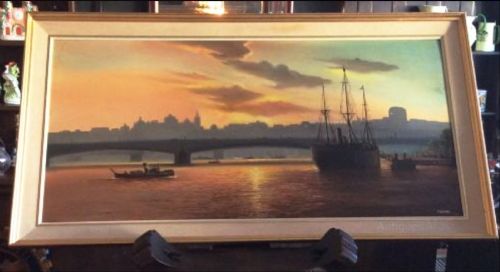
Antique river scene art captures historic waterways and pastoral banks through the varied hands of nineteenth and early twentieth century painters.
Antique River Scene Art
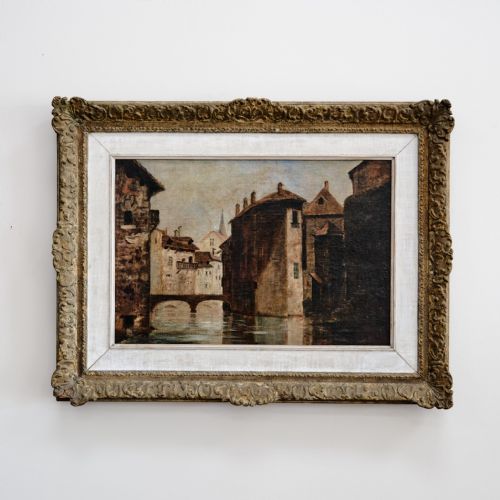
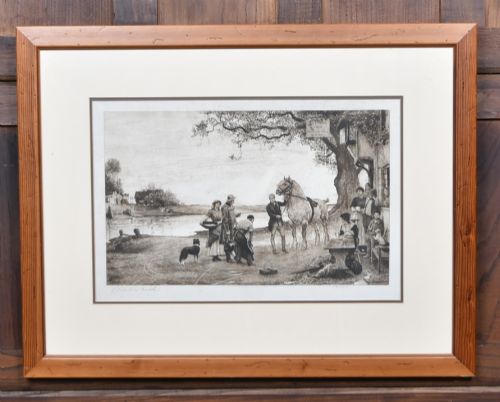
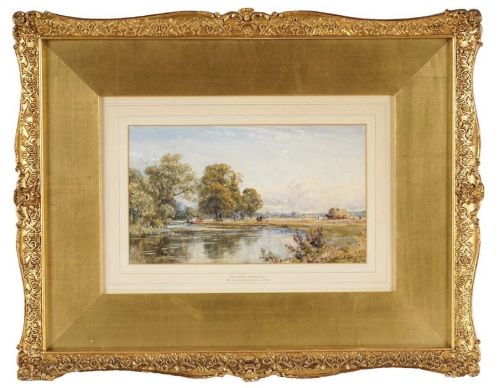
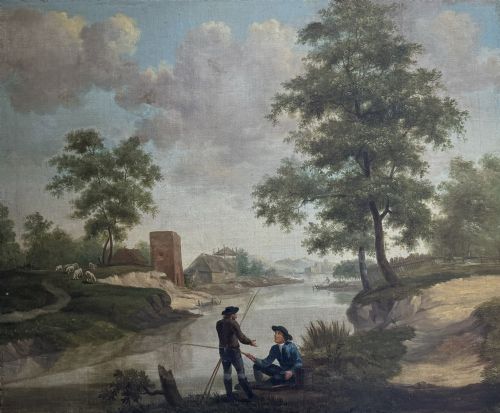
When you search for antique river scene art, you encounter framed watercolours, oil paintings on canvas or wood panels, and charcoal drawings depicting bridges, estuaries, and pastoral banks.
The selections span from the eighteenth century through to the Edwardian period, capturing British, French, and Dutch waterways in styles ranging from romanticism to early impressionism.
Most pieces date from the nineteenth century, reflecting a period of intense artistic focus on rural topography, bustling commercial rivers like the Thames, and quiet fishing streams.
Materials and Techniques
Painters utilised oil paint on prepared canvas or wood panels to build rich textures, while watercolourists applied washes to absorbent paper to capture the changing light on water.
Framed works frequently retained period gilt wood or gesso frames that complement the distinct tonal palettes of British and continental landscapes.
The selection includes rural British streams, bustling London bridges, and quiet Dutch frozen waterways.
Evaluating the Pieces
Quality rests in the artist's ability to render the movement and reflection of water convincingly rather than relying on formulaic foliage or rigid composition.
Works attributed to established schools or named painters exhibit superior handling of light and atmospheric perspective, distinguishing them from generic decorative watercolours.
George Graham·Alfred Young Nutt·Frederick Marriott·George Oyston·Herbert Royle
The Antique River Scene Art Glossary
- Watercolour painting
- A work executed with water-soluble pigments on paper, valued for its luminous transparency.
- Oil on canvas
- Pigments bound in drying oil applied to a stretched woven fabric, allowing deep colour saturation.
- Gesso
- A plaster-like mixture applied to wood panels or frames to prepare a smooth surface for painting or gilding.
- British Impressionism
- A late nineteenth-century painting style focusing on everyday scenes and natural light.
- Wood panel
- A rigid support base utilised by artists before canvas became the dominant medium.
Antique River Scene Art: Frequently Asked Questions
How do I identify the period of a river painting?
Examine the materials, stretcher bars, and framing techniques alongside the clothing of any figures depicted in the landscape.
Stylistic cues such as brushwork and tonal balance also point toward specific decades like the Victorian era or the Edwardian period.
Were these watercolours meant to be framed?
Works on paper were traditionally mounted under glass behind wooden frames to protect them from ambient moisture and dust.
Many retain their original period frames, which provide helpful clues regarding their age and geographic origin.
What is the difference between oil on canvas and oil on wood?
Canvas provides a textured, flexible surface that responds to environmental humidity changes by slightly tightening or loosening the fabric.
Wood panels offer a completely rigid support that prevents canvas sagging but can split if exposed to dry conditions.
How should I hang antique art near natural light?
Position paintings away from direct sunlight to prevent the fading of delicate watercolours and the yellowing of old varnish on oils.
Stable indoor humidity prevents the warping of wooden panels and protects paper supports from developing mould.