
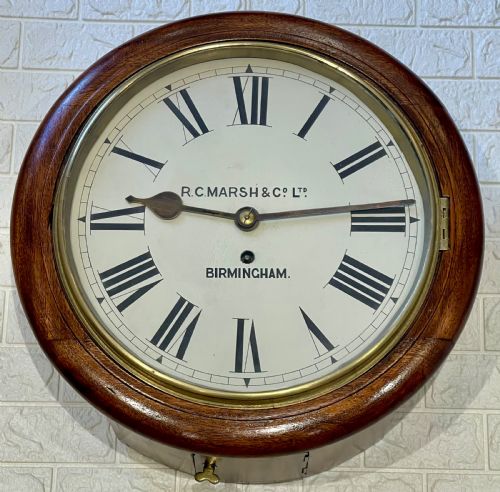
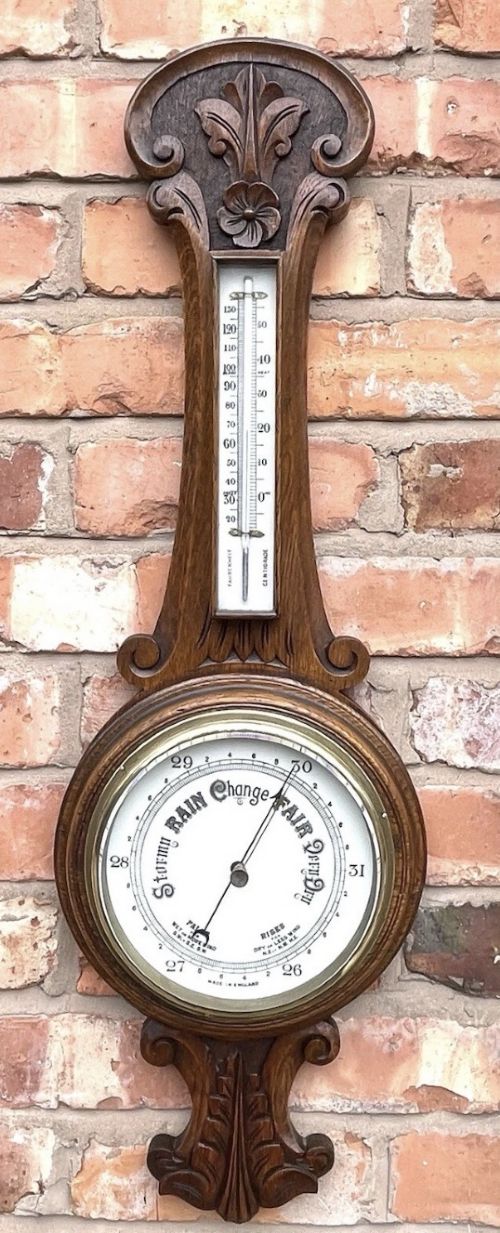


Edwardian Oak Clock
An edwardian oak clock brings dependable timing and warm timber grain into a room, spanning compact dial clocks to tall musical longcases.
What They Are
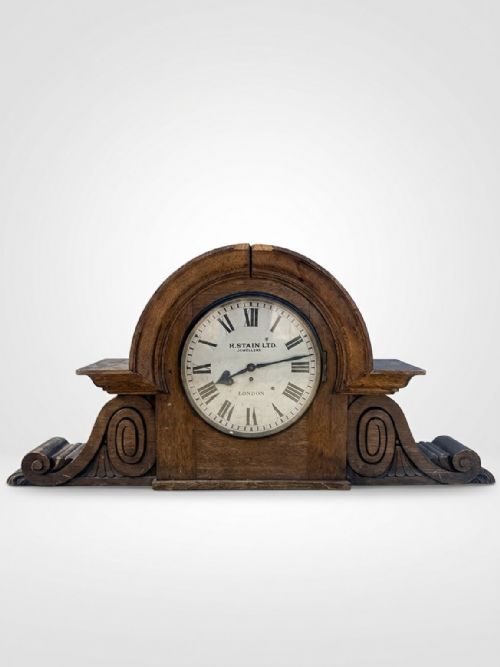
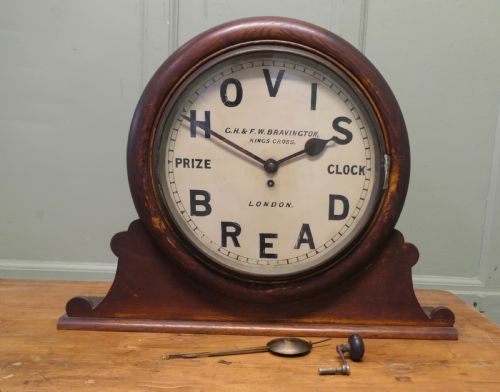
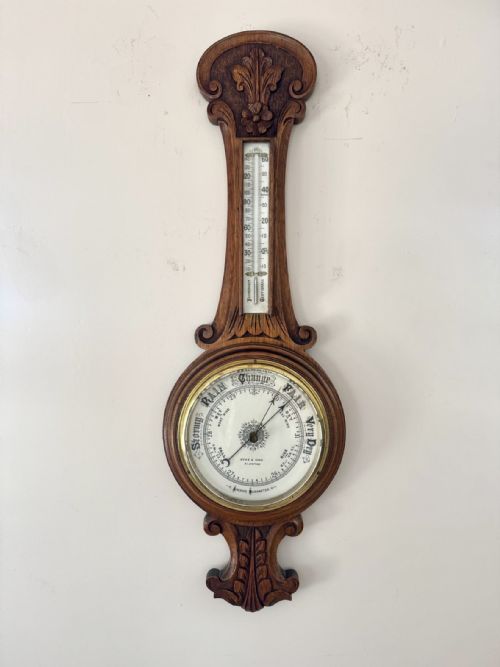
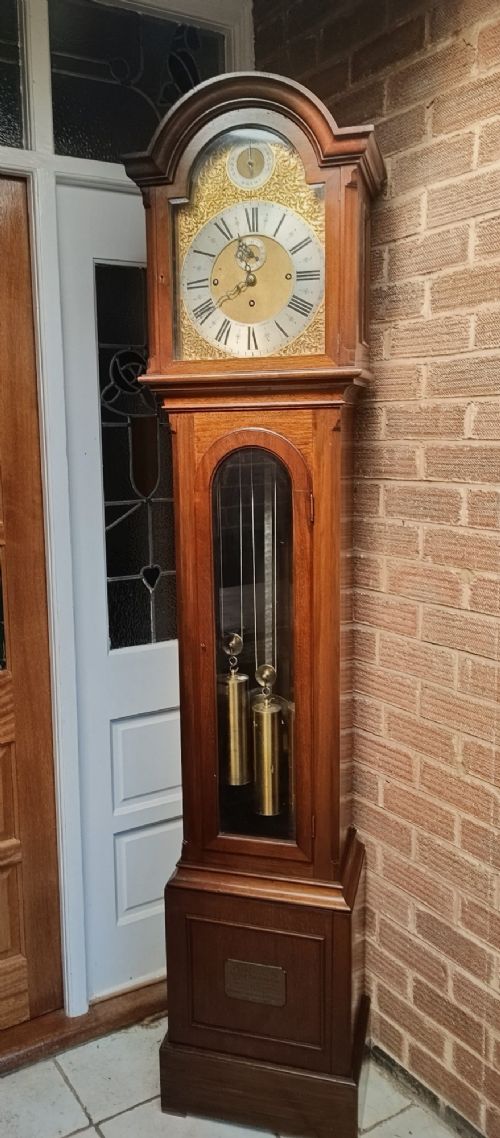
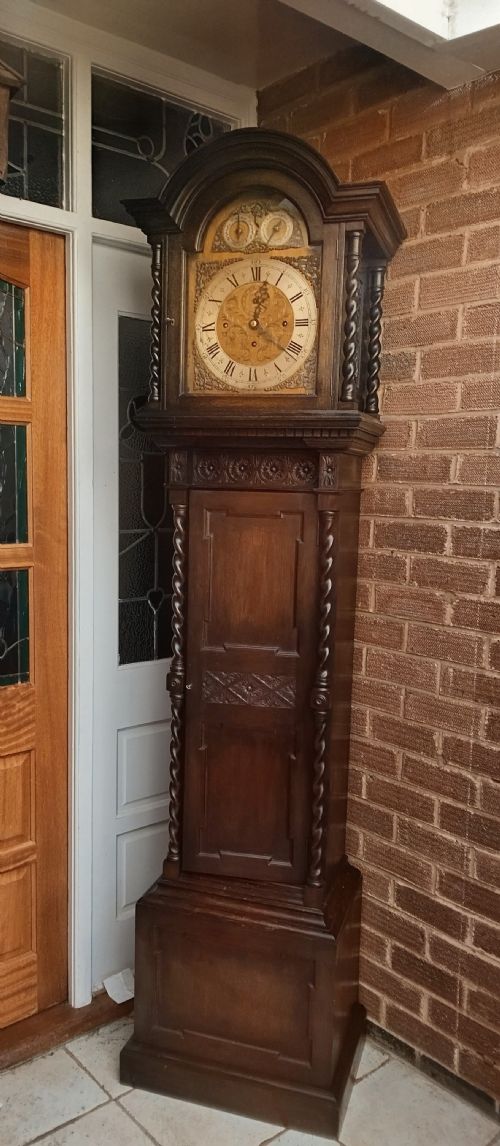
When you search for an edwardian oak clock, you find timepieces ranging from small mantel and bracket models to tall grandmother and longcase clocks. The selection covers pieces dating from the late nineteenth century and the Edwardian period, built in forms designed for both wall mounting and freestanding placement.
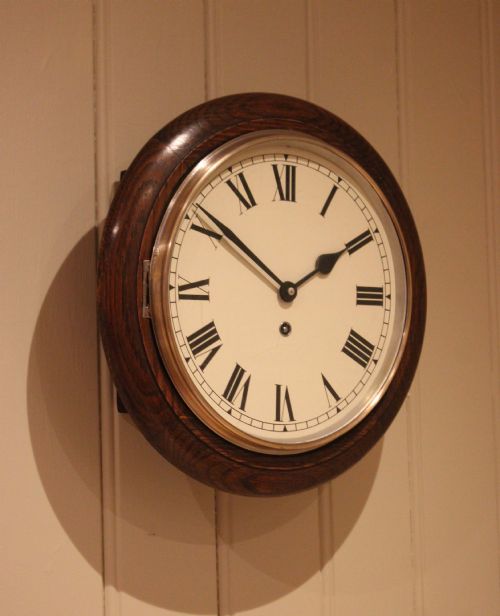
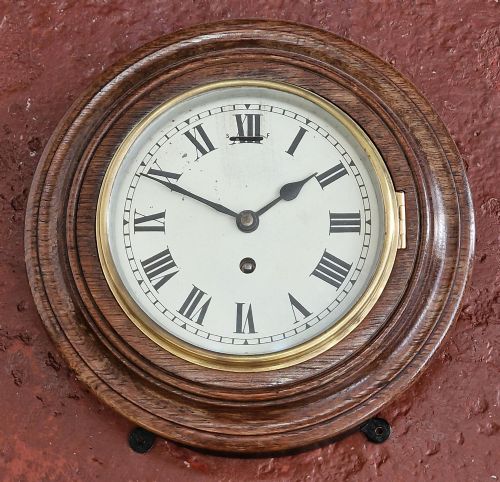
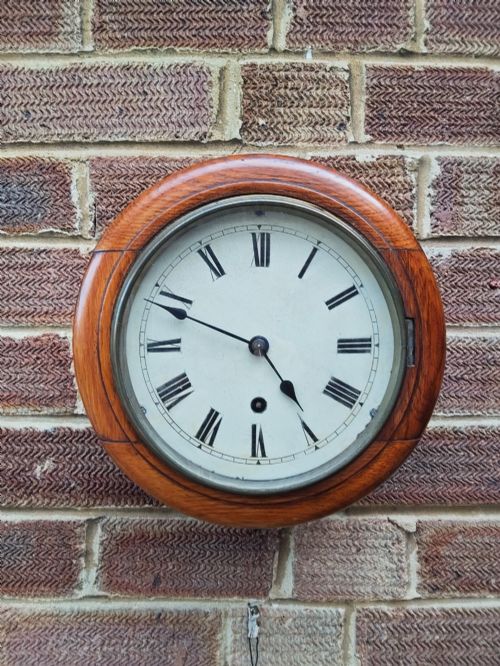
Mantel clocks appear most frequently on this page, often styled with arch tops, lancet shapes, dome tops or balloon profiles. Alongside these, wall-hanging dial clocks and taller grandfather styles provide alternative ways to bring oak timber into domestic spaces.
The objects originate from English workshops as well as continental makers in Germany and France, sometimes housing imported movements inside solid or inlaid British timber cases.
How They Were Made
Construction techniques include bracket mounting, fusee movements, and complex triple train or musical mechanisms capable of chiming. Cabinets are built to house eight-day movements, timepiece movements, and striking mechanisms requiring careful assembly.
Some tall grandmother clocks arrive equipped with barley twist columns, ready to hypnotise anyone staring too long at the pendulum.
What Varies in Quality
The sophistication of the internal movement dictates distinction, moving from simple timepieces to complex musical, chiming, and fusee mechanisms. Signed movements by notable makers elevate a piece above standard domestic production.
W&H Sch·Hamilton and Inches·Lenzkirch
The Edwardian Oak Clock Glossary
- Fusee
- A conical pulley connected to the mainspring by a chain or cord, designed to equalise the force of the spring as it runs down. This mechanism ensures more accurate timekeeping throughout the duration of the winding cycle.
- Dial clock
- A wall-mounted clock featuring a prominent circular face protected by a glass bezel and brass rim. They were commonly used in schools, offices, and large domestic rooms for clear legibility.
- Marquetry
- The art of applying pieces of veneer to a structure to form decorative patterns such as fan motifs. This technique adds subtle ornamentation to flat oak surfaces on clock cases.
- Lancet top
- An architectural case shape featuring a pointed, curved arch reminiscent of Gothic window design. It gives upright mantel clocks a vertical emphasis.
Frequently Asked Questions
How do I wind an edwardian oak clock?
Most models use a key inserted into holes on the dial face to tension the internal springs or lift the weights.
Care must be taken not to overwind the mechanism, stopping gently as soon as resistance is felt.
Where were these clocks made?
Production was shared between English workshops and continental makers in Germany and France.
English timber cases frequently housed reliable imported movements to satisfy domestic demand.
What is the difference between a mantel clock and a bracket clock?
Bracket clocks historically sat on wall brackets and often feature carrying handles or distinct architectural proportions.
Mantel clocks sit directly on flat surfaces like fireplace shelves and generally follow simpler dome, arch, or balloon shapes.
How do I tell an Edwardian clock from a Victorian one?
Edwardian examples tend to show lighter oak tones, simpler geometric inlays, and less heavy carving than earlier Victorian pieces.
Transition pieces from the late nineteenth century can combine stylistic elements from both eras.