



Vintage Hall Clock
A vintage hall clock anchors a room with its height and steady chime, offering both timekeeping and presence.
Vintage Hall Clock
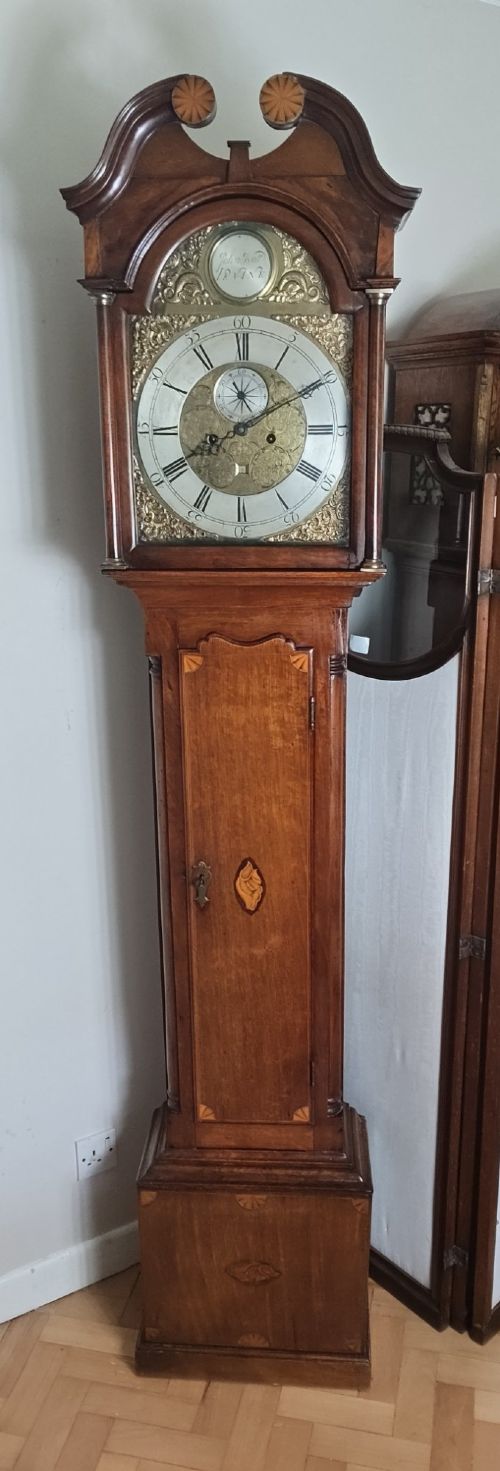
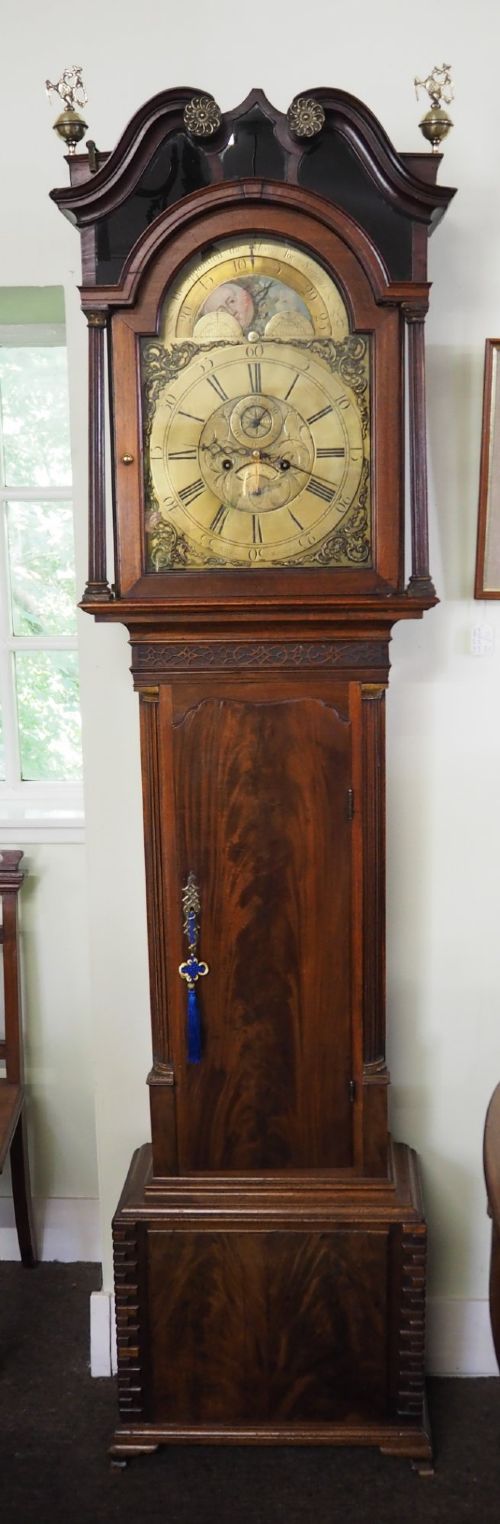
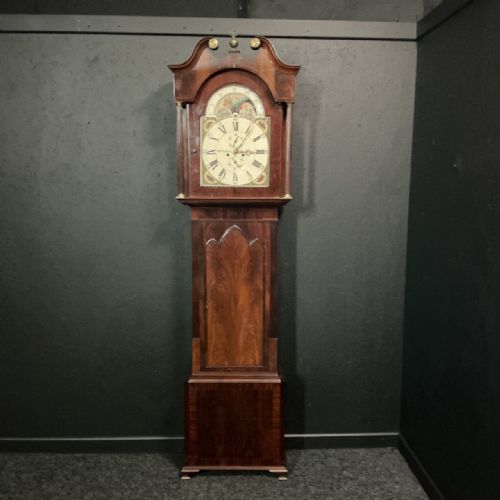
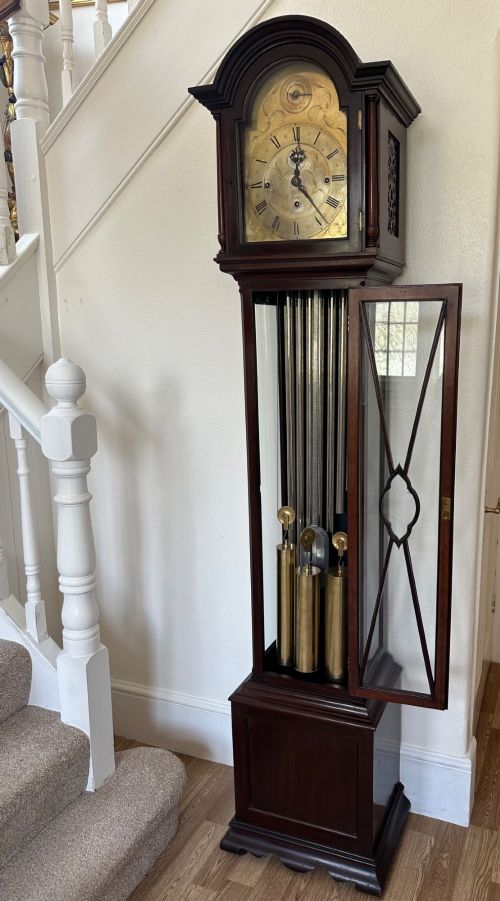
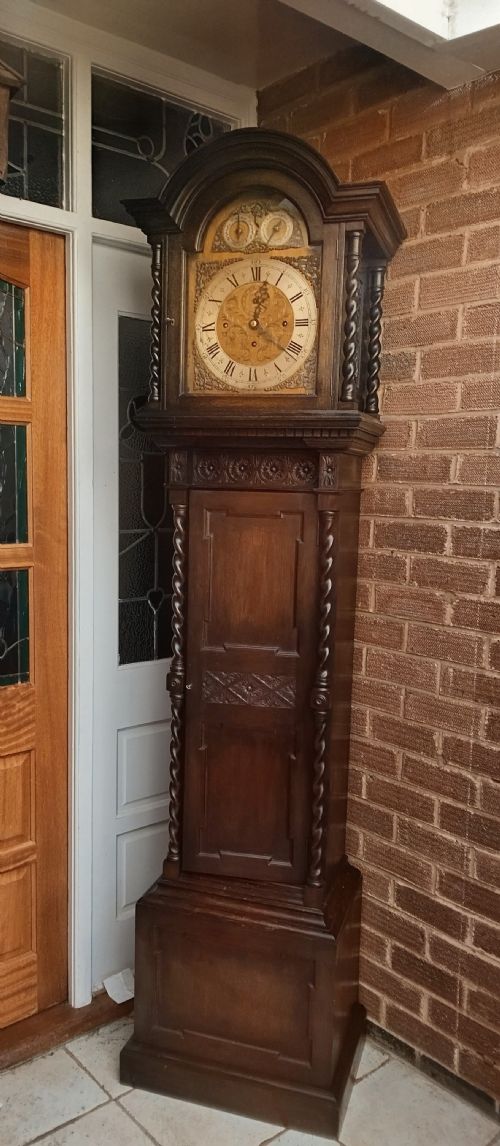
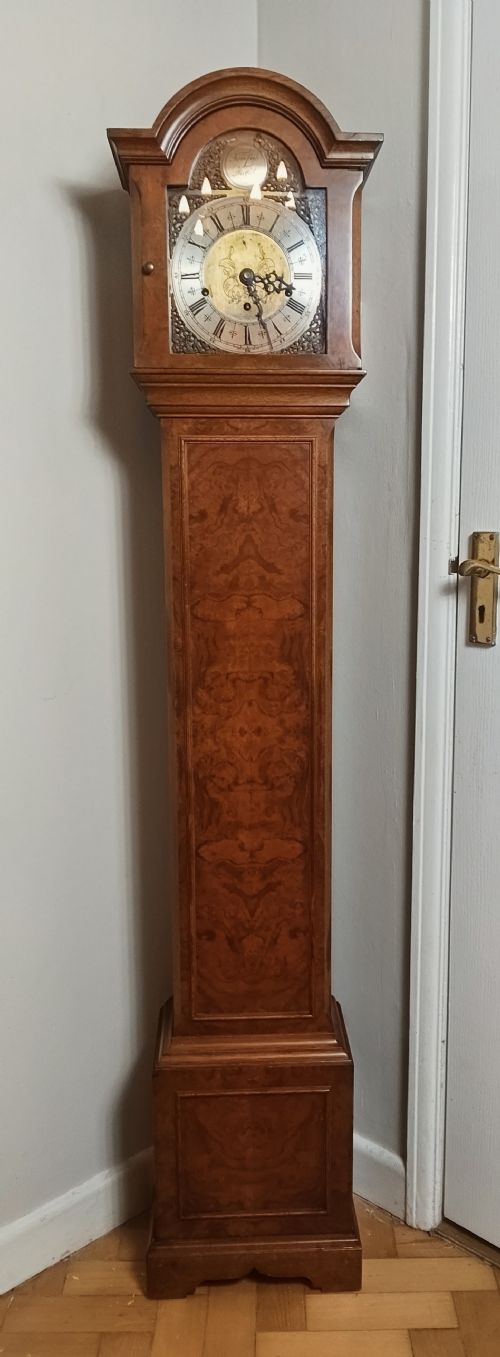
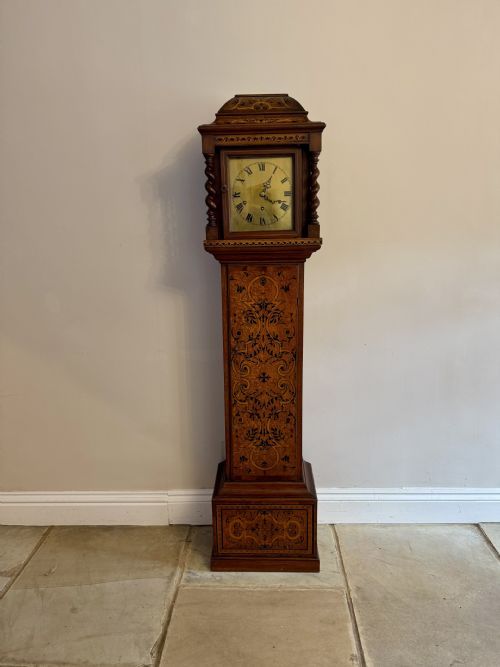
A vintage hall clock encompasses tall floor-standing timepieces, frequently referred to as grandfather clocks, longcase clocks, or smaller grandmother clocks. These vertical pieces fill entrance halls and corridors, bringing a distinct architectural scale to domestic spaces.
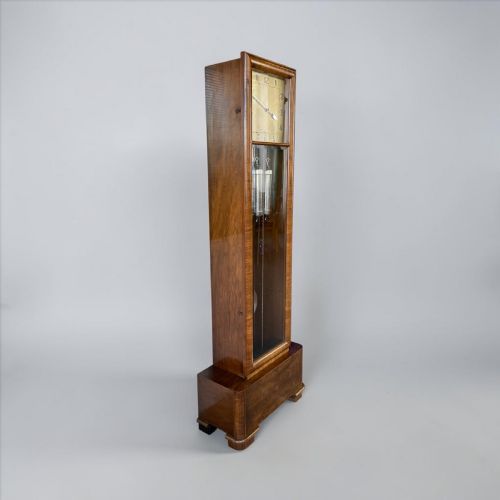
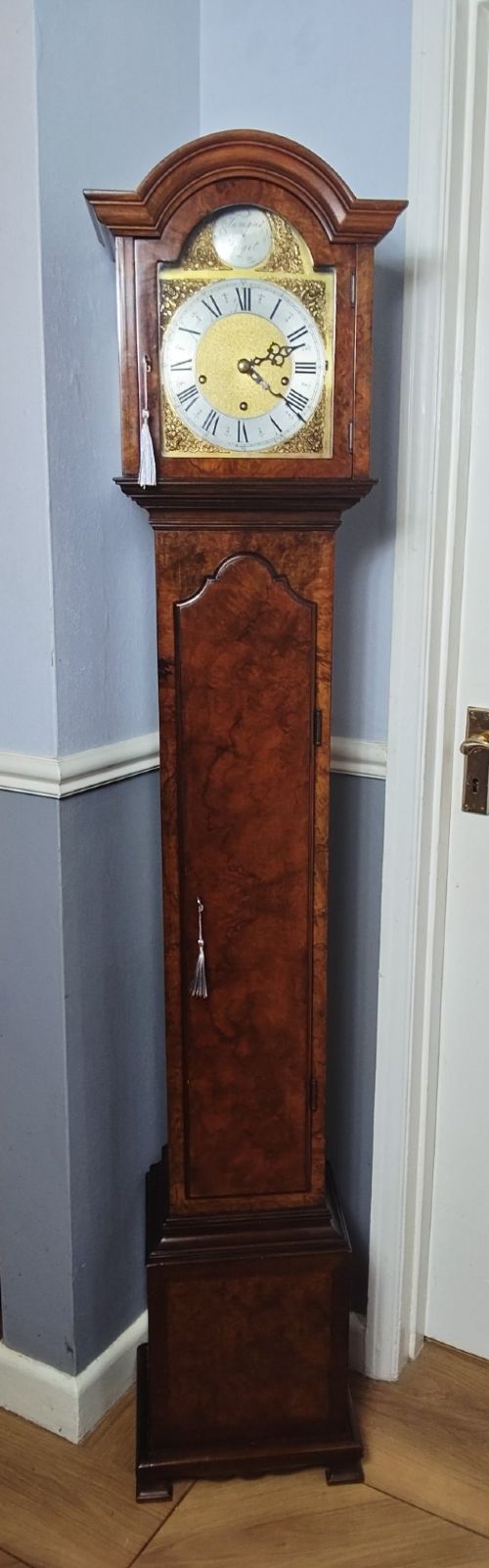
The selection ranges from substantial 18th-century and Georgian pieces down to Edwardian and 1920s examples of more compact proportions. While full-sized grandfathers dominate earlier periods, smaller grandmother clocks appear frequently among the 20th-century items.
Beyond standard timekeeping, many variations incorporate musical movements, quarter-chiming functions, and tubular bells. Dial designs range from traditional brass faces to painted or inlaid wooden surrounds.
Distinguishing quality in tall clocks
Quality rests in the harmony between the cabinetwork and the complexity of the movement. Well-proportioned cases featuring figured veneers, neat marquetry, and original brass dial furniture stand apart from plainer constructions.
Mechanical sophistication also defines the upper tier, particularly movements with multiple chimes, tubular bells, or quarter-hour musical capability. Original components and crisp engraving on the brass dial elevate the standing of an individual piece.
Some models chime up to nine tubular bells, turning a quiet hallway into a miniature cathedral on the quarter hour.
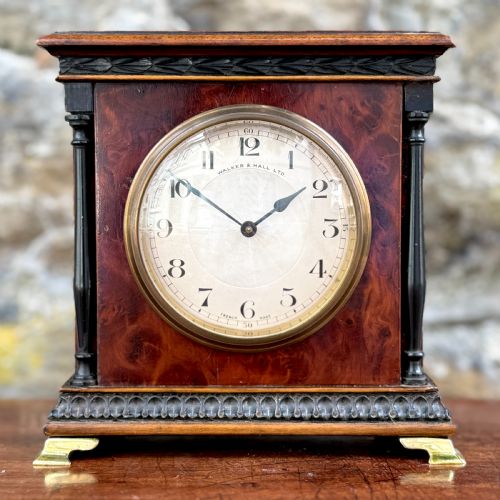
Walker and Hall·Thomas Baker of Malling·Richard Northen·Herbert of Haversham·ELLIOTT
The Vintage Hall Clock Glossary
- Longcase clock
- A tall pendulum clock enclosed in a wooden case that rests directly on the floor. These pieces are often known colloquially as grandfather clocks.
- Grandmother clock
- A smaller, more slender variant of the longcase clock, typically produced during the early 20th century. They offer the presence of a taller clock with reduced height.
- Fusee
- A conical pulley used in clock movements to maintain an equal pull on the gear train as the mainspring unwinds. This mechanism improves timekeeping accuracy.
- Marquetry
- Decorative inlay work using various coloured woods to form pictorial patterns on the clock case. This technique appears on several Edwardian and earlier examples.
- Spandrel
- The ornamental corner piece found on a clock dial, often cast in brass and chased or pierced. They fill the space between the circular chapter ring and the square dial frame.
Vintage Hall Clock: Frequently Asked Questions
What is the difference between a grandfather clock and a grandmother clock?
A grandfather clock generally refers to the taller, traditional longcase timepiece dating from the 18th and 19th centuries. A grandmother clock is a shorter, more compact version that gained popularity in the early 20th century.
Both utilise similar pendulum and weight-driven mechanics, but the grandmother clock suits lower ceilings and smaller hallway spaces.
How do I wind a weight-driven hall clock?
Weight-driven movements require the hanging weights to be drawn back up using a winding key inserted into holes on the dial face. Care must be taken not to overwind the mechanism.
Different trains control the timekeeping and the striking or chiming functions, meaning multiple weights or springs may need attention.
Where should I place a longcase clock in my home?
These tall timepieces require a stable, level floor and a secure fixing to the wall through the back of the case to prevent tipping. Hallways and landings provide traditional placement where the chime can resonate.
Keep the timber away from direct sunlight, radiators, and damp exterior walls to protect the veneer and movement.
How can I tell the age of a vintage hall clock?
Dating relies on a combination of cabinet style, timber choice, dial construction, and maker signatures. Georgian and 18th-century pieces typically feature solid oak or mahogany with square brass dials, whilst Edwardian and 1920s examples often incorporate marquetry or smaller proportions.
Makers' names inscribed on the dial or movement backplate also help pinpoint the origin.