

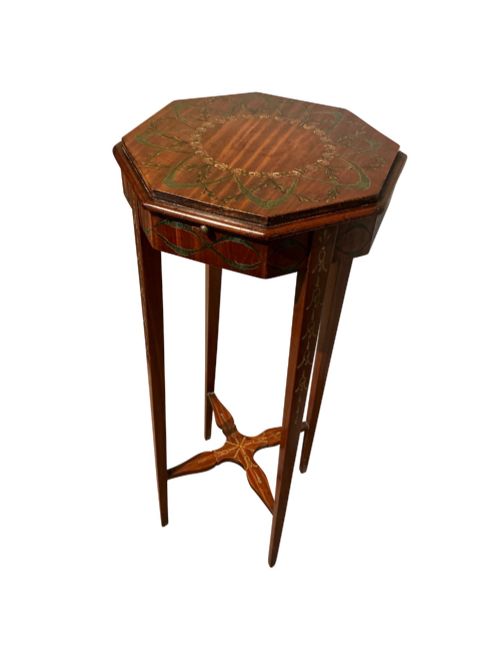
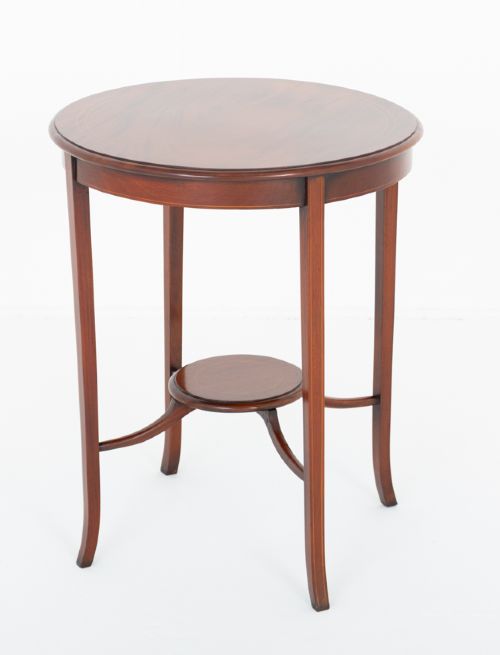
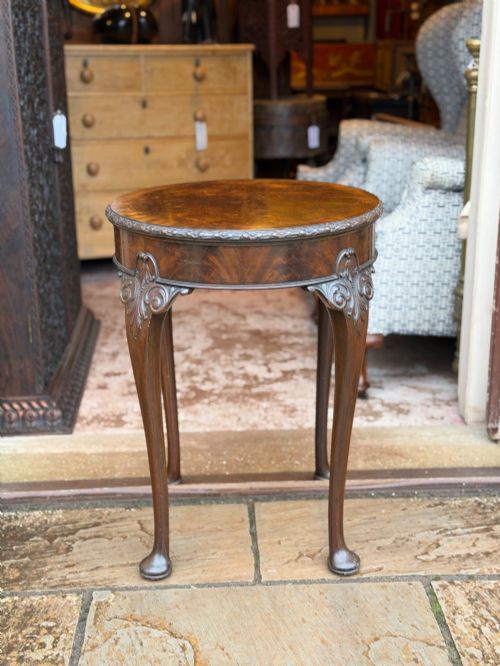
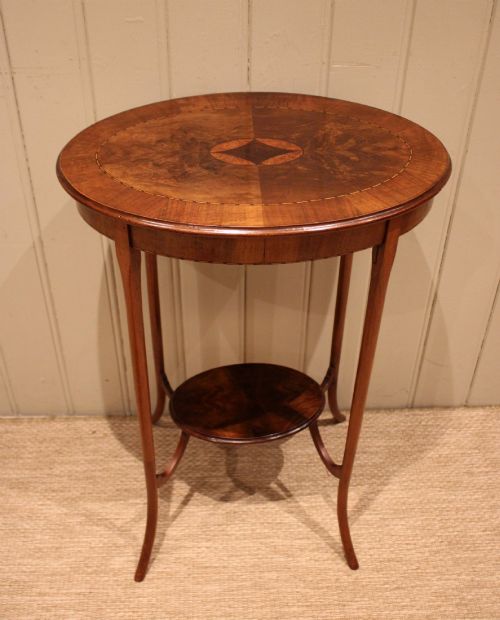
Edwardian Mahogany Wine Table
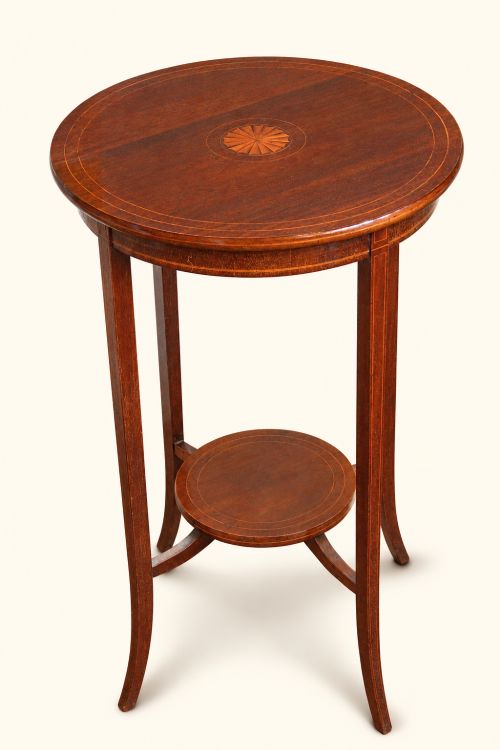
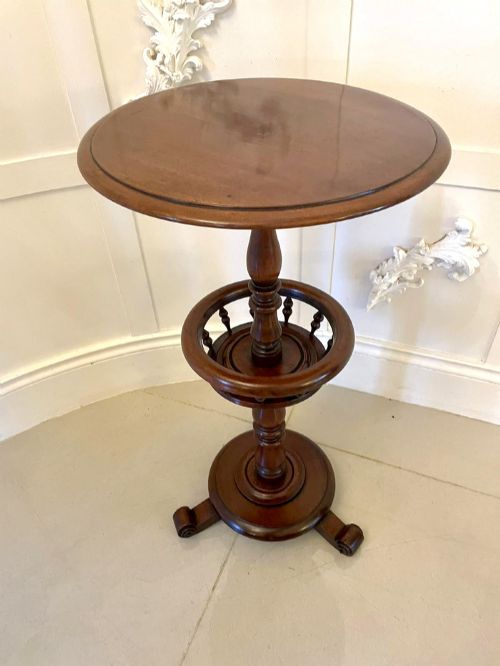
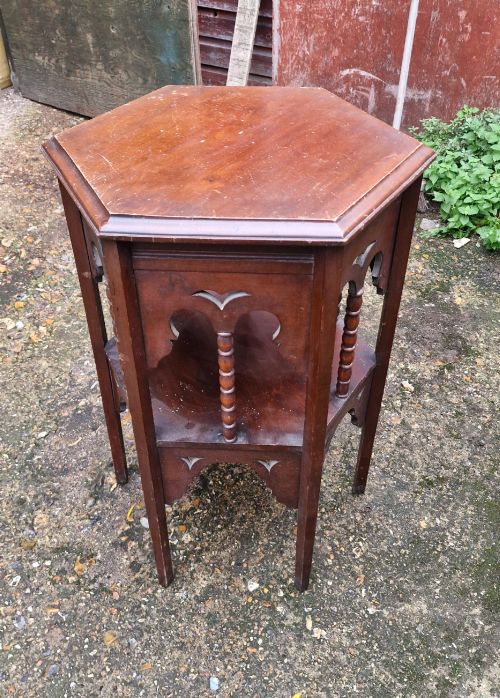
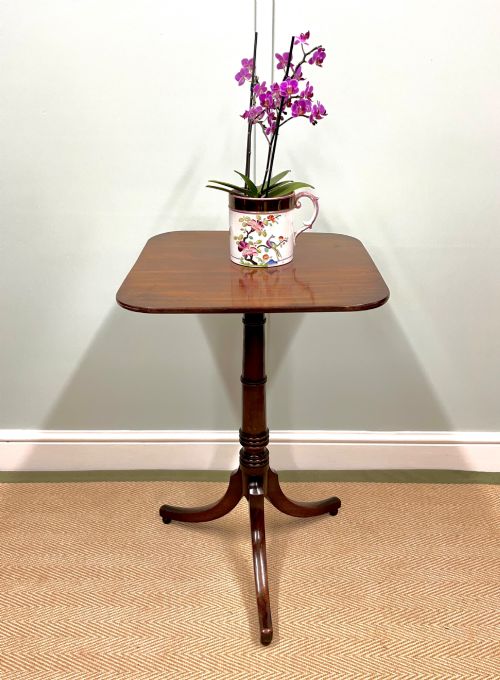
An Edwardian mahogany wine table brings compact utility and refined timber grain to a corner, offering a small surface designed originally for evening drinks.
Edwardian Mahogany Wine Table
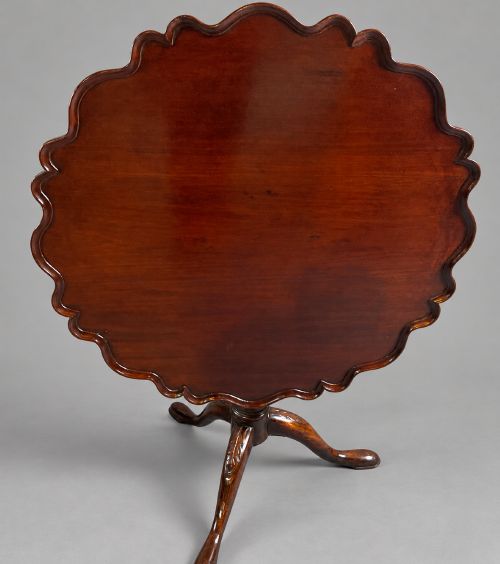
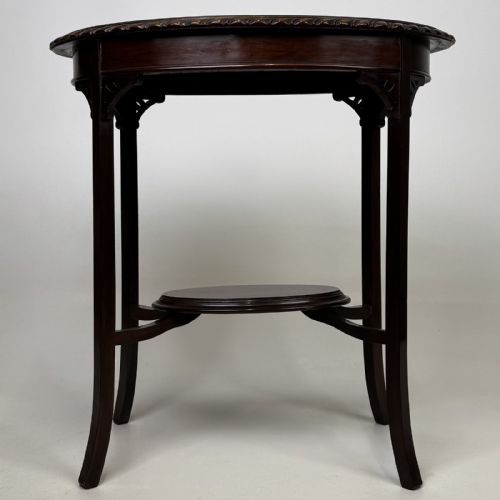
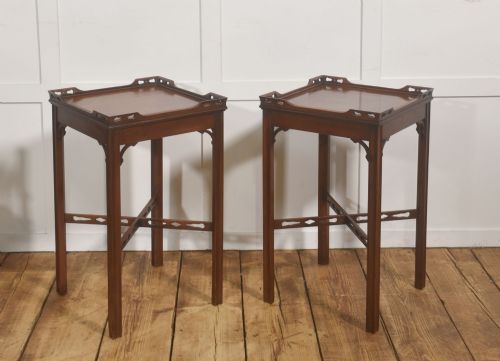
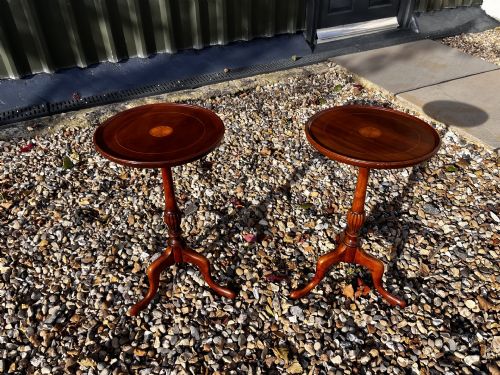
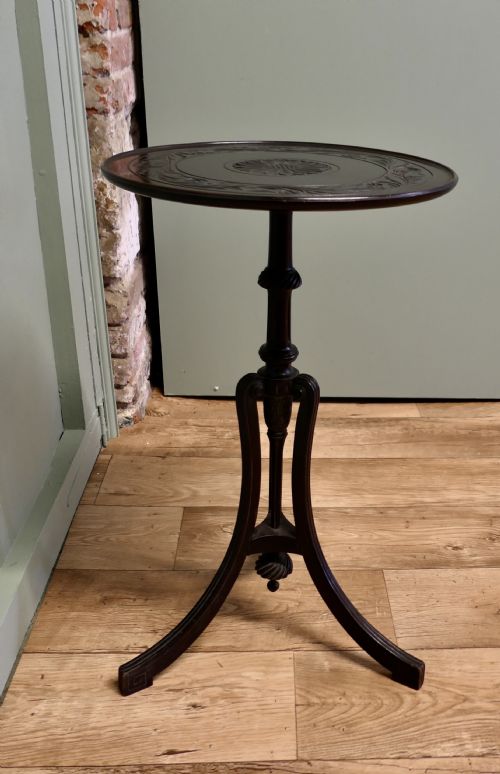
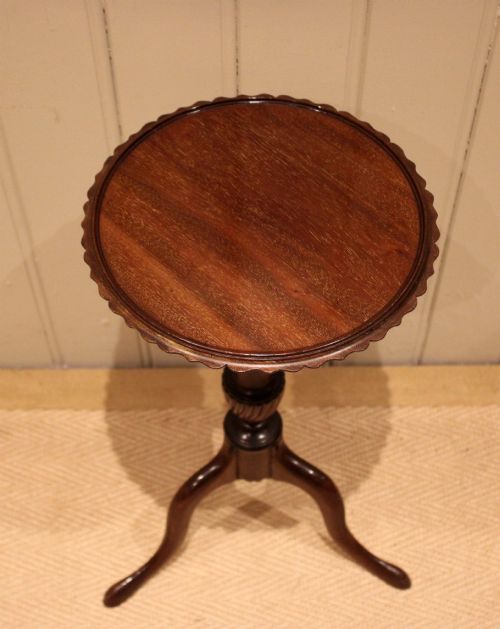
When you search for an edwardian mahogany wine table, you encounter compact circular or occasional stands made primarily during the early twentieth century. Most pieces present a slender tripod base supporting a small top, often designed with a raised edge or subtle carving.
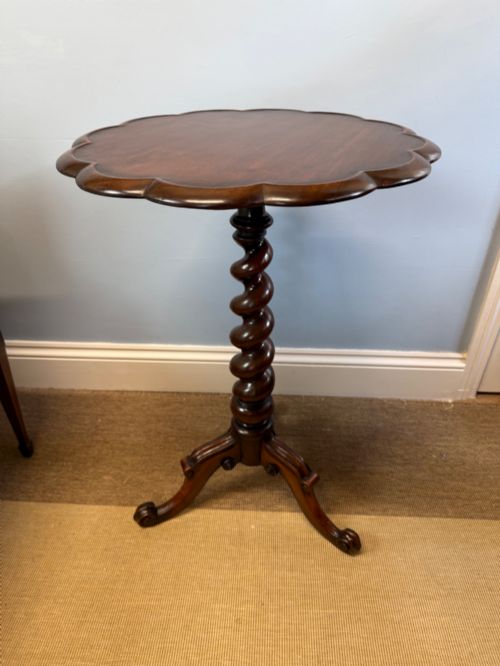
The archive shows that while Edwardian examples dominate the selection, related pieces stretch back into the Victorian era and forward into revival styles. Buyers frequently select these tables for their diminutive footprint, using them beside armchairs as lamp or drink stands.
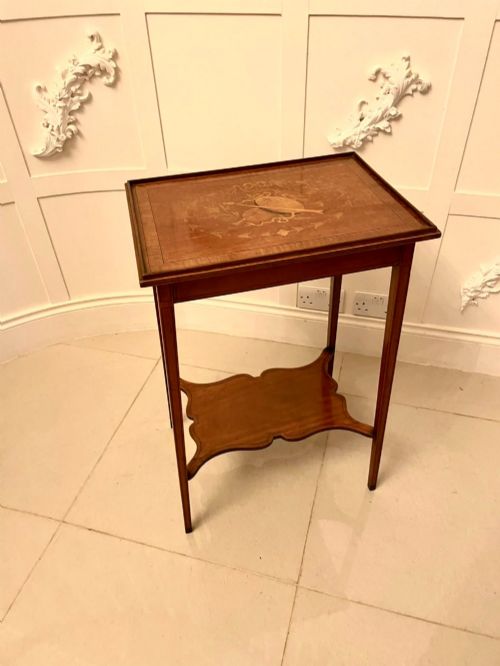
Makers of the period also produced variations featuring satinwood inlay, boxwood stringing, or tilt-top mechanisms. These iterations provide collectors with a variety of decorative surfaces while maintaining the fundamental tripod architecture.
How They Were Made
Cabinet makers utilised solid mahogany for the structural legs and columns, frequently pairing it with fine veneers for the circular tops. Timber selection focused on rich grain patterns, which were then polished to a deep lustre.
Many examples incorporate delicate stringing in boxwood or satinwood along the edges and legs. Workshops also applied brass fittings and tilt-top brackets to allow the surface to fold upright when not in use.
Edwardian Mahogany Wine Table Retail Price Guide 2026
Typical asking prices for edwardian mahogany wine table among the pieces listed under this phrase on Sellingantiques today, from the lower quarter to the upper quarter. They describe what is for sale here now, not the wider market.
Some folding coaching tables managed to double as impromptu garden furniture for Edwardian tea parties.
What Varies in Quality
The refinement of the tripod base and the sharpness of the turned column separate standard production from superior workshops. Finer tables exhibit balanced proportions where the legs sweep outwards in a clean, uninterrupted line from the central shaft.
Surface decoration also dictates distinction, ranging from plain polished timber to intricate satinwood inlay and carved piecrust rims. The crispness of hand-carved details and the tightness of veneer joints indicate the level of care invested by the maker.
Shapland and Petter·Waring and Gillow
The Edwardian Mahogany Wine Table Glossary
- Tripod table
- A small stand supported by three legs radiating from a central pillar. This construction keeps the table stable on uneven floorboards.
- Piecrust rim
- A raised, decoratively carved edge shaped around the perimeter of a circular tabletop. It prevents glasses or small items from sliding off the surface.
- Tilt-top
- A hinged mechanism allowing the tabletop to pivot into a vertical position. This clever design enabled servants to store multiple tables against a wall when the room was cleared.
- Stringing
- Thin lines of contrasting timber inlaid into grooves on the surface or legs. Makers used boxwood or satinwood to create geometric borders.
- Occasional table
- A light, easily movable piece designed for specific, intermittent tasks in a principal room. They function readily as lamp stands or small tea tables.
Edwardian Mahogany Wine Table: Frequently Asked Questions
What is an Edwardian mahogany wine table used for?
These small stands were originally positioned beside seating to hold glasses, decanters, or candles during evening gatherings.
Today, they serve equally well as compact lamp tables or display surfaces in restricted spaces.
How do I distinguish Edwardian from Victorian tables?
Edwardian pieces generally display lighter proportions, simpler lines, and restrained Sheraton or Chippendale revival motifs.
Victorian examples often feature heavier timber turning, darker finishes, and more robust structural elements.
Are tilt-top mechanisms original?
Most tilt-top mechanisms on period examples utilise brass catches and wooden blocks that match the age of the base.
Inspection of the pivot area reveals whether the hinges and screws correspond to early twentieth-century manufacturing methods.
How should I care for mahogany surfaces?
Keep these tables away from direct heat sources and strong sunlight to prevent the timber and veneer from drying out.
Application of a traditional beeswax polish maintains the natural lustre without building up heavy chemical residue.