
Edwardian Mahogany Tray
An edwardian mahogany tray brings tactile warmth to any room, offering a functional surface shaped by polished timber and inlaid detail.
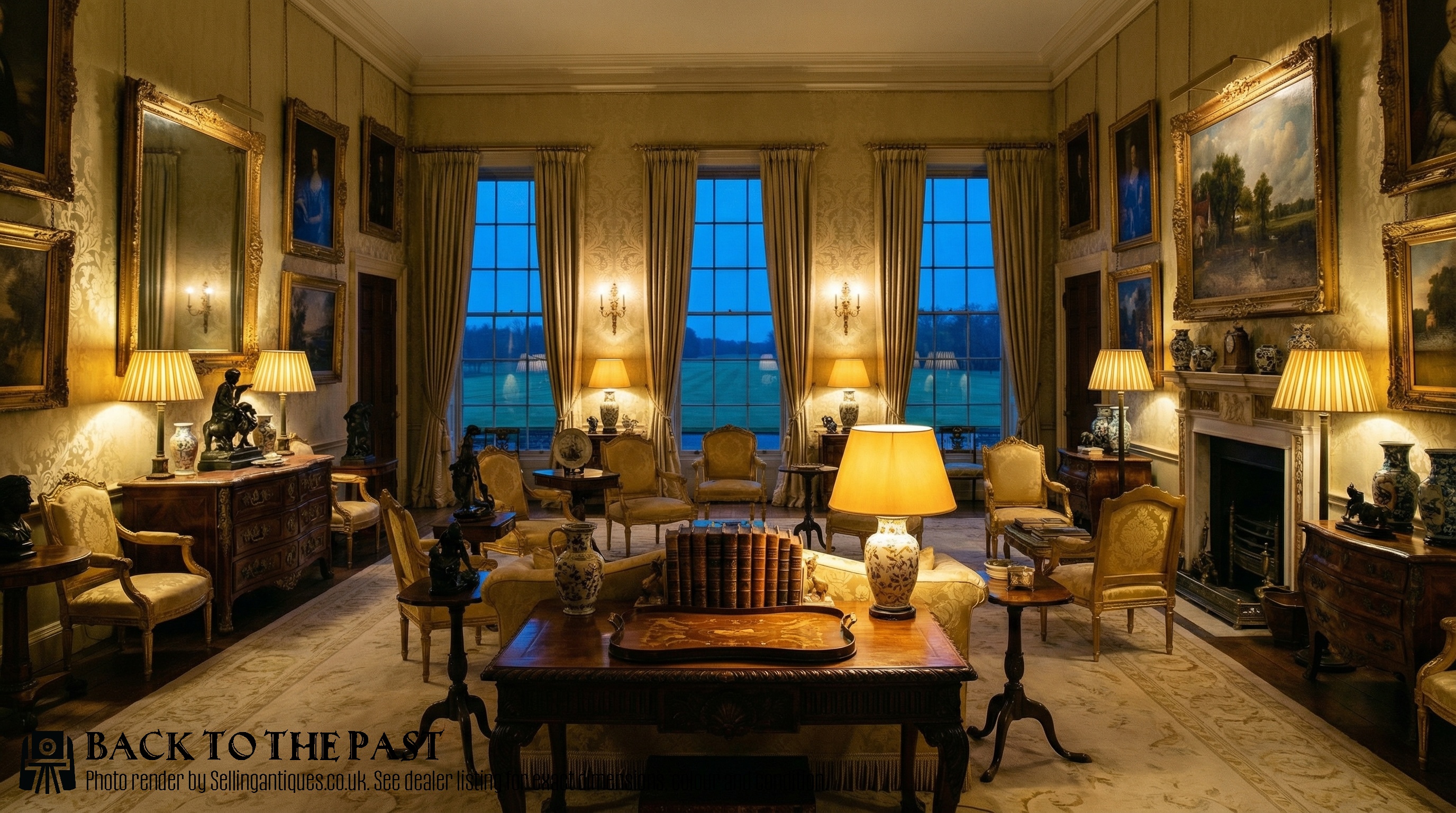
Edwardian mahogany tray types and forms
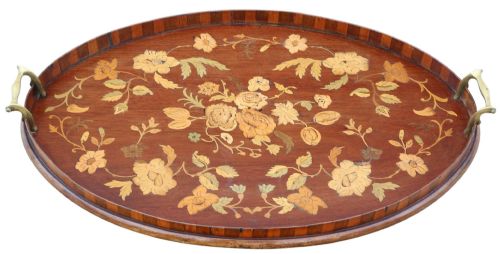
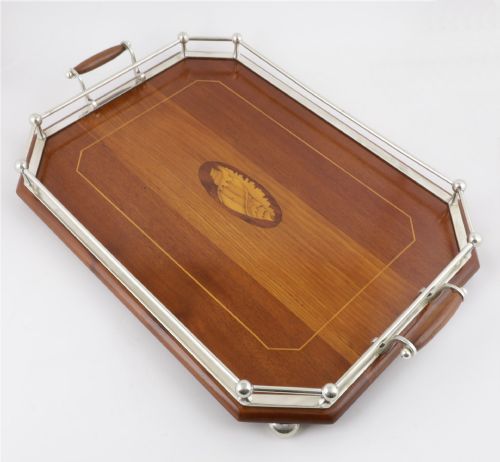
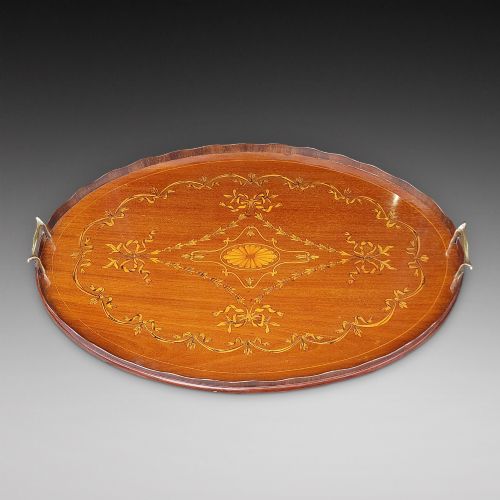
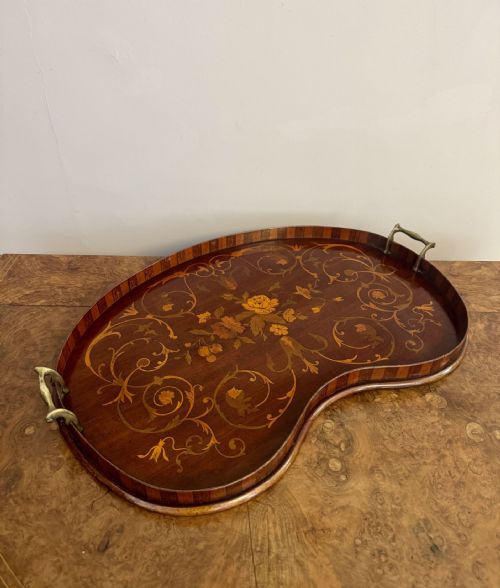
The edwardian mahogany tray appears in several distinct forms, most commonly as an oval or kidney-shaped serving piece designed for tea or drinks. These items span the 1900 period and the wider nineteenth century, capturing a late aesthetic interest in graceful curves and utility.
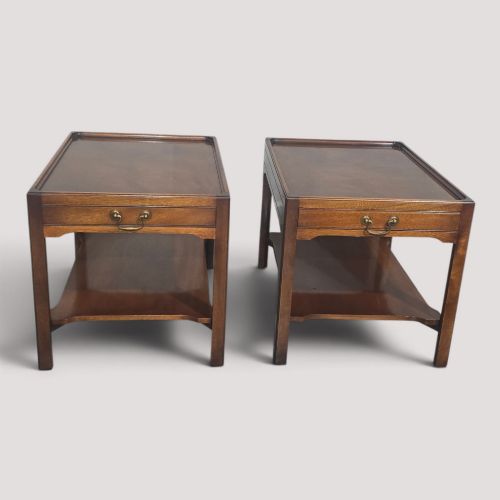
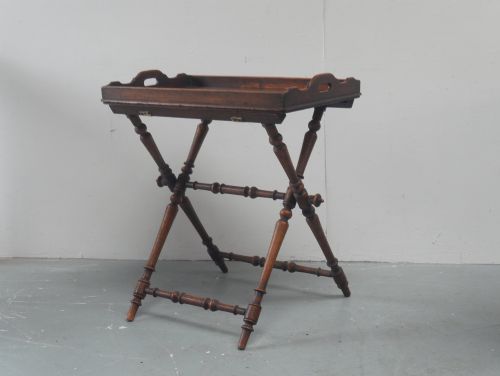
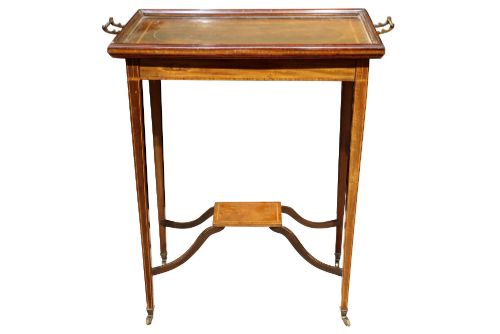
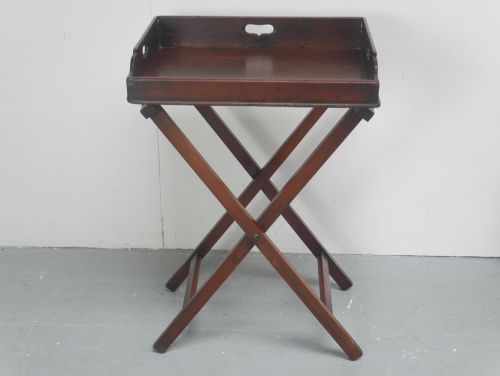
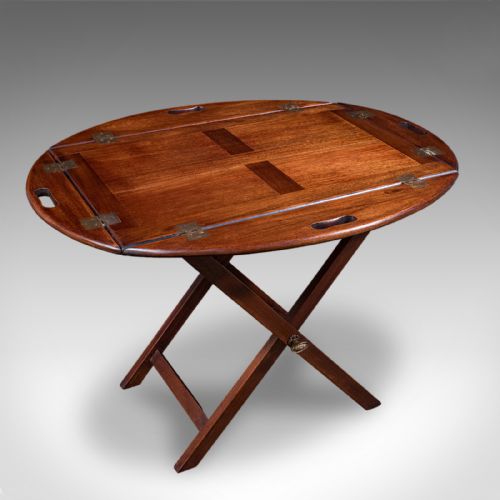
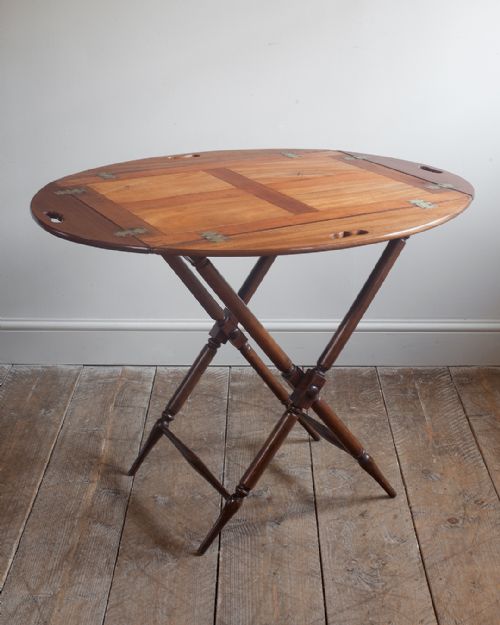
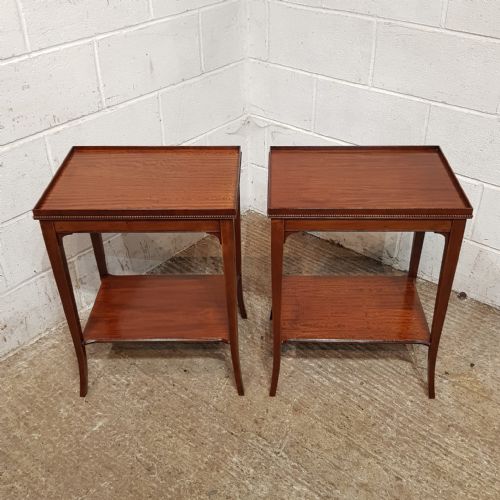
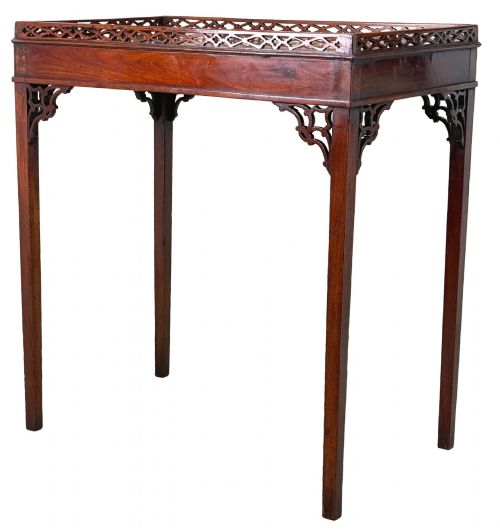
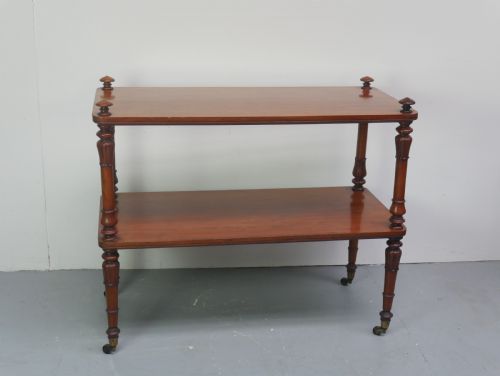
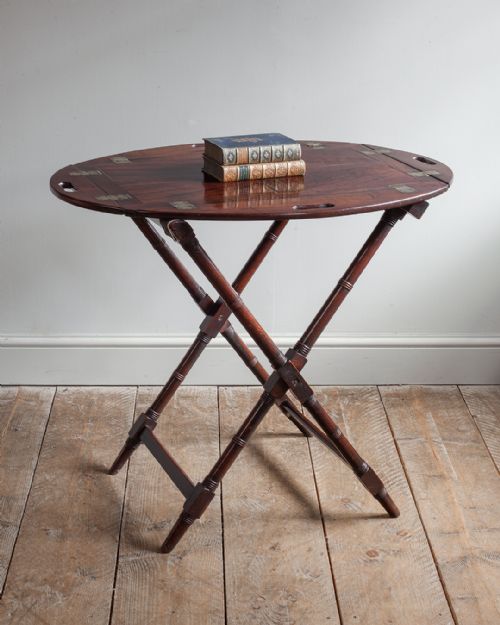
Many examples incorporate raised galleries, scalloped edging, or brass handles, whilst others sit upon folding stands or coffee table bases. Variations include circular profiles and multi-tiered etagere designs featuring removable trays.
Makers of the era frequently applied contrasting woods and decorative shell motifs into the timber surface. Georgian revival styles also emerge alongside simpler solid mahogany variants.
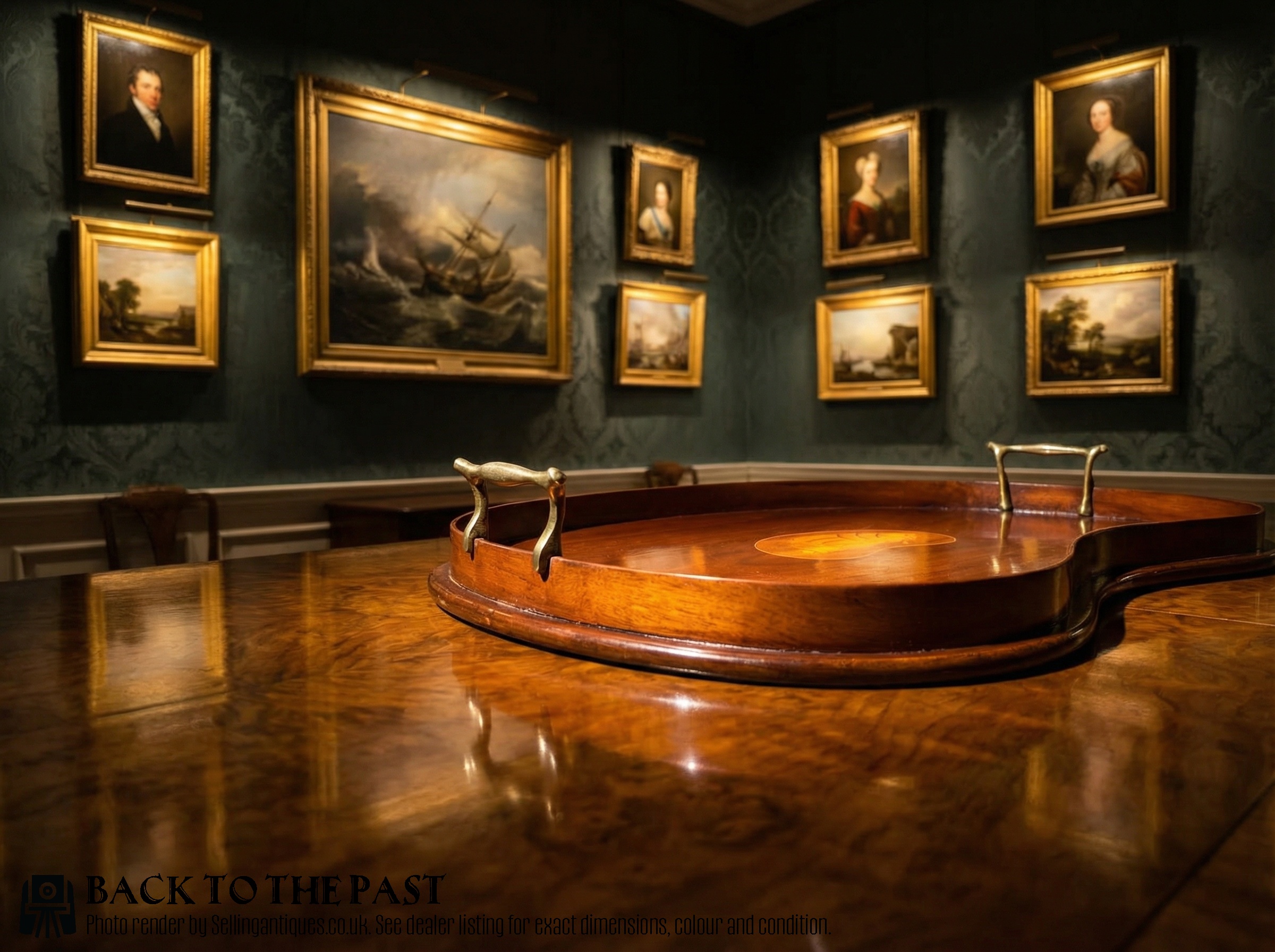
Materials and construction methods
Constructed primarily from mahogany, these pieces often utilise satinwood for stringing and detailed inlay work. Selected items combine the dark timber with brass mounts, silver plate, or glass inserts.
Cabinetmakers shaped the wood into oval, kidney, and circular shapes, frequently employing figured mahogany for the primary surface. Edges were finished with galleries, scalloped borders, or integrated handles.
Retail Price Guide 2026
Typical UK retail prices for edwardian mahogany tray, calculated from the Sellingantiques database of over a million retail prices indexed since 2003. This retail price guide relies exclusively on Sellingantiques data; no external sources or auction records are used, so the figures do not describe the wider market.
Listings demonstrate forms spanning oval trays, kidney shapes, and circular tables, utilising mahogany, satinwood, brass, and silver plate.
Distinctions in craftsmanship and material selection
Superior examples separate themselves through the careful selection of figured mahogany and the precision of satinwood inlay. The crispness of the gallery work and the integration of brass or silver-plated fittings further divide standard pieces from finer ones.
Construction depth also dictates standing, with solid mahogany kidney-shaped pieces and folding tray tables showing distinct joinery methods. The presence of delicate shell marquetry and well-fitted handles points to higher workshop standards.
The Edwardian Mahogany Tray Glossary
- Gallery
- A raised wooden or metal border surrounding the perimeter of a tray to prevent items from sliding off. Galleries can be pierced or solid.
- Kidney-shaped
- A curved, indented outline resembling a kidney bean, popular in edwardian serving trays for a comfortable fit against the body.
- Satinwood
- A pale, lustrous timber native to Ceylon and India, frequently utilised for contrasting inlay and stringing on mahogany surfaces.
- Marquetry
- The art of applying decorative pieces of veneer to a structure to form intricate patterns, often seen as shell motifs on these trays.
- Butler tray
- A portable wooden tray, sometimes fitted with folding handles or placed upon a dedicated folding stand for serving.
Frequently Asked Questions
How were these trays used?
These pieces served primarily for carrying tea, wine, and spirits in domestic settings. Many functioned as portable serving items before resting on side tables.
Over time, numerous examples found permanent homes atop folding stands or coffee table bases to remain as static furniture.
What woods appear most often?
Mahogany forms the primary body of almost every piece, ranging from plain grain to highly figured varieties. Satinwood frequently supplements the main timber for decorative stringing and inlay.
Additional materials like brass, silver plate, and glass occasionally appear in handles, galleries, and specialised inserts.
Are stands original to the trays?
Some pieces were manufactured specifically as tray top tables or folding tray tables with matching supports. Others began as standalone serving items and were paired with stands later.
Examining the underside and the fit of the tray helps determine the relationship between the surface and its base.
How do I identify the period?
The pieces span the edwardian era and the broader nineteenth century, reflecting revival tastes such as the georgian revival style. Construction techniques, timber patination, and inlay motifs guide the dating process.
Characteristics like satinwood shell marquetry and specific handle designs align closely with production around nineteen hundred.