

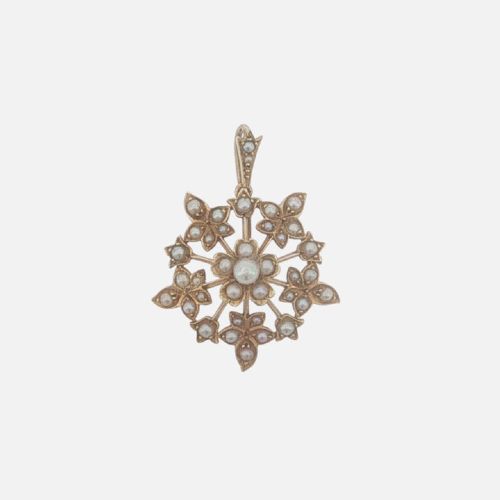
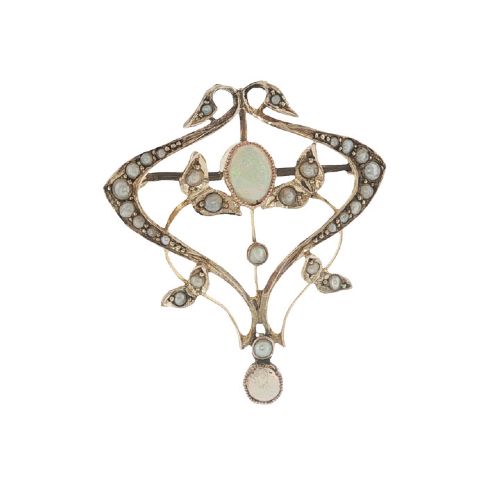
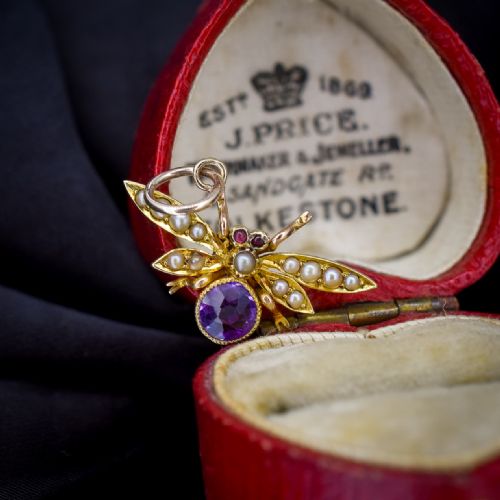
Edwardian Jewellery Brooch
An edwardian jewellery brooch brings delicate sparkle and fine metalwork from the early twentieth century straight to a modern lapel.
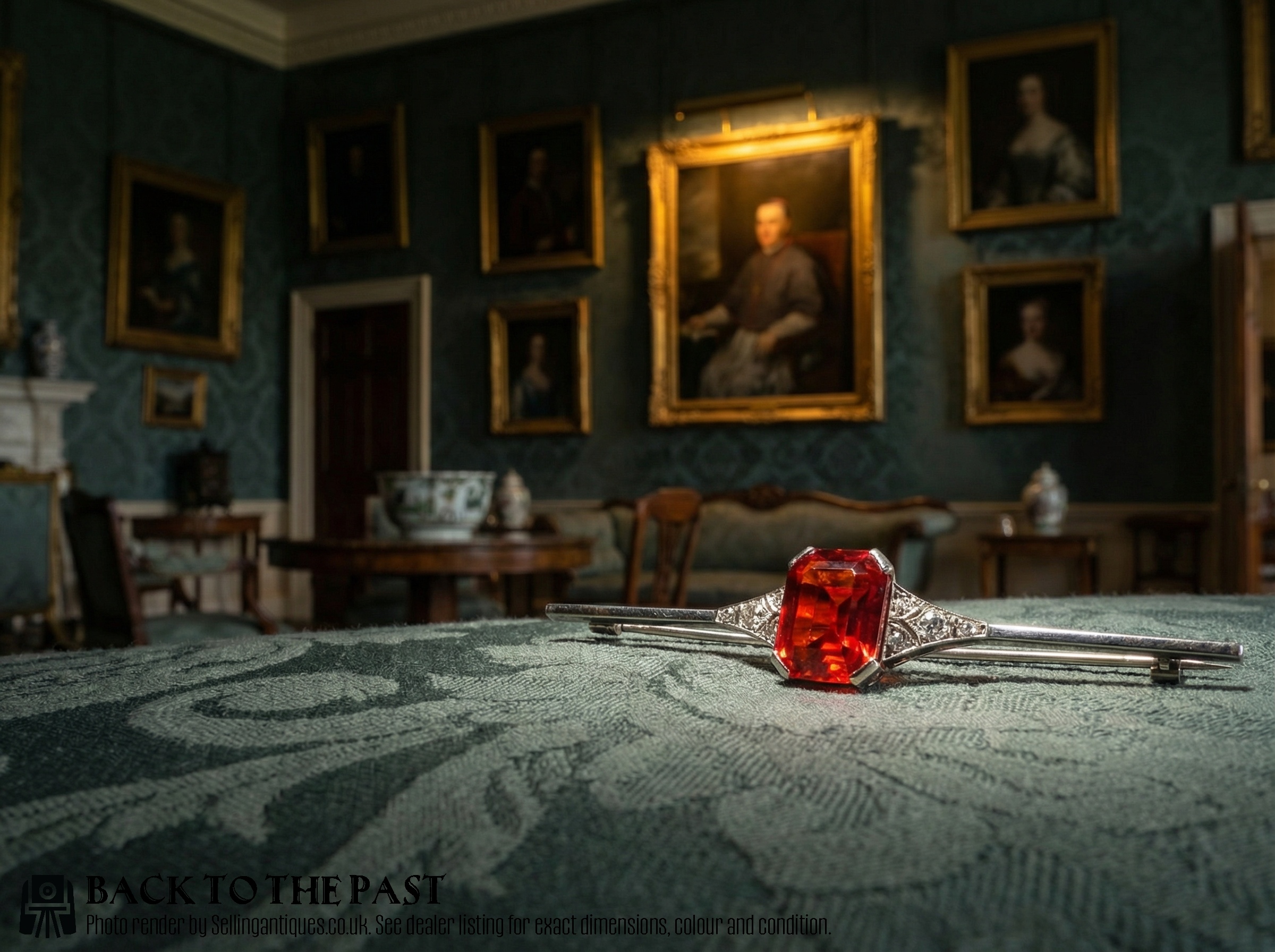
Edwardian Jewellery Brooch
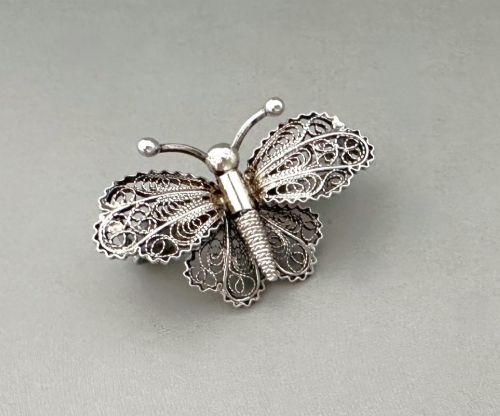
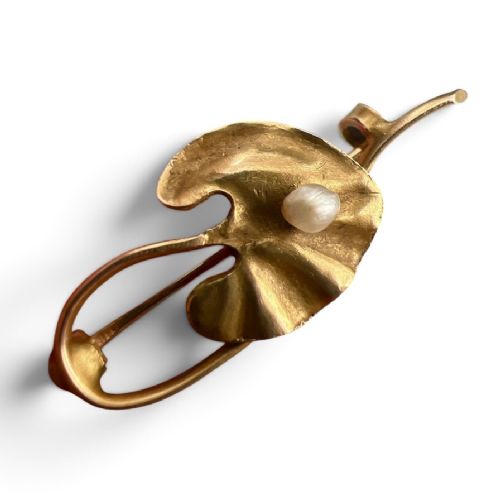
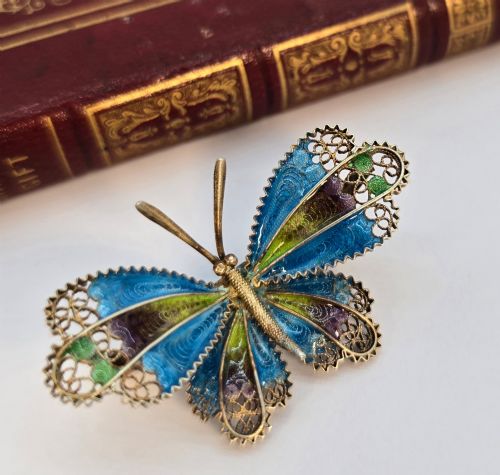
The surviving examples display characteristic early twentieth-century design, merging traditional gold work with newer platinum settings. These jewels were worn pinned to high collars, lace blouses, and lapels as signature accessories of polite society.
How they were made
Jewellers of the period utilised combinations of 18ct gold, 18ct white gold, silver, and platinum to fabricate these detailed frames. Platinum gained prominence during this era for its strength, allowing intricate openwork designs that held gemstones securely with minimal metal visible.
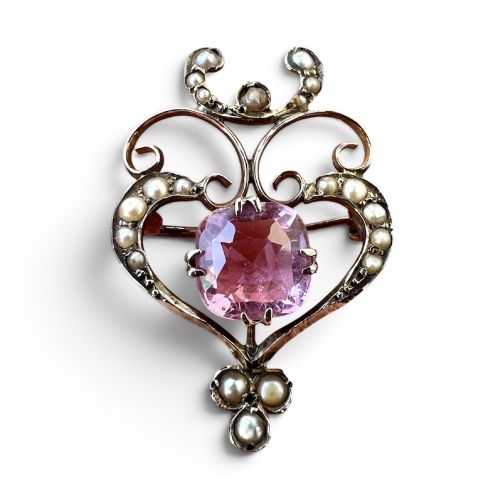
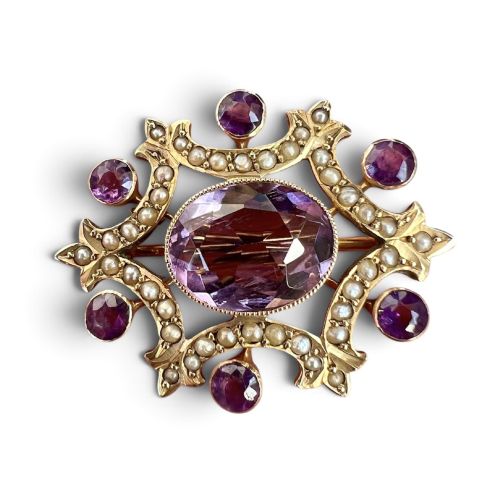
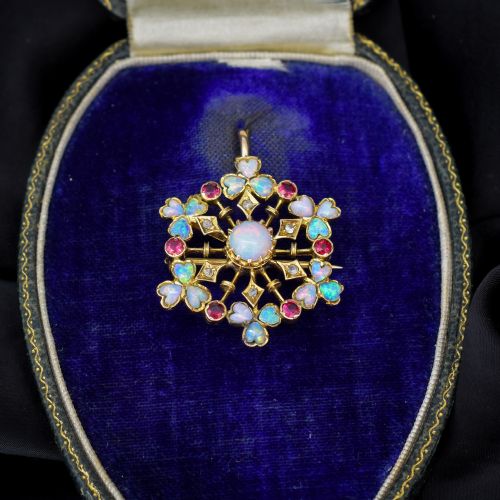
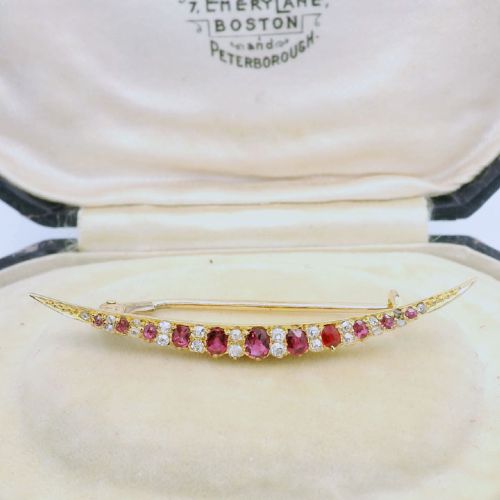
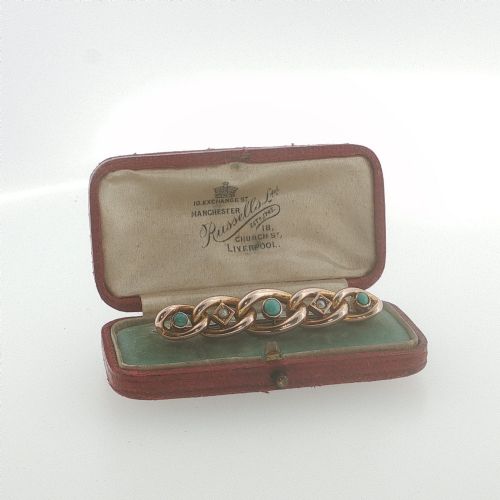
The settings incorporate diamonds alongside vibrant coloured stones such as turquoise, fire opal, pearl, and ruby. Stones were meticulously hand-set into patterned mounts, often combining yellow gold backs with silver fronts to enhance the brilliance of the diamonds.
What varies in quality
The distinction between standard examples and superior pieces rests on the complexity of the metalwork and the choice of gemstones. Master jewellers achieved finer piercing and more harmonious stone arrangements, pairing diamonds with striking focal gems like fire opal or turquoise.
Superior construction relies on the integration of platinum and gold to create lightweight yet robust mounts. The fineness of the millegrain decoration and the precision of the stone setting separate ordinary production from exceptional craftsmanship.
The Edwardian Jewellery Brooch Glossary
- Millegrain
- A decorative technique involving a row of tiny raised metal beads along the edges of a setting. This softens the transition between metal and stone.
- Bar brooch
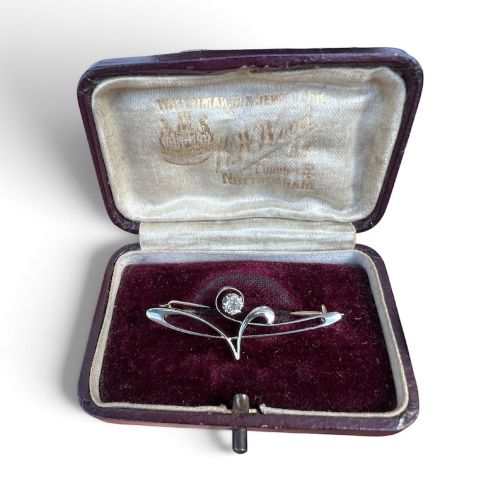
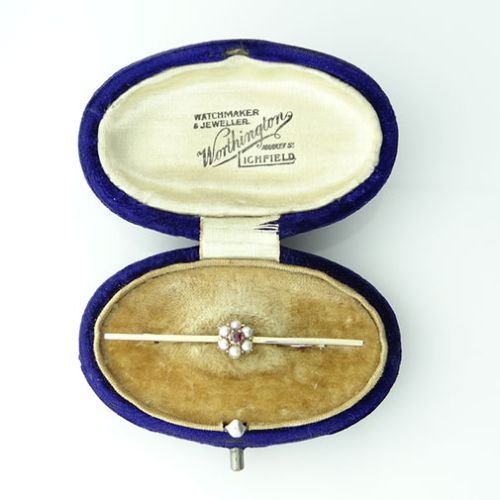
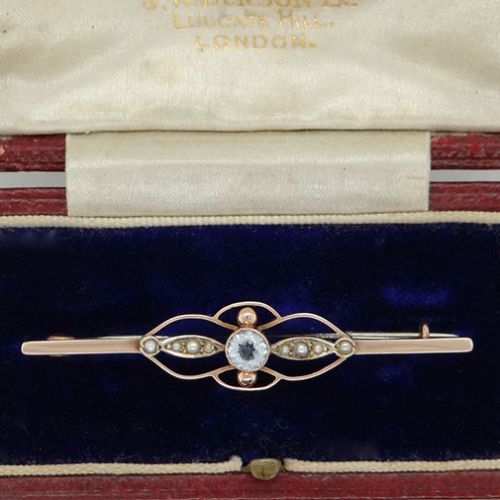
- A slender horizontal pin featuring central ornamentation. It represents one of the most common structural formats of the era.
- Platinum
- A dense, durable white metal that became widely used in fine jewellery during the Edwardian period. Its strength enabled delicate wirework and secure gemstone settings.
- Turquoise
- An opaque blue-green mineral utilised in period pieces for its striking contrast against diamonds and gold. It was a favoured accent stone in Edwardian designs.
Edwardian Jewellery Brooch: Frequently Asked Questions
How do I wear an Edwardian brooch safely?
Pin the piece securely through heavier fabrics like wool, velvet, or tailored jacket lapels rather than thin silks. Ensure the safety catch or C-clasp holds firmly before venturing out.
For added security on valuable items, consider fitting a modern pin guard over the sharp point behind the garment.
What metals are typical for Edwardian brooches?
These jewels frequently combine 18ct yellow gold with silver or platinum settings on the face. Platinum allowed makers to use less metal while securing diamonds tightly.
Silver was also mounted over gold fronts in early pieces to keep diamond settings bright and white against darker clothing.
Are these brooches solid gold?
The listings show pieces fabricated in 18ct gold, 18ct white gold, silver, and platinum. Many combine multiple metals within a single mount to serve different structural purposes.
Precious metal standards of the period ensured that visible mounts and pin mechanisms used high-grade materials suited to daily wear.
What gemstones appear in Edwardian brooches?
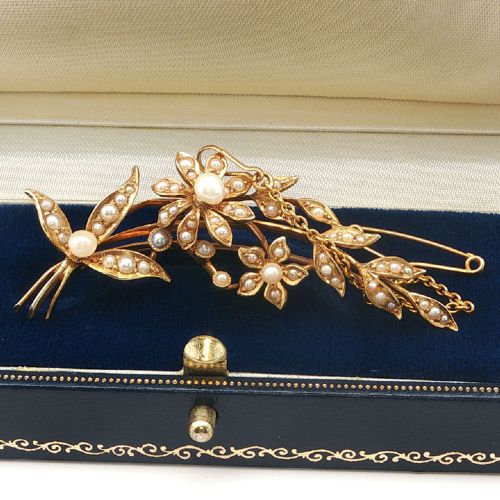
Diamonds form the primary sparkle, frequently paired with pearls, rubies, turquoise, and fire opal. These colourful accents provide contrast against white platinum and yellow gold frameworks.
Gemstone selection defined the character of each piece, ranging from crisp diamond arrangements to vibrant multi-stone displays.