


Edwardian Platinum Pin
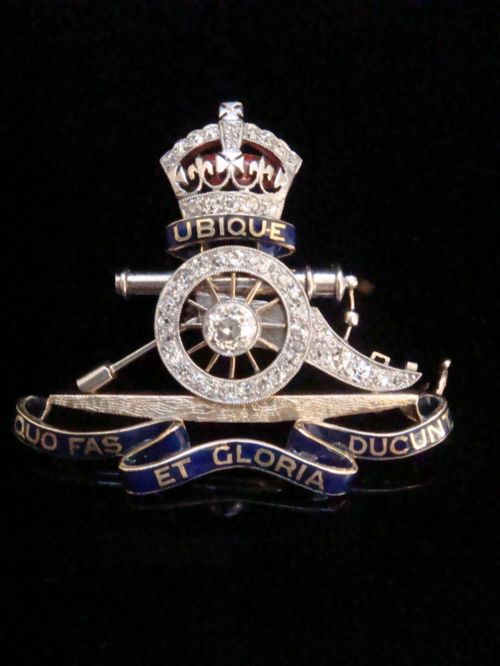
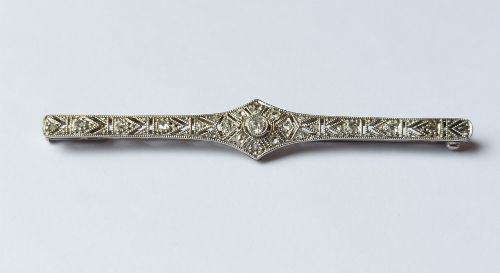
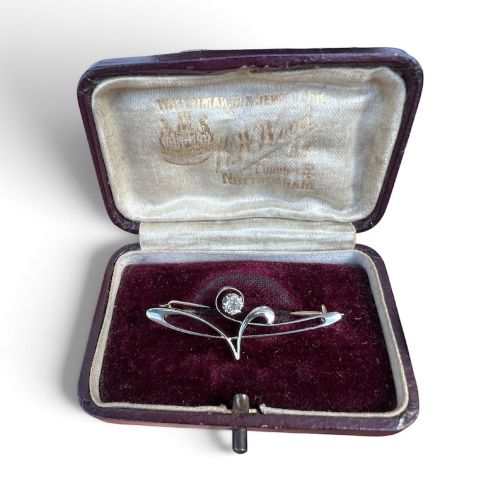
These edwardian platinum pin examples bring together delicate openwork metal and old cut stones, offering a refined fastening for lapels and collars.
Edwardian Platinum Pin
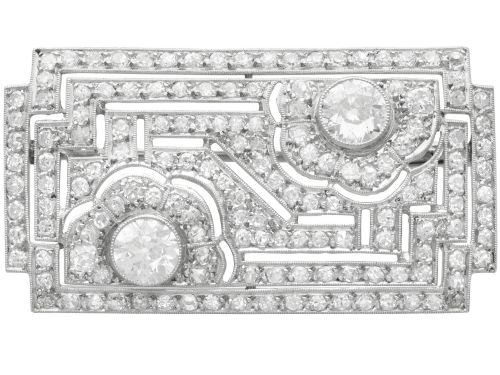
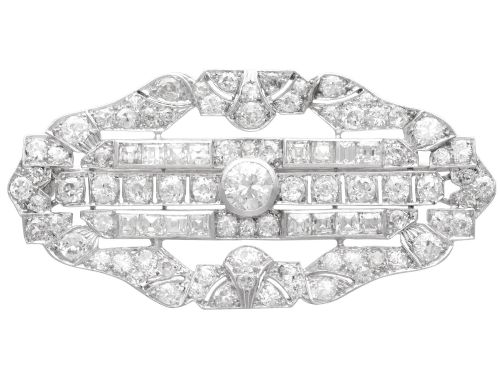
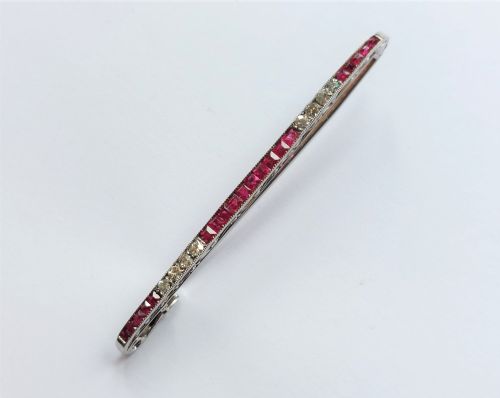
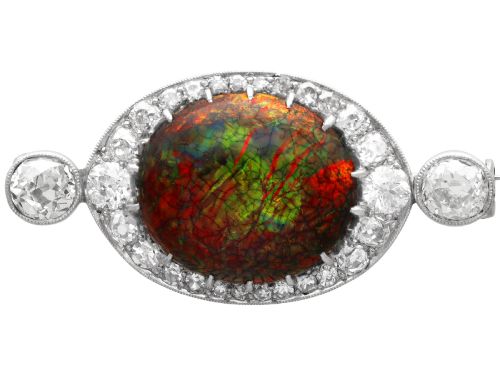
When you search for an edwardian platinum pin, you encounter brooches, bar brooches, and jabot pins dating from the Edwardian period through to the Art Deco years and the Victorian era. These pieces frequently take the form of geometric bars, curved crescents, or naturalistic subjects like birds and insects.
The material combination brings together precious white metals and yellow gold backs with gemstone settings. You find diamonds paired with pearls, aquamarines, emeralds, sapphires, rubies, and onyx across the selection.
Materials and construction methods
Metals used in these items span platinum, silver, and various grades of gold including 9ct, 14ct, 15ct, and 18ct white and yellow gold. Platinum provides the strong, ductile framework that allows for fine wirework and secure claw or bezel settings without adding excessive weight.
Stones are predominantly old cut diamonds, alongside natural pearls and coloured gemstones shaped into round, brilliant, or rose cuts. Jewelers soldered and pierced the precious metals by hand to create lightweight structural galleries that maximised light entry into the stones.
Among the feathered subjects sits a flying duck pin, ready to migrate straight onto a heavy winter lapel.
Distinctions in construction and material standard
Quality separates pieces by the precision of the metal piercing, the symmetry of the setting work, and the matching of the central gemstones. Finer examples display crisp millegrain edges and well-integrated pin mechanisms that function securely.
The choice of materials also divides the range, particularly the carat weight and clarity of the diamonds and the lustre of accompanying pearls or coloured stones. Pieces combining solid platinum fronts with gold supports show thoughtful balancing of weight and precious metal content.
CARTIER
The Edwardian Platinum Pin Glossary
- Platinum
- A dense, malleable, and strong white precious metal utilised extensively for fine jewellery settings because it holds tiny stones securely with minimal visible metal.
- Old cut
- A diamond facet style cut by hand before modern machinery, characterised by a smaller table, higher crown, and open culet that catches candlelight warmly.
- Bar brooch
- A narrow horizontal pin featuring central gemstone ornamentation, designed to fasten cravats, collars, or lapels cleanly.
- Jabot pin
- A decorative pin originally used to secure jabot neck frills, featuring ornamental terminals at both visible ends of the long pin shaft.
- Millegrain
- A decorative technique involving a row of tiny raised metal beads along the edge of a setting, giving a soft, textured border.
Edwardian Platinum Pin: Frequently Asked Questions
What is an edwardian platinum pin?
An edwardian platinum pin is a decorative fastening, usually a brooch or jabot pin, constructed with a platinum face over gold and set with diamonds or pearls.
These pieces were fashioned during the early twentieth century and frequently utilise delicate openwork techniques.
How were these pins worn?
Original wearers pinned these items to lapels, collars, cravats, and hats to secure garments while adding ornamental detail.
Today, collectors wear them on coats, scarves, and structured knitwear using the original pin stems and safety catches.
How do I care for platinum and diamond pins?
Clean these items gently using warm soapy water and a soft brush to remove dust from the settings behind the stones.
Avoid harsh chemicals and store them separately in a lined box to prevent scratches on softer gems like pearls.
How do I tell Edwardian from Art Deco pieces?
Edwardian designs typically feature flowing garlands, lace-like platinum work, and softer natural motifs such as ribbons and flowers.
Art Deco pieces shift towards rigid geometry, symmetrical lines, and bolder contrasts with stones like onyx.