

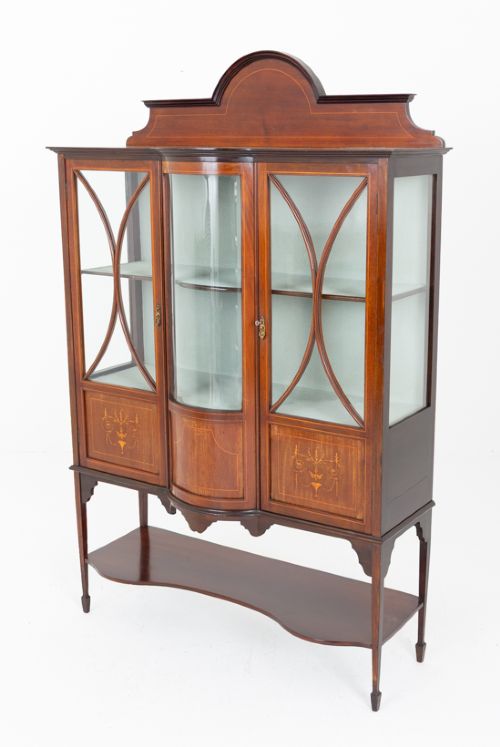
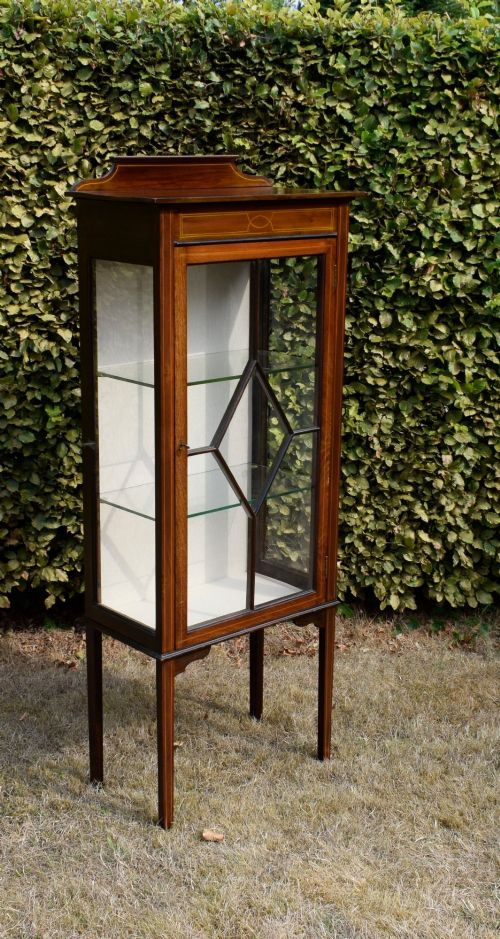
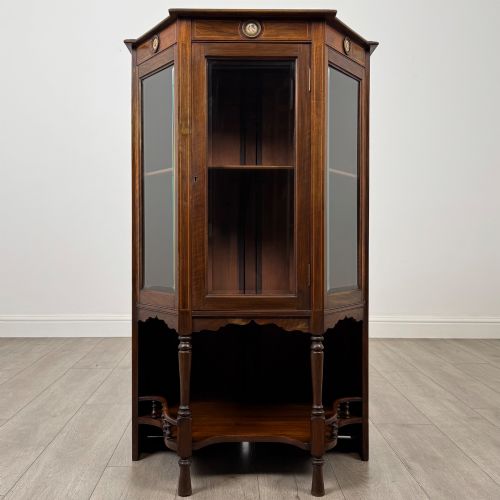
Edwardian Inlaid Display Stand
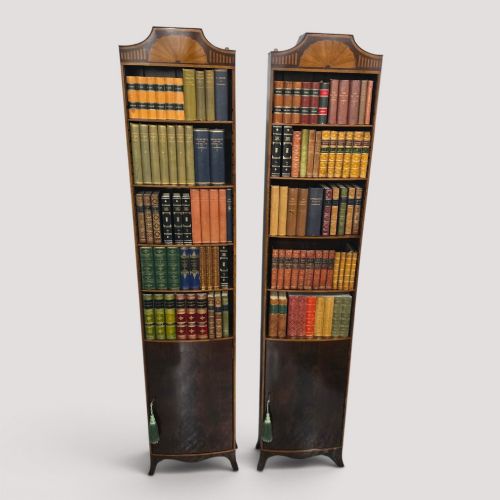
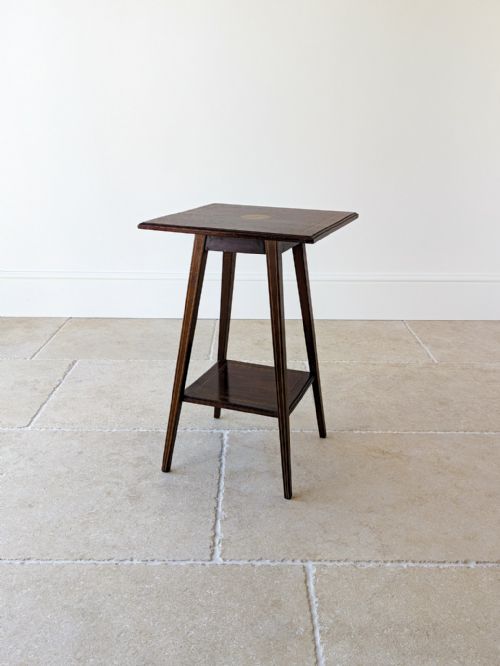
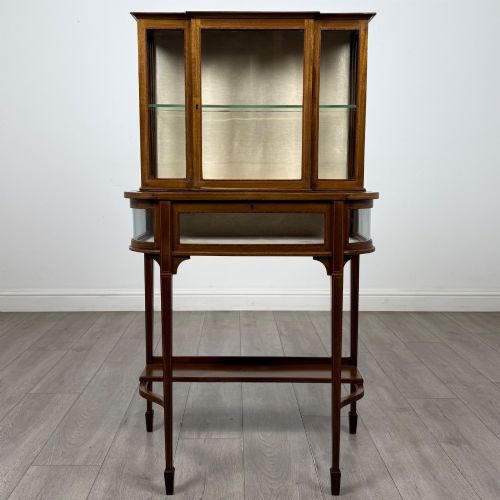
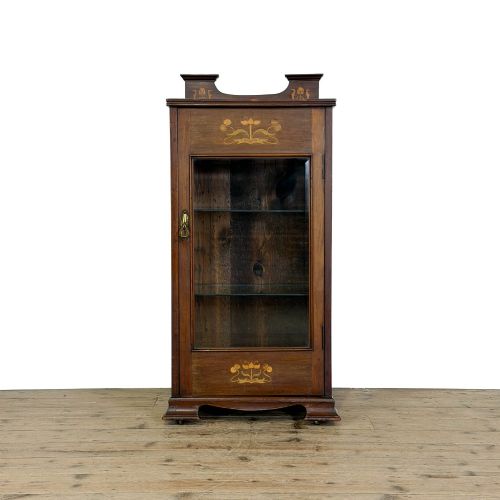
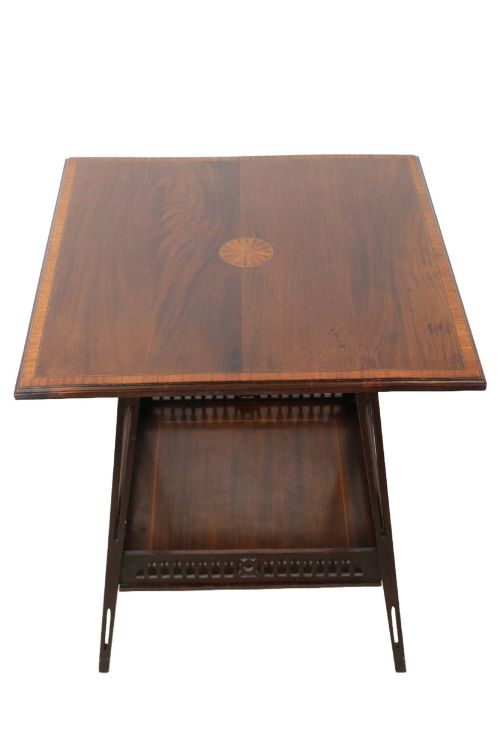
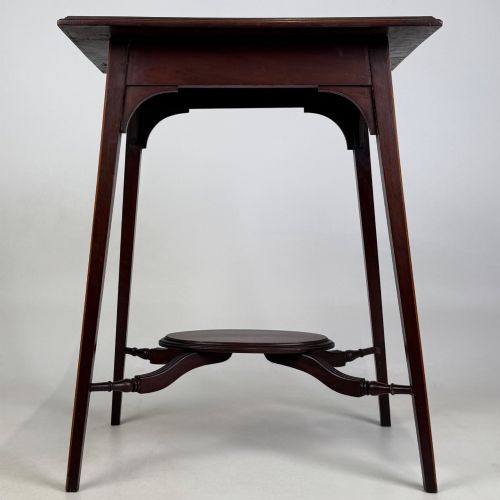
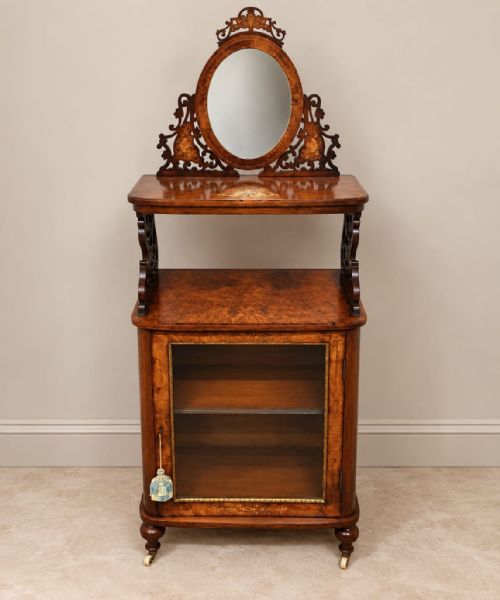
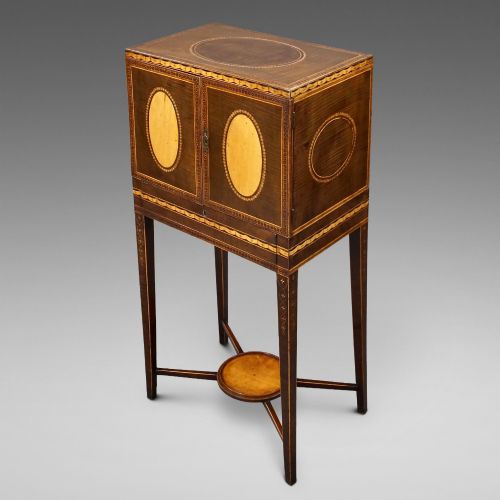
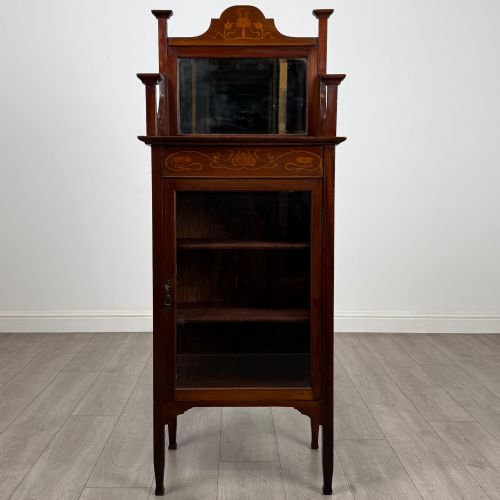
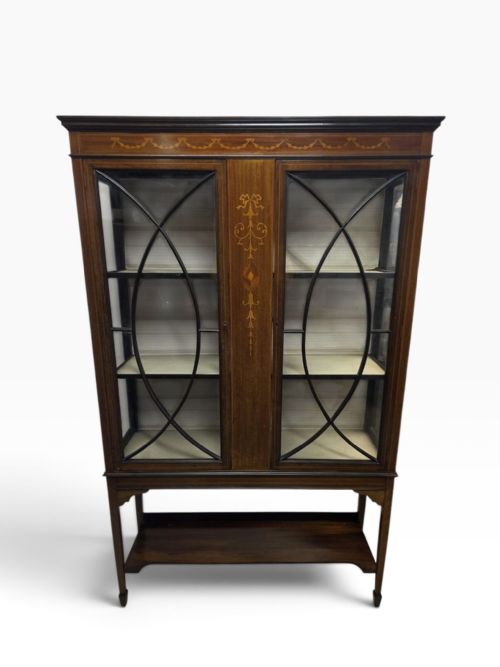
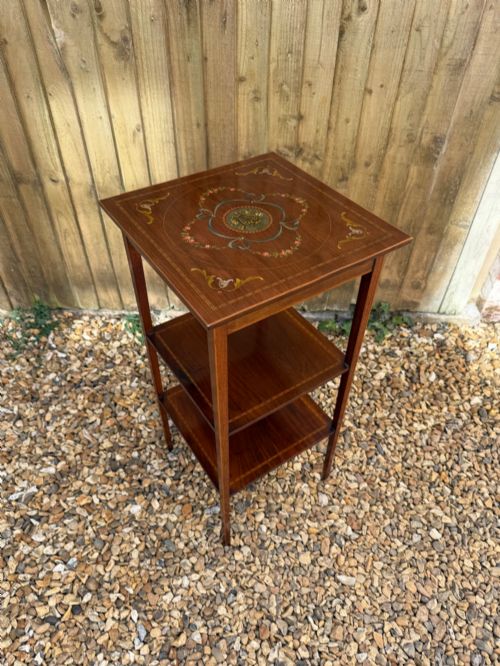
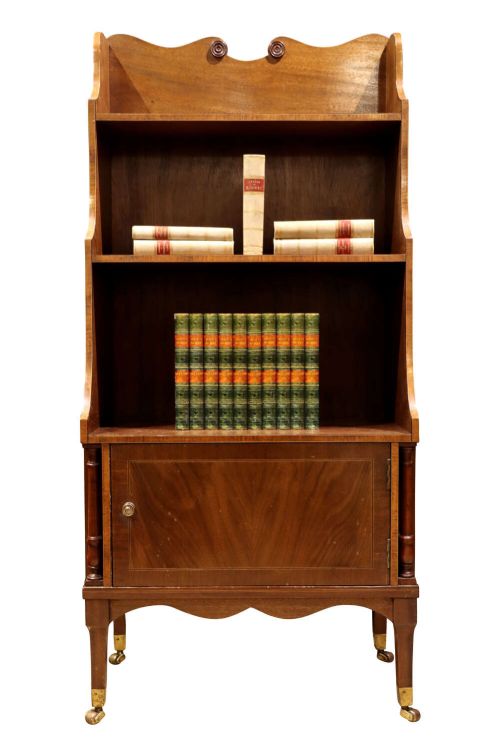
An edwardian inlaid display stand combines refined timber work with slender upright proportions designed to showcase treasured ornaments.
Edwardian Inlaid Display Stand
An edwardian inlaid display stand represents a specific class of domestic furniture intended for the elevated exhibition of ceramics, glass, or small curiosities. The pieces encountered here emerge predominantly from the Edwardian era, alongside related Victorian and Sheraton Revival interpretations.
Makers of the period favoured vertical forms that occupied minimal floor space while offering multiple tiers or glazed compartments. Common variations include pedestal stands, corner cabinets, etageres, and specialised vitrines designed to catch the light.
The aesthetic leans heavily on classical revivalism, incorporating lightwood stringing and decorative motifs set into darker primary timbers. Such furniture reflects a domestic interior focused on display, refinement, and polite entertaining.
How They Were Made
Construction relies heavily upon mahogany as a stable primary carcass timber, frequently paired with secondary woods like satinwood or harewood for contrasting panels. Timber selection prioritised straight grain and durability, allowing artisans to build tall, slender uprights without structural warping.
Decoration depended upon intricate wood inlay, including boxwood lines and marquetry scrolls set flush into the surface. Glazing featured in cabinet doors to protect delicate contents, while minor hardware such as brass castors provided mobility for heavier corner units and bookcases.
Listings feature Edwardian, Victorian, and 18th Century periods alongside Sheraton Revival and Arts & Crafts styles.
What Varies in Quality
The distinction between standard commercial output and superior craftsmanship rests in the precision of the timber preparation and inlay work. Fine examples display crisp, tight joints where contrasting boxwood and satinwood meet the mahogany background without visible gaps.
Proportion and material selection further divide the range, as better workshops utilised finely figured veneers and balanced grain patterns across structural doors and shelves. Finer hardware, such as original brass castors and lockplates, indicates a higher grade of original commissioning.
Trevor Page & Co
The Edwardian Inlaid Display Stand Glossary
- Inlay
- A decorative technique where small pieces of contrasting timber or shell are inserted into recessed portions of a primary wood surface. This creates a flush, patterned design across table tops and cabinet doors.
- Satinwood
- A luminous, yellow-brown hardwood utilised for contrasting bands and decorative panels during the Edwardian and Sheraton Revival periods. Its fine grain catches the ambient light effectively.
- Etagere
- A set of open shelves supported by slender uprights, designed for the display of ornaments and small decorative objects. It emerged as a popular parlour form in the late nineteenth century.
- Vitrine
- A glass-fronted cabinet or display stand specifically constructed to exhibit porcelain, silver, or curiosities from multiple angles. Glazed panels replace solid timber walls to maximise visibility.
- Torchere
- A tall, slender stand originally intended to support a single candle or lamp, later adapted to hold decorative plants or urns. The form relies on a central pedestal base for stability.
Edwardian Inlaid Display Stand: Frequently Asked Questions
What is an edwardian inlaid display stand used for?
These stands were originally built to hold porcelain, glassware, and small ornamental objects within a formal drawing room or parlour. They raise possessions off the floor to present them at eye level.
Today, they serve much the same decorative purpose in modern interiors, offering a compact footprint for curated collections.
Are these stands suitable for small rooms?
Many variants, including corner cabinets, pedestal stands, and narrow etageres, were specifically engineered to utilise vertical space without crowding tight residential floor plans.
Their slender legs and glazed doors maintain a sense of open light within smaller interior spaces.
What is Sheraton Revival style?
Sheraton Revival furniture reinterprets the neoclassical designs of eighteenth-century designer Thomas Sheraton through late Victorian and Edwardian manufacturing techniques. It prioritises symmetry, tapering legs, and delicate marquetry.
Pets and owners of these pieces appreciate the lighter proportions and sophisticated geometric wood inlay.