


Edwardian Glass Pot
When searching for an edwardian glass pot, collectors find desktop containers, dressing table jars, and silver-mounted tableware spanning the turn of the twentieth century.

Edwardian Glass Pot
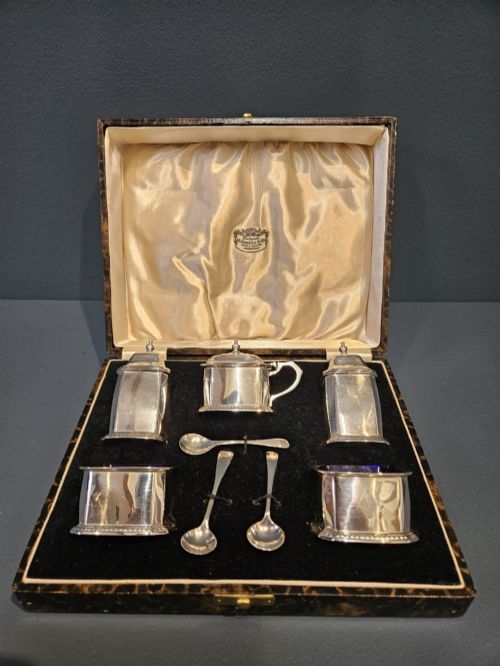
The term edwardian glass pot covers a wide category of functional vessels produced around the early decades of the twentieth century. These domestic items include inkwells, dressing table jars, match strikers, and condiment containers designed for everyday use on desks and dining tables.
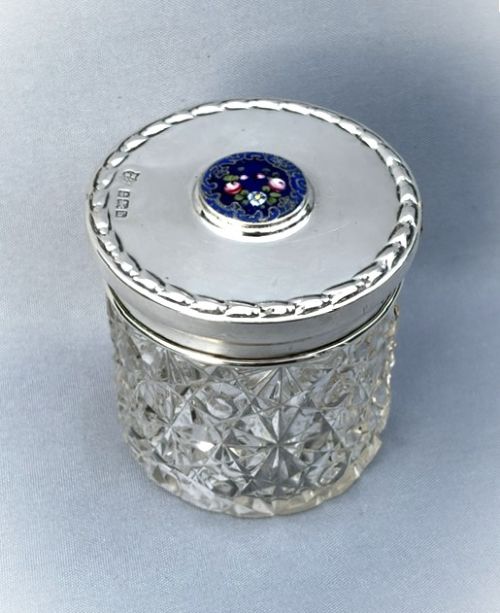
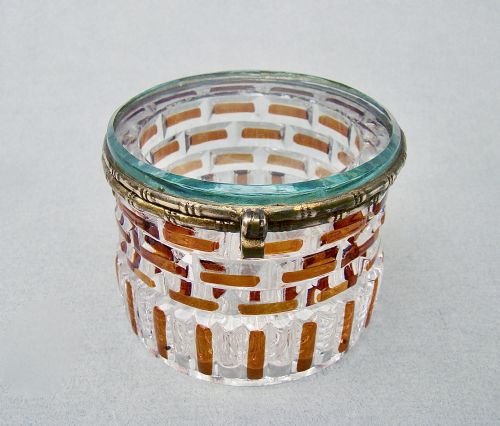
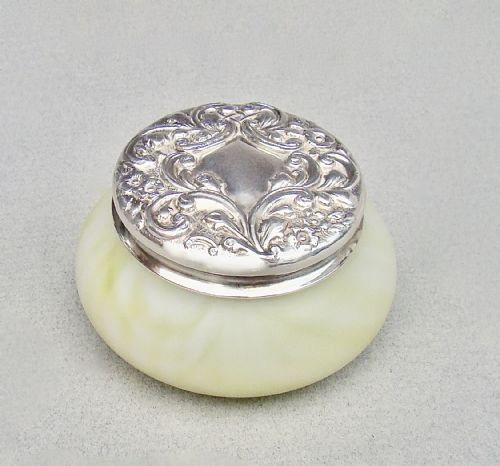
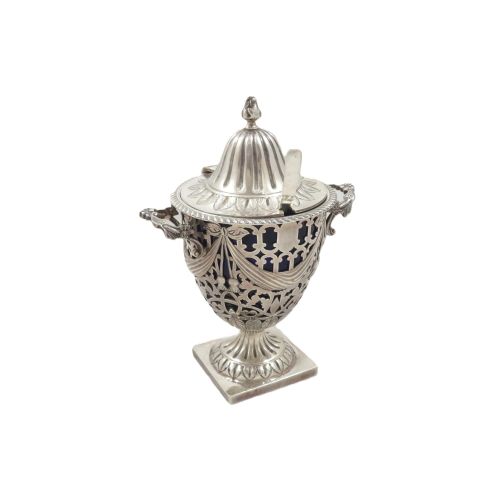
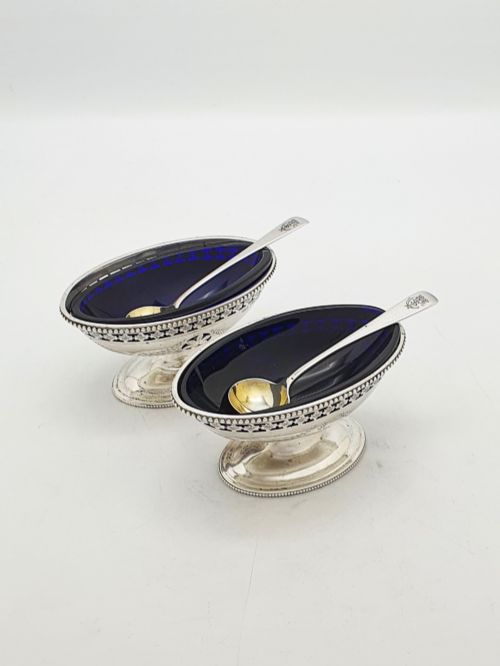
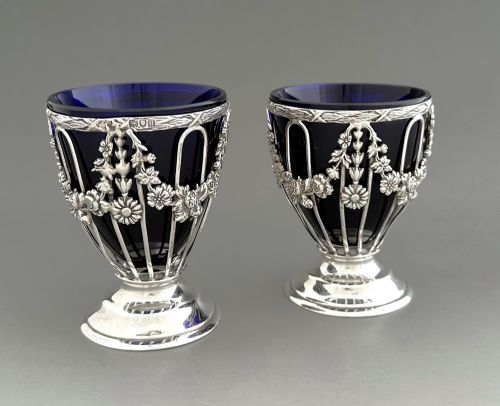
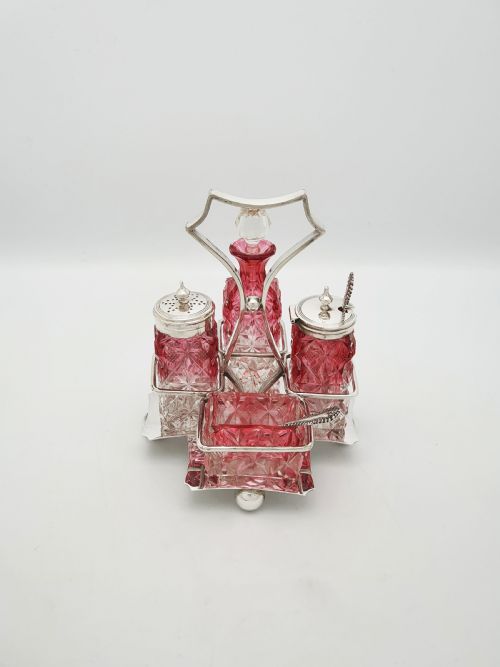
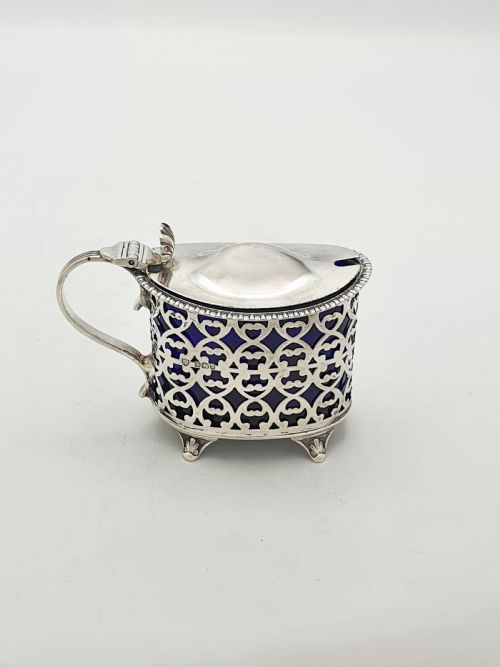
Makers utilised various glass bodies paired with sterling silver or silver-plated mounts. Common forms encountered in this selection range from cut glass trinket boxes to cranberry glass preserve jars and cobalt glass salt cellars.
The period encompasses Victorian transition pieces alongside later Art Deco designs, though the core of the inventory centres on Edwardian manufacture from Birmingham and London assay offices.
Materials and construction methods
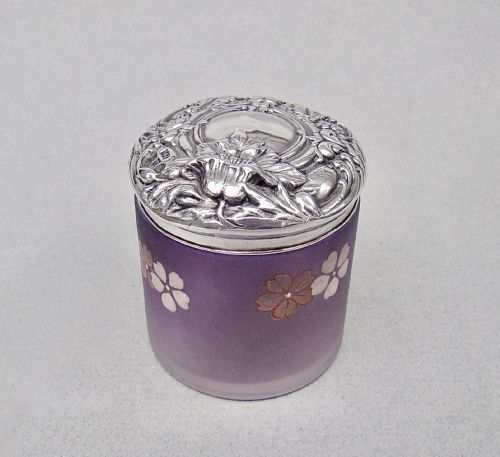
Glass bodies were formed through pressing, moulding, or cutting clear, coloured, satin, and textured glass. Coloured variations include cranberry, amber, amethyst, and cobalt tones achieved through mineral additives in the molten batch.
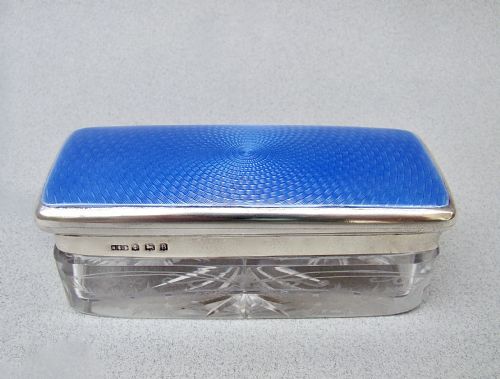
Mounts, lids, and collars consist of sterling silver, silver plate, or tortoiseshell, frequently secured with hallmarked bezels. Enamel work, guilloche patterns, and pierced silver detailing were applied to embellish the metal components.
Listings feature items incorporating sterling silver, cranberry glass, and guilloche enamel across Victorian, Edwardian, and Art Deco periods.
Distinctions in manufacture and execution
Quality rests upon the weight and clarity of the glass vessel and the thickness of the silver mounts. Heavier cut glass displays crisper facets, while thinner mouldings indicate mass production.
The intricacy of the metalwork defines the tier of the piece. Hand-applied enamel, spot hammering, and detailed repoussé lids distinguish superior workshops from standard utilitarian production.
Henry Clifford Davis·A. Bromet & Co·Hukin and Heath·Hasset & Harper·Tiffany & Co·Levi & Salaman·A & J Zimmerman·John Grinsell & Sons·Henry Matthews
The Edwardian Glass Pot Glossary
- Cruet set
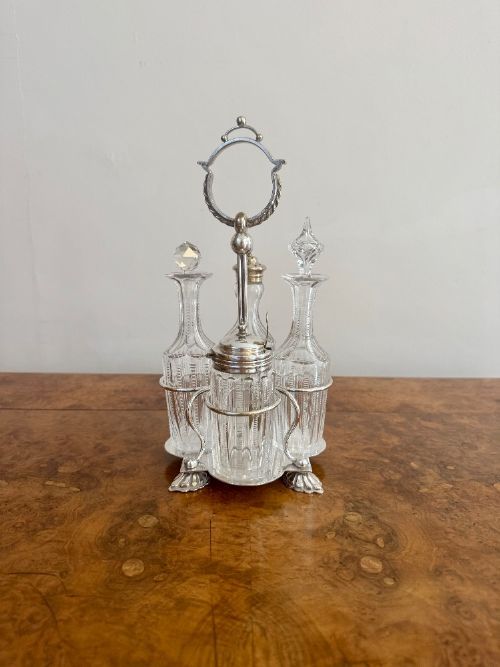
- A matched group of condiment containers holding substances such as mustard, pepper, and salt. These sets typically sit on a silver-plated stand.
- Guilloche
- A decorative engraving technique producing precise, intricate repetitive patterns beneath translucent enamel. This finish frequently appears on dressing table jar lids.
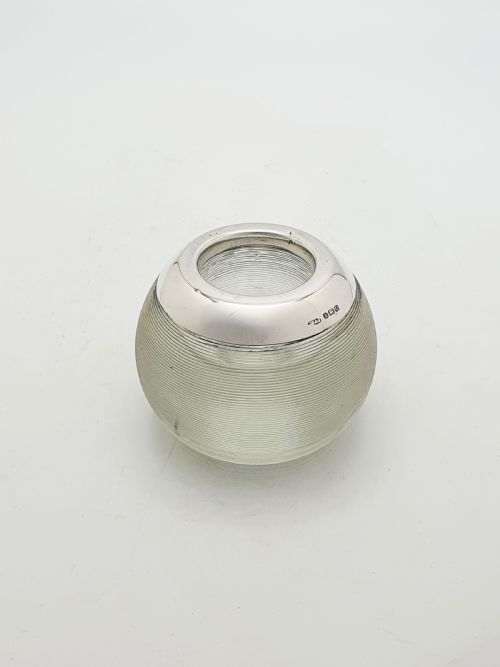
- Match striker
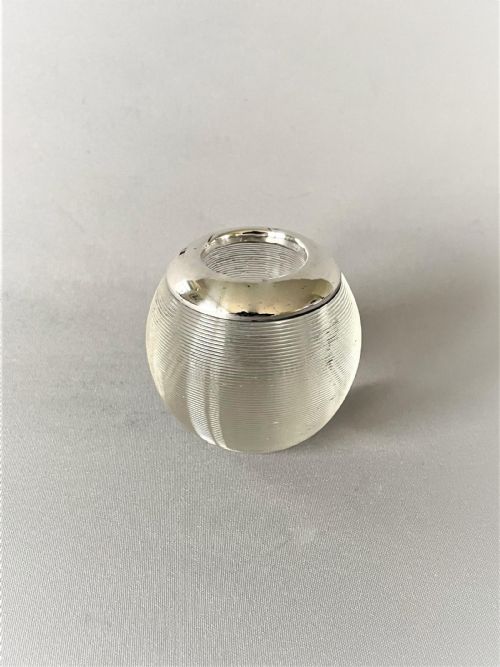
- A textured glass receptacle designed to ignite safety matches upon contact with its abrasive surface. They often feature a sterling silver rim.
- Cranberry glass
- A rich red glass produced by adding gold chloride to the molten mixture. It remains a characteristic material of the period.
- Hallmark
- An official stamp applied to precious metals indicating the standard of purity, the assay office, and the date letter. Birmingham and London marks are common.
Edwardian Glass Pot: Frequently Asked Questions
What were glass pots used for?
These vessels served diverse domestic functions across the home, holding ink for writing desks, cosmetics on dressing tables, or preserves and condiments in the dining room.
Their robust construction allowed them to withstand daily handling while providing an ornamental accent to contemporary interiors.
How do I clean the silver mounts?
Silver components require gentle polishing with a dedicated cloth to preserve the metal surface without disturbing the surrounding glass or enamel.
Care must be taken to prevent abrasive cleaning agents from coming into contact with guilloche enamel or textured glass panels.
Are the glass liners removable?
Many salt cellars, condiment tubs, and preserve pots feature loose glass inserts designed to lift out for washing.
This construction protected the outer silver or plated framework from corrosive contents such as salt and vinegar.
How can I date an edwardian glass pot?
Assay office hallmarks stamped on the silver mounts provide definitive year letters alongside town marks for locations such as Birmingham and London.
Stylistic indicators such as Art Nouveau curves or geometric Art Deco lines also help narrow down the period of manufacture.