


Victorian Cranberry Glass Jar
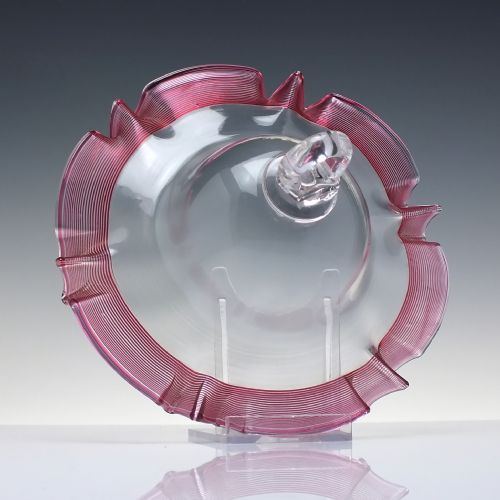
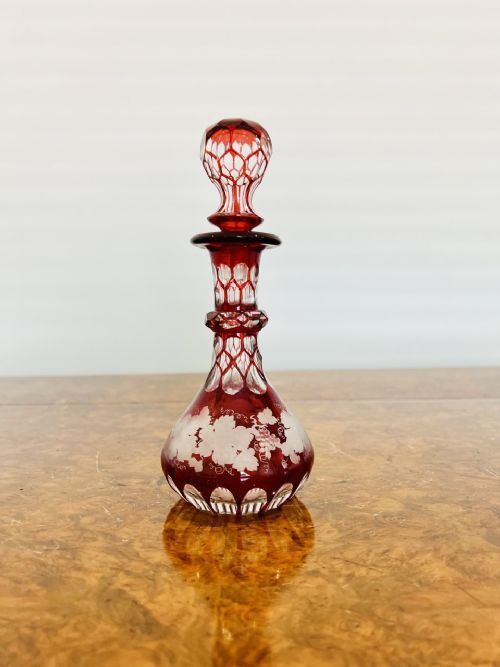
These pieces of Victorian cranberry glass jar bring rich colour and classic form to a tabletop, offering a bright touch of nineteenth and early twentieth century craft.

Victorian Cranberry Glass Jar
When you search for a victorian cranberry glass jar, you encounter a selection of tablewares and dressing table items produced across the Victorian and Edwardian periods. The selection spans biscuit barrels, jam dishes, preserve dishes, scent bottles, and decorative glass jars.
You are most likely to meet biscuit barrels mounted with silver-plated metalwork, alongside smaller dresser items and lidded jars dating from the nineteenth century into the early nineteen hundreds. The forms reflect domestic utility and display, combining blown glass vessels with hinged mounts and decorative lids.
The material origins sit within Victorian and Edwardian production, occasionally drawing on earlier Georgian stylistic influences while maintaining the distinct crimson and ruby tones characteristic of the glassware.
How they were made
Makers shaped the vessels using cranberry glass and ruby glass, often employing cut crystal and cut glass techniques to catch the light on the surface of biscuit barrels and preserve dishes. The rich red tint results from the addition of gold chloride to the molten glass batch during production.
Metal components such as silver-plated mounts and sterling silver fittings, hallmarked in locations like Birmingham, were affixed to jars and scent bottles to provide structural lids, handles, and collars. Surface enrichment occasionally includes white enamel decoration, as seen in pieces depicting figures in the manner associated with Mary Gregory.
Materials recorded across the selection include cranberry glass, ruby glass, cut crystal, silver plate, sterling silver, and enamel.
What varies in quality
The standard of a victorian cranberry glass jar rests on the depth and evenness of the glass colour, the precision of any cut crystal facets, and the integrity of the metal mounts. Heavier glass bodies and crisply defined cutting separate finer examples from standard production.
The integration between the glass vessel and its silver-plated or sterling silver mounts dictates the refinement of the piece. Well-preserved plating, smoothly operating hinged lids, and intact enamel details elevate the overall character of the glassware.
The Victorian Cranberry Glass Jar Glossary
- Cranberry Glass
- A transparent pinkish-red glass coloured with gold oxide. It was widely utilised during the nineteenth century for decorative tableware and dressing table items.
- Biscuit Barrel
- A covered container designed to hold dry biscuits on the dining table. These vessels frequently feature metal lids and swing handles.
- Silver Plate
- A base metal coated with a thin layer of silver. This material was commonly used for the mounts and hardware on late Victorian glass jars.
- Mary Gregory
- A style of white enamel decoration depicting silhouetted children in outdoor settings. It frequently appears on nineteenth-century cranberry glassware.
- Vaseline Glass
- A yellowish-green glass coloured with uranium oxide. Certain preserve dishes combine these tones with traditional red glass hues.
Victorian Cranberry Glass Jar: Frequently Asked Questions
What were cranberry glass jars used for?
These jars served functional roles in the Victorian and Edwardian dining room and boudoir. They held biscuits, preserves, jams, and perfumes for daily household use.
Their bright colour also made them decorative objects suitable for display on sideboards and dressing tables. The lidded forms kept contents protected while adding a splash of rich tone to the room.
How do I date a cranberry glass jar?
Dating relies on examining the mount styles, hallmarks, and manufacturing techniques. Pieces from the Victorian era often display heavier hand-blown characteristics, while Edwardian examples can feature lighter metal mounts.
Silver-plated or sterling silver components frequently carry town marks and date letters, such as those from Birmingham, which help narrow down the year of production.
Are all cranberry glass jars Victorian?
While the primary period associated with this glassware spans the reign of Queen Victoria, production continued into the Edwardian era and the early twentieth century. Similar aesthetic traditions carried forward past nineteen hundred.
Evaluating the specific hallmarks, mount designs, and glass cutting styles helps determine whether a piece belongs to the Victorian period or the subsequent Edwardian years.