
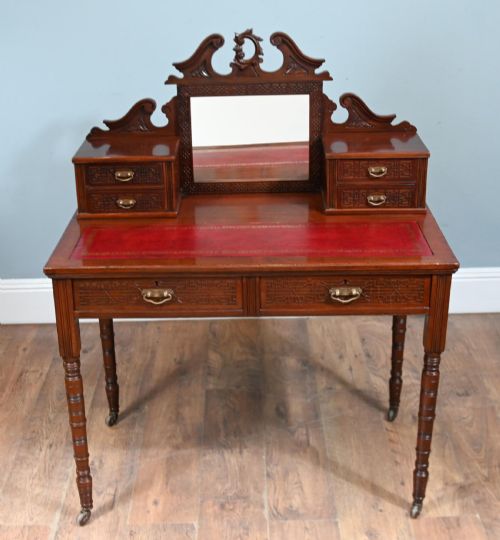
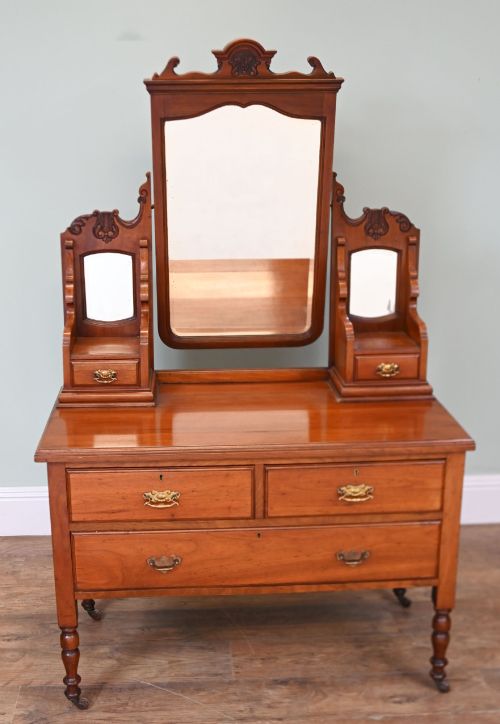
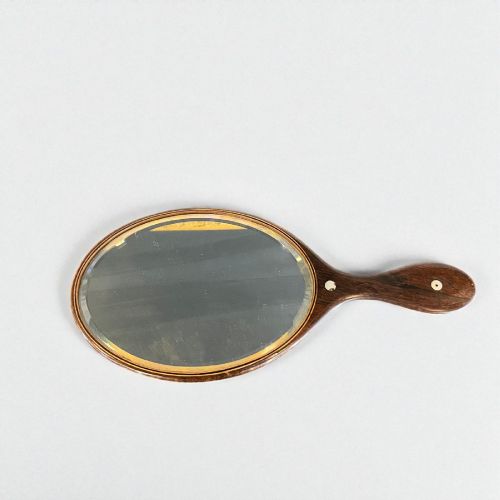
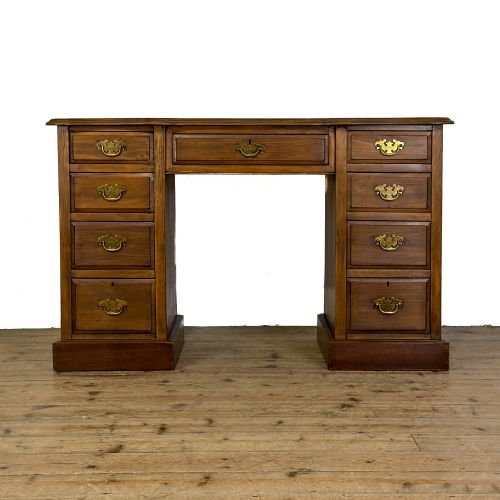
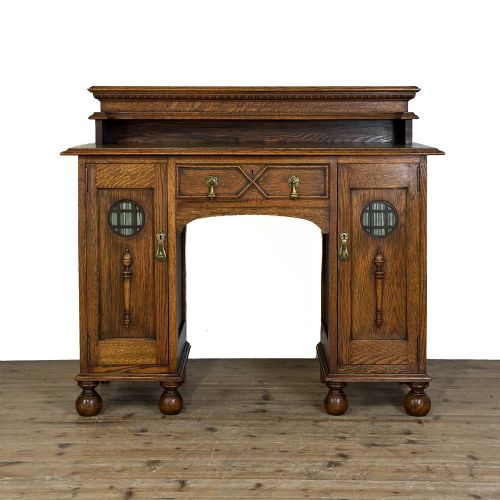
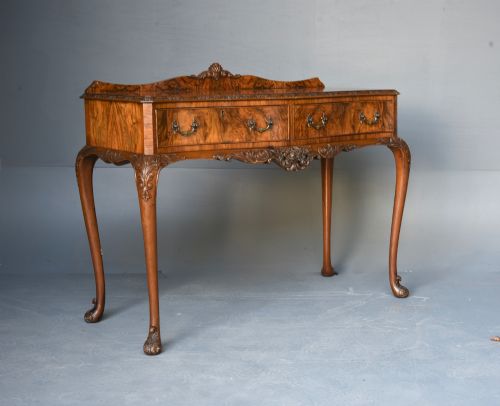

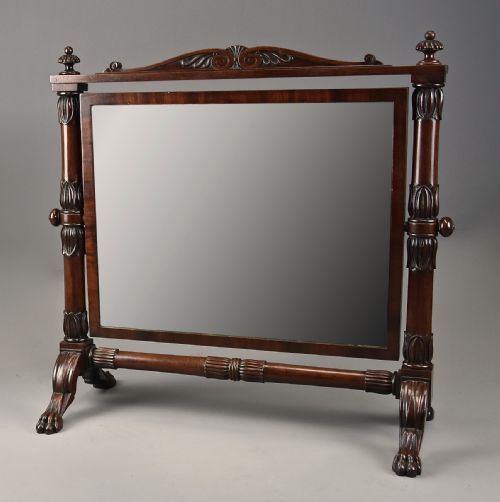
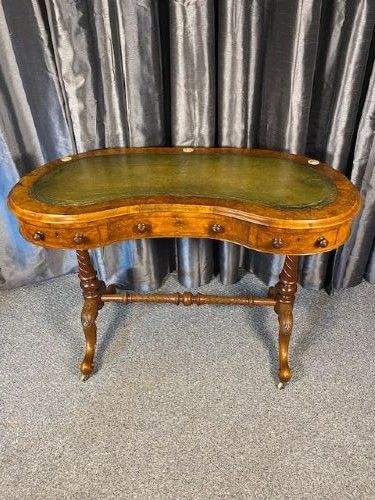
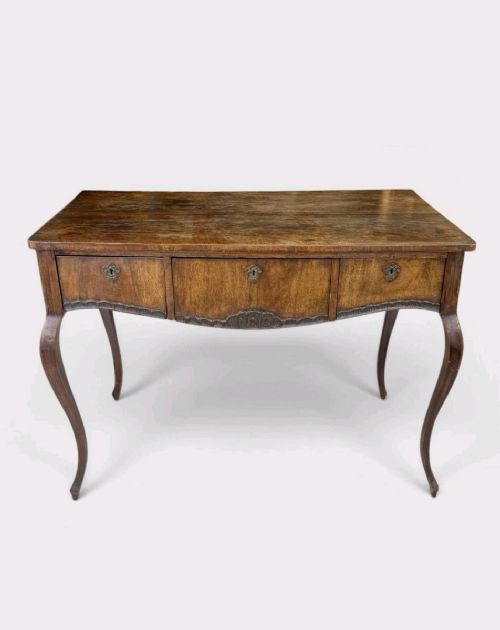
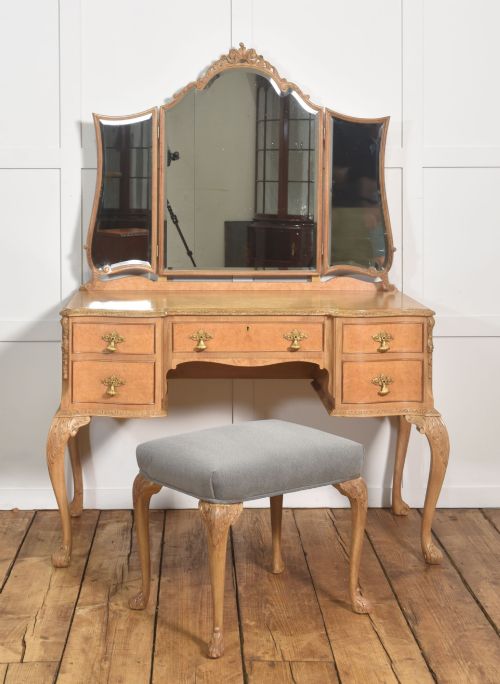
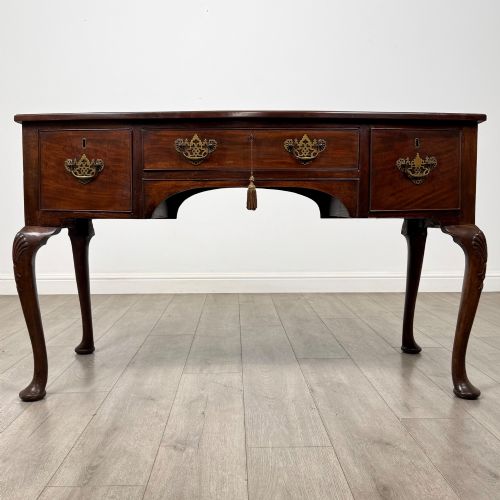
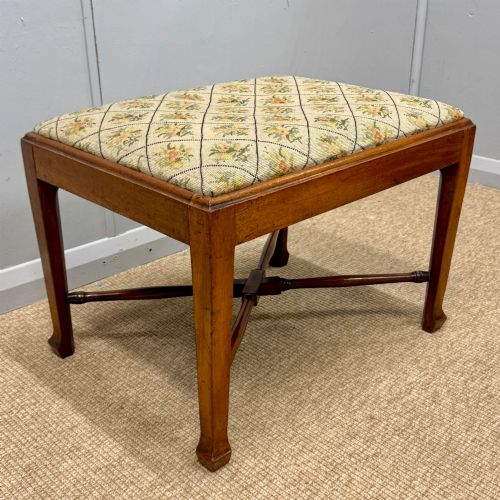
Edwardian Carved Dressing Table
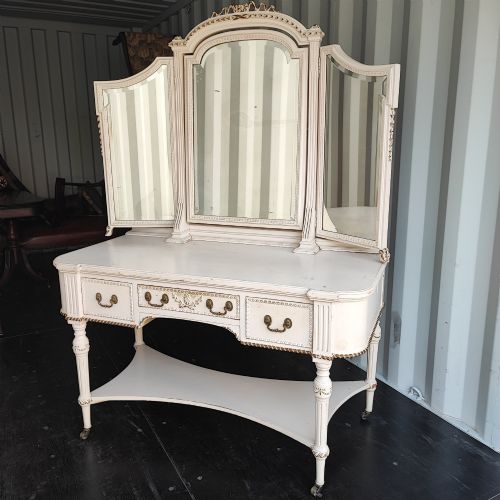
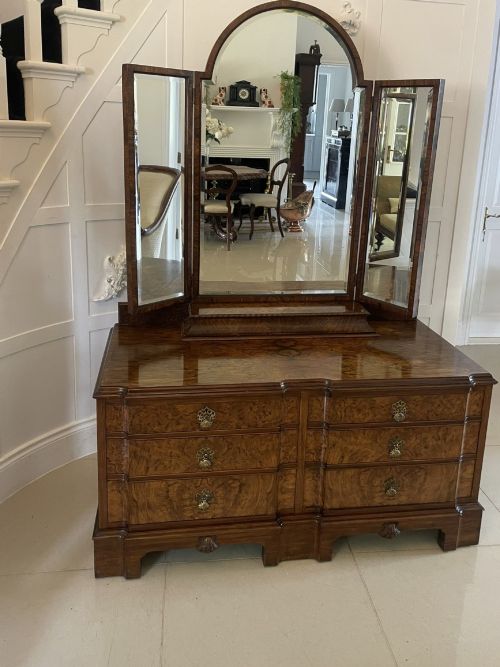
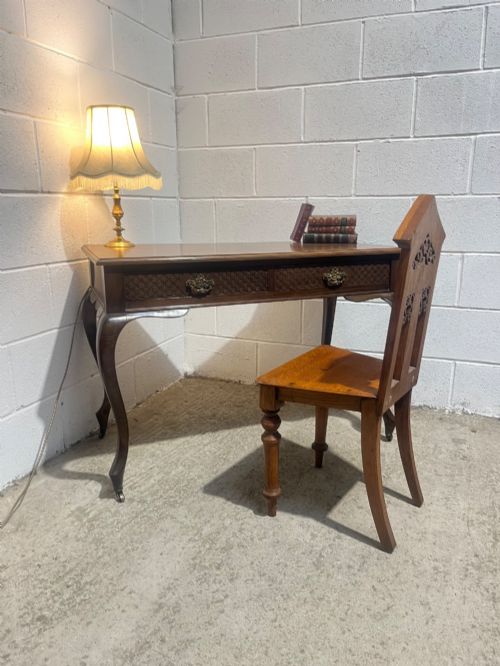
When you want an edwardian carved dressing table, you are looking at early twentieth-century bedroom furniture that pairs practical mirror arrangements with sculptural woodwork.
Edwardian Carved Dressing Table
An edwardian carved dressing table is a domestic piece designed for personal grooming, typically featuring integrated mirrors and storage drawers within the timber frame. The examples you encounter on this page span the Edwardian period alongside related Victorian and early twentieth-century iterations.
The construction often incorporates freestanding formats, kidney shapes, or serpentine fronts, frequently accompanied by matching stools or adjustable mirrors. These forms reflect the domestic habits of the era, prioritising dedicated spaces for daily preparation in the bedroom or dressing room.
How they were made
Cabinet makers utilised solid timbers and decorative veneers, notably mahogany, walnut, burr walnut, and oak, applying hand-carved details to legs, frames, and drawer fronts. Brass hardware and glass mirrors were integrated into the structural woodwork using traditional joinery methods.
Surfaces were finished to highlight the natural grain of the wood, while specialised forms incorporated leather inserts, fabric upholstery on associated stools, or painted decoration depending on the stylistic revival of the workshop.
Listings feature woods including mahogany, walnut, burr walnut, and oak, alongside styles spanning Edwardian, Victorian, Arts and Crafts, and various revival movements.
What varies in quality
The distinction between standard production and superior craftsmanship lies in the depth and crispness of the carving, the selection of figured wood veneers, and the integrity of the original joints. Pieces that retain their matching mirrors, original hardware, and associated seating demonstrate higher retention of their original design scheme.
Subtle markers such as secondary timbers used in drawer linings, the quality of the glass bevelling in the mirrors, and the fluidity of cabriole or tapered legs separate utilitarian items from pieces produced by notable cabinet makers.
Maples of London and Paris·Wylie and Lochhead Glasgow·Heals·Waring and Gillows·P and MA Nicholson
The Edwardian Carved Dressing Table Glossary
- Burr walnut
- A wood veneer taken from the growth growths or burls of the walnut tree, prized for its swirling, highly figured grain patterns. It was frequently applied to the principal surfaces of high-status Edwardian and Victorian furniture.
- Cabriole leg
- A furniture leg that curves outward and then tapers inward, typically ending in a pad, claw, or scroll foot. This form was widely revived during the Edwardian period following earlier eighteenth-century fashions.
- Serpentine front
- A furniture front characterised by a concave central section flanked by two convex ends, or the reverse. Executing this shape required advanced woodworking skill to fit drawers and frames precisely.
- Cheval mirror
- A full-length mirror suspended on a vertical frame that allows the glass to tilt. These freestanding items appeared in bedrooms alongside fixed dressing table mirrors.
- Cross stretcher
- A structural support system forming an 'X' shape between the legs of a table, stool, or stand to provide lateral stability. It often featured a central decorative finial or carving.
Edwardian Carved Dressing Table: Frequently Asked Questions
What is an edwardian carved dressing table?
An edwardian carved dressing table is a piece of wooden bedroom furniture made in the early twentieth century, typically featuring carved decorative details and one or more adjustable mirrors.
These pieces were built to hold grooming items and provide a surface for daily preparation, combining utilitarian drawers with ornamental woodwork.
How do I identify an Edwardian piece?
You can identify Edwardian pieces by their specific combination of lighter timber construction, revival styles like Chippendale or Queen Anne, and characteristic Edwardian brass hardware.
Makers of this era frequently drew on eighteenth-century motifs while adapting forms for contemporary domestic spaces, resulting in distinct proportions compared to heavier Victorian furniture.
Were these tables sold with stools?
Many dressing tables were produced alongside matching stools, often upholstered in fabric or leather and featuring coordinated legs such as cabriole or twisted rope designs.
Surviving sets keep the table and stool together, though many pieces on the market have been separated over the course of their history.
How should I clean the carved wood?
You should clean the carved surfaces using a soft, dry cloth to remove dust from the recesses without damaging the finish or the aged patina of the timber.
Avoid modern liquid silicone polishes, relying instead on traditional microcrystalline wax applied sparingly when the wood appears dry.