
Antique Mirror Dresser
An antique mirror dresser combines reflective glass with functional storage, bringing light and practical elegance into domestic spaces.
Antique Mirror Dresser
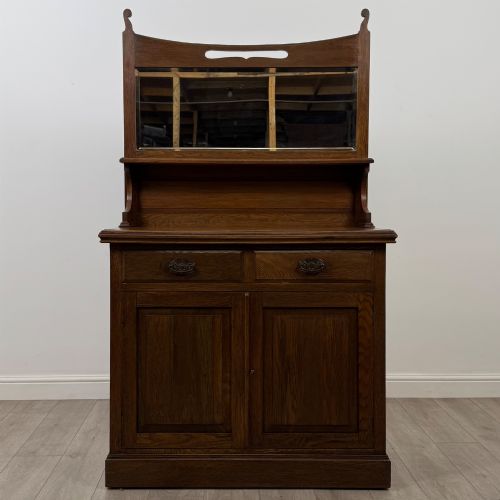
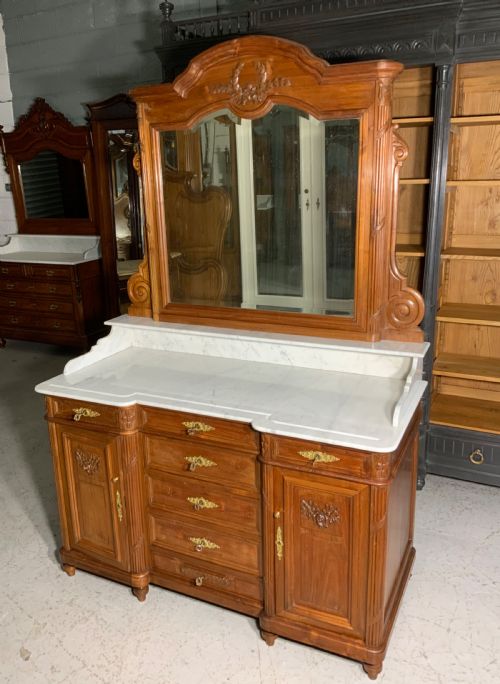
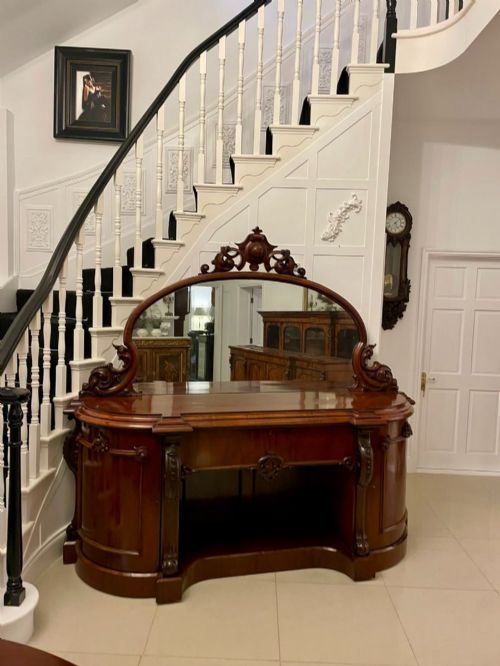
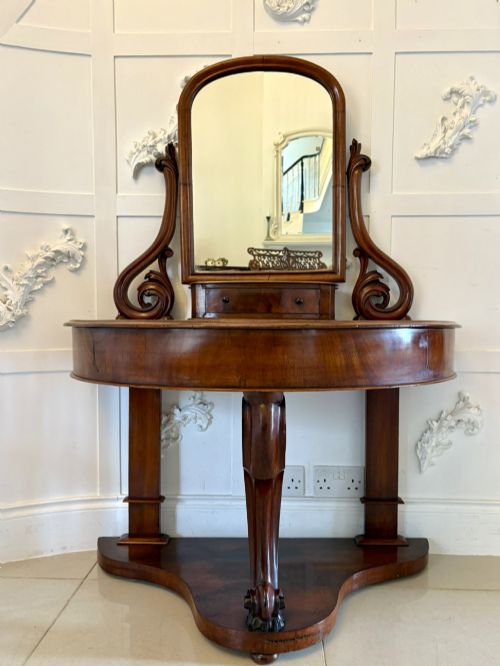
An antique mirror dresser encompasses large mirror-backed sideboards, dressing tables, and washstands originating across the Victorian, Edwardian, and Art Deco periods. Buyers search for these pieces to anchor a room with functional furniture that incorporates integrated glass panels.
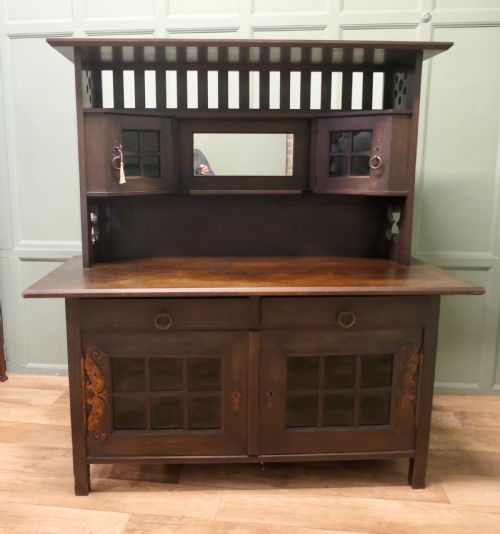
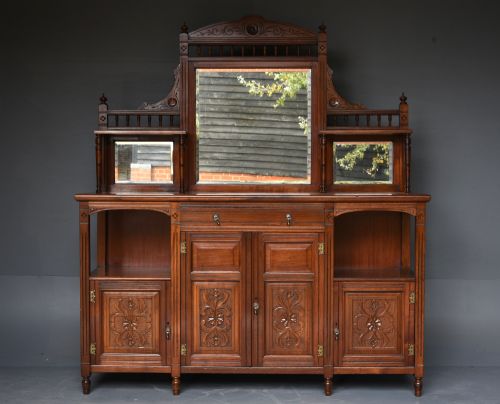
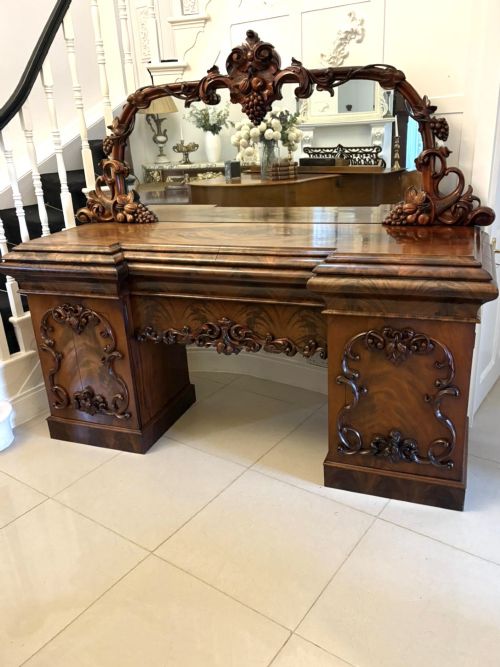
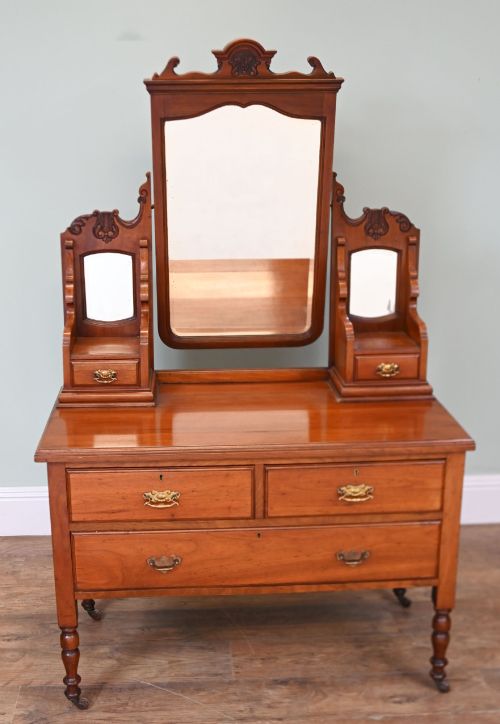
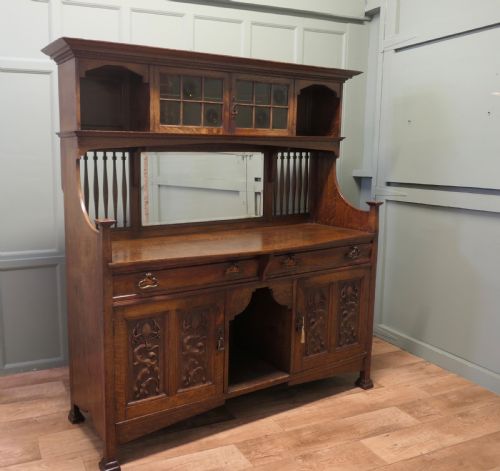
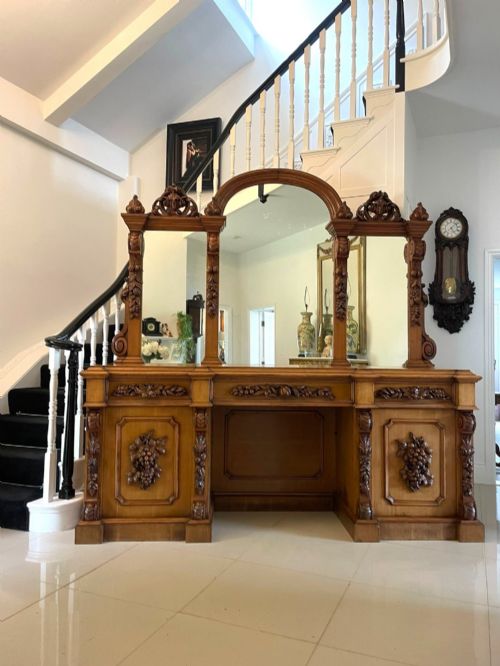
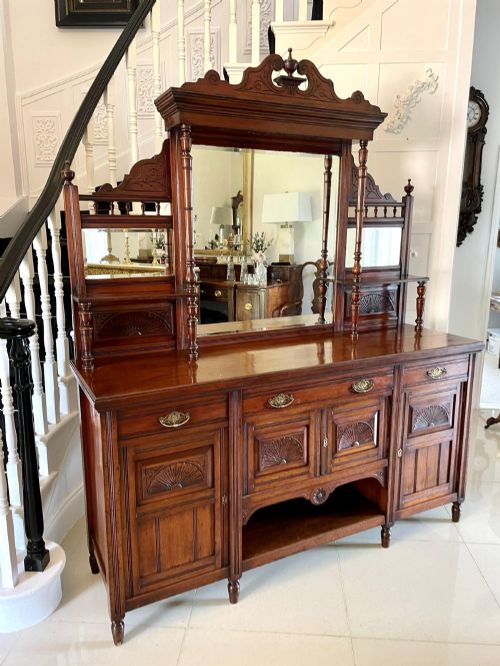
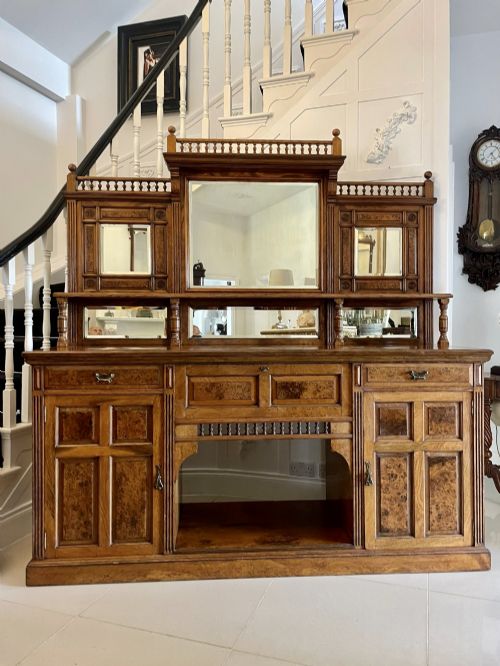
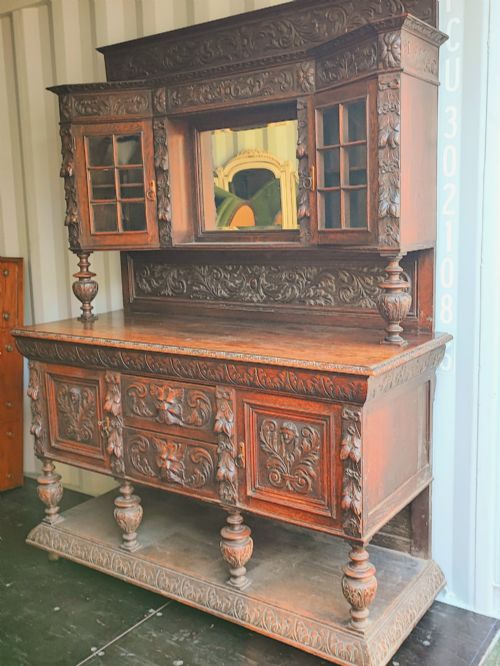
The pieces appearing on this page lean heavily toward Victorian and Edwardian examples constructed from oak and mahogany. Sideboards featuring carved wooden frames and tall mirror backs dominate the selection alongside dressing tables fitted with adjustable oval or rectangular plates.
Materials and Construction
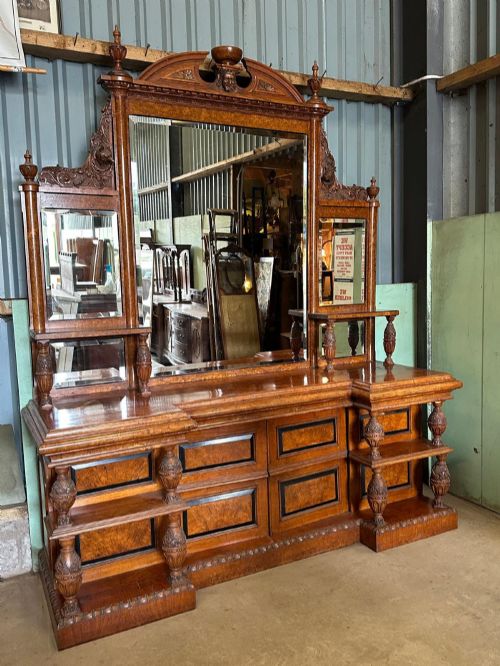
Cabinet makers utilised dense hardwoods such as oak, walnut, and mahogany, frequently pairing heavy timbers with bevelled mirror glass and cast brass handles. Surviving pieces demonstrate traditional joinery techniques, using solid frames alongside burr veneer panels to add decorative grain patterns.
The integration of glass required sturdy structural framing, particularly in large sideboard backs where ornately carved crests support heavy mirror plates. Secondary woods like ash and pine appear in internal drawer construction and backing boards.
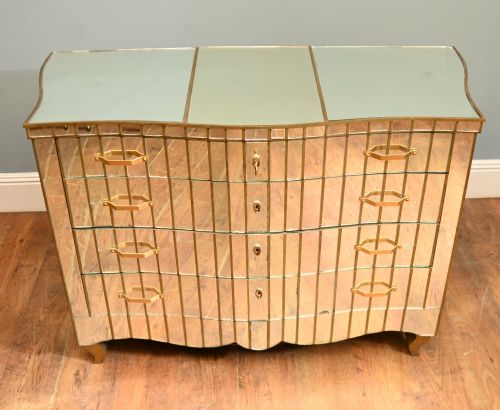
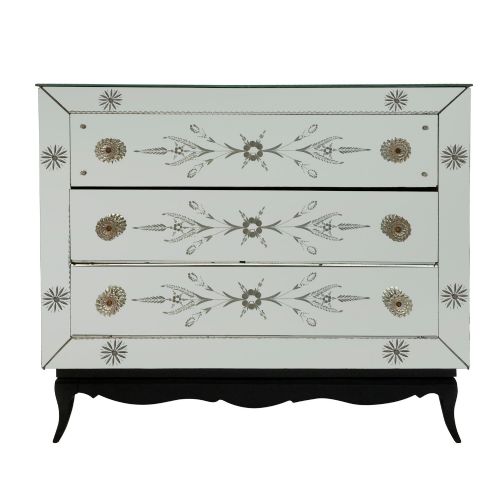
Object forms on this page include sideboards, dressing tables, washstands, and mirrored chests of drawers.
Standards of Execution
Quality rests upon the crispness of hand-carved ornamentation, the selection of figured timber veneers, and the original integrity of the silvered glass. Superior examples exhibit deep, clean relief carving on the wooden frames and well-figured mahogany or pollard oak grain across the principal surfaces.
The relationship between the cabinet base and the upper mirror frame indicates the workshop standard, where finer pieces maintain cohesive proportion and integrated hardware. Original brass handles and unblemished mirror plates elevate a piece above standard utility items.
Shapland and Petter·Gillows
The Antique Mirror Dresser Glossary
- Mirror back
- A wooden sideboard or cabinet featuring an attached upright superstructure containing a large mirror plate. This design reflects interior light and displays decorative cresting.
- Pollard oak
- Oak timber taken from trees that were pollarded, producing dense knots and highly figured circular growth patterns. Cabinet makers prized this wood for its distinctive mottled texture.
- Pedestal
- A structural support block or column beneath a sideboard or dressing table, often fitted with internal cupboards or drawers. It provides a weighty foundation for large wooden carcases.
- Bevelled glass
- A mirror plate with edges cut and polished at an angled slope to create a framed optical border. This technique catches light and signifies finer period manufacturing standards.
Antique Mirror Dresser: Frequently Asked Questions
Where should I place a mirror dresser?
Position the piece opposite or adjacent to a window to maximise the reflective light bouncing into the room. Ensure the floor is level so heavy sideboard and dressing table doors hang true.
Keep wooden items away from direct heat sources and strong sunlight to prevent the timber and polished finishes from drying out.
How do I identify a Victorian mirror back?
Look for dense timbers such as walnut, pollard oak, or mahogany paired with elaborate hand-carved crests and heavy plinth bases. The mirror glass is often secured with wooden moulding frames at the back.
Examine the drawer construction for hand-cut dovetails and solid secondary wood linings characteristic of nineteenth-century cabinet making.
Can I separate the mirror from the sideboard?
Many mirror backs are detachable and secured with concealed metal bolts or screws passing through the rear uprights into the cabinet base. Removing the glass superstructure makes transporting heavy pieces significantly safer.
Check the rear joints and structural brackets before attempting disassembly to ensure all supporting fixings are accounted for.