


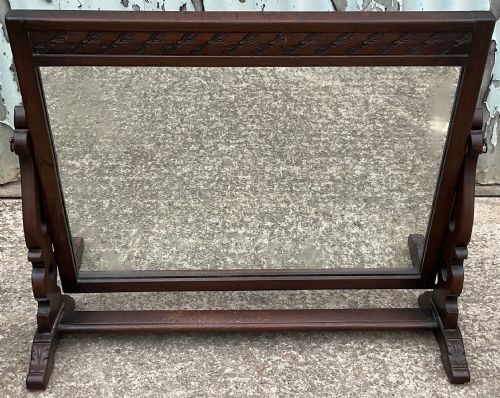
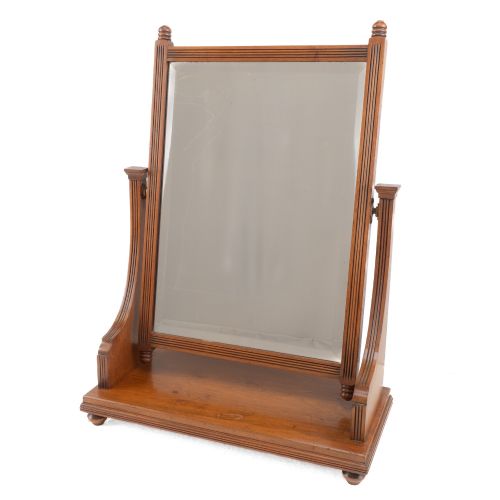
Brown Wooden Vanity Table
A brown wooden vanity table brings practical elegance and period craftsmanship to the bedroom through polished timber surfaces and pivoting mirrors.
Brown Wooden Vanity Table
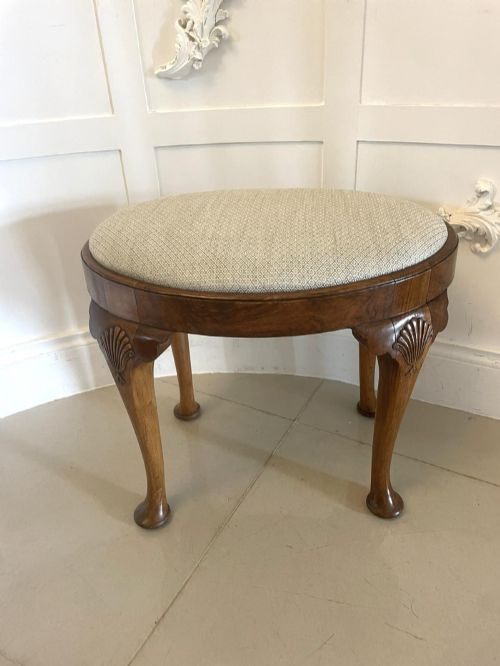
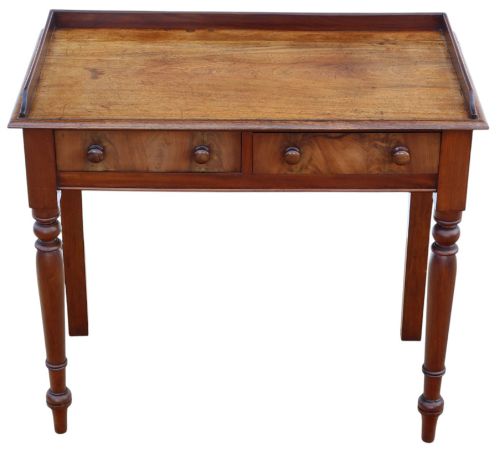
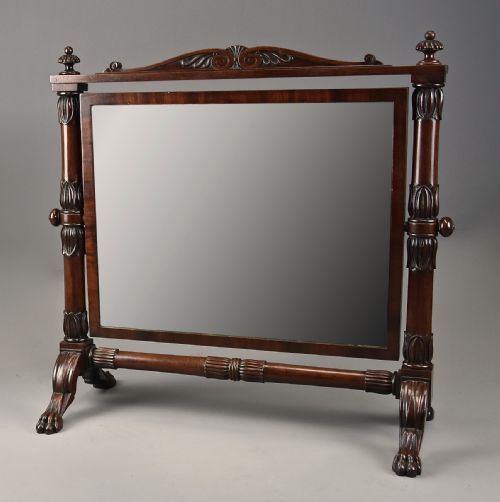
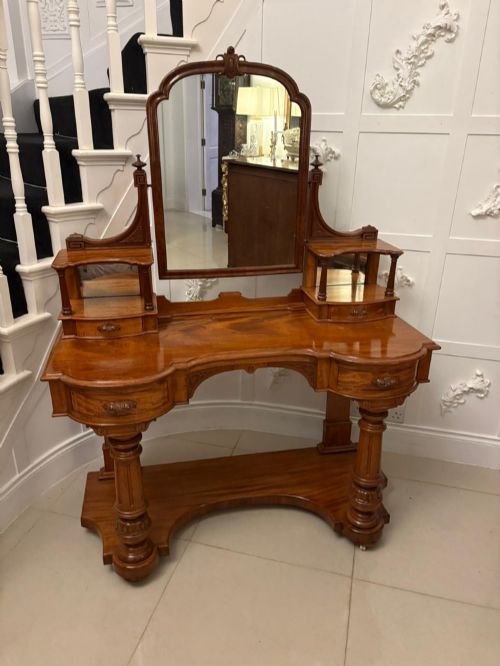
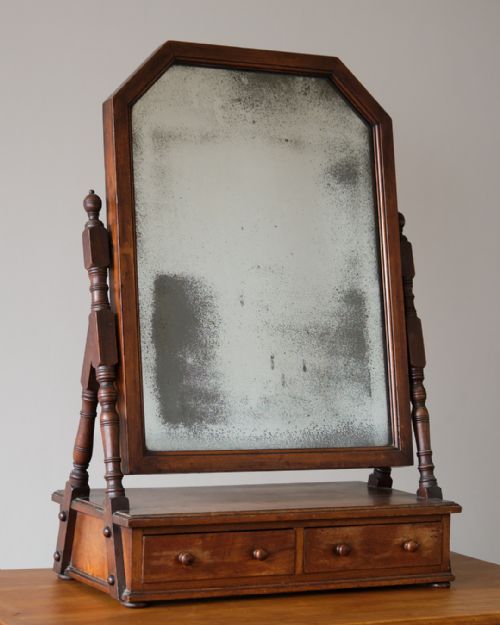
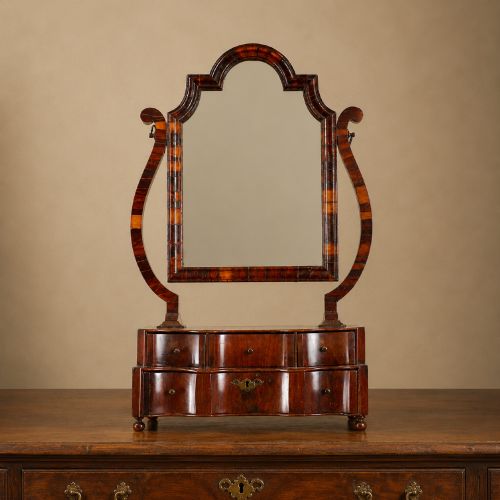
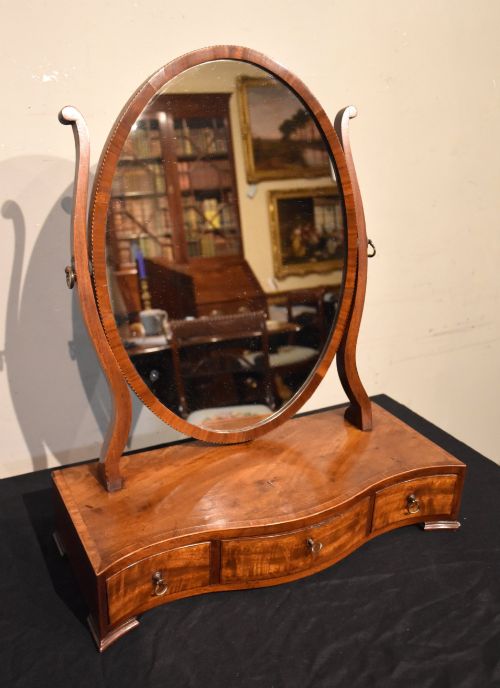
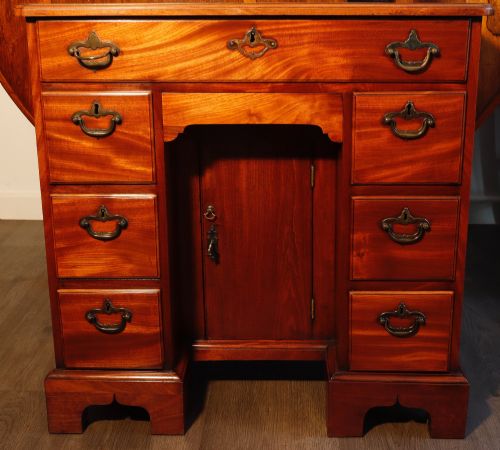
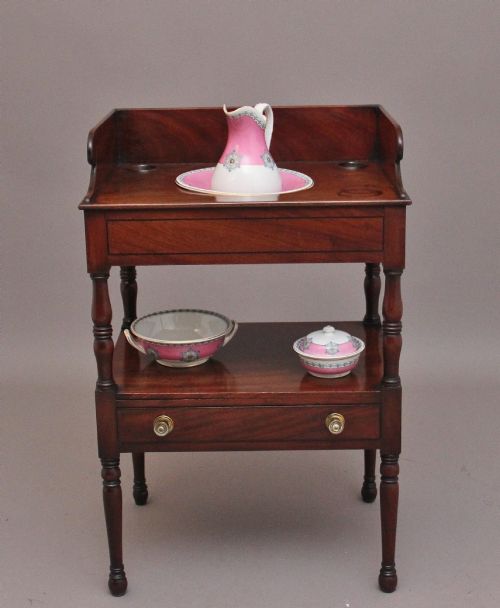
A brown wooden vanity table encompasses various forms designed for personal grooming and writing, most frequently appearing as dressing tables, dressing table mirrors, and smaller toilet mirrors. These pieces span multiple eras, including the Georgian, Victorian, Edwardian, and Regency periods.
Buyers will frequently encounter table-top mirrors and freestanding dressing tables rather than single standardised designs. The selection includes serpentine fronts, bow fronts, and pedestal formats associated with historical cabinet-making traditions.
Understanding quality differences
The distinction between tiers of quality rests on the selection of timber veneers, such as burr walnut or flame mahogany, and the precision of the cabinet work in framing and drawers.
Superior examples demonstrate refined proportions, careful carving, and high-grade brass fittings, whereas simpler pieces utilise plain solid timbers with minimal ornamentation.
Listings feature mahogany, walnut, burr walnut, and oak alongside decorative textiles and glass.
P & MA Nicholson·Heal & Sons
The Brown Wooden Vanity Table Glossary
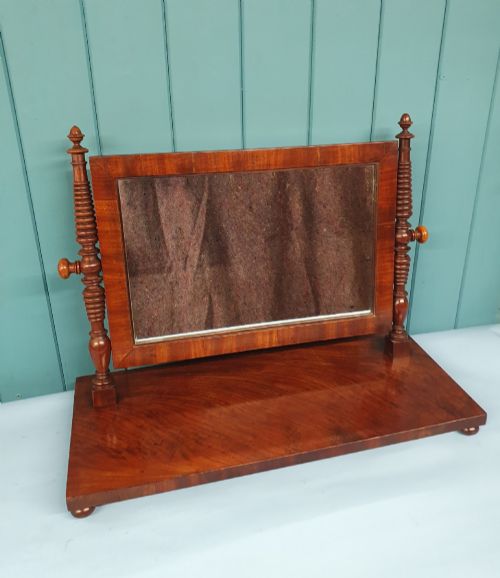
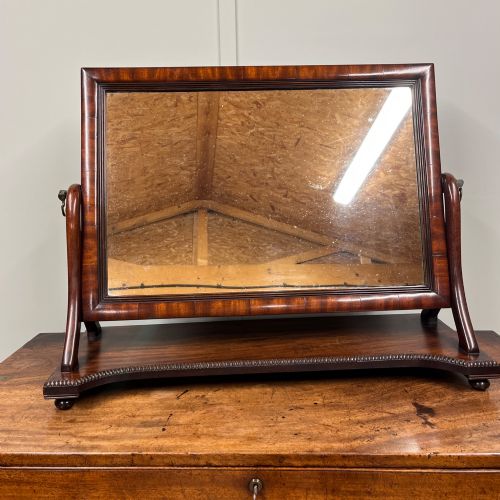
- Toilet mirror
- A small mirror designed to sit upon a chest of drawers or a dressing table, usually featuring a pivoting glass frame supported by upright arms.
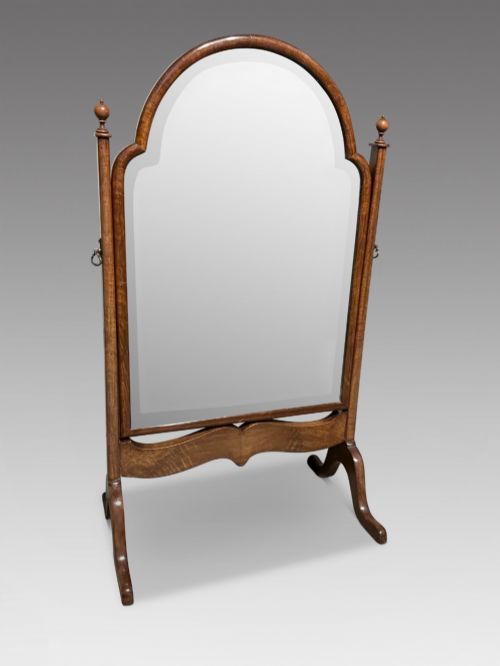
- Cheval mirror
- A full-length swing mirror supported by a freestanding frame that permits the glass to tilt at various angles.
- Serpentine front
- A furniture front characterised by a concave centre flanked by two convex curves, creating a flowing undulating outline.
- Bow front
- A convex, outwardly curved front elevation common on Georgian and Victorian case furniture.
- Marquetry
- Decorative patterns formed by fitting together thin slices of various coloured woods and other materials onto a structural surface.
Brown Wooden Vanity Table: Frequently Asked Questions
How do I identify a Georgian dressing mirror?
Georgian dressing mirrors typically feature proportions based on classical architectural lines, utilising mahogany or walnut with bracket feet and small drawer bases beneath the swing glass.
These pieces emphasise timber grain and understated joinery rather than heavy carving, reflecting the cabinet-making standards of the eighteenth century.
What is the difference between a toilet mirror and a dressing table?
A toilet mirror is a smaller, portable glass unit designed to sit on top of a separate chest or table for close-up grooming.
A dressing table is a complete freestanding piece of furniture incorporating drawers, a surface, and sometimes an attached or matching mirror.
Where were these tables placed in a home?
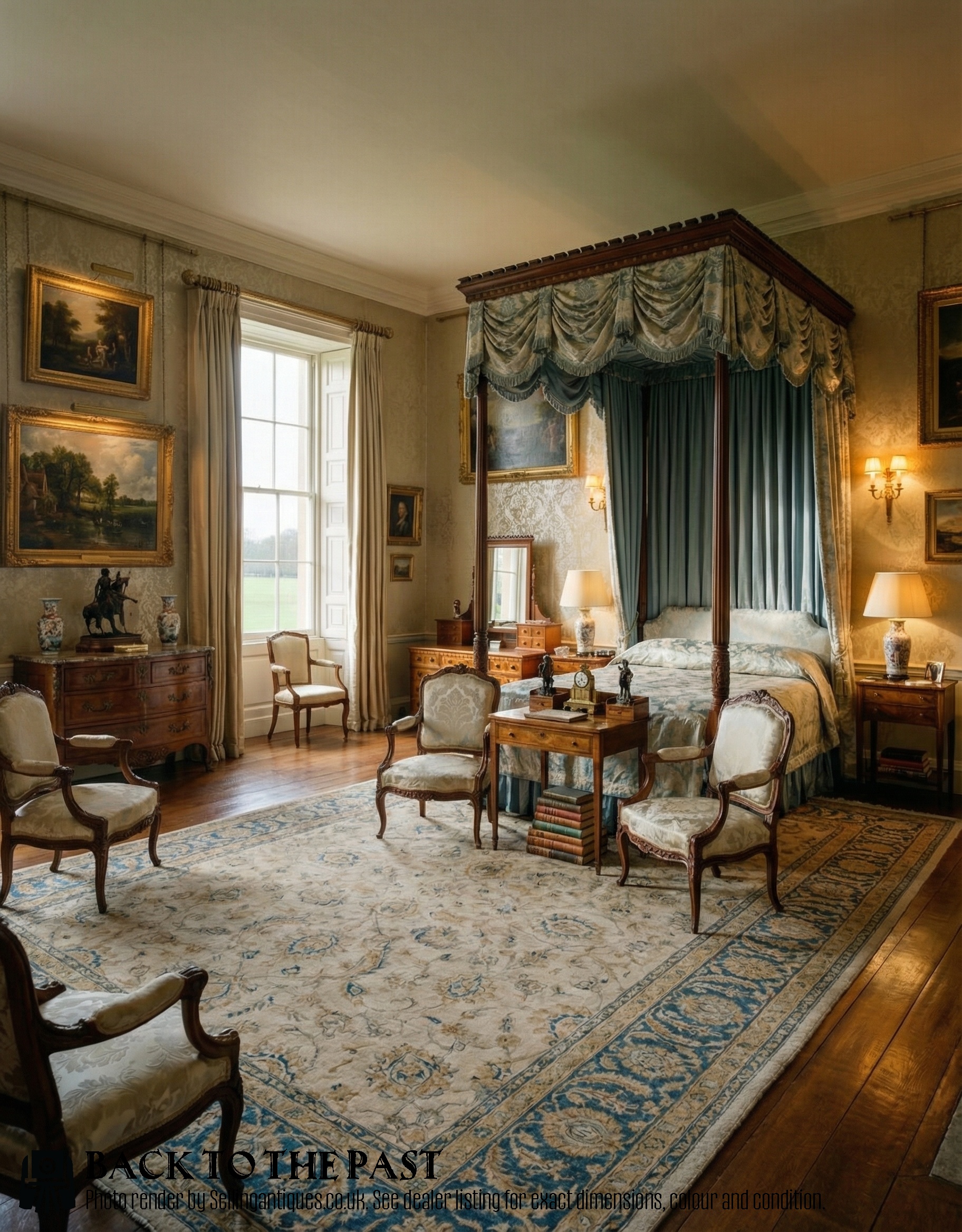
These pieces historically stood in bedrooms, dressing rooms, or boudoirs where natural light from windows illuminated the mirror for daily grooming.
Today, they function equally well in modern bedrooms or hallways as accent furniture with integrated storage.
How do I care for walnut and mahogany surfaces?
Maintain the timber by dusting regularly with a soft, dry cloth and avoiding placement near direct heat sources or strong sunlight that can dry the polish.
Preserve the antique finish by applying specialist wax sparingly when the wood appears dry, rubbing it gently in the direction of the grain.