

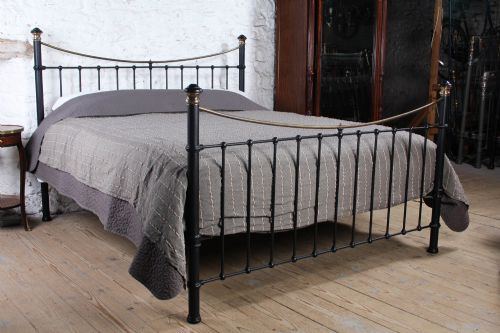


Edwardian Brass Iron Bed
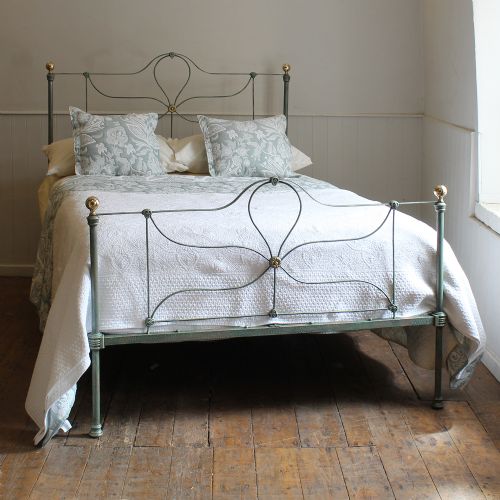
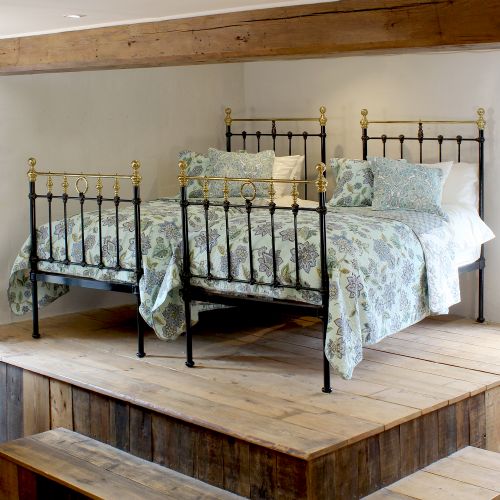
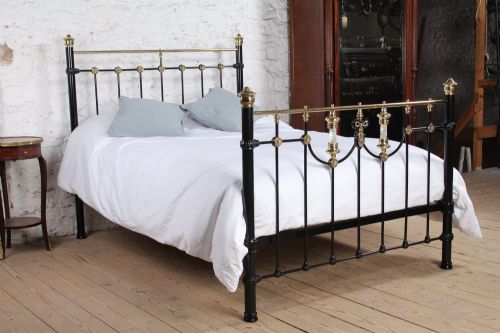
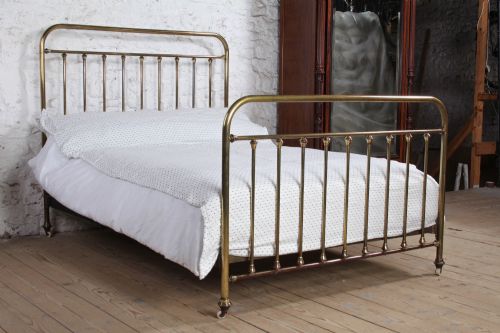
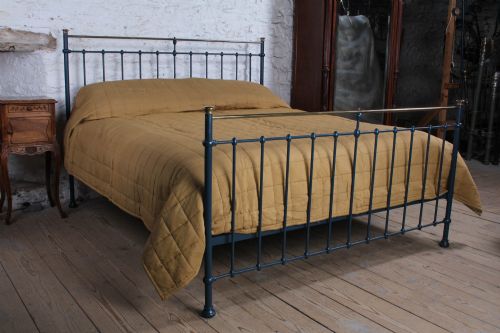
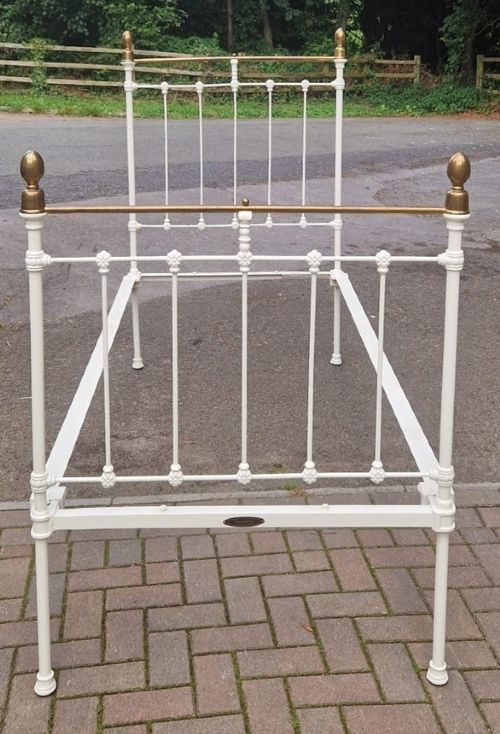
These edwardian brass iron bed frames combine sturdy metal construction with gleaming brass details, offering a robust sleeping frame built to last.
Edwardian Brass Iron Bed
An edwardian brass iron bed brings substantial metal framing to the bedroom, often featuring characteristic tubular iron and polished brass accents.
Most examples found in this selection date from the Edwardian era and the preceding Victorian period, spanning single up to super king sizes.
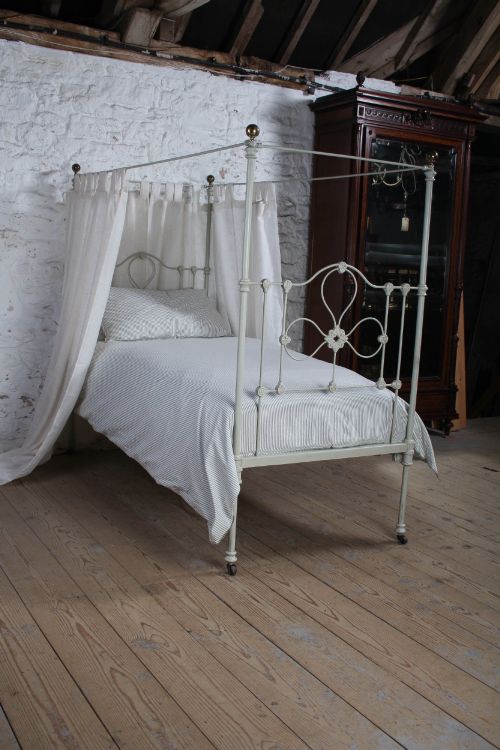
Common configurations include simple straight rails, dip rails, and French provincial styles, constructed as beds, bedsteads, and platform bed frames.
Materials and Technique
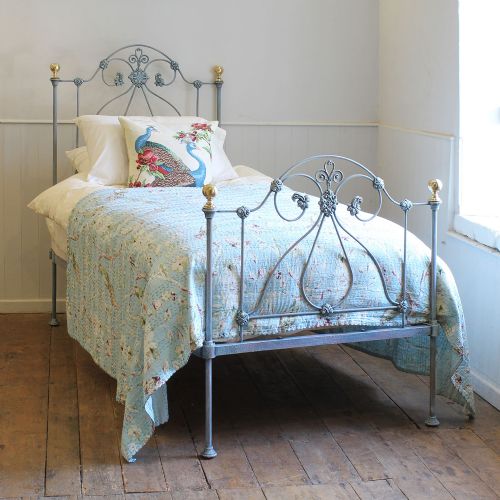
Construction relies heavily on cast iron and wrought iron for structural rigidity, paired with polished brass tubing, caps, and decorative finials.
Surfaces are often finished with painted or japanned lacquer treatments, alongside verdigris or coloured enamel effects on the iron components.
Specialist details such as hand forged elements, mother of pearl inlays, and decorative brass rings distinguish particular frames.
Listings feature frames in cast iron, wrought iron, and polished brass, spanning the Victorian and Edwardian periods.
Design and Proportion
Quality separates standard utilitarian frames from superior examples through the crispness of brass castings and the elegance of rail profiles like the dip rail.
The integrity of original joints and the survival of authentic finishes, such as aged cream paint or japanned lacquer, define the better specimens.
Winfield·Maple and Co
The Edwardian Brass Iron Bed Glossary
- Dip rail
- A headboard or footboard top rail that dips downward in the centre, creating a softer silhouette. This profile is frequently seen on Edwardian designs.
- Japanned lacquer
- A European imitation of East Asian lacquerwork, providing a dark, glossy, and durable protective finish on iron surfaces. It is often found on late nineteenth-century frames.
- Verdigris
- A green patina formed naturally or artificially on copper, brass, or bronze surfaces over time. It offers distinctive colour variation on older metal beds.
- Bedstead
- A framework of wood or metal supporting a mattress and spring. These items often separate into headboards, footboards, and side rails for transport.
Edwardian Brass Iron Bed: Frequently Asked Questions
How do I assemble these beds?
Most antique metal beds utilise standard wedge-fitting side rails that slot directly into the corner brackets of the headboard and footboard. Tapping these joints gently with a rubber mallet secures the frame firmly without damaging the metal.
Ensuring the frame sits square on a level floor before tightening any modern slat system prevents undue stress on the antique corner joints.
Will modern mattresses fit these frames?
Many older metal frames were built to traditional dimensions that may differ slightly from standard modern mattress sizes. Checking the internal length and width of the side rails ensures proper clearance.
Adding a modern supportive slatted base or a low-profile box spring provides the correct foundation for contemporary mattresses while protecting the historic frame.
How do I clean brass and iron?
Painted iron surfaces respond well to gentle dusting and occasional wiping with a damp cloth, avoiding harsh chemical solvents that might strip historic japanned or enamelled finishes.
Polishing brass components requires a mild metal cleaner applied carefully with a soft cloth to avoid staining adjacent painted ironwork.
Are these beds sturdy enough for daily use?
Cast and wrought iron frames offer exceptional structural strength, making them well suited for everyday domestic sleeping arrangements. The heavy metal construction withstands regular use reliably.
Checking that all original cast iron joints remain tight and uncracked guarantees the long-term stability of the bed.