

Victorian Cast Iron Bedstead
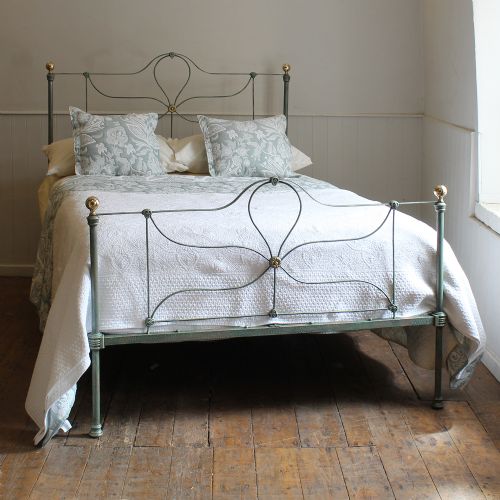
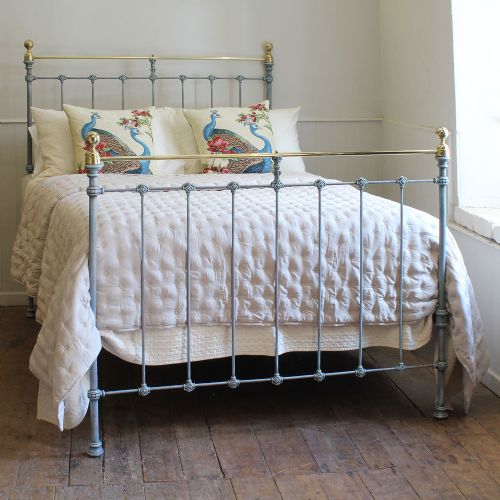
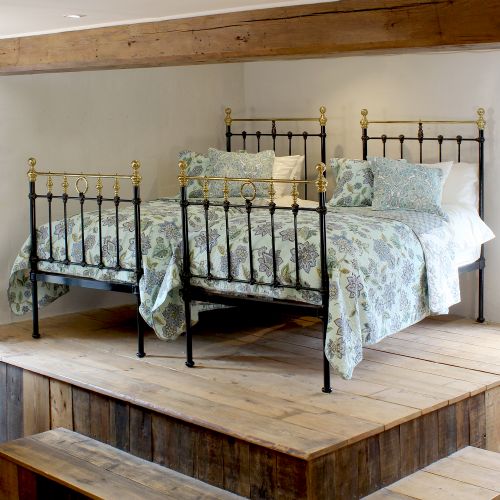
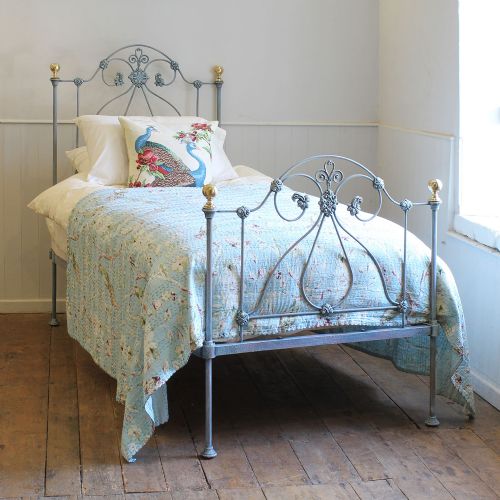
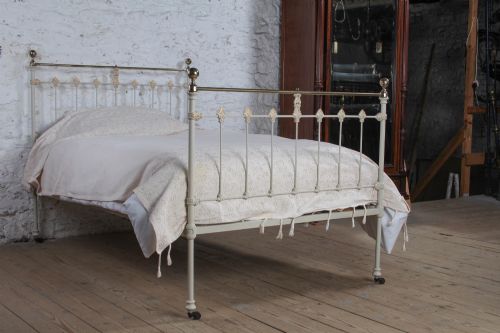
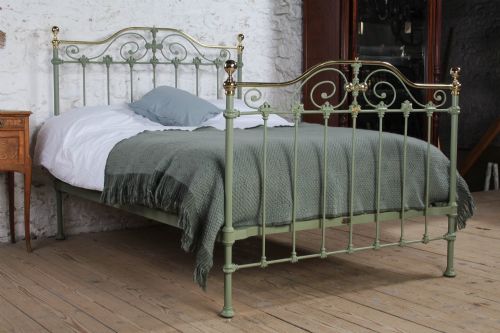
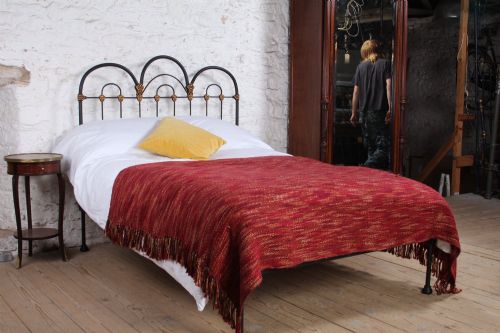
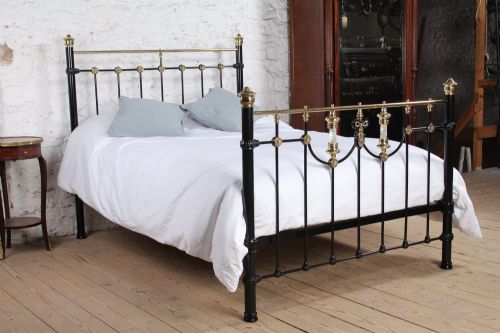
A victorian cast iron bedstead brings robust metal framing and gleaming brass ornamentation together for a grand centrepiece in the bedroom.
Victorian Cast Iron Bedstead
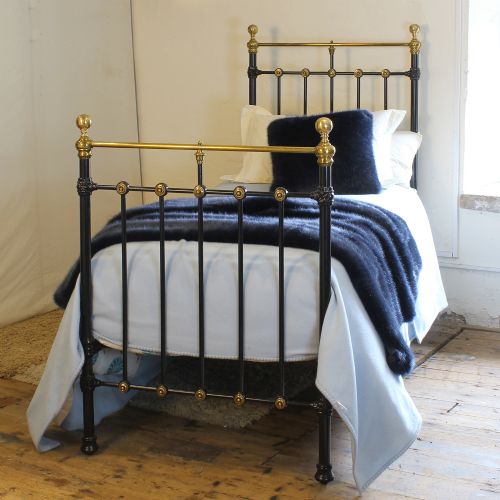
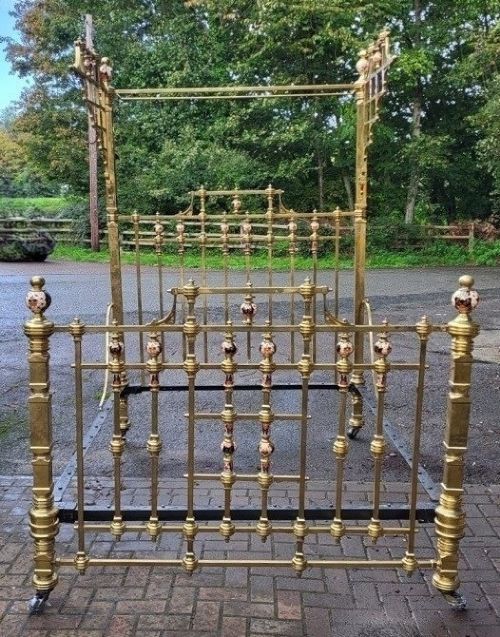
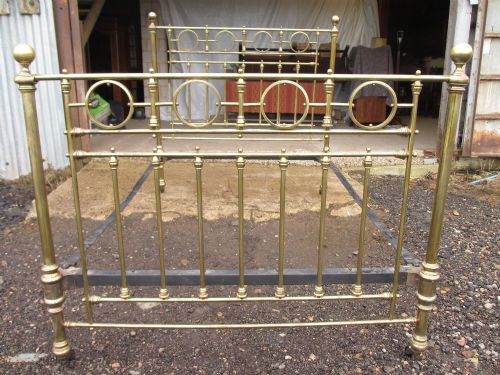
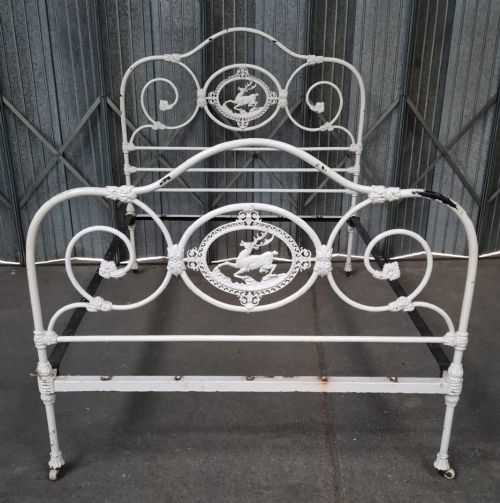
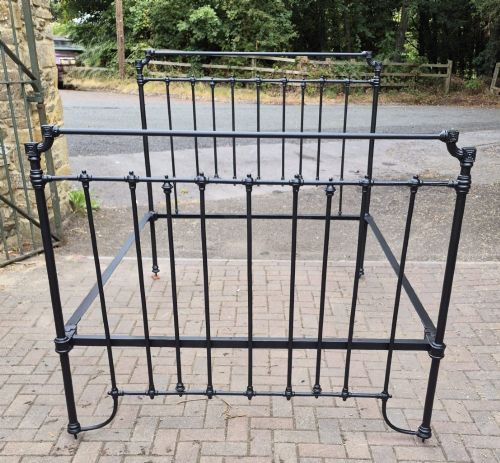
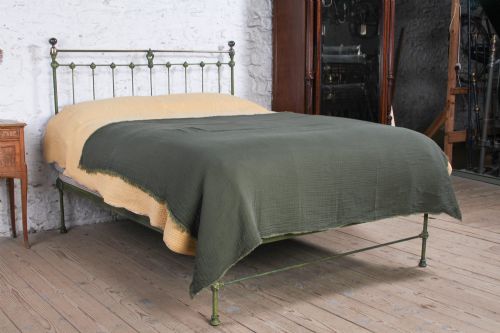
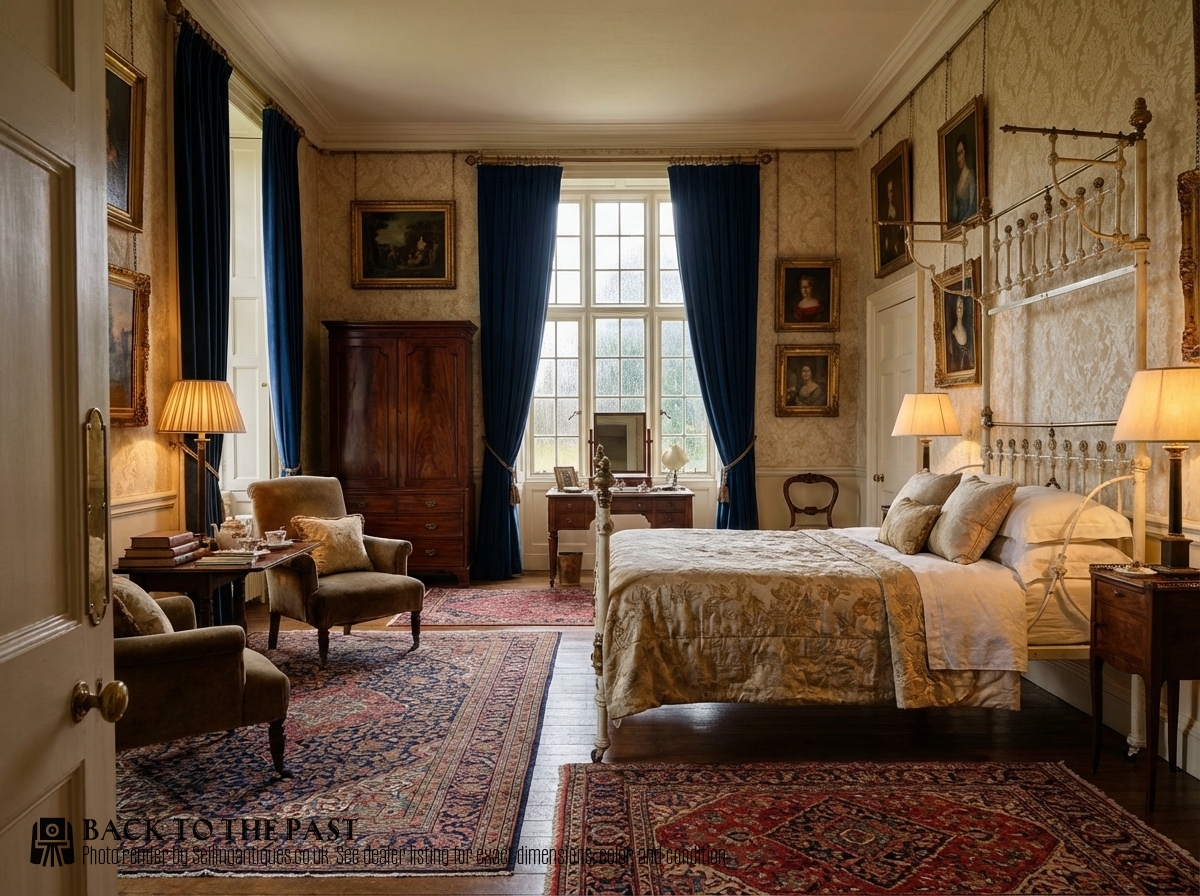
A victorian cast iron bedstead combines heavy metal structural elements with decorative brass components to create a sturdy frame for sleeping. These pieces emerge in various sizes ranging from single and small double up to king and super king dimensions, often featuring footboards and headboards with distinct shaping.
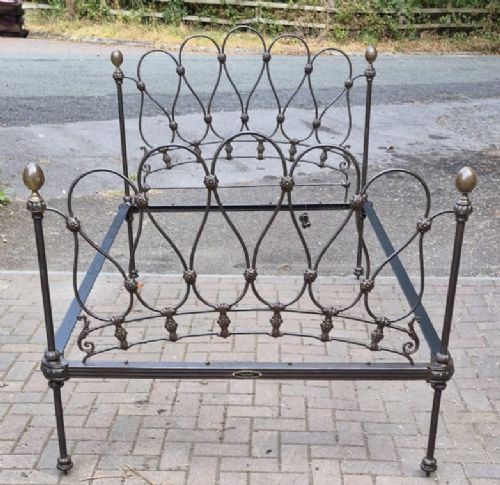
The materials span cast iron, wrought iron, and brass, frequently enhanced with painted finishes or ceramic and mother of pearl details. Many examples hail from the Victorian and Edwardian eras, displaying styles from French Country and Celtic Revival to Art Nouveau and Aesthetic Movement influences.
What varies in quality
The refinement of the brass castings and the crispness of the iron shaping dictate the visual calibre of each frame. Elaborate curly ironwork, ribbon reed details, and maker marks indicate higher levels of craftsmanship.
The integrity of the original joints, castors, and slot-in mechanisms determines how solidly the structure performs its daily function. The presence of undamaged decorative inlays like mother of pearl or ceramic elements also separates standard utilitarian frames from more ambitious workshop productions.
Listings feature periods spanning from the eighteen-sixties through to the Edwardian era, incorporating cast iron, brass, wrought iron, and ceramic materials.
Winfield·R W Winfield
The Victorian Cast Iron Bedstead Glossary
- Bedstead
- A framework supporting a mattress and bedding. In these listings, it refers specifically to metal constructions of iron and brass.
- Half Tester
- A bed with a partial canopy projecting from the headboard over the top of the bed. This form combines metal framing with overhead drapery support.
- Dip Rail
- A headboard or footboard rail that curves downward in the centre. This shaping provides a softer silhouette against the wall.
- No End
- A bed design featuring a tall headboard but lacking a high footboard. This configuration suits smaller rooms by opening up the visual space at the foot of the bed.
- Winfield
- A notable manufacturing name associated with metal bed production during the nineteenth century. Pieces bearing this mark often display superior metalwork and distinct detailing.
Victorian Cast Iron Bedstead: Frequently Asked Questions
How do I assemble an iron bed?
Most frames utilise slot-in iron joints that lock together at the corners without requiring complex hardware. Drop the side rails into the slots on the headboard and footboard posts.
Ensure the frame sits level on its castors before placing any base or mattress across the supports. Tap joints gently with a rubber mallet if metal parts settle tightly into place.
What mattress size fits these beds?
Sizes range from single and double up to king and super king proportions, though nineteenth-century dimensions can occasionally differ slightly from modern standard sizing. Measure the interior frame length and width carefully before ordering a mattress.
Custom mattresses may be necessary if your specific frame predates modern standardised bed dimensions. Check whether the side rails accommodate modern wooden slatted bases or traditional bed bases.
How do I clean brass and iron?
Dust metal surfaces regularly with a soft dry cloth to prevent grime accumulation on the castings. Avoid harsh chemical cleaners that can strip protective lacquers from brass components.
Treat painted iron gently using mild soapy water on a damp cloth, drying thoroughly immediately after. Polish unlacquered brass sparingly with a dedicated metal polish if you prefer a bright finish.
How do I date a metal bed?
Examine the style of the castings, ornamentation, and overall silhouette to place the piece within the Victorian or Edwardian eras. Aesthetic Movement and Art Nouveau motifs point toward the later nineteenth and early twentieth centuries.
Maker marks, registration numbers, or specific construction methods like tapered posts also help narrow down the decade of production. Simpler all-iron frames often date towards the turn of the century.