

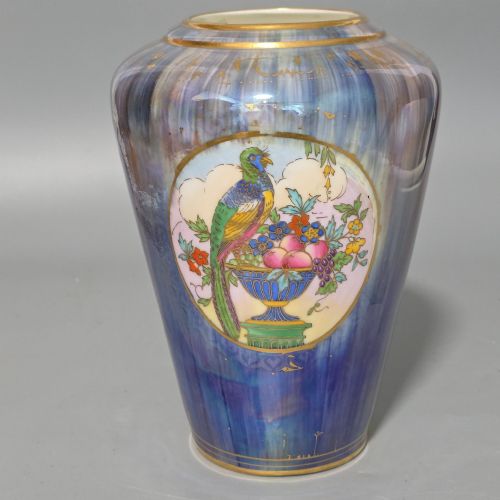


Edwardian Art Pottery Vase
When you handle an edwardian art pottery vase, you encounter sculptural form and experimental glaze united by turn-of-the-century design ideals.
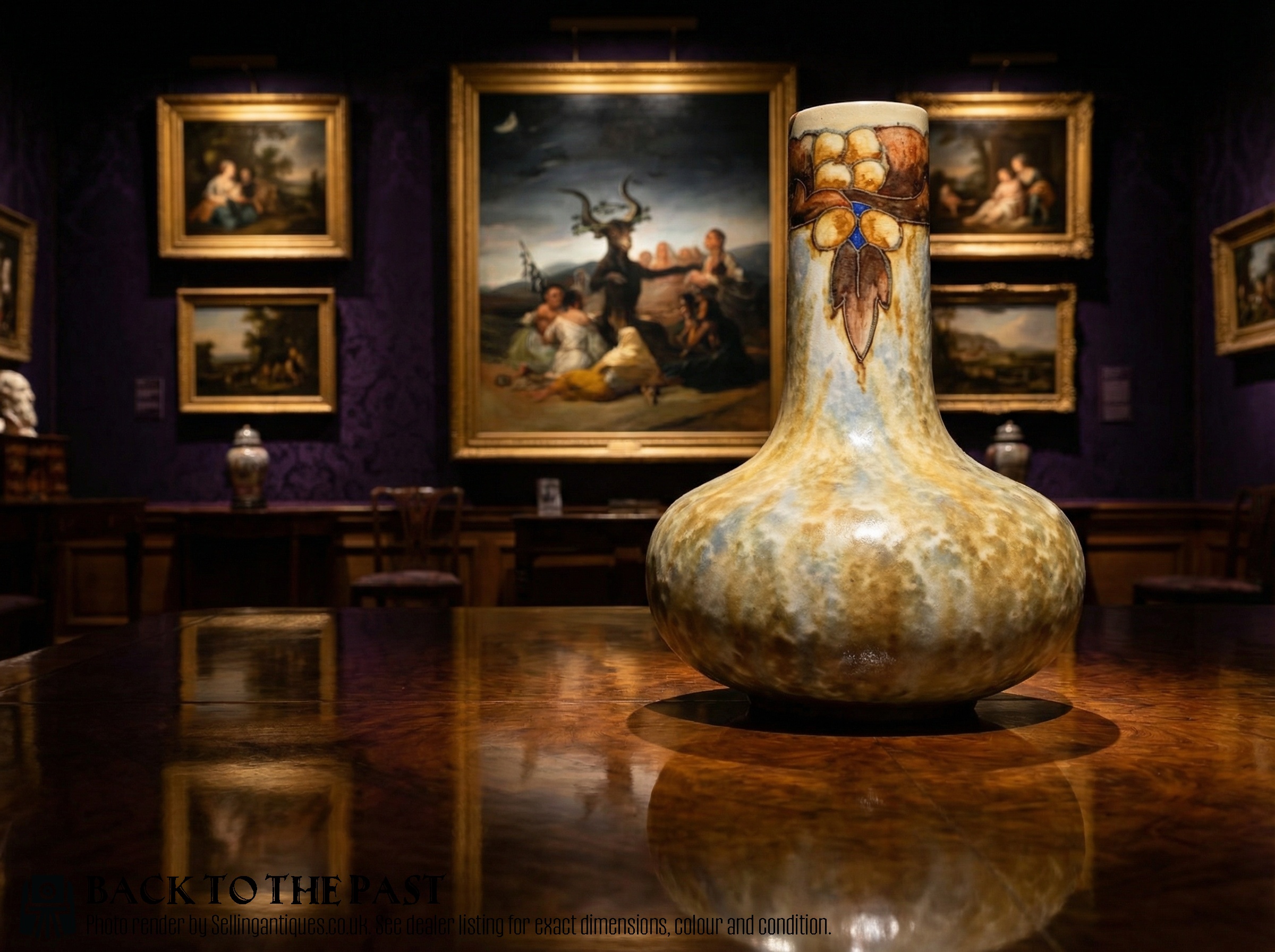
Edwardian Art Pottery Vase
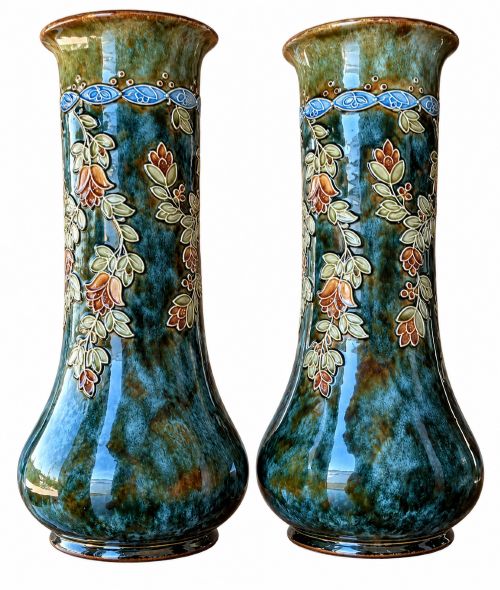
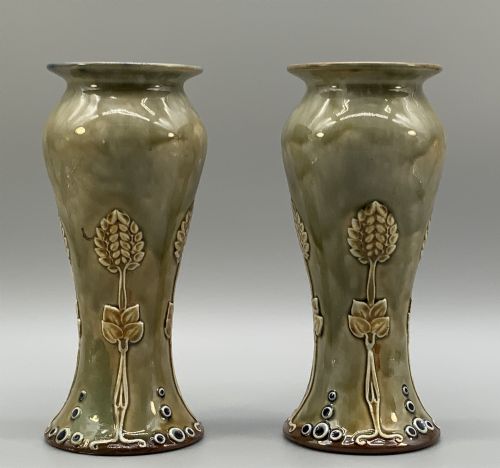
An edwardian art pottery vase represents a period of immense creativity in British and European ceramics, spanning the late nineteenth century through to the early decades of the twentieth century. Makers moved away from rigid industrial uniformity, producing vessels that emphasised handcrafting, organic line and expressive surface decoration.
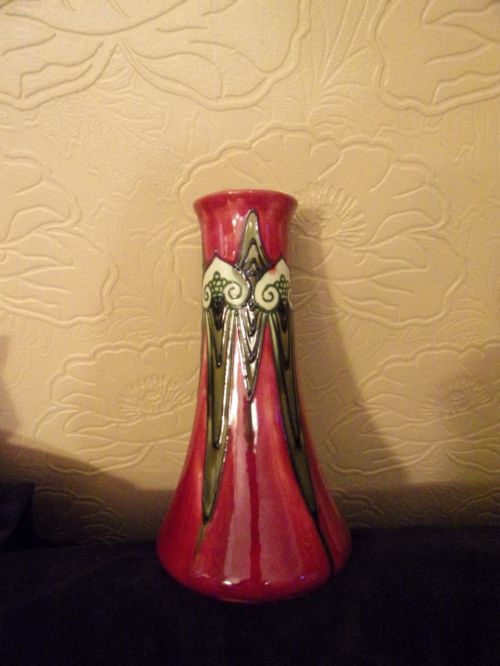
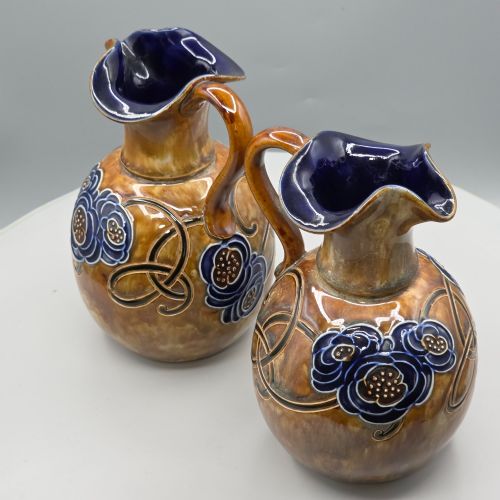
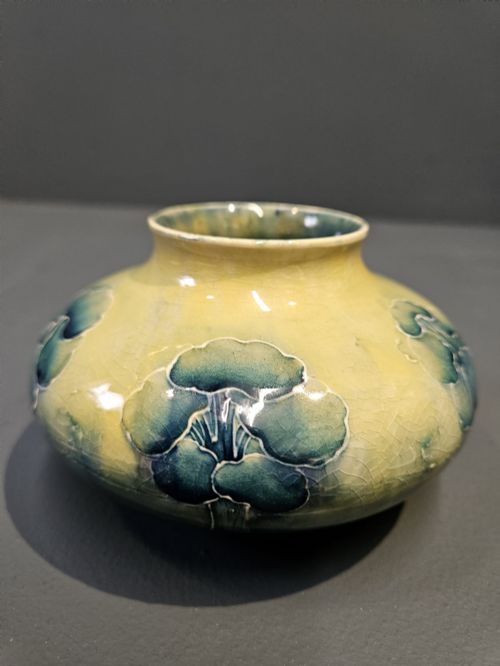
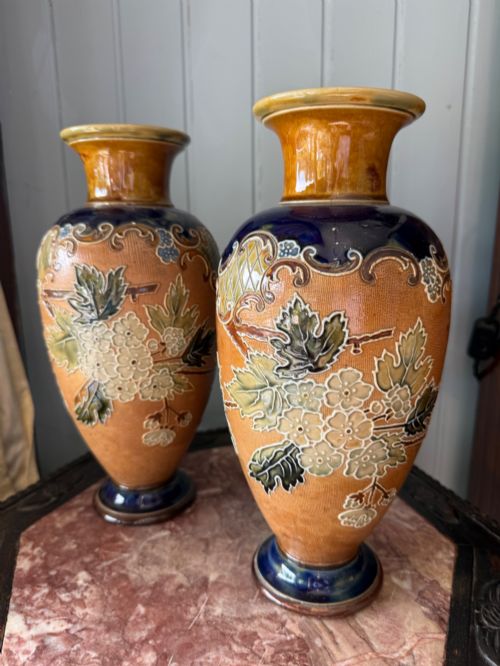
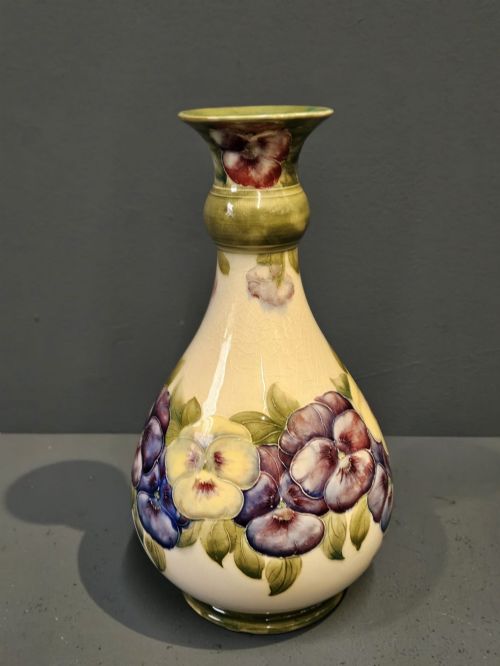
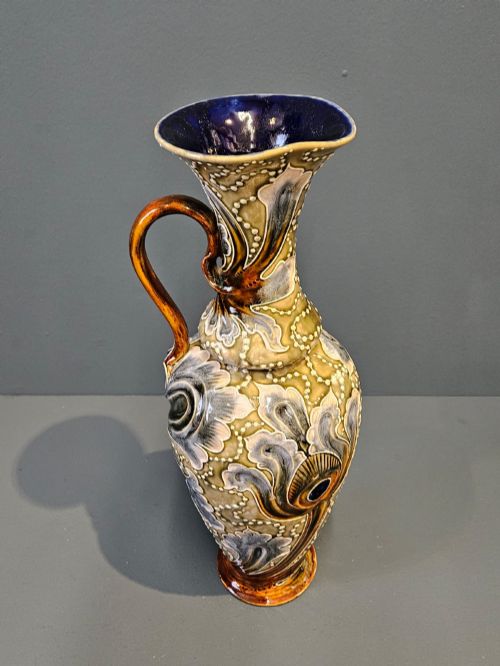
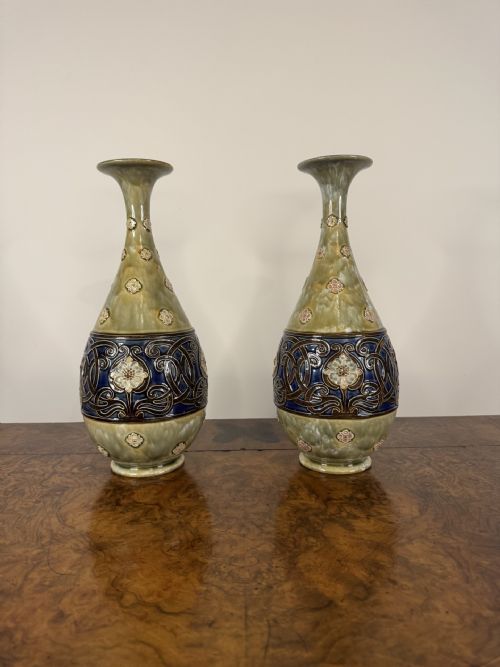
On this page, the pieces you meet most frequently take the form of baluster vases, jugs and decorative vessels created by prominent potteries such as Royal Doulton and Moorcroft. Styles range from flowing Art Nouveau florals and geometric Arts and Crafts patterns to striking lustre and crystalline glazes.
How they were made
Potters utilised earthenware and heavy stoneware bodies, shaping them on the wheel or casting them in moulds before applying intricate surface decoration. Techniques such as tube-lining, where liquid clay created raised outlines for vibrant glazes, defined much of the studio output of the era.
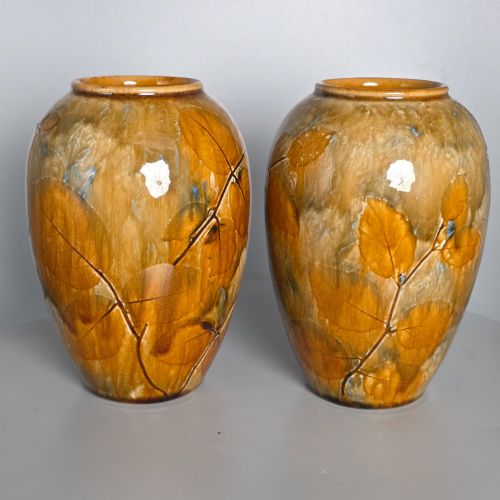
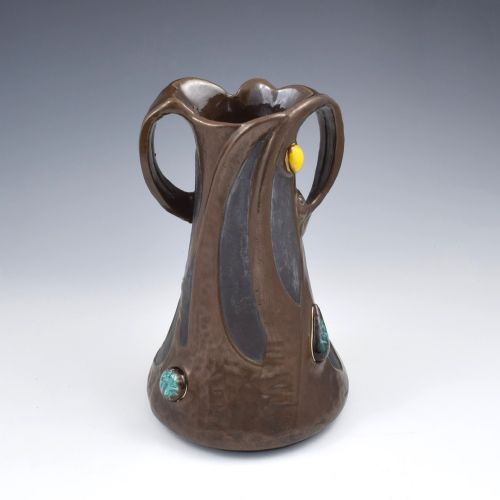
Specialised finishes required multiple firings in the kiln, particularly when incorporating metallic lustres, enamel highlights, or crystalline glazes that bloomed across the ceramic surface during cooling. Some workshops applied gold leaf or jewelled cabochons to enhance the decorative impact of the finished vessel.
Edwardian Art Pottery Vase Retail Price Guide 2026
Typical asking prices for edwardian art pottery vase among the pieces listed under this phrase on Sellingantiques today, from the lower quarter to the upper quarter. They describe what is for sale here now, not the wider market.
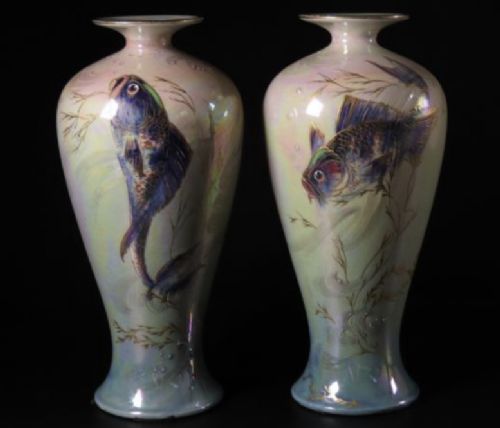
Several vessels feature hand-painted fish, parrots, and woodland deer peering out from floral glazes.
What varies in quality
The distinction between ordinary production pieces and the finest examples often lies in the ambition of the design and the precision of the execution. Hand-painted works by named artists display a fluidity and depth of colour that standard factory output simply cannot match.
Furthermore, the complexity of the glaze chemistry dictates the success of the piece, with richly mottled crystalline surfaces or iridescent lustres marking out the superior productions of leading potteries.
Royal Doulton Lambeth·William Moorcroft·Minton·Shelley·Ruskin Pottery·Wedgewood
The Edwardian Art Pottery Vase Glossary
- Tube-lining
- A technique where a fine nozzle applies a thin line of liquid clay onto the ceramic body to form raised outlines for colour. This method created defined compartments for enamel and glaze.
- Crystalline glaze
- A specialised ceramic finish containing minerals that form distinct crystal blooms during the firing and cooling process. Each vessel develops a unique pattern of crystal growth.
- Lustre
- A metallic glaze that produces an iridescent, rainbow-like sheen when viewed in the light. Potters achieved this effect through reduction firing techniques.
- Baluster
- A vase form featuring a rounded body that tapers toward a narrow neck and flared rim. This silhouette was favoured by art potteries to showcase sweeping floral motifs.
Edwardian Art Pottery Vase: Frequently Asked Questions
How do I identify an Edwardian art pottery vase?
Look for stylistic cues such as organic Art Nouveau plant motifs, tube-lined patterns, or distinctive experimental glazes typical of the period from eighteen-eighty to nineteen-twenty.
Many pieces carry factory stamps, impressed registration numbers, or the painted signatures of individual artists on the underside.
Were these vases used for flowers or display?
While utilitarian forms like jugs and spill vases served practical household functions, the majority of art pottery pieces were created primarily for ornamental display in domestic interiors.
Retailers such as Liberty and Company specifically commissioned these decorative vessels to appeal to a clientele interested in modern aesthetic interior design.
What is the difference between stoneware and earthenware?
Stoneware is fired at higher temperatures until the clay body vitrifies, resulting in a dense, non-porous material that often has a heavier, more robust structure.
Earthenware is fired at lower temperatures, remaining slightly porous unless fully sealed with a heavy glaze or enamel layer across the entire surface.
How should I display these vases at home?
Position them in spaces with good natural light to properly reveal the subtle variations in their reactive glazes and metallic lustre finishes.
Keep them away from direct sunlight and damp environments to protect delicate enamels, gold leaf details, and historical ceramic bodies.