
Antique Art Ceramic Vessel
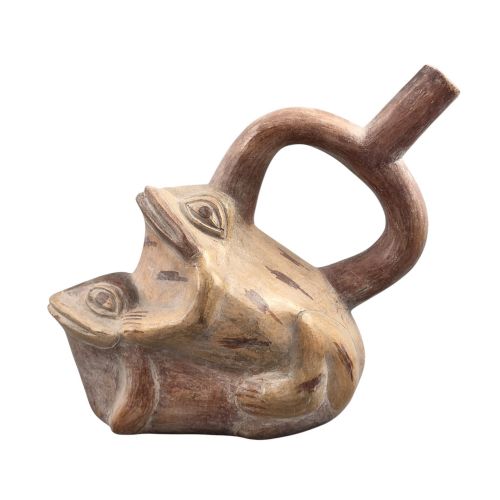
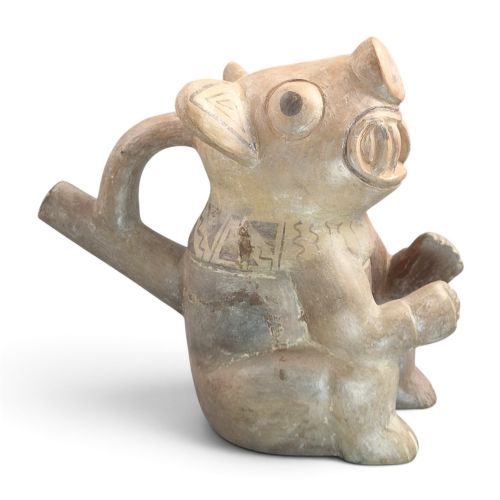
When you search for an antique art ceramic vessel, you encounter distinctive pottery and stoneware spanning the late nineteenth and early twentieth centuries.
Antique Art Ceramic Vessel
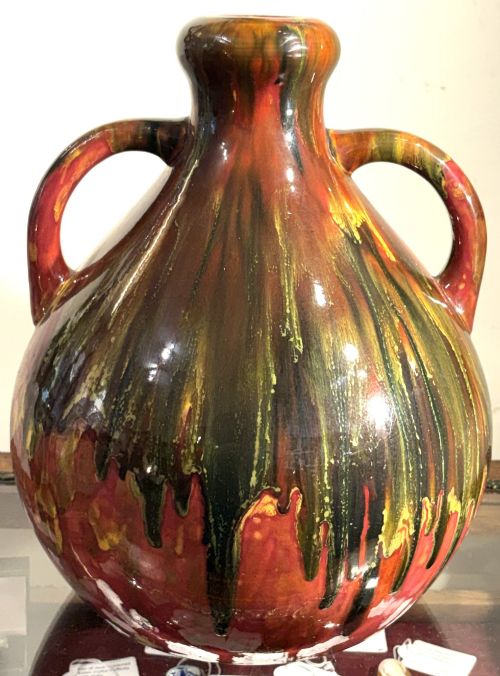
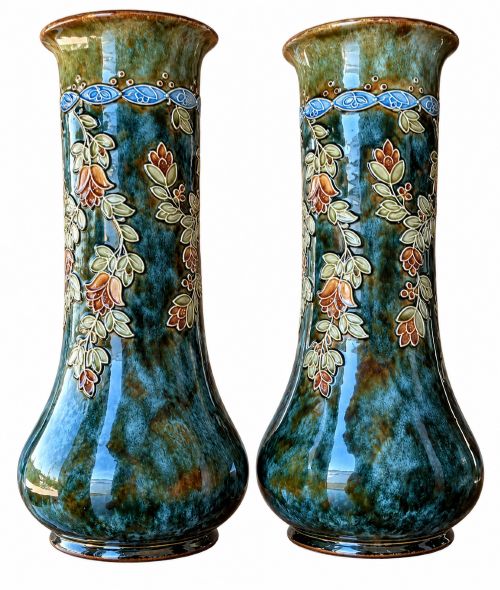
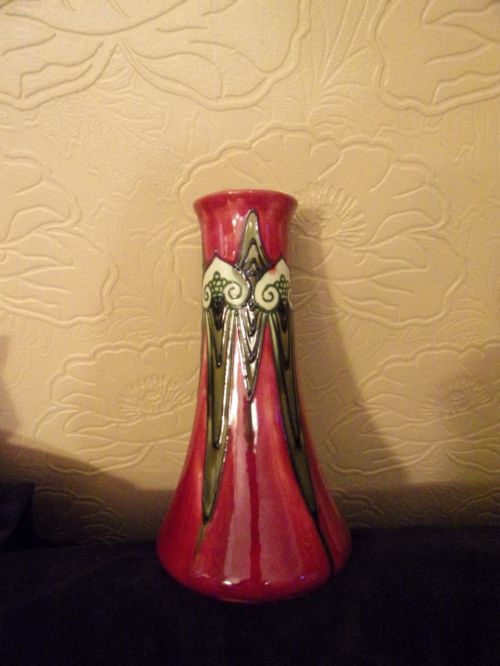
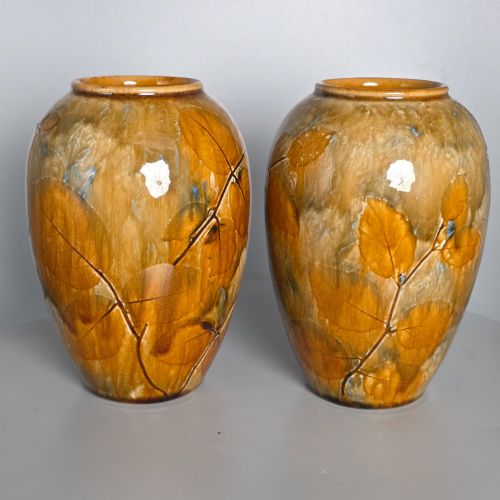
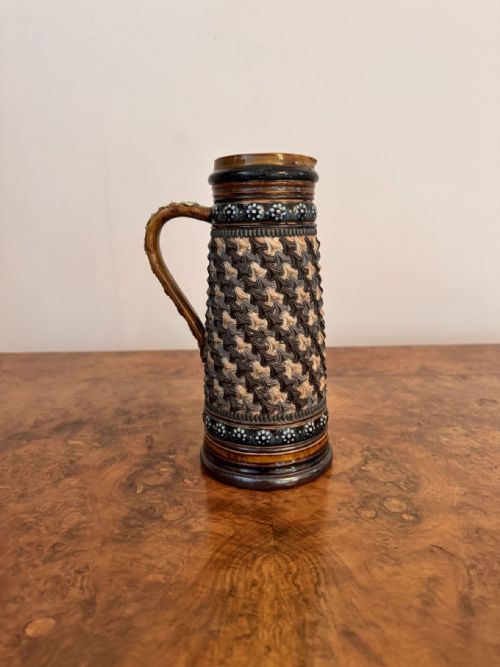
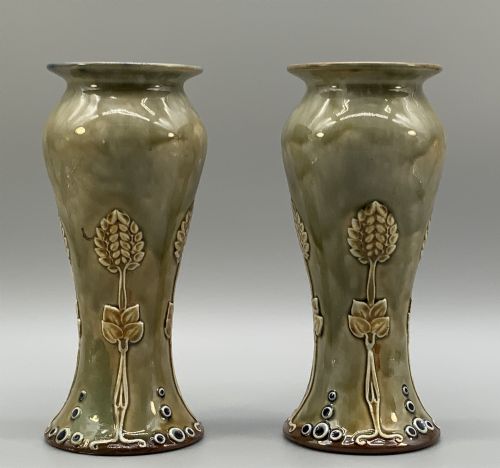
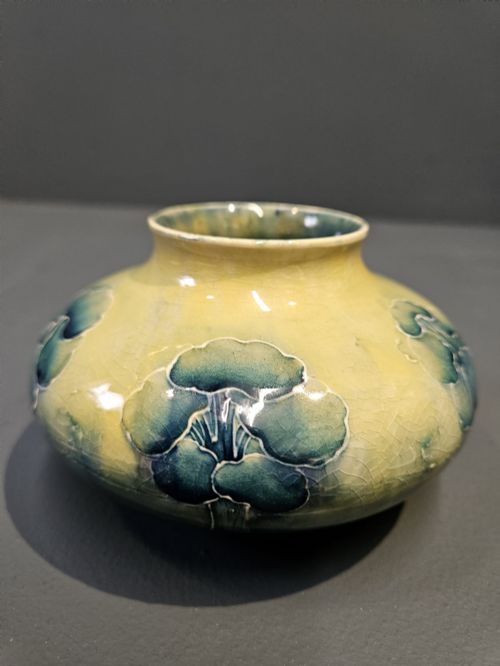
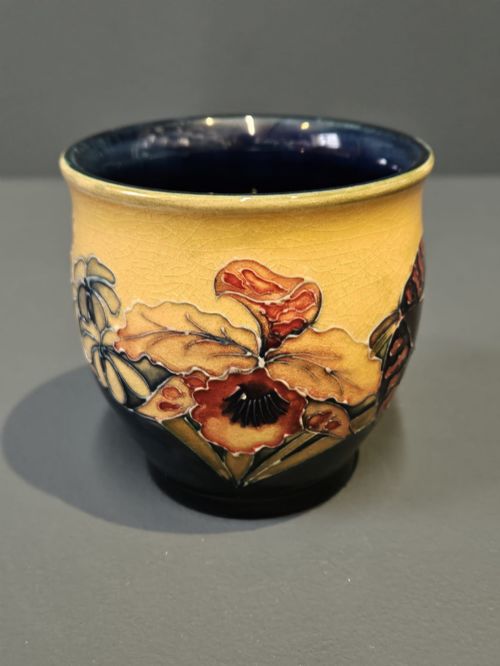
An antique art ceramic vessel encompasses decorative vases, jugs, pitchers, jardinieres, and bowls produced across European and Asian workshops. These objects reflect shifting tastes from Victorian historicism into the expressive forms of the Arts and Crafts, Art Nouveau, and Art Deco movements.
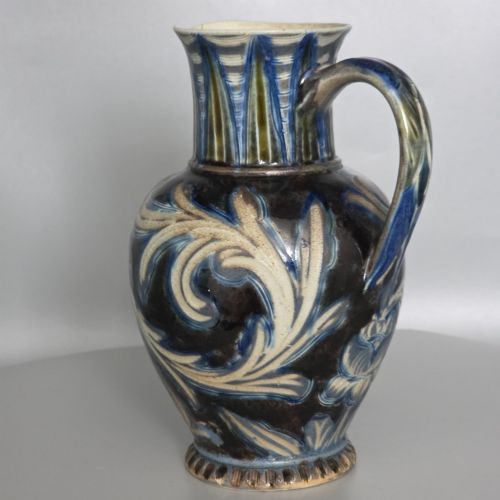
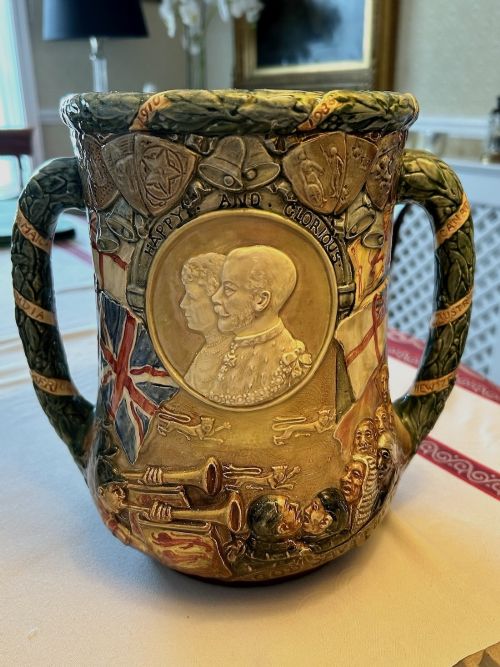
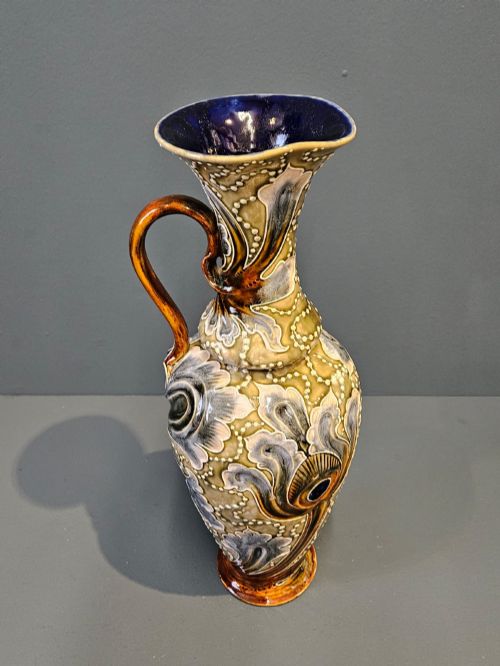
The versions most frequently met on this page originate from British potteries like Doulton Lambeth and Moorcroft, alongside continental European makers and Japanese export studios. They range from utilitarian forms elevated by artistic glaze treatments to monumental, hand-painted exhibition pieces.
How they were made
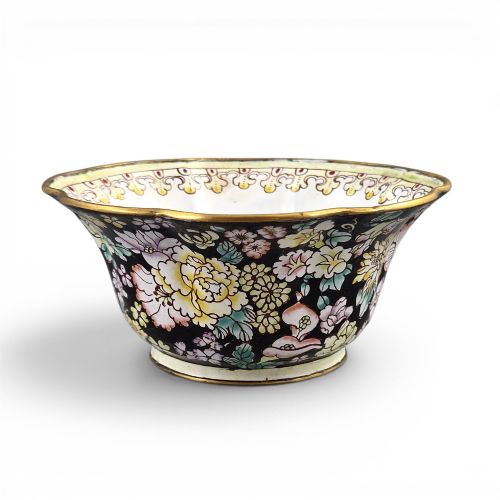
Makers utilised stoneware, earthenware, and porcelain bodies, shaping them on the potter's wheel or casting them in moulds. Artisans applied complex surface decoration using tube-lining, hand-painting, and specialised enamel or lustre techniques before firing.
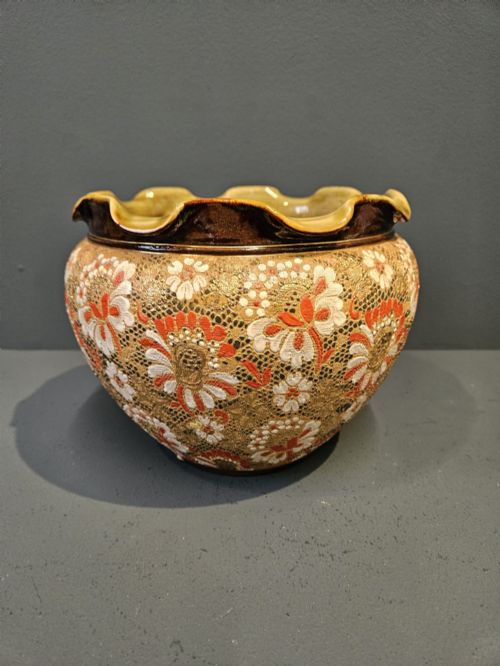
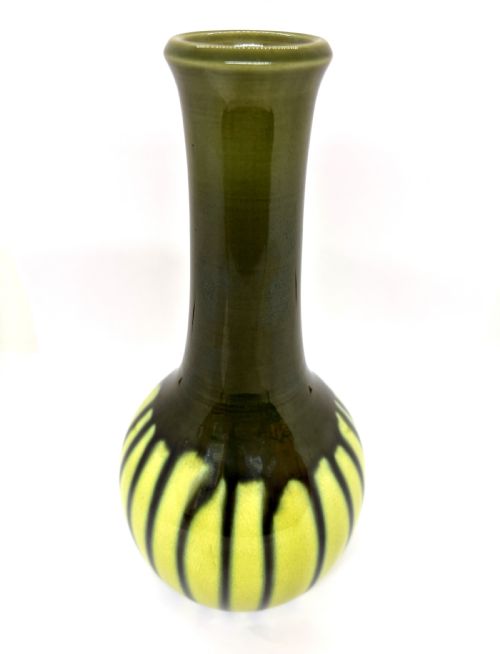
Glazes define these pieces, varying from rich salt-glazed stoneware and iron-rust finishes to iridescent lustre applications, gold leaf, and vibrant slip painting. Many designs combined raised paste work, metal mounts, or jewelled cabochons to enhance the tactile quality of the ceramic body.
Several vessels feature climbing figures, parrots, and a thousand sculpted arhats frozen in eternal contemplation.
What varies in quality
Quality rests upon the skill of the individual artist and the complexity of the ceramic technique. Pieces decorated by named studio artists or produced for prestigious retailers display superior depth in hand-painted detail, intricate tube-lining, and control over experimental glaze firings.
The ambition of the form also separates standard production items from masterworks. Monumental scale, balanced proportions, and successful execution of difficult firing processes distinguish exceptional vessels from simpler commercial wares.
Royal Doulton·Moorcroft·Burmantoft's Pottery·Minton·Wileman
The Antique Art Ceramic Vessel Glossary
- Stoneware
- A robust, vitrified ceramic fired at high temperatures until non-porous. It accepts salt-glazing and dense surface ornamentation.
- Faience
- Earthenware decorated with opaque coloured glazes. This technique allowed intricate painted designs on a smooth, absorbent ceramic base.
- Lustre
- A metallic glaze film that produces an iridescent sheen upon firing. It reflects light in shifting rainbow colours across the surface of the vessel.
- Tube-lining
- A method of applying raised clay lines to outline patterns on pottery. The resulting compartments are subsequently filled with coloured glazes.
- Jardiniere
- A large ornamental pot designed to hold live plants. These vessels often match the decorative schemes of domestic drawing rooms.
Antique Art Ceramic Vessel: Frequently Asked Questions
What is an antique art ceramic vessel?
These items are decorative ceramic vessels produced during the late nineteenth and early twentieth centuries. They combine functional forms with artistic glaze and surface designs characteristic of movements like Art Nouveau and Arts and Crafts.
They reflect a period when pottery transformed from industrial manufacturing into individual artistic expression. Makers experimented widely with glazes, textures, and hand-painted motifs.
How were these vessels used?
Many served as ornamental centerpieces in domestic interiors, displayed on mantels, tables, or pedestals. Some larger forms functioned as jardinieres for potted plants or specialised vessels like brush washers and ewers.
While occasionally utilitarian, their primary purpose was aesthetic enhancement. Households displayed them to signal refined artistic taste.
How do I live with antique ceramics?
Place them in stable environments away from direct sunlight and heavy foot traffic to protect their delicate glazes and painted surfaces. Use soft, dry cloths for dusting and avoid liquid cleaning agents unless necessary.
Pairing these vessels with natural light allows their iridescent lustres and textured glazes to stand out. Ensure they rest on secure, level surfaces to prevent accidental tipping.
How do I identify the period?
Examine the stylistic markers, such as the flowing organic lines of Art Nouveau or the geometric abstraction of Art Deco. Maker's marks, impressed stamps, and artist signatures underneath the base provide definitive chronological clues.
Materials and glaze types also help narrow the era, as specific chemical treatments and colour palettes gained popularity during distinct decades.