
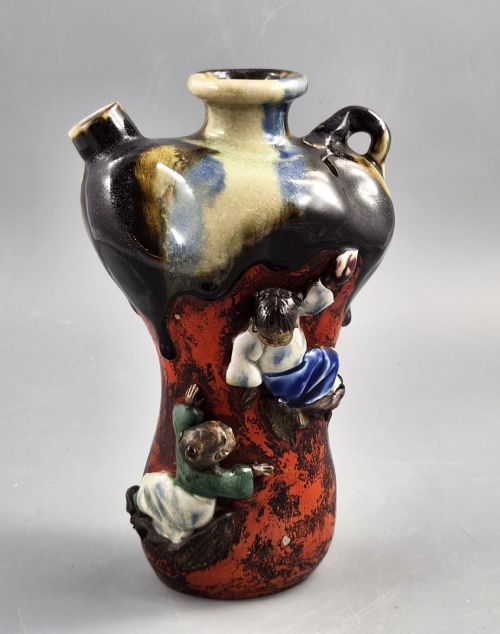


Drip Glaze Pottery Vase
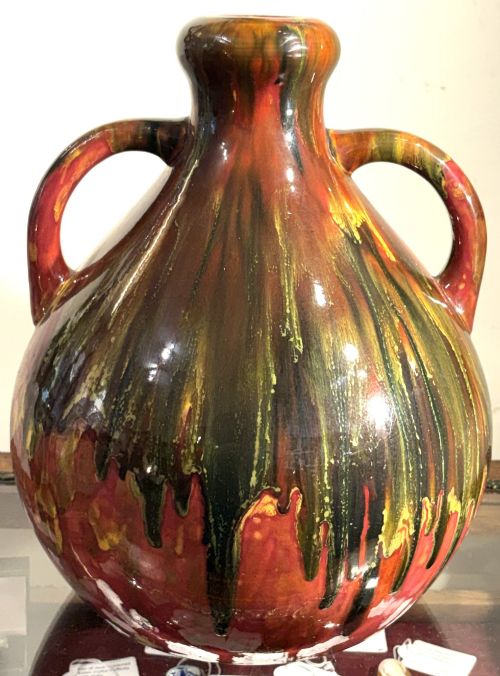
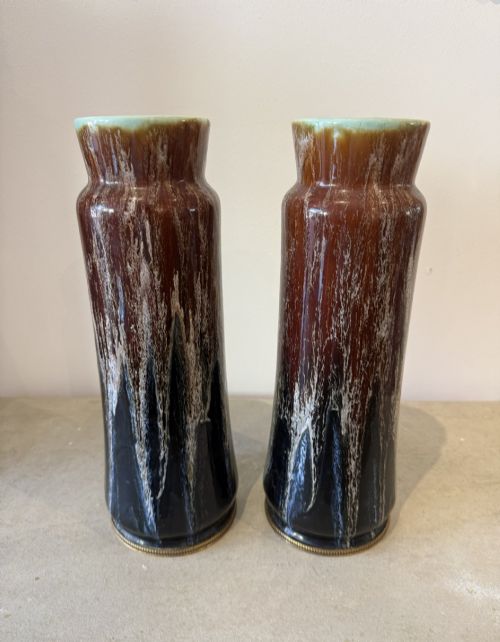
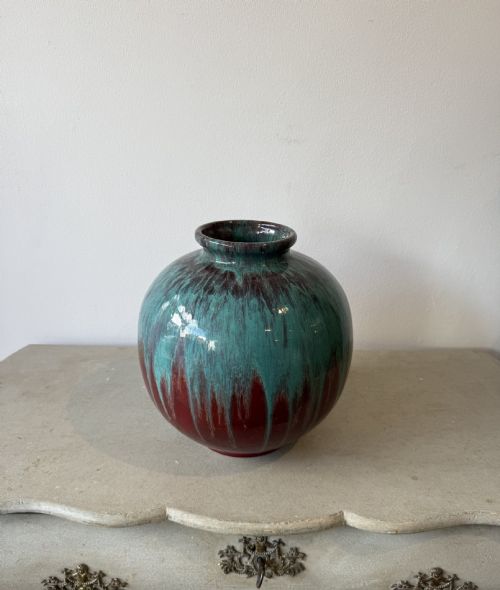
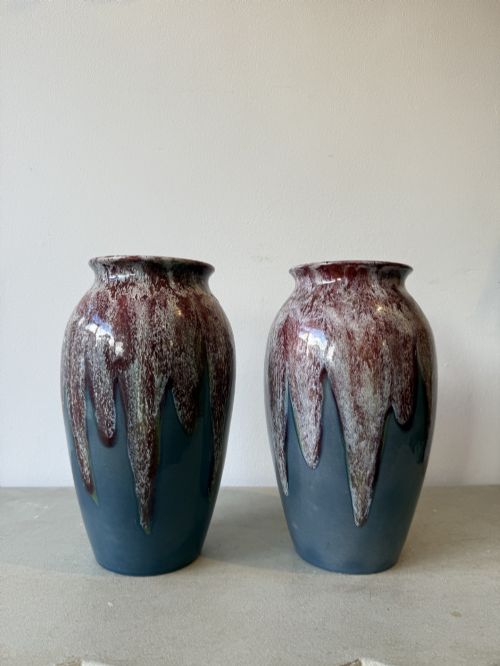
These drip glaze pottery vase examples span from the late nineteenth century into the mid twentieth century, offering rich surfaces and varied forms for your collection.
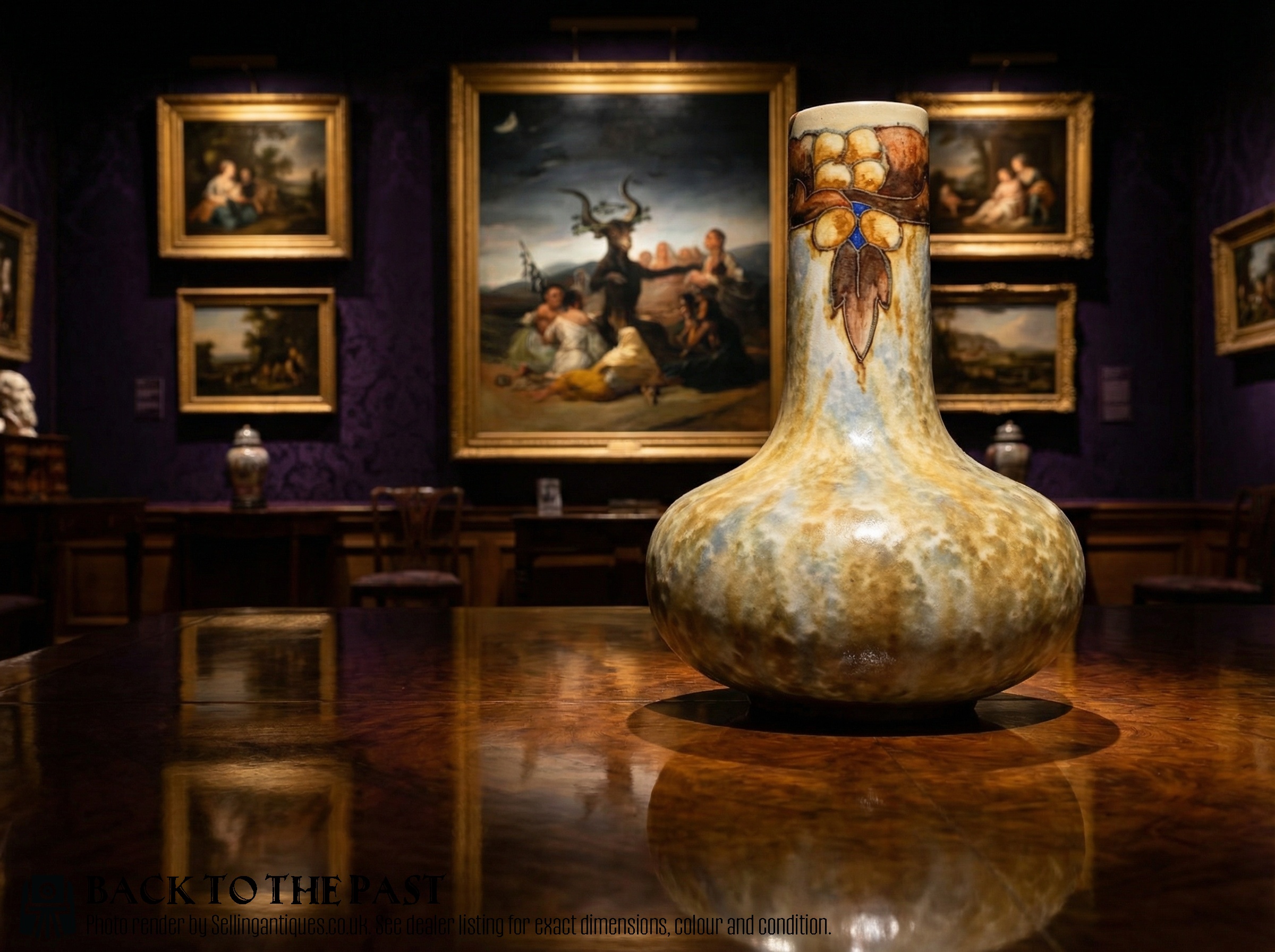
Drip Glaze Pottery Vase
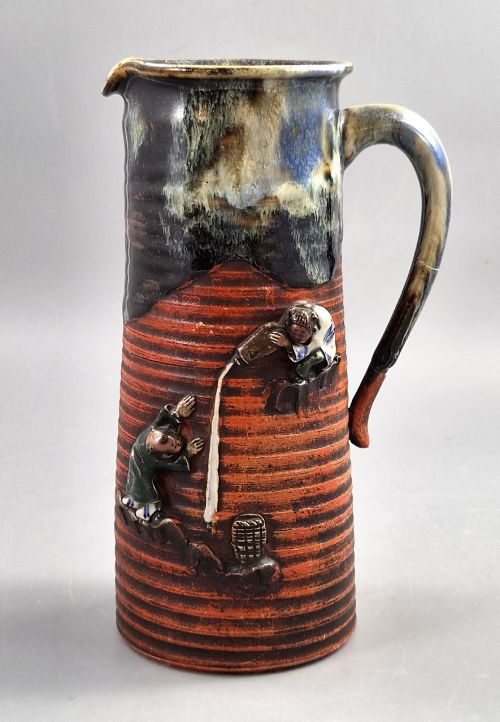
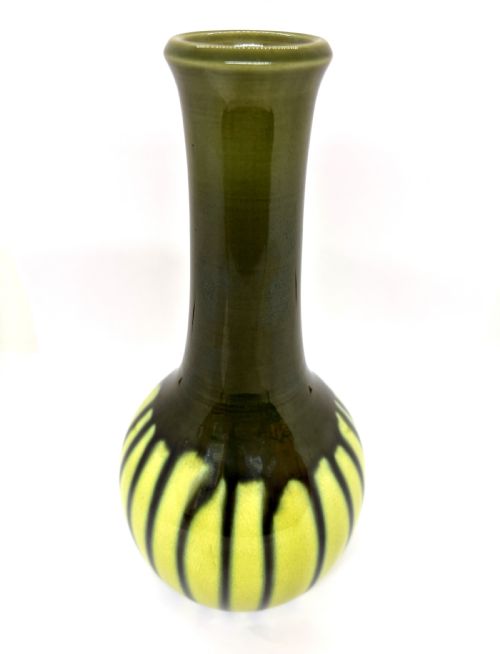
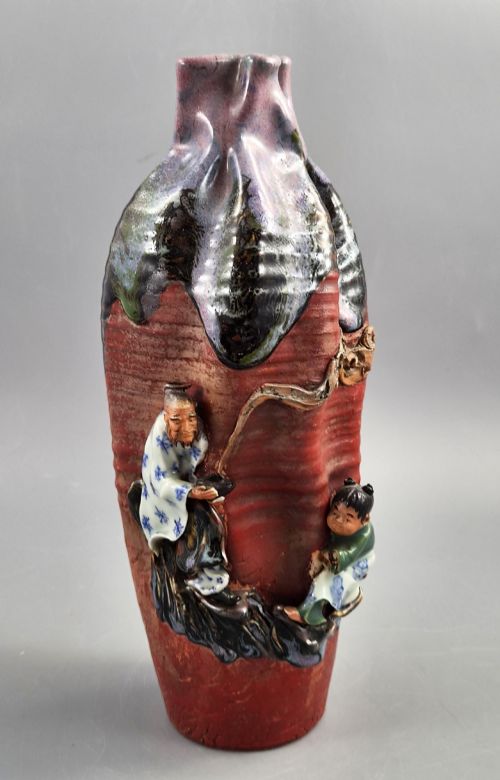
When you search for a drip glaze pottery vase, you encounter works ranging from Victorian art pottery to Japanese Sumida Gawa pieces and French studio pottery. The selection includes earthenware, terracotta, and stoneware bodies shaped into standard vases, bottle vases, and pitchers.
You are most likely to meet pieces dated between eighteen eighty and nineteen thirty, covering the Arts and Crafts and Art Nouveau movements alongside Meiji and Taisho Japanese periods. Makers such as Burmantofts, Doulton, Ruskin, and Boch Freres appear frequently among the listings.
How they were made
Potters shaped these bodies from earthenware, stoneware, or terracotta before applying liquid glazes designed to run or pool down the sides. The chemical reactions during firing created the signature crystalline and flambé surface effects seen across the pieces.
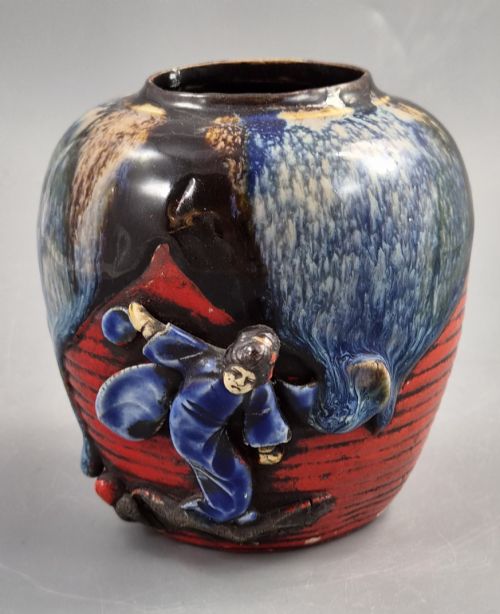
Japanese Sumida Gawa pieces often incorporated modelled figures applied to the surface beneath heavy glazes, whilst European makers relied on the fluid movement of the glaze itself to decorate the ceramic form.
The site listings feature earthenware, stoneware, and terracotta bodies decorated with crystalline, flambé, and standard drip glazes.
What varies in quality
Quality rests in the control and depth of the glaze application, where successful runs create harmonious colour transitions rather than muddy surfaces. The crispness of modelled figures on Japanese wares and the balance of the ceramic form also separate standard examples from finer works.
The sophistication of the crystalline or flambé effects dictates the distinction between ordinary production and superior studio pottery. Better pieces display deliberate artistic intent in how the liquid glaze settles across the earthenware or stoneware body.
Burmantofts·Doulton·Ruskin Pottery·Boch Freres·Pierrefonds·Cranston·Inoue Ryosai·Ban-ni
The Drip Glaze Pottery Vase Glossary
- Earthenware
- A porous pottery body fired at lower temperatures, commonly used for nineteenth-century art pottery before glazing. It requires an impermeable glaze to hold water effectively.
- Stoneware
- A dense ceramic material fired at higher temperatures until vitrified, making it completely non-porous. This body supports heavier glazes without needing an interior slip.
- Crystalline glaze
- A specialised ceramic finish that encourages crystal growth during the cooling phase of the kiln firing. Collectors prize the resulting star-like patterns across the surface.
- Flambé glaze
- A streaked or mottled finish achieved through complex reduction firings that cause metallic oxides to react unpredictably. This technique produces deep blues, reds, and purples.
- Terracotta
- An unglazed or glazed red earthenware body used for sculptural and decorative vessels. Its warm reddish tone often shows beneath transparent glaze layers.
Drip Glaze Pottery Vase: Frequently Asked Questions
Are these vases waterproof?
Many glazed ceramic and stoneware vessels hold water safely, but older earthenware pieces can develop microscopic crazing over time. It is wise to test the vessel on a non-sensitive surface before filling it.
Place a small glass or plastic liner inside fragile or historic items if you intend to use them for fresh flowers regularly.
How do I date a piece?
Examine the base for impressed factory marks, studio signatures, or registration numbers that correspond to known operating dates. Stylistic clues such as Art Nouveau motifs or Meiji period signatures also help narrow the timeframe.
Compare the weight, clay body, and glaze characteristics with documented examples from makers like Burmantofts or Ruskin to confirm the period.
What is drip glaze?
Drip glaze is a pottery technique where liquid mineral glazes are applied to the top of a vessel and allowed to run downward during the high-temperature kiln firing. The gravity-driven runs create natural gradients and pooling effects.
Potters mastered this method during the Arts and Crafts and Art Nouveau movements to celebrate the unpredictable chemistry of studio ceramics.