




Tubelined Art Pottery Vase
A tubelined art pottery vase brings tactile relief and rich glazes into a room, capturing the decorative shifts of the early twentieth century.
Tubelined Art Pottery Vase
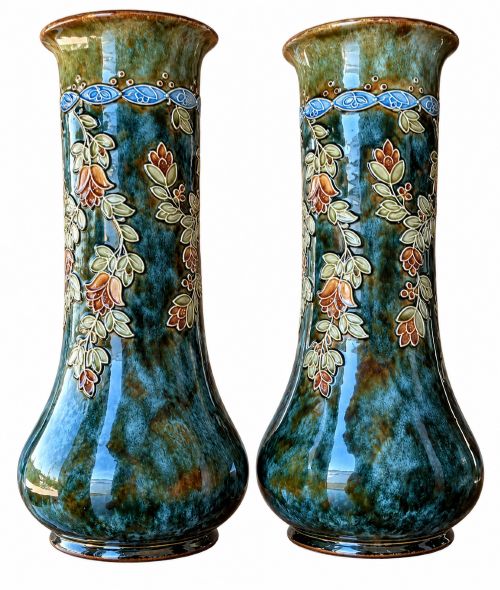
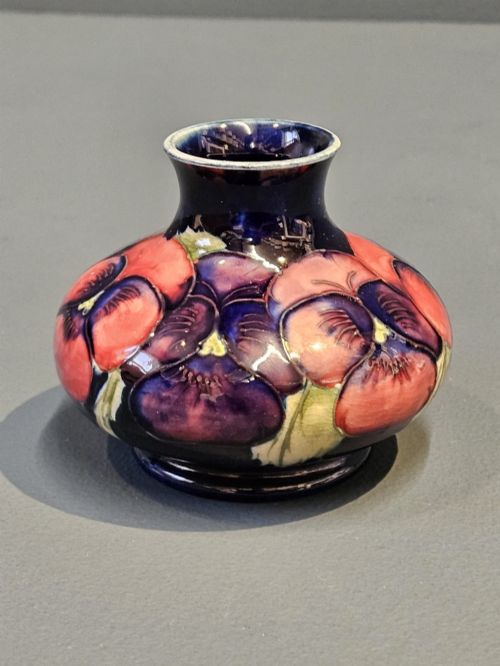
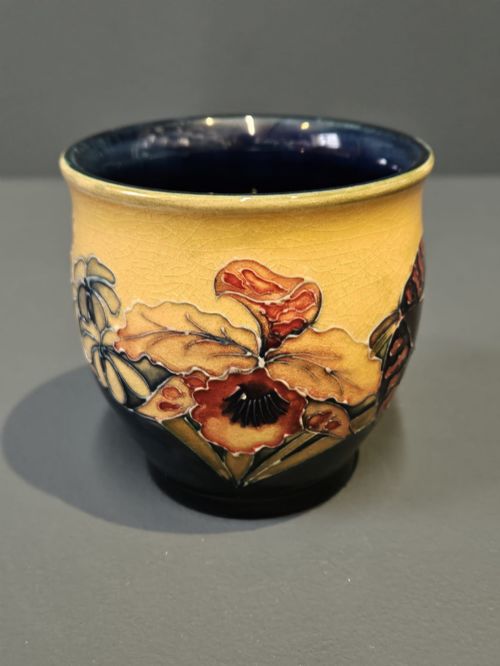
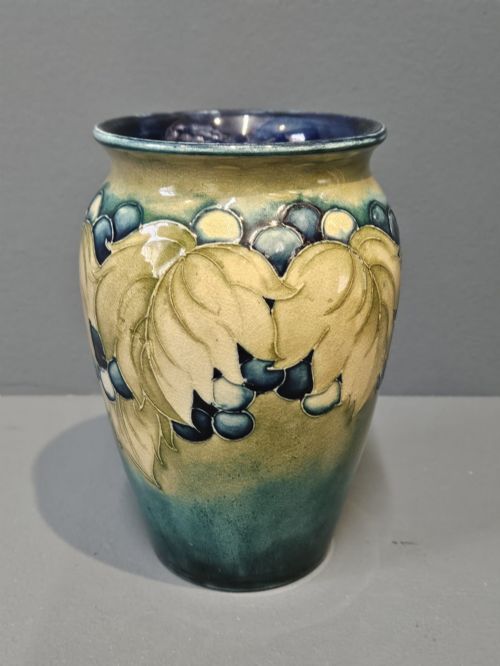
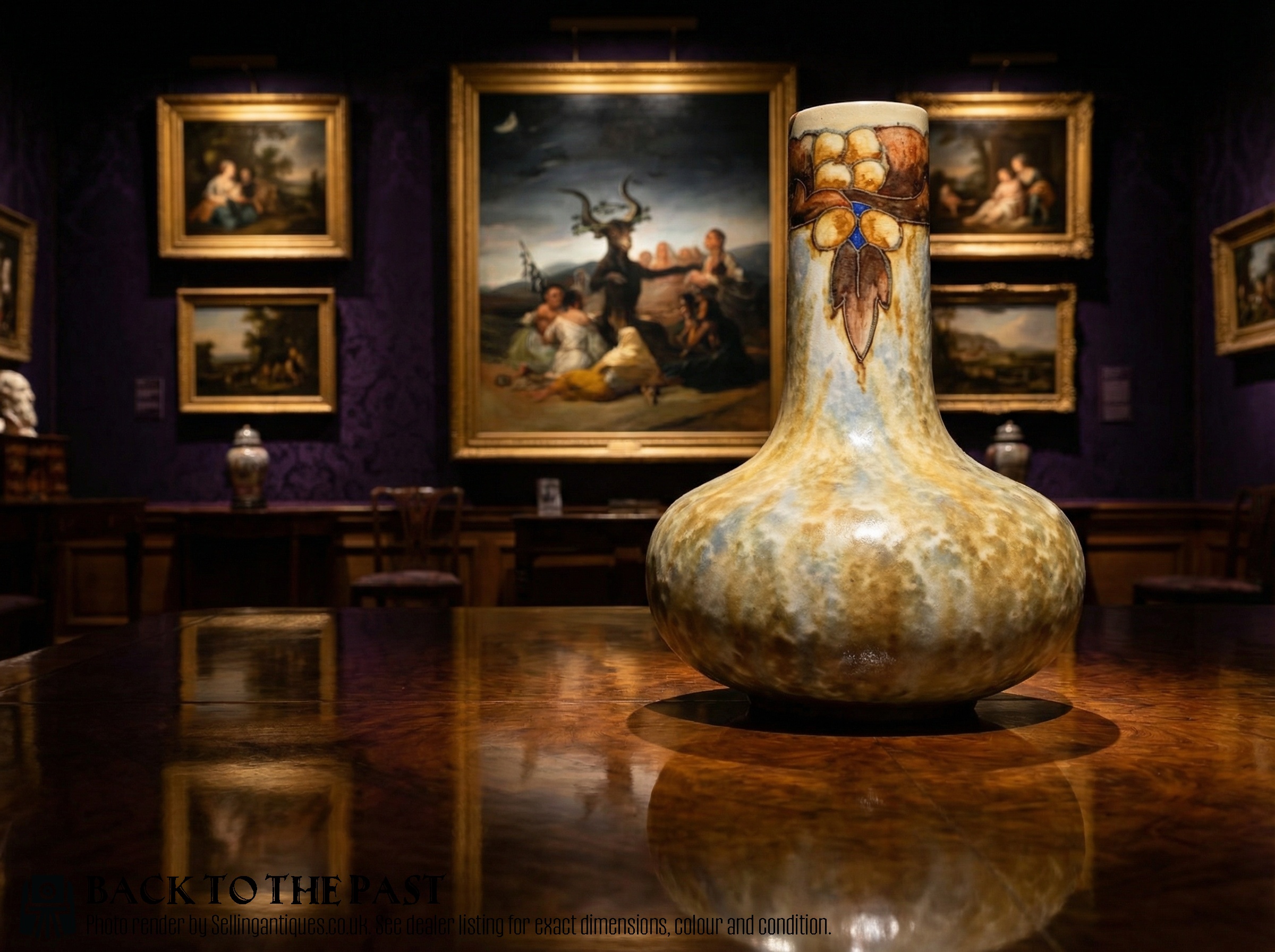
A tubelined art pottery vase displays raised clay outlines that separate fields of vibrant enamel colour, creating a distinct linear pattern across the ceramic body. These pieces date from the late nineteenth century through to the art deco era, reflecting the design movements of their time.
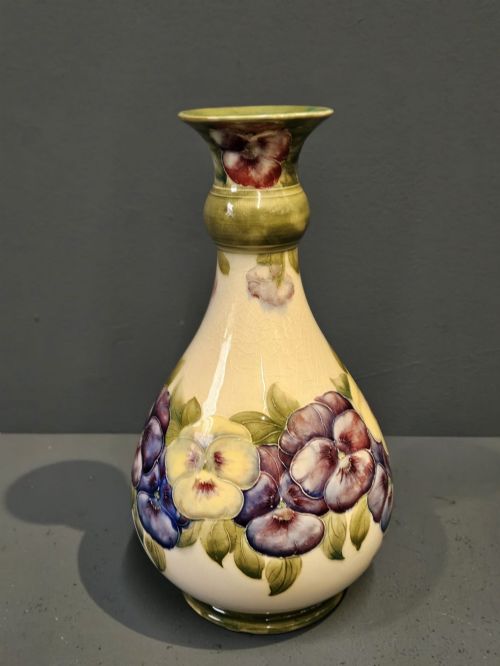
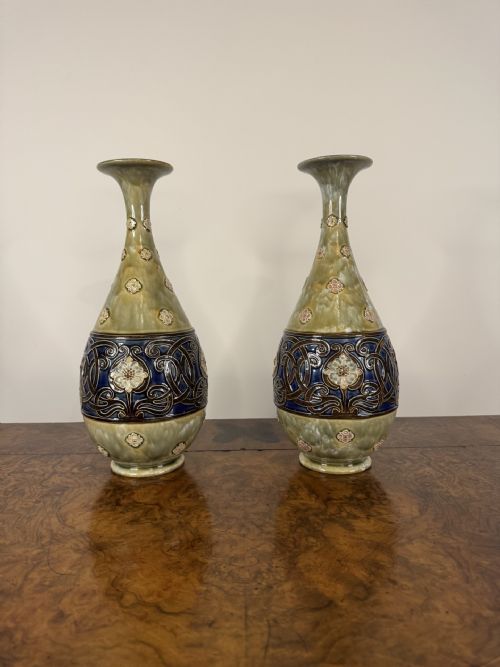
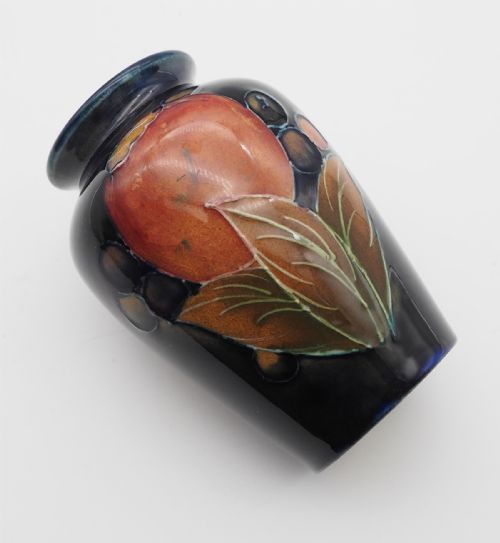
The selections on this page span the arts and crafts, art nouveau, and art deco styles, offering everything from small cabinet pieces to large pairs of baluster vases. Makers applied this decorative method to earthenware and stoneware vessels, producing floral motifs like pansies and pomegranates alongside abstract geometric patterns.
Buyers encounter forms ranging from miniature flower vases to substantial decorative vessels originating from English potteries. These works demonstrate how standard vessels were transformed into artistic statements through the combination of raised clay lines and flowing glazes.
Materials and methods
Potters shaped the bodies from earthenware or stoneware using clay that accepted thick glazes and held the weight of the raised decorative outlines. The distinctive raised lines were applied using a technique similar to piping icing, squeezing liquid clay through a nozzle onto the surface.
Once the raised pattern dried, artisans hand-painted the compartments with coloured enamels and glazes before firing the ceramic in a kiln. Some pieces received salt glazes or lustre finishes, which altered the surface sheen and depth of the colours during the final firing process.
Early decorators painted pansies and berries so diligently that even the underside of the base occasionally received an accidental splash of glaze.
Judgement of quality
Quality rests upon the crispness of the raised clay lines and the skill involved in filling the compartmentalised glaze without blurring the edges. Pieces that bear the distinct signatures or impressed marks of leading designers or major potteries generally command greater attention from collectors.
The harmony of the palette and the complexity of the pattern dictate the visual success of the vessel, distinguishing standard production items from ambitious studio pieces. A well-executed glaze application allows the underlying texture to remain prominent while providing a deep, even gloss across the ceramic body.
Royal Doulton·Moorcroft·Minton·Cranston·Charlotte Rhead
The Tubelined Art Pottery Vase Glossary
- Tubelining
- A ceramic decoration technique where liquid clay is piped onto a vessel body to form raised outlines that contain coloured glazes. This method creates a low-relief barrier between different enamel colours.
- Earthenware
- A porous ceramic body fired at lower temperatures, commonly used for decorated art pottery that requires bright glaze colours. It forms the base for many traditional decorative vessels.
- Stoneware
- A dense, impermeable ceramic fired at higher temperatures until the clay vitrifies. This material provides a durable foundation for salt-glazed and heavy architectural vases.
- Baluster
- A vase shape characterised by a rounded lower body that tapers into a narrower neck and flared rim. This traditional silhouette offers a balanced canvas for wrapping floral designs.
- Lustre
- A type of ceramic glaze containing metallic oxides that produce an iridescent sheen when fired in a reduced oxygen environment. It adds a reflective quality to art deco surfaces.
Tubelined Art Pottery Vase: Frequently Asked Questions
How do I clean a tubelined vase?
Dust the surface gently with a dry, soft brush to prevent dirt from settling in the raised clay channels. Avoid submerging older earthenware in water, as moisture can penetrate through tiny crazing lines in the glaze.
For stubborn marks on glazed areas, use a damp cloth without chemical cleaners. Pat the ceramic dry immediately after wiping to protect the historic surface.
What is the difference between art nouveau and art deco vases?
Art nouveau designs feature organic, flowing lines inspired by natural forms such as plant stems and flower petals. These pieces often display muted or celadon tones that emphasise gentle curves and asymmetry.
Art deco pieces embrace geometric precision, stylised patterns, and vibrant lustre finishes characteristic of the interwar period. The forms become more structured, reflecting industrial modernism rather than natural growth.
Are these vases marked by the maker?
Many examples carry impressed factory stamps, painted monograms, or signatures on the unglazed base. These marks help identify the specific pottery and sometimes the individual artist who decorated the piece.
Faint or rubbed signatures remain common on vintage ceramics due to age and handling. Collectors examine both the signature style and the clay body to confirm origin.
Where should I display my art pottery vase?
Place the vessel in a spot with indirect natural light to highlight the texture of the raised tubelining and the depth of the glaze. Direct sunlight can cause certain enamel colours to fade over extended periods.
Ensure the vase sits on a stable, level surface away from high-traffic edges where it might be knocked. Pairing a single statement piece on a mantel or sideboard allows the craftsmanship to stand alone.