


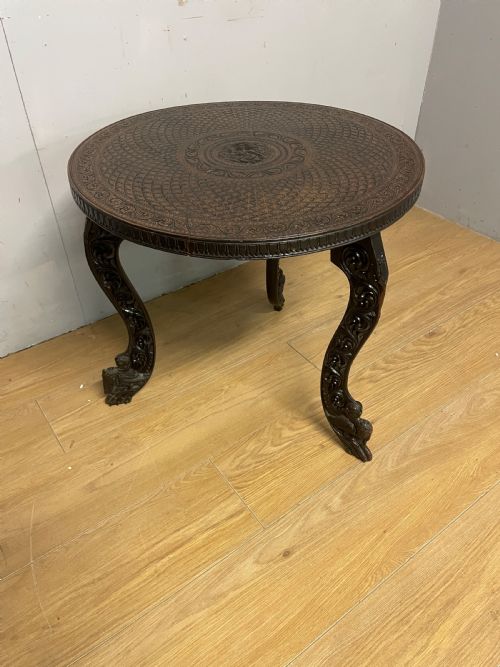


Edwardian Anglo Indian Table
An edwardian anglo indian table brings rich colonial craftsmanship into a room, offering intricate carving and inlay work that draws the eye immediately.
Edwardian Anglo Indian Table
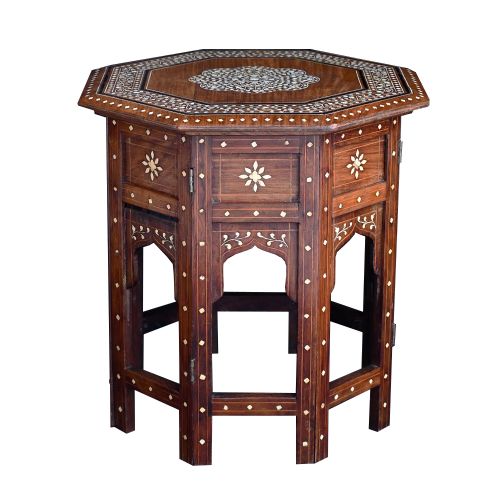
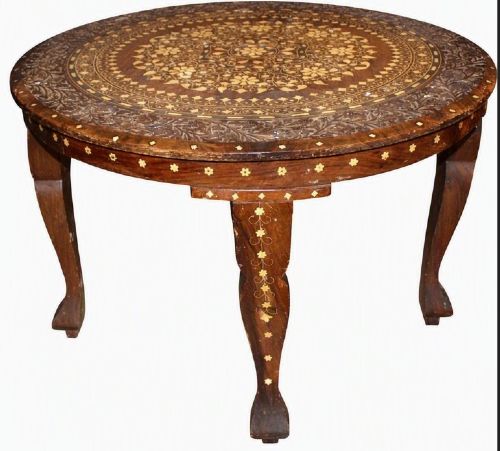
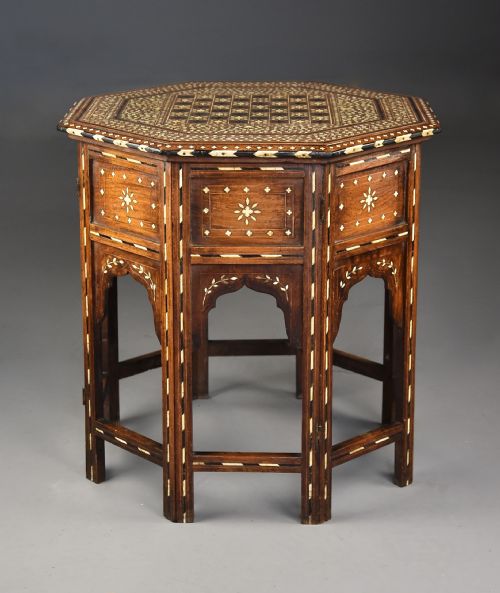
An edwardian anglo indian table combines traditional Indian carving and inlay techniques with British furniture forms popular during the early twentieth century. You will most frequently encounter occasional tables, side tables, and octagonal forms originating from this period.
These pieces showcase regional specialisms such as Hoshiarpur work, where artisans covered surfaces in dense floral carving and intricate geometric patterns. The forms range from folding coffee tables to static lamp tables designed for drawing rooms.
Makers utilised imported tropical timbers and traditional joinery methods to construct sturdy frames capable of supporting heavy surface ornamentation. The resulting items reflect the aesthetic exchange between Britain and India during the colonial era.
How they were made
Artisans constructed these tables using dense tropical hardwoods, predominantly teak and rosewood, which provided a stable foundation for deep relief carving. These timbers were seasoned carefully to withstand climatic shifts without warping.
Workers integrated bone inlay into geometric recesses across the wooden surfaces, securing the pieces with natural adhesives. This contrasting white material created striking patterns against the dark grain of the surrounding wood.
Surfaces received intricate chisel work by hand, creating layered foliage and animal motifs across octagonal and circular tops. Final finishing involved smoothing and polishing the timber to highlight the natural lustre of the grain.
Several tables arrive with hidden folding frames, ready to pack flat for a long sea voyage across the empire.
What varies in quality
The precision of the surface carving separates standard production from exceptional examples, with superior pieces showing crisp depth and zero splintering in the wood. Artisans who spent weeks on intricate pierced work achieved a much higher level of detail.
The completeness and tightness of the bone inlay reveal the skill of the original workshop, as poorly secured sections often loosen over time. High quality items maintain flush surfaces where the bone meets the surrounding hardwood.
Structural stability depends on the joinery concealed beneath the decorative exterior, ensuring the table stands level and firm. Well-constructed frames manage the weight of dense hardwood tops without wobbling.
Liberty And Co
The Edwardian Anglo Indian Table Glossary
- Hoshiarpur
- A region in Punjab renowned for producing intricately carved woodwork and bone inlay furniture exported during the colonial period. Pieces from this centre display dense floral and geometric motifs.
- Occasional table
- A small, versatile piece of furniture designed for specific, intermittent use rather than permanent placement. These items often feature folding bases or lightweight frames for easy relocation.
- Octagonal
- Having eight sides and eight angles, a common geometric format for the tops of inlaid tables. This shape allows complex radiating patterns of bone and carved foliage.
- Bone inlay
- A decorative technique involving small pieces of animal bone cut and pressed into carved recesses in wooden surfaces. This method creates high-contrast geometric or floral patterns.
- Teak
- A durable, heavy tropical hardwood selected for its resistance to moisture and decay. Its oily nature makes it ideal for detailed carving.
Edwardian Anglo Indian Table: Frequently Asked Questions
How do I care for bone inlay?
Keep inlaid surfaces away from direct sunlight and extreme humidity fluctuations to prevent the wood from expanding and loosening the bone segments. Dust gently with a dry, soft cloth.
Avoid using liquid cleaners or polishes that might seep into the microscopic gaps between the bone and the surrounding timber.
Are these tables sturdy enough for daily use?
Most occasional and side tables function well for holding lamps, books, or drinks provided they are placed on even flooring. Their solid hardwood construction offers good everyday durability.
Avoid dragging them across carpets or overloading delicate folding mechanisms to preserve the original joinery over time.
How can I identify Hoshiarpur work?
Hoshiarpur pieces feature dense, all-over surface carving combined with intricate geometric bone inlay across the entire top and base. The motifs usually incorporate swirling foliage and traditional Indian patterns.
This distinct style distinguishes regional production from simpler British colonial furniture manufactured without native ornamentation.