
Antique Indian Table
When you choose an antique indian table, you invite dense carving, intricate inlay and colonial history into your room.
Antique Indian Table
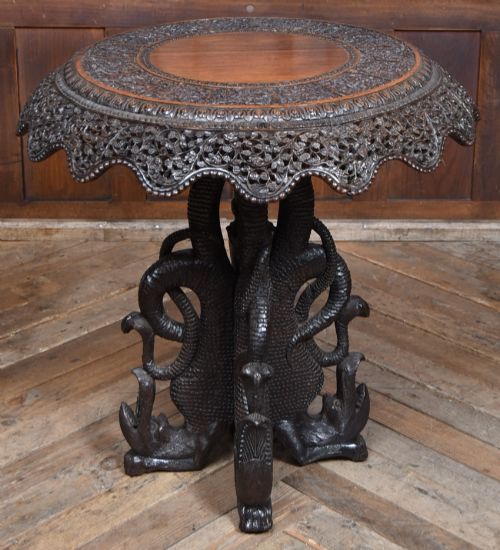
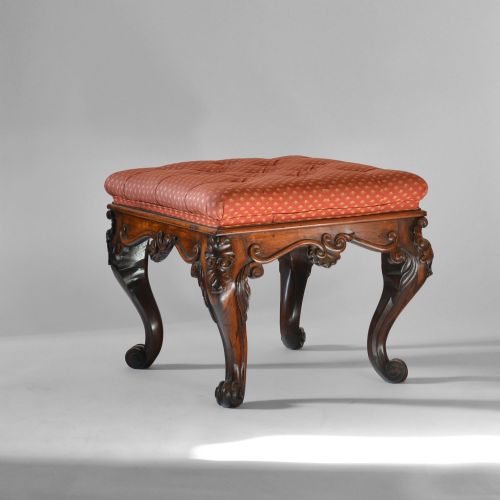
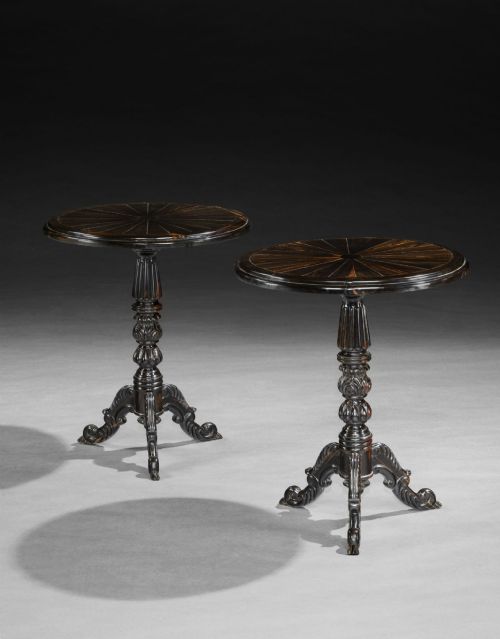
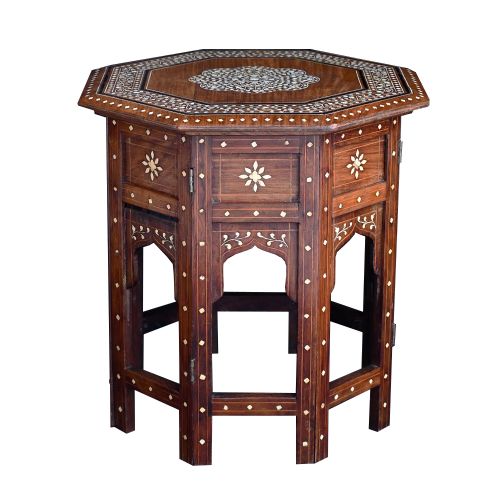
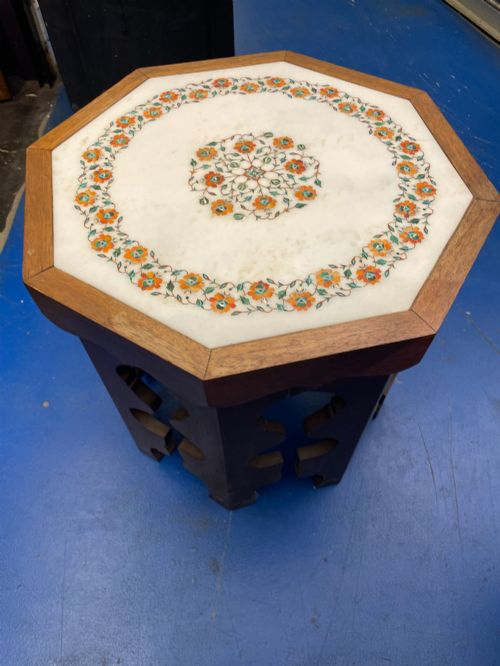
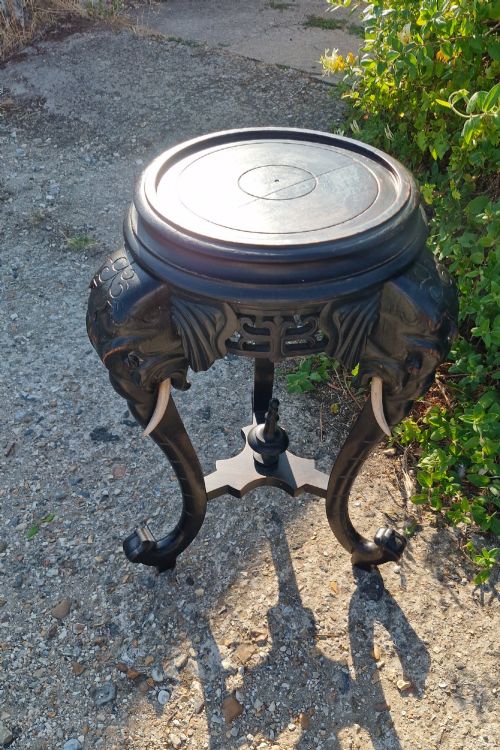
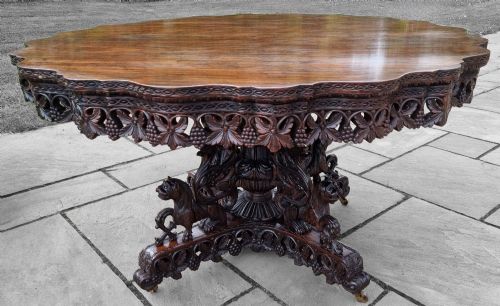
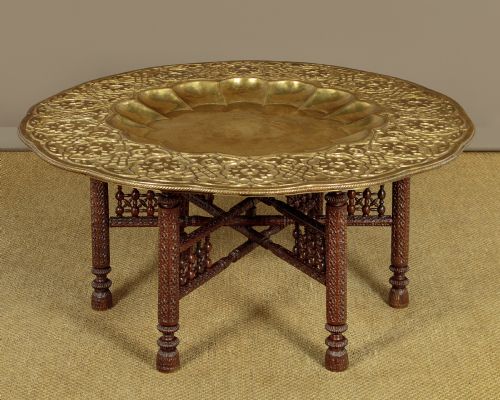
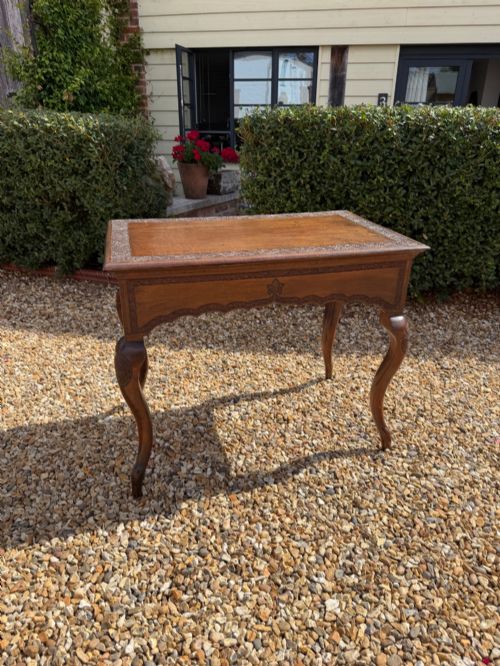
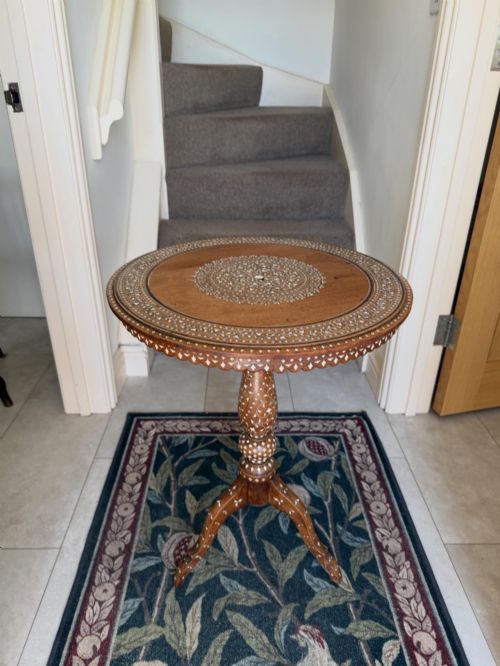
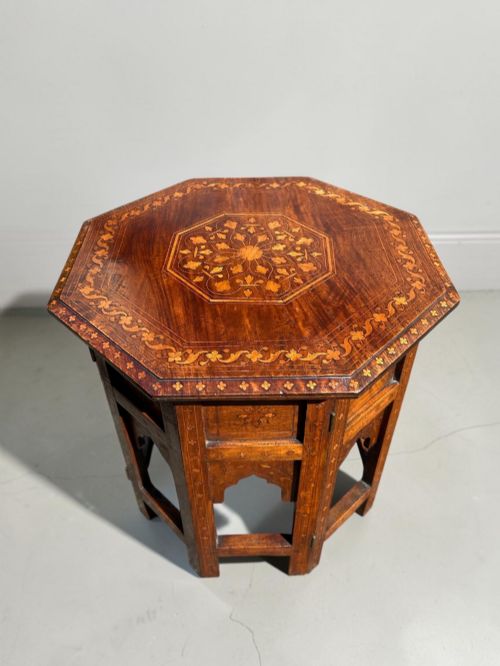
An antique indian table encompasses a rich variety of forms shaped by nineteenth and early twentieth century craftsmanship, ranging from octagonal occasional pieces to substantial centre tables. Buyers searching for this phrase encounter heavy hardwoods carved with regional motifs, folding campaign structures designed for colonial travel, and distinctive animal supports. The most frequent form meeting this search is the octagonal occasional or coffee table, often inlaid with bone, brass or mother-of-pearl.
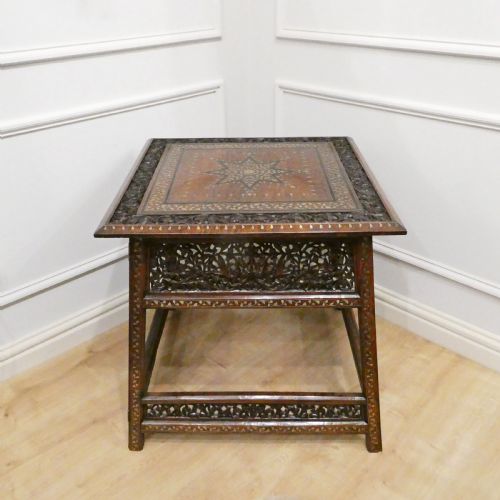
The aesthetic bridges domestic utility with elaborate decorative traditions, pulling from Anglo-Indian, Kashmiri and Moorish revival styles. Many examples display deep relief carving of foliage and figures, while others rely on geometric marquetry and contrasting timber species. Originating from workshops in centres such as Hoshiarpur or Galle, these items served varied colonial and domestic functions, from low tea settings to tall pedestal display surfaces.
Materials and construction methods
Makers utilised dense regional timbers including teak, rosewood, padouk, ebony and general hardwoods to withstand intricate hand carving. These woods provided a stable canvas for complex relief work depicting animals, foliage and figural scenes.
Surface ornamentation relied on meticulous inlay techniques, setting brass wire, bone and mother-of-pearl into prepared channels across the timber. Folding mechanisms and screw-fit tripod bases allowed campaign pieces to pack flat, combining structural ingenuity with decorative ambition.
Listings feature items spanning the nineteenth century through the 1930s, constructed from teak, rosewood, padouk, ebony and hardwood with brass, bone and mother-of-pearl inlay.
Assessing craftsmanship and execution
Quality rests upon the depth, sharpness and restraint of the hand carving rather than the mere presence of decoration. Superior examples display crisp undercutting in foliage and figures, whereas lesser pieces show shallow, hurried routing with dull edges.
The precision of the inlay work distinguishes finer output from routine production. Tightly fitted bone, brass or mother-of-pearl flush with the surrounding hardwood indicates skilled workshop execution, while gaps and careless filling denote lower grade manufacturing.
The Antique Indian Table Glossary
- Hoshiarpur
- A district in Punjab renowned for intricate woodwork. Tables from this region typically feature dense bone or brass inlay set into shisham or other hardwoods in geometric and floral patterns.
- Campaign table
- A portable folding or knock-down item designed for colonial officers. These pieces utilise clever hinges and removable legs for easy transport.
- Octagonal table
- An eight-sided surface shape popular in Anglo-Indian design. This geometry accommodates complex folding panel constructions and symmetrical inlay layouts.
- Marquetry
- The art of applying small pieces of veneer to a structure to form decorative patterns. Artisans used contrasting timbers to create pictorial or geometric tabletop surfaces.
- Tripod table
- A freestanding support resting on three legs. These often feature tilt-top mechanisms for storage against a wall when not in use.
Antique Indian Table: Frequently Asked Questions
How do I care for my table?
Maintain the timber and inlay by dusting regularly with a dry, soft cloth and avoiding modern liquid polishes. Keep the surface away from direct heat sources and strong sunlight to prevent timber shrinkage and loosening of delicate bone or brass inlays.
Apply a light application of traditional beeswax occasionally if the wood appears dry, buffing gently. Ensure any spills are wiped immediately to protect the antique finish and natural materials.
Were these tables made for export?
Many items produced during the nineteenth century catered specifically to the European colonial market and the growing demand for exotic domestic furnishings. Workshops adapted traditional regional motifs into forms suitable for Victorian homes, including occasional tables, nests and folding tea trays.
This cross-cultural production combined local carving mastery with European furniture typologies. Consequently, buyers find pieces that reflect both Eastern artisanal heritage and Western interior fashions of the period.
What is a campaign table?
A campaign table is a portable furnishing built for easy disassembly and transport during military or administrative travel. These items feature clever folding frames, removable legs or hinged tops that secure firmly without permanent fixtures.
Their practical design allowed colonial officers to pack heavy timber surfaces flat. Today, they function well in smaller spaces due to their adaptable, collapsible nature.